On this page
To hike safely in hot weather, start early, choose shaded or shorter trails, carry more water than usual with some electrolytes, wear light, loose, sun protective clothing, rest often in the shade and know the warning signs of heat illness. If anyone shows signs of heat stroke, such as confusion, call emergency services immediately.
Heat changes how hard a hike feels and how much margin you have for mistakes. A trail that is easy in spring can be dangerous on a summer afternoon, especially on exposed ground or at low desert elevations. This guide covers planning, timing, water, clothing, pacing and what to do if someone overheats, based on guidance from the National Weather Service and the National Park Service.
Key takeaways
- Check the forecast and heat index, and avoid the hottest hours, usually midday to late afternoon.
- Pick shorter, shaded trails, ideally with water features or tree cover.
- Carry more water than you think you need, and eat salty snacks or use electrolytes on long hikes.
- Wear light colored, loose, breathable clothing, a wide brimmed hat and sunscreen.
- Know the signs of heat exhaustion and heat stroke, and turn back early if anyone struggles.
- Heat stroke is a medical emergency: call your local emergency number right away.
Is it safe to hike in hot weather?
Hiking in hot weather can be safe with careful planning, but heat raises the risk of dehydration, heat exhaustion and heat stroke. Risk grows with high temperatures, humidity, direct sun, strenuous climbs and long distances. On extreme heat days, the safest choice is often to hike very early, pick a short shaded route or postpone.
Factors that make a hot hike riskier:
- High heat index, which combines temperature and humidity to show how hot it feels.
- Exposed trails with little shade, such as deserts, canyons and open ridges.
- Uphill climbs in the sun, which generate a lot of body heat.
- Hiking out of a canyon, where the hardest climb comes at the end, often in the heat of the day.
- Lack of acclimatization, if you are not used to the climate.
- Health factors, such as some medical conditions and medicines, age and fitness. Ask your doctor if you are unsure.
Check the National Weather Service forecast and any heat advisories for the trail area, not just the nearest city. Parks in hot regions often post heat warnings on their websites too.
How do you plan a hike for hot weather?
You plan a hike for hot weather by choosing a shorter, shaded route, starting at first light, checking the heat forecast and setting an early turnaround time. Know where water sources and shade are, and plan to finish before the hottest part of the day. Tell someone your route and expected return time.
Planning checklist:
- Check the forecast and heat index for the trail area the night before and the morning of.
- Choose a route with shade, water or higher elevation, which is often cooler.
- Shorten your usual distance and allow extra time for rest.
- Start as early as you safely can and aim to finish before midday.
- Set a turnaround time and stick to it.
- Share your plan with someone you trust.
Our step by step guide on how to plan a day hike covers route choice and time estimates in more detail, and how to leave a hiking plan with someone explains what to share before you go.
Tip: Look at your route’s elevation profile. A climb that falls late in the hike, after the sun is high, is much harder in heat than one you finish early.
What is the best time of day to hike in the heat?
The best time to hike in the heat is early morning, starting around sunrise, when temperatures are lowest and the sun is less intense. Late evening can also be cooler, but you risk finishing in the dark, so carry a headlamp. Avoid hiking through the middle of the day and early afternoon, when heat usually peaks.
Timing tips:
- Start at first light and plan to be off exposed sections before late morning.
- Rest in shade during the hottest hours if you are on a longer trip.
- Remember that ground and rock radiate heat long after the sun is high.
- If you hike in the evening, check sunset time and carry a headlamp.
In some hot parks, such as desert parks, rangers advise against hiking during the hottest hours altogether. Always follow local park guidance.
How much water should you bring when hiking in hot weather?
When hiking in hot weather, bring more water than you would on a cool day, because sweat losses rise with heat and effort. Many hikers plan roughly half a liter to a liter per hour in heat, but needs vary widely by person, pace and conditions. Carry a safety margin and know where you can refill.
Hydration tips:
- Drink before you start, so you begin well hydrated.
- Sip regularly rather than waiting until you feel very thirsty.
- Eat salty snacks or use electrolyte drinks on long or very sweaty hikes, since water alone does not replace the salt you lose.
- Do not count on natural water sources unless you know they are flowing, and treat any water you collect.
- Watch your water supply. If half is gone, it is usually time to turn around.
- Leave extra water in the car for the end of the hike.
Drinking very large amounts of plain water without eating can also cause problems on long, hot hikes. Balance water with food and electrolytes.
What should you wear for hiking in hot weather?
For hiking in hot weather, wear light colored, loose, breathable clothing made from synthetic or lightweight wool fabrics that move sweat away from the skin. Add a wide brimmed hat, sunglasses and sunscreen. Some hikers prefer long, lightweight sleeves and pants for sun protection. Choose breathable footwear and moisture managing socks to reduce blisters.
| Item | What to look for | Why it helps |
|---|---|---|
| Shirt | Light color, loose, breathable | Reflects sun and lets sweat evaporate |
| Hat | Wide brim or sun cap with neck cover | Shades face, ears and neck |
| Sunglasses | UV protection | Protects eyes from glare |
| Pants or shorts | Lightweight, quick drying | Comfort and less chafing |
| Socks | Wool or synthetic | Manages moisture and blisters |
| Footwear | Breathable, well broken in | Cooler feet, fewer hot spots |
| Sunscreen | Broad spectrum, reapplied | Protects exposed skin |
| Bandana or neck gaiter | Can be soaked in water | Helps cool you as it evaporates |
Avoid cotton on long, sweaty hikes if chafing is a problem, and remember that dark colors absorb more heat.
What should you pack for a hot weather hike?
For a hot weather hike, pack the Ten Essentials with extra emphasis on water, sun protection and food. Add electrolytes, salty snacks, a wide brimmed hat, a cooling bandana and a first aid kit with blister care. A headlamp matters too, in case heat slows you down and you finish later than planned.
Hot weather packing list:
- Plenty of water, plus a way to treat water if sources exist
- Electrolyte tablets, powder or drinks
- Salty snacks and easy to eat food
- Sunscreen, lip balm with SPF, sunglasses and a hat
- A bandana or cooling towel
- First aid kit with blister care
- Map and navigation, plus a charged phone
- Headlamp
- A light layer, as temperatures can drop fast in deserts after sunset
Read the Ten Essentials for hiking explained for the full list. A well ventilated daypack with good bottle pockets also helps, and our guide on how to choose a travel backpack explains fit and features.
How do you pace yourself when hiking in the heat?
You pace yourself in the heat by slowing down, taking frequent breaks in shade and keeping your effort at a level where you can talk comfortably. Climb slowly, rest before you feel exhausted and cool down in shade or by water when you can. Hiking in heat is not the time to push for a personal best.
Pacing tips:
- Set a slower pace than usual, especially on climbs.
- Rest in shade every so often, before you feel wiped out.
- Wet your hat, bandana or shirt at water sources to cool down.
- Keep your group together and hike at the pace of the slowest person.
- Check in with each other regularly about how everyone feels.
- Turn back early if anyone is struggling.
What are the signs of heat illness on a hike?
The signs of heat illness include heavy sweating, weakness, dizziness, headache, nausea, muscle cramps and cool, clammy skin, which can point to heat exhaustion. Confusion, slurred speech, fainting or hot, red skin can mean heat stroke, which is a medical emergency. Heat illness can get worse quickly, so act at the first signs.
| Condition | Common signs | What to do |
|---|---|---|
| Heat cramps | Painful muscle spasms, heavy sweating | Stop, rest in shade, drink and eat something salty |
| Heat exhaustion | Heavy sweating, weakness, cool clammy skin, dizziness, nausea, headache | Stop, cool down in shade, loosen clothing, sip water, get help if it worsens |
| Heat stroke | Confusion, slurred speech, hot red skin, fainting, very high body temperature | Call emergency services immediately and cool the person |
This table summarizes guidance from the National Weather Service. It is not a substitute for medical training or advice.
What should you do if someone overheats on the trail?
If someone overheats on the trail, stop hiking, move them into shade, loosen tight clothing and cool them with wet cloths or water. If they have signs of heat exhaustion, let them rest and sip water. If they are confused, faint or have hot skin, treat it as heat stroke and call your local emergency number immediately.
Steps to take:
- Stop and get the person into the coolest, shadiest spot available.
- Remove extra layers and loosen clothing.
- Cool them with water on the skin, wet cloths or fanning.
- For heat exhaustion, offer small sips of water if they are alert.
- Get medical help if symptoms get worse, they vomit or symptoms last more than an hour.
- For suspected heat stroke, call emergency services right away, keep cooling them and follow the dispatcher’s instructions.
Do not continue the hike after heat illness, even if the person feels better. Head out slowly in the coolest conditions possible, or wait for help.
What mistakes do people make hiking in hot weather?
The most common hot weather hiking mistakes are starting too late, carrying too little water, choosing exposed trails, ignoring early warning signs and pushing on to reach a goal. Other mistakes include drinking water without replacing salt on long hikes, wearing dark or heavy clothing and not telling anyone where you are going.
Mistakes to avoid:
- Late starts. Midday sun on an exposed trail is the riskiest combination.
- Too little water. Bring more than you expect to need.
- Skipping food and electrolytes.
- Hiking the same distance as in cool weather. Shorten your plans.
- Ignoring symptoms in yourself or your group.
- Leaving pets in hot cars or taking them on hot pavement and rock.
Your next step is to check your kit before your next warm weather outing. Start with the Ten Essentials for hiking explained and add extra water and sun protection.
Frequently asked questions
What temperature is too hot to hike?
There is no single cutoff, because humidity, shade, elevation, fitness and acclimatization all matter. Check the heat index and any heat advisories. On very hot days, hike only very early, choose short shaded routes or postpone. If a park posts heat warnings for its trails, follow that guidance.
How do I keep cool while hiking in the heat?
Start early, hike in shade when you can, slow your pace and rest often. Wear light colored, loose clothing and a wide brimmed hat. Wet a bandana or hat at water sources to cool down as it evaporates. Drink regularly and eat salty snacks to replace what you lose in sweat.
Should I drink electrolytes when hiking in hot weather?
On long or very sweaty hikes, many hikers add electrolytes or eat salty snacks, because water alone does not replace the salt lost in sweat. For short hikes, regular food is often enough. If you have a health condition affecting salt or fluid balance, ask your doctor what is right for you.
Is it better to hike in shorts or pants in hot weather?
Both can work. Shorts feel cooler and allow airflow, while lightweight, loose pants protect skin from sun, scratches and insects. Many hikers in strong sun or brushy terrain prefer light, breathable long pants. Choose quick drying fabrics and light colors, and apply sunscreen to any exposed skin.
Sources and further reading
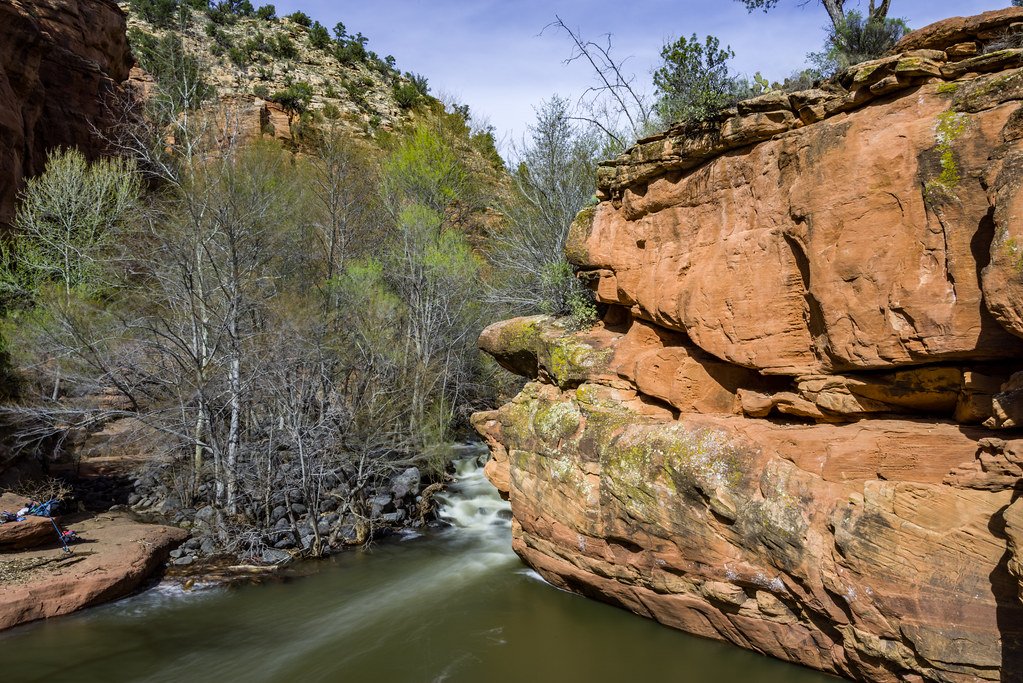
Featured photo: Coconino NF Photography via Openverse (CC0).