On this page
How much spending money to bring on vacation depends on where you are going, how long you will stay and what you plan to do, so there is no single right number. The reliable way to decide is to estimate a daily amount for food, local transport, activities and extras, multiply it by your number of days, then add a buffer for surprises.
This guide shows you how to build that estimate step by step, what to include, how destination and travel style change the total, and how to split your money between cards and cash. Spending money here means what you spend once you arrive, not flights or accommodation you have already paid for.
Key takeaways
- Spending money covers daily costs on the trip: meals, drinks, local transport, activities, tips and small purchases.
- Build a daily estimate by category, then multiply by the number of days.
- Add a buffer for unplanned costs. Many travelers add somewhere around 10 to 20 percent.
- Research real local prices for your destination rather than relying on general averages.
- Carry a mix of payment methods: a main card, a backup card and some local cash.
- Track spending during the trip so you can adjust early rather than run short at the end.
What counts as spending money on vacation?
Vacation spending money is the cash and card budget you use after you arrive: meals, snacks and drinks, local transport, entry fees and tours, tips, souvenirs and small everyday purchases. It usually excludes big costs paid in advance, such as flights, hotels and prepaid tours, which belong in your overall trip budget instead.
Keeping the two separate makes planning easier. Your full travel budget holds everything. Your spending money is the slice you will draw on day by day, so it is the part most likely to run over.
Typical spending categories include:
- Food and drink: Breakfast, lunch, dinner, coffee, snacks, bottled water and any drinks out.
- Local transport: Metro, buses, taxis, rideshares, fuel, parking, tolls and airport transfers.
- Activities: Museum and park entry, tours, rentals, lessons and event tickets.
- Tips and service charges: These vary a lot by country.
- Shopping: Souvenirs, gifts and anything you forgot to pack.
- Connectivity: A local SIM, eSIM or roaming charges, if not prepaid.
- Fees: Card foreign transaction fees, ATM fees and currency conversion costs.
How do you calculate how much spending money you need?
To calculate vacation spending money, estimate a realistic daily cost for each category at your destination, add the categories together to get a daily total, multiply by the number of days, then add one off costs and a buffer. Researching actual local prices for meals, transport and attractions is the step that makes the number trustworthy.
Follow these steps:
- List your days. Count full days on the ground, and treat arrival and departure days separately since they often cost less or more.
- Research local prices. Look up current menu prices, transit fares and attraction tickets for the places you will visit, using official attraction websites and recent listings.
- Set a daily food amount. Decide how many meals you will eat out, at what level, and what you will buy from grocery stores.
- Add daily transport. Include transit passes, rideshares or fuel, plus any parking.
- Plan activities by day. Some days are free, like a beach or hiking day, while others include paid tours.
- Add one off costs. Airport transfers, a special dinner, a day trip, a SIM card, souvenirs.
- Multiply and total. Daily total times days, plus one off costs.
- Add a buffer. Put a percentage on top for the unexpected.
A simple worked example
The figures below are illustrative placeholders, not real prices for any destination. Replace them with prices you research for your own trip.
| Category | Per day (example) | Days | Total (example) |
|---|---|---|---|
| Food and drink | 60 | 7 | 420 |
| Local transport | 15 | 7 | 105 |
| Activities | 30 | 7 | 210 |
| Tips and small extras | 10 | 7 | 70 |
| One off costs (transfers, day trip, gifts) | 150 | ||
| Subtotal | 955 | ||
| Buffer at 15 percent | about 143 | ||
| Spending money total | about 1,098 |
The method is what matters. Once you plug in real local costs, the total reflects your trip rather than a guess.
Tip: Price out one ordinary day in detail, from breakfast to the ride back to your room. That single realistic day is usually a better guide than any general average you find online.
How much of a buffer should you add?
A spending money buffer is an extra amount on top of your planned total that covers unexpected costs, such as a missed connection, a taxi in the rain, a pharmacy visit or a price that was higher than you expected. Many travelers add roughly 10 to 20 percent, and more for long, remote or unfamiliar trips.
Consider a larger buffer when:
- You are visiting a destination for the first time and do not know local prices well.
- The trip is long, so small surprises add up.
- You are traveling with children or in a group, where plans change more often.
- You will be somewhere remote where alternatives are limited and costlier.
- Exchange rates are moving, which can change what your money is worth.
Keep the buffer separate in your head, or even on a separate card, so it does not become everyday spending. Also keep a true emergency option, such as a credit card with available credit, for larger problems like a cancelled flight or an urgent medical bill. Travel insurance may help with some of these costs, depending on the policy.
What changes how much spending money you need?
The biggest factors in vacation spending money are the local cost of living at your destination, your travel style, the length of the trip, how many meals you eat out and how many paid activities you plan. Group size, exchange rates and the season also matter, since peak periods tend to raise prices for tours, transport and dining.
| Factor | Pushes spending up | Keeps spending down |
|---|---|---|
| Destination | Major cities, resort areas, high cost countries | Smaller towns, lower cost regions |
| Travel style | Restaurants, taxis, guided tours | Markets, public transit, free sights |
| Season | Peak holidays and events | Shoulder and off season |
| Accommodation type | Hotel without a kitchen | Rental or hostel with a kitchen |
| Trip pace | Many paid activities each day | Mix of paid and free days |
| Group | Separate rooms and taxis | Shared meals and rides |
Costs you have not thought about tend to cause the biggest surprises. Our guide to hidden travel costs to plan for lists the common ones, such as resort fees, baggage charges and tourist taxes, so you can include them from the start.
How should you split spending money between cards and cash?
For most trips, the safest way to carry spending money is a mix: one main card with low or no foreign transaction fees, a backup card kept separately, and a modest amount of local cash for small purchases, tips and places that do not take cards. How much cash you need depends heavily on the destination.
Practical guidelines:
- Use a card for most purchases where cards are widely accepted. It is safer than carrying large amounts of cash and gives you a record.
- Carry a backup card in a different bag or pocket in case the main one is lost, stolen or blocked.
- Bring some cash for markets, small cafes, taxis, tips and rural areas. Some places are still largely cash based.
- Avoid airport exchange counters where possible, since rates are often poor. A bank ATM in arrivals is often better, but check your bank’s fees.
- Pay in the local currency when a card machine offers to charge you in your home currency. The conversion rate offered is often worse.
- Tell your bank you are traveling if it asks for travel notices, so your card is not blocked.
If you are traveling internationally, checking card fees before you go can save real money over a week or two. Exchange rates and bank fees change, so confirm the details with your own bank or card provider.
How can you keep spending money under control on the trip?
The easiest way to keep vacation spending under control is to set a daily limit, track what you spend each evening and adjust the next day if you are over. Small daily corrections are far easier than discovering on the last day that you have overspent. A notes app or a simple spreadsheet works fine.
Habits that help:
- Decide your daily number before you leave and write it down.
- Check your total each evening, including card transactions.
- Balance big days with light days. A costly tour day can be followed by a free beach or hiking day.
- Eat one meal a day more simply, such as a picnic lunch from a grocery store.
- Use public transport where it is safe and practical.
- Plan souvenir shopping for the end of the trip, once you know what is left.
For more ways to stretch your money, see our guide on how to travel on a budget. Saving on the fixed costs before you leave also frees up more for the fun part, and our tips on how to find cheap flights are a good place to start.
Tip: Keep a small amount of cash and one card on you each day, and leave the backup card and extra cash locked in your accommodation. If you lose your wallet, you lose one day of money, not the whole trip.
How does spending money differ by type of trip?
Spending money varies a lot by trip type. City breaks often have higher food, transport and attraction costs, beach and resort stays can be cheaper day to day unless dining and activities are extra, road trips shift spending toward fuel and parking, and outdoor trips can be low cost if you camp and cook.
- City break: Budget for restaurants, transit passes and attraction tickets. Many cities offer free museums or walking routes that help balance costs.
- Beach or resort vacation: Check what is included. All inclusive packages reduce daily spending, while resort fees and paid excursions can add to it.
- Road trip: Fuel, parking, tolls and snacks are the main items, plus meals on the road.
- Outdoor and national park trip: Entry or permit fees, campsite fees, groceries and fuel. Daily costs can be modest if you cook your own food.
- Multi destination trip: Transfers between places add up, so price each leg.
What are common spending money mistakes?
Common vacation spending money mistakes include using averages instead of researching local prices, forgetting fees and tips, carrying all your money in one place, relying only on cash or only on one card, and skipping a buffer. Each one is easy to avoid with a little planning before you leave home.
| Mistake | What goes wrong | Fix |
|---|---|---|
| Using a generic daily average | Real costs differ by city and style | Price out a real day |
| Forgetting fees | Card and ATM charges add up | Check your card terms first |
| Ignoring tipping customs | Surprise costs at every meal | Read up on local tipping |
| One payment method only | Lost card leaves you stuck | Carry a backup card and cash |
| No buffer | Small surprises wreck the budget | Add a percentage on top |
| Not tracking spending | Overspend found too late | Check totals each evening |
| Exchanging cash at the airport | Poor rates | Use a bank ATM or plan ahead |
When you are ready to put your spending money into the bigger picture, our guide on how to plan a trip step by step shows where budgeting fits among booking, packing and documents.
Frequently asked questions
How much spending money should I bring for a week?
There is no universal amount for a week. Estimate a realistic daily cost for food, local transport, activities and extras at your destination, multiply it by seven, add one off costs such as transfers or a day trip, then add a buffer. Researching real local prices gives you a far more reliable number than an average.
How much cash should I take on vacation?
Bring enough local cash for small purchases, tips, transport and places that do not take cards for your first day or two, then use ATMs or cards as needed. Destinations differ a lot, so check how widely cards are accepted where you are going and carry more cash where card use is limited.
Should spending money include food?
Yes, unless your meals are already paid for. Food and drink is usually one of the largest parts of vacation spending money. If you have an all inclusive package or a rental with a kitchen, your food budget may be smaller, but still allow for snacks, drinks, coffee and the occasional meal out.
What is a good buffer for vacation spending money?
Many travelers add roughly 10 to 20 percent on top of their planned spending to cover surprises such as extra taxis, higher prices or a pharmacy visit. Consider a larger buffer for long trips, unfamiliar destinations, group travel or remote areas, and keep a credit card available for true emergencies.
Is it better to use a card or cash abroad?
A mix works best for most trips. Cards are safer for larger purchases and leave a record, especially one with low foreign transaction fees. Cash is still useful for small vendors, tips and places that do not accept cards. Carry a backup card separately and always choose to pay in the local currency.
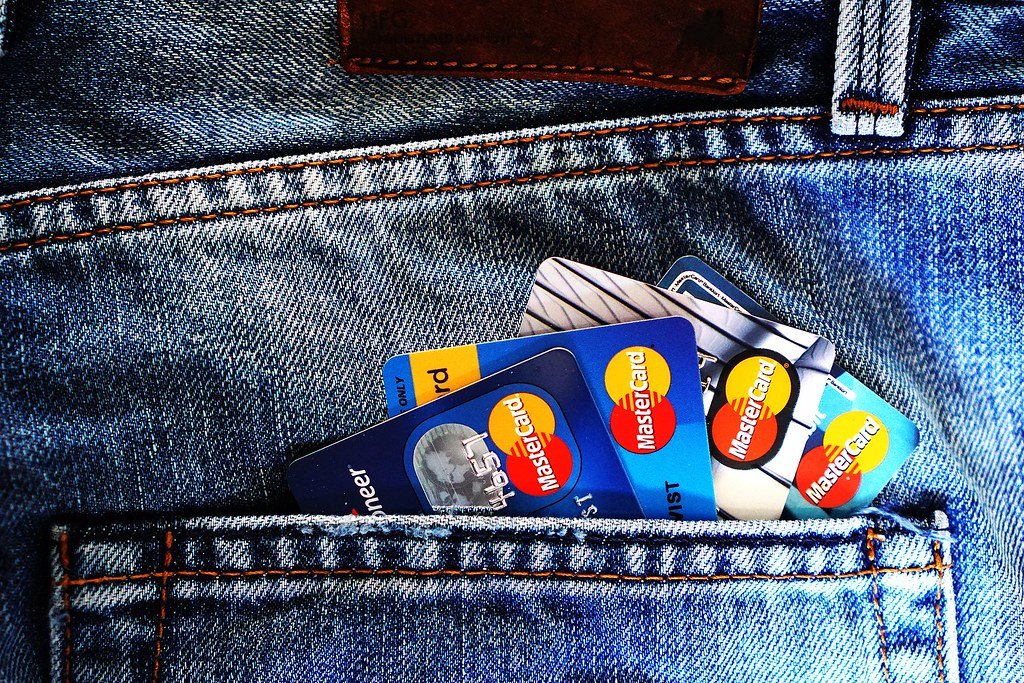
Featured photo: Wallboat via Openverse (CC0).