On this page
Hiking for beginners comes down to three things: pick a short, well-marked trail that fits your current fitness, carry a small set of essentials, and tell someone where you are going. You do not need expensive gear or a mountain. You need a plan, good habits and a willingness to turn around early.
This guide walks you through every stage of your first hikes, from choosing a trail and packing a daypack to pacing yourself, staying safe and building up to longer days. Use it as your starting point, then follow the linked guides when you want more detail on a single topic.
Key takeaways
- Start with a trail of 2 to 5 miles with modest elevation gain, and plan to finish well before dark.
- Carry water, snacks, a map, a light layer, a small first aid kit and a charged phone on every hike.
- Wear comfortable, broken-in footwear with good grip. Trail shoes are fine for most easy trails.
- Check the weather and trail conditions the day before and again on the morning of your hike.
- Leave your plan with a friend, including your trail, start time and expected return time.
- Turning back early is a normal, smart decision, not a failure.
What is the best way to start hiking as a beginner?
The best way to start hiking as a beginner is to choose a short, popular, well-marked trail close to home, go in good weather with a friend, and treat the first outing as practice. Focus on learning your pace, testing your footwear and noticing what you wish you had packed, rather than reaching a big summit.
A first hike should feel a little easier than you think you can handle. That leaves room for wrong turns, slow sections and photo stops. Many beginners do well on a loop or out-and-back trail of 2 to 4 miles with a clear path and signs at junctions.
Here is a simple way to plan your first outing:
- Pick a local park, nature preserve or state park with marked trails.
- Choose one trail and read its description, length and elevation gain.
- Check the forecast and any trail alerts from the land manager.
- Pack your daypack the night before using a checklist.
- Text your plan to someone who is not coming with you.
- Start early in the day so you are never racing the sunset.
If you want a ready-made list to print, use our first day hike checklist and tick items off as you pack.
Tip: Hike your first trail on a weekday morning if you can. Parking is easier, the trail is quieter and you can go at your own pace without feeling rushed.
How do you choose a beginner-friendly hiking trail?
A beginner-friendly hiking trail is short, well marked, and has modest elevation gain, ideally with clear signs at every junction and a reliable path underfoot. Look at three numbers before you go: total distance, total elevation gain and estimated time. Then read recent trip reports for mud, closures or confusing sections.
Distance alone can mislead you. A flat 5 mile path along a river may feel easier than a 2 mile trail that climbs steadily the whole way. Elevation gain tells you how much climbing you will do, and it is often the bigger factor in how tired you feel.
| Trail feature | Good for a first hike | Wait until you have more experience |
|---|---|---|
| Distance | 2 to 5 miles total | 8 miles or more |
| Elevation gain | Under about 500 to 800 feet | Over 1,500 feet |
| Trail type | Loop or out-and-back, well signed | Unmarked routes or scrambles |
| Surface | Packed dirt, gravel, boardwalk | Loose rock, steep scree |
| Remoteness | Near a road, with phone signal | Far from help, no signal |
Our guide on how to choose a hiking trail for your level goes deeper into ratings, trail apps and how to judge whether a route is right for you.
Where can you find trails near you?
Good starting points include your state or national park websites, county park pages, local hiking clubs and well-known trail apps. Ranger stations and visitor centers are also excellent sources. Staff can tell you which trails are muddy, busy or closed, which no app can always guarantee.
How long should your first hike be?
Your first hike should usually be between 2 and 5 miles and take roughly one to three hours, depending on terrain and stops. Pick a distance you could finish comfortably, then add extra time for breaks. It is far better to finish feeling good and wanting more than to end the day exhausted.
A common rule of thumb is that many beginners walk about 2 miles per hour on flat, easy trails. Hills slow everyone down. A widely used planning method, often called Naismith’s rule, adds about an hour for every 2,000 feet of climbing. Treat any formula as a starting estimate, not a promise.
To build a realistic time plan:
- Divide the trail distance by your expected pace.
- Add time for elevation gain on the way up.
- Add 10 to 15 minutes for every hour of hiking for breaks and photos.
- Set a firm turnaround time and stick to it.
For worked examples and pace ranges for different terrain, see how long does it take to hike a mile.
What should you wear for your first hike?
For your first hike, wear moisture-wicking layers, comfortable broken-in footwear with good grip, and socks made of wool or synthetic fabric. Avoid cotton next to your skin, since it holds sweat and dries slowly. Bring one extra warm layer and a rain shell, even if the morning looks clear.
Clothing for hiking follows a simple layering idea. A base layer moves sweat away from your skin, a mid layer keeps you warm, and an outer shell blocks wind and rain. On a warm day you may only wear the base layer and carry the rest.
- Top: a synthetic or wool T-shirt or long sleeve shirt.
- Bottoms: hiking pants, shorts or leggings that let you move freely.
- Socks: wool or synthetic, with no seams that rub.
- Warm layer: a fleece or light insulated jacket.
- Shell: a rain jacket that also blocks wind.
- Sun protection: a hat, sunglasses and sunscreen.
Do you need hiking boots to start?
You do not need hiking boots for most easy, dry, well-maintained trails. Trail running shoes or sturdy sneakers with good tread are fine for many beginners. Boots offer more ankle support and protection on rough, rocky or wet ground and with heavier loads. Our comparison of hiking boots vs. trail shoes explains the trade-offs.
Whatever you wear, break it in first. Walk around your neighborhood in new shoes for several days before taking them on a trail. Blisters are one of the most common reasons first hikes end early.
What should you pack in a beginner hiking daypack?
A beginner hiking daypack should hold water, snacks, navigation, a warm layer, rain protection, a small first aid kit, sun protection, a headlamp and a charged phone. These items cover the most likely problems on a day hike: thirst, hunger, getting turned around, cold, minor injuries and an unexpected delay past sunset.
Many hikers build their list around the Ten Essentials, a long-standing safety framework used by outdoor groups and recommended by the National Park Service. The list groups gear by purpose so you can scale it to the trip.
| Category | What it covers | Beginner example |
|---|---|---|
| Navigation | Knowing where you are | Paper map, phone app, compass |
| Hydration | Staying hydrated | Water bottles or a reservoir |
| Nutrition | Energy | Trail mix, bars, fruit |
| Insulation | Warmth | Fleece or light jacket |
| Rain protection | Staying dry | Rain jacket |
| Illumination | Seeing after dark | Headlamp with fresh batteries |
| First aid | Minor injuries | Blister care, bandages, tape |
| Sun protection | Sunburn and glare | Hat, sunscreen, sunglasses |
| Tools | Small repairs | Small knife or multi-tool |
| Emergency shelter | Unplanned stops | Emergency blanket |
How much water should you bring?
How much water you need depends on heat, effort, your body and the length of the hike. A common starting point is about half a liter per hour of moderate hiking, with more in hot weather or on steep climbs. Drink before you feel very thirsty, and carry a little extra so you never run out.
How do you stay safe on a beginner hike?
Staying safe on a beginner hike means planning ahead, telling someone your route, watching the weather, staying on marked trails and turning back when conditions or energy change. Most problems on day hikes come from small issues that grow, like getting lost, running late or getting cold, so early decisions matter most.
Follow these safety habits on every hike:
- Share your trail, start time and expected return with someone at home.
- Check the forecast with the National Weather Service before you leave.
- Stay on the marked trail and note junction names and signs.
- Set a turnaround time and turn back when you reach it.
- Keep your phone charged and in a pocket you can reach.
- Head back early if you see storms building, feel unwell or the trail gets confusing.
What should you do if you get lost?
If you get lost, stop, stay calm and avoid wandering further. Many outdoor educators teach the STOP approach: Stop, Think, Observe and Plan. Look at your map, retrace your steps if the path is clear, and call for help if you cannot find your way. In the US, Canada and the UK, call the national emergency number.
Learning to use a map before you need it makes this much less stressful. Our guide on how to read a trail map covers symbols, contour lines and how to match the map to what you see around you.
Tip: Take a photo of the trailhead map with your phone before you start. It works even when you lose signal and helps you check junctions on the way.
How do you pace yourself on a hike?
Pacing yourself on a hike means walking at a speed where you can still talk in full sentences, taking short regular breaks, and slowing down on climbs instead of stopping often. A steady, comfortable pace uses less energy than rushing and then resting. Beginners who start slowly usually finish stronger.
Try these pacing techniques:
- Take shorter steps on uphill sections and keep a steady rhythm.
- Rest briefly every 45 to 60 minutes to eat a snack and drink water.
- Use the “talk test”: if you cannot speak a sentence, slow down.
- On descents, bend your knees slightly and step carefully to protect your joints.
- Let faster hikers pass rather than speeding up to keep up.
Trekking poles help many people on hills and uneven ground. They take some strain off your knees on the way down and add balance on rocky or muddy sections.
What trail etiquette should beginners know?
Trail etiquette for beginners covers who yields to whom, how to share narrow paths, how to manage noise and how to leave no trace. The basic idea is simple: be courteous, stay on the trail, pack out everything you bring and respect wildlife and other visitors so everyone can enjoy the same place.
Common rules on many trails in the US and Canada:
- Hikers going uphill usually have the right of way on narrow sections.
- Cyclists generally yield to hikers, and everyone yields to horses.
- Step to the side when you stop so others can pass.
- Keep music off speakers and keep voices low.
- Keep dogs leashed where required and pack out pet waste.
- Pack out all trash, including food scraps and wrappers.
The Leave No Trace principles, published by the Leave No Trace Center for Outdoor Ethics, offer a clear framework for low-impact hiking. UK readers will find similar guidance in the Countryside Code on gov.uk.
What are the most common beginner hiking mistakes?
The most common beginner hiking mistakes are choosing a trail that is too long or steep, starting too late, wearing new or unsuitable shoes, carrying too little water and skipping the weather check. Almost all of them are easy to avoid with a little planning and a realistic view of your current fitness.
| Mistake | Why it causes trouble | Easy fix |
|---|---|---|
| Trail too long or steep | Fatigue, late finish | Start with 2 to 5 miles |
| Starting late | Racing darkness | Start in the morning |
| New shoes | Blisters | Break shoes in first |
| Too little water | Dehydration, headaches | Carry extra water |
| Cotton clothing | Chills when wet | Wear wool or synthetics |
| No map | Getting turned around | Carry a map and photo |
| Ignoring weather | Storms, cold, heat | Check forecasts twice |
Another mistake is pushing on because you have “come this far.” The trail will still be there next weekend. Turning back is one of the best skills any hiker can learn.
How do you build up to longer hikes?
You build up to longer hikes by increasing one thing at a time, either distance or elevation gain, over several outings. Add roughly a mile or a few hundred feet of climbing at a time, hike regularly, and pay attention to how your feet, knees and energy feel the next day before stepping up again.
A simple progression might look like this:
- Hike a flat 2 to 3 mile trail a few times until it feels easy.
- Try a similar distance with a few hundred feet of climbing.
- Add a mile and keep the climbing about the same.
- Try a half-day hike with a longer climb and a proper lunch break.
- Practice carrying a slightly heavier pack with extra water and layers.
Walking, stair climbing and light strength work during the week help a lot. So do simple stretches for your calves, hips and hamstrings after each hike.
If you have a health condition or have not been active for a while, talk with your doctor before starting a new exercise routine like hiking.
What should you do after your hike?
After your hike, drink water, eat a snack, stretch gently, check yourself for ticks if you hiked through grass or brush, and let your contact know you are back. Then take a moment to note what worked and what you would change, so every hike makes the next one easier and safer.
A short post-hike routine:
- Text your contact that you finished.
- Check your skin, clothes and pets for ticks, especially in warm months.
- Treat any hot spots or blisters right away.
- Dry out your shoes and wash your socks.
- Restock snacks and first aid items so your pack is ready next time.
- Write down the trail name, time taken and how you felt.
That short note becomes your own record of progress. Over a few months you will see your pace and confidence grow. When you are ready for your next outing, start with the first day hike checklist and pick a slightly longer trail.
More beginner hiking guides
Frequently asked questions
How fit do you need to be to start hiking?
You do not need to be very fit to start hiking. If you can walk comfortably for 30 to 60 minutes on flat ground, you can likely handle a short, easy trail. Choose a route with little climbing, go slowly, take breaks and build up gradually as your stamina improves over several weeks.
Is it safe to hike alone as a beginner?
Hiking alone as a beginner can be reasonably safe on popular, well-marked trails in good weather, but going with a friend is safer for your first outings. If you hike alone, share a detailed plan, carry a charged phone and a map, stay on the trail and turn back early if anything feels wrong.
What is the best time of day to go hiking?
Morning is usually the best time to go hiking, especially for beginners. Trails are often quieter, temperatures are cooler in summer and you have plenty of daylight left if you hike slowly or take a wrong turn. In many mountain areas, afternoon thunderstorms are also common in summer, so early starts help.
What should you eat before and during a hike?
Eat a balanced meal with some carbohydrates and protein a couple of hours before you start, such as oatmeal, eggs or a sandwich. During the hike, snack every hour or so on easy foods like trail mix, bars, fruit or crackers. Small, regular snacks keep your energy steady better than one large meal.
How do you know if a hike is too hard for you?
A hike is probably too hard if the elevation gain is far beyond anything you have done, the estimated time is more than you can comfortably walk, or trip reports mention scrambling or exposure. On the trail, warning signs include being unable to talk, dizziness or pain. Slow down or turn back.
Sources and further reading
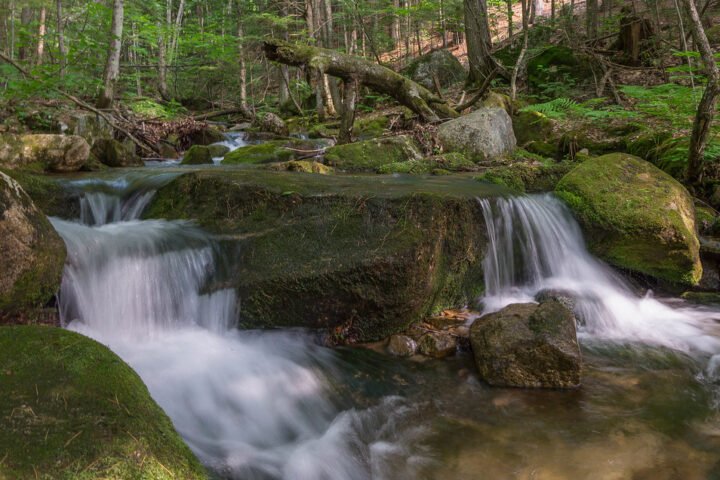
Featured photo: cclogg via Openverse (CC0).