On this page
To avoid foreign transaction fees, use a credit or debit card that does not charge them, always choose to pay in the local currency, and limit ATM withdrawals to fewer, planned visits at bank-owned machines. Before you travel, read your card’s fee terms, so you know exactly what each purchase and cash withdrawal abroad will cost.
Foreign transaction fees are small on each purchase, but they add up over a trip, and they often come with other charges like poor exchange rates or ATM fees. This explainer shows what these fees are, where they hide and the practical steps that keep more of your travel money for the trip itself.
Key takeaways
- A foreign transaction fee is a percentage your card issuer may charge on purchases processed in another currency or by a merchant based abroad.
- The simplest fix is a card with no foreign transaction fee. Check your current cards first, since you may already have one.
- Always choose to pay in the local currency when a card machine or ATM offers to convert to your home currency.
- ATM withdrawals can carry several separate costs, so withdraw larger amounts less often and use bank-owned machines.
- Read the fee section of your card agreement before you leave, and keep a backup card from a different account.
What is a foreign transaction fee?
A foreign transaction fee is a charge your bank or card issuer adds when you make a purchase in a foreign currency or with a merchant processed outside your home country. It is usually a percentage of each transaction and appears on your statement as a separate line or built into the amount. Not every card charges it.
The fee can show up even when you never leave home. If you book a hotel, tour or rail pass online with a company that processes payments abroad, your card may treat it as a foreign transaction. The fee may also be charged when a purchase is in your own currency but processed by a foreign bank.
Card fees are only one part of the cost of paying abroad. Here is how the common charges compare:
| Charge | Who sets it | When it applies |
|---|---|---|
| Foreign transaction fee | Your card issuer | Purchases in a foreign currency or processed abroad |
| Exchange rate markup | Card network, bank or merchant | Built into the rate used to convert the price |
| Dynamic currency conversion | Merchant or ATM operator | When you agree to pay in your home currency abroad |
| ATM operator fee | The ATM owner | Each withdrawal at that machine |
| Out-of-network ATM fee | Your bank | Using an ATM outside its network |
| Cash advance fee and interest | Your credit card issuer | Withdrawing cash with a credit card |
Names differ by country. UK banks often call it a non-sterling transaction fee, Canadian issuers may call it a foreign currency conversion fee, and Australian banks often use the term international transaction fee. The idea is the same.
How much are foreign transaction fees?
Foreign transaction fees are typically a small percentage of each purchase, often in the range of about 1 to 3 percent, depending on the card and issuer. The exact rate is listed in your card agreement or fee schedule. Because it applies to every purchase, the total can be noticeable over a trip where most spending happens on a card.
To see what you would pay:
- Find the fee section of your card agreement or your bank’s fee schedule online.
- Look for terms such as foreign transaction fee, non-sterling fee or international transaction fee.
- Note whether the fee applies to purchases, ATM withdrawals or both.
- Estimate how much you expect to spend on the card during the trip.
- Multiply that total by the fee percentage to get a rough cost.
This rough number helps you decide whether it is worth getting a different card or adjusting how you pay. Add it to your trip plan alongside other costs, as explained in our guide on how to create a travel budget.
Which cards do not charge foreign transaction fees?
Many credit cards, especially travel-focused cards, and some debit cards and bank accounts do not charge foreign transaction fees. The card’s terms or the issuer’s website will say so clearly. Check the cards you already have first, since you may not need a new one, then compare options carefully before applying for anything.
When comparing cards, look beyond the headline:
- Foreign transaction fee: Confirm it is zero for purchases.
- ATM fees: For debit cards, check what the bank charges for foreign ATM withdrawals and whether it refunds operator fees.
- Annual fee: Some cards without foreign fees have an annual fee. Weigh it against what you would save.
- Card network acceptance: Some networks are more widely accepted than others in certain countries. Carry cards on more than one network if you can.
- Chip and contactless support: Most countries expect chip or tap payments, and some machines may ask for a PIN.
This is general information, not personal financial advice. Card features, fees and approval terms vary, so read the full terms and consider whether a new card suits your overall finances before applying.
Tip: Carry two cards from different banks and, if possible, different card networks. If one is blocked, lost or declined, the other keeps you moving.
Why should you always pay in the local currency?
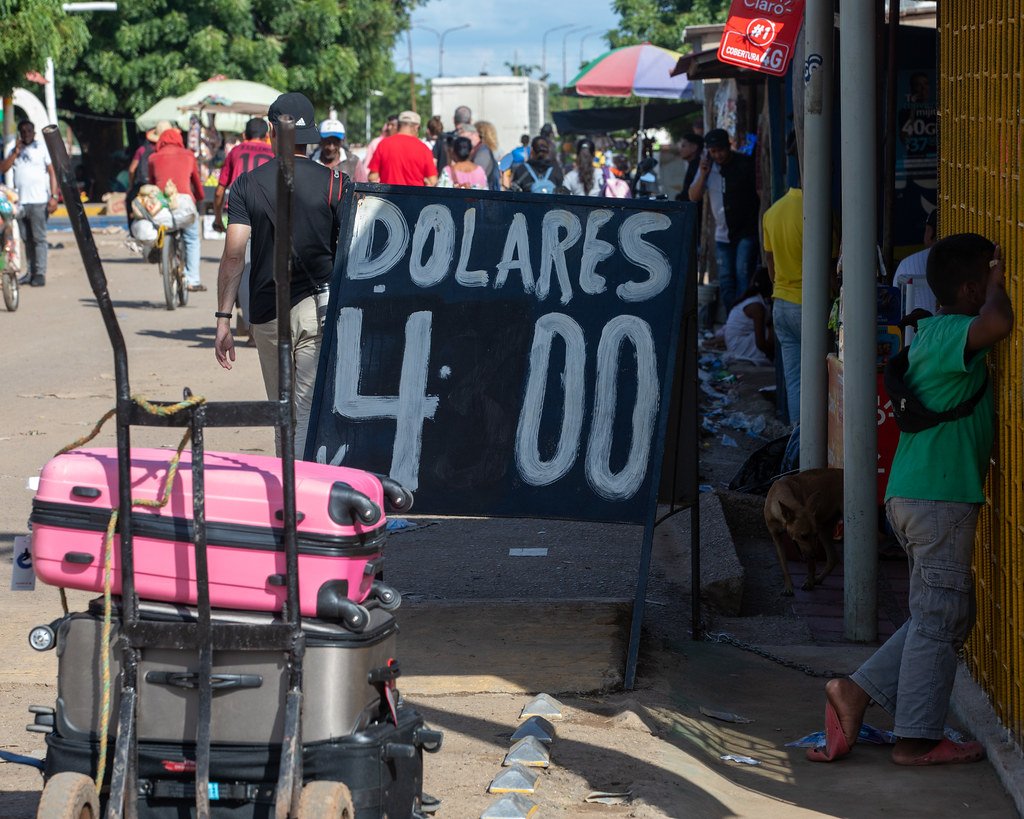
You should always pay in the local currency because the alternative, called dynamic currency conversion, lets the merchant or ATM operator set the exchange rate. That rate often includes a markup that costs more than your own card’s conversion. Choosing local currency lets your card network handle the conversion instead, which is usually the cheaper option.
Dynamic currency conversion appears in several places:
- Card machines in shops, restaurants and hotels that ask whether you want to pay in your home currency.
- ATMs that offer to show or charge the withdrawal in your home currency.
- Online checkout pages that show prices converted to your currency.
- Hotel and car rental checkouts where staff may convert the bill automatically.
Here is what to do each time:
- Read the screen carefully before you confirm a card payment or ATM withdrawal.
- Choose the option in the local currency, even if the home currency looks familiar.
- Decline any offer to “lock in” a rate or “pay in your currency.”
- Check receipts. If the amount was converted without your agreement, ask for the charge to be redone in local currency.
- Report repeated problems to your card issuer when you get home.
Paying in your home currency does not protect you from your card’s own foreign transaction fee in every case, so it rarely saves money. Local currency plus a no-fee card is generally the lowest-cost combination.
How do you avoid ATM fees abroad?
Avoid ATM fees abroad by using a debit card with low or no foreign ATM charges, choosing machines owned by banks rather than standalone machines, withdrawing larger amounts less often, and always declining currency conversion. Avoid using a credit card at an ATM, because cash advances usually carry fees and interest from the day of withdrawal.
Typical ATM costs can stack up from several sources at once:
- An operator fee charged by the machine owner.
- An out-of-network fee from your own bank.
- A foreign transaction fee on the withdrawal amount.
- A poor exchange rate if you accept dynamic currency conversion.
Practical steps that reduce these:
- Check whether your bank has partner banks in the country you are visiting.
- Use ATMs inside or attached to bank branches, which tend to be more secure and often cheaper.
- Plan fewer, larger withdrawals rather than many small ones, while keeping the cash you carry reasonable.
- Choose the option to withdraw in local currency when the screen asks.
- Keep receipts so you can check charges against your statement.
Think about safety too. Withdraw during the day in busy places, shield your PIN, and split cash between more than one pocket or bag. If you are not sure how much cash you will need, our guide on how much spending money to bring on vacation explains how to estimate it.
Should you exchange currency before you travel?
You generally do not need to exchange a large amount of currency before you travel. Bringing a small amount for arrival costs can help, but airport and hotel exchange desks often offer weaker rates. In most destinations, paying by card and withdrawing cash from a bank ATM costs less than exchanging large sums in advance.
Here is how the main options compare:
| Option | Convenience | Typical cost level | Best use |
|---|---|---|---|
| Card with no foreign transaction fee | High | Low | Most purchases |
| Bank ATM with low-fee debit card | High | Low to moderate | Cash for markets, tips, small shops |
| Exchange at home bank before travel | Moderate | Moderate | Small arrival amount |
| Airport or hotel exchange desk | High | Often high | Emergencies only |
| Prepaid travel money card | Moderate | Varies | Budget control, backup |
Some places are more cash-based than others, and some small businesses only take cash. Research how people usually pay at your destination before you go. Our guide on how to research a destination before traveling covers what to check.
Do multi-currency accounts and travel cards help?
Multi-currency accounts and prepaid travel cards can help you avoid some foreign transaction fees by letting you hold or convert money into other currencies before you spend it. They can also work as a budgeting tool or backup card. Their fees vary widely, so check conversion rates, loading fees, ATM charges and inactivity fees before relying on one.
Questions to ask before you sign up:
- What exchange rate is used when you convert, and is there a markup?
- Are there fees to load money, hold balances or withdraw cash?
- Which currencies can you hold, and what happens if you spend in another one?
- How quickly can you freeze the card if it is lost?
- Is the account protected in the same way as a regular bank account in your country?
These products can suit travelers who want to set a fixed budget for each part of a trip. Pair them with a regular card for larger payments such as hotel deposits.
What else should you do before you travel?
Before you travel, check every card’s fee terms, update your contact details with each bank, review whether your bank asks you to share travel plans, save international customer service numbers and set up app alerts. These steps reduce the chance of a blocked card and help you spot unexpected fees early while you are still away.
Use this short pre-trip checklist:
- Read the fee terms for every card you plan to bring.
- Make sure your bank has your current phone number and email.
- Check whether your bank wants travel notices, or whether it uses other fraud checks.
- Turn on purchase alerts in your banking apps.
- Save your bank’s international phone numbers somewhere other than your phone.
- Pack a backup card in a separate place from your main wallet.
Money is one part of trip preparation. If you are working through the full list of tasks, our guide on how to plan a trip step by step shows where these checks fit.
Common mistakes with foreign transaction fees
The most common mistakes are paying in your home currency when asked, using a credit card at an ATM, forgetting that online bookings with foreign companies can trigger fees, and bringing only one card. Each one can add costs you did not plan for or leave you stuck if a card does not work.
Watch for these:
- Accepting conversion at the terminal: It usually costs more than paying in local currency.
- Cash advances on credit cards: Fees and interest can apply immediately.
- Many small ATM withdrawals: Each one may carry a flat fee.
- Ignoring online bookings: Paying a foreign tour operator from home can still trigger a fee.
- Exchanging large amounts at the airport: Rates are often weaker.
- Not checking statements: Mistakes and fraud are easier to resolve when you catch them early.
Fees are one of several costs that catch travelers out. Our guide to hidden travel costs to plan for covers others, such as resort fees and baggage charges. For ways to lower your biggest expense, see how to save money on accommodation.
Frequently asked questions
Do debit cards charge foreign transaction fees?
Many debit cards charge foreign transaction fees on purchases abroad, and some also charge for foreign ATM withdrawals. Some banks offer debit cards or accounts without these fees, or refund certain ATM charges. Check your bank’s fee schedule, and look separately at purchase fees and ATM fees, since they are often listed in different places.
Do you pay foreign transaction fees on online purchases?
You may pay a foreign transaction fee on an online purchase if the merchant processes the payment outside your home country or charges in another currency. This can happen even when you are at home. Check the currency at checkout and your card’s terms, and look for the fee on your statement afterward.
Is it better to pay in dollars or local currency abroad?
It is usually better to pay in local currency. If you choose dollars or your home currency, the merchant or ATM operator sets the exchange rate through dynamic currency conversion, which often includes a markup. Paying in local currency lets your card network convert the amount, and a no-fee card avoids the extra percentage.
Can you get a foreign transaction fee refunded?
Some issuers may refund a fee as a courtesy, especially if it was charged by mistake or you are a long-standing customer, but this is not guaranteed. Contact your card issuer, explain the charge and ask. If a merchant converted a payment without your agreement, raise that with the merchant and your issuer as well.
Sources and further reading
- Consumer Financial Protection Bureau
- U.S. Department of State travel information
- UK Financial Conduct Authority
Featured photo: Mussi Katz via Openverse (CC0).