On this page
The best ways to save money on food while traveling are to book a stay with a kitchen or free breakfast, shop at grocery stores and markets, make lunch your main meal out, carry snacks and a water bottle, and eat where locals eat rather than next to the big sights. Small daily choices add up quickly over a trip.
Below are practical tips grouped by where the savings come from: where you stay, how you shop, how you eat out, what you carry and how you pay. None of them mean skipping good food. The goal is to spend less on routine meals so you can enjoy the ones that matter most.
Key takeaways
- A kitchen or included breakfast is often the single biggest food saving on a trip.
- Grocery stores, markets and bakeries are cheaper than restaurants for breakfast, snacks and picnic lunches.
- In many places, lunch menus and set meals cost less than the same food at dinner.
- Eating a few streets away from major attractions usually means better value.
- A refillable water bottle and a bag of snacks prevent expensive impulse buys.
- Watch card fees, service charges and tipping customs, which can quietly raise the cost of every meal.
Why does food cost so much on a trip?
Food costs add up on a trip because you are often eating three meals a day plus snacks and drinks out, usually in tourist areas where prices are higher, and without the shortcuts you have at home like leftovers or a stocked fridge. Planning a few meals and snacks ahead is the simplest way to bring those costs down.
Food is also one of the most flexible parts of a travel budget. Flights and accommodation are mostly fixed once booked, but what you spend on meals is decided day by day. That makes it one of the easiest places to save without changing the trip itself.
| Where the money goes | Why it adds up | Easiest saving |
|---|---|---|
| Breakfast out | Cafe prices for a simple meal | Included breakfast or groceries |
| Drinks and bottled water | Bought several times a day | Refillable bottle |
| Snacks between sights | Kiosk and attraction prices | Carry your own |
| Dinner in tourist areas | Location premium | Walk a few streets away |
| Fees and service charges | Added to the bill | Know local customs and card fees |
How can where you stay help you save on food?
Where you stay can cut your food costs more than any other single choice. A room or rental with a kitchen, or even a fridge and kettle, lets you make breakfast and simple dinners. Hotels and hostels with free breakfast cover one meal a day. Staying near grocery stores and local neighborhoods also helps.
1. Book a place with a kitchen
A vacation rental, apartment hotel or hostel with a shared kitchen lets you cook some meals. Even making breakfast and one simple dinner every couple of days can make a real difference over a week. Our guide on how to save money on accommodation explains how to find good value stays with these features.
2. Choose stays with free breakfast
An included breakfast covers a meal you would otherwise buy. Compare the total cost, though. A slightly cheaper room without breakfast is not a saving if you then spend more each morning at a cafe.
3. Look for a fridge and kettle
A small fridge keeps yogurt, fruit, cheese and drinks. A kettle covers coffee, tea, oatmeal and instant noodles. Neither needs a full kitchen.
4. Stay near a grocery store
Check the map before booking. A supermarket or market within walking distance makes it easy to stock up on breakfast items, snacks and water.
Tip: On your first evening, do a quick grocery run for breakfast, fruit, snacks and water. It sets up the next few days and saves you from paying hotel or airport prices when you are tired and hungry.
How can grocery shopping and markets cut food costs?
Grocery stores, supermarkets, bakeries and food markets usually offer much better value than restaurants for breakfast, snacks and lunch. Buying bread, cheese, fruit and ready to eat items for a picnic is often far cheaper than a sit down lunch, and local markets are also a great way to try regional food.
5. Make picnic lunches
A picnic in a park, on a beach or at a viewpoint can be one of the highlights of the day. Pick up bread, fillings, fruit and a drink, and you have lunch for a fraction of restaurant prices.
6. Try supermarket ready meals and deli counters
Many supermarkets sell sandwiches, salads, hot food and prepared meals. They are quick, filling and usually cheaper than cafes.
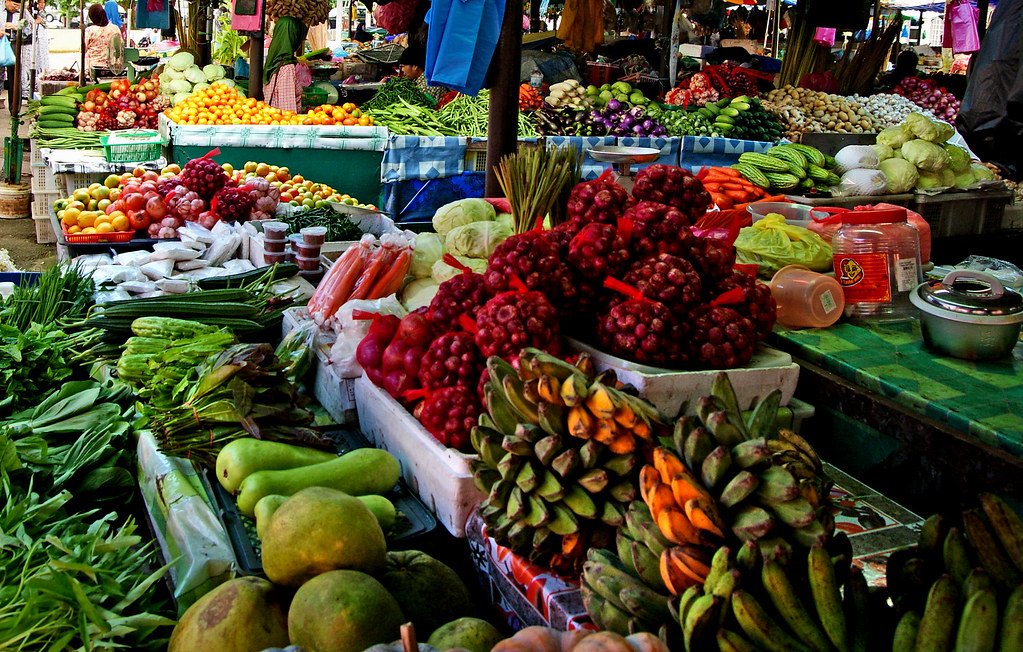
7. Visit local markets
Food markets often sell fresh produce, snacks and street food at good prices. Arrive later in the day and some vendors reduce prices on items they need to sell, though this varies by place.
8. Buy staples once
A bag of coffee, a box of tea, a jar of peanut butter or a pack of oats can cover several breakfasts. Buying once and using it every day is cheaper than paying for the same thing in a cafe each morning.
How can you eat out for less?
You can eat out for less by making lunch your main restaurant meal, choosing set menus and daily specials, eating where locals eat a few streets away from major sights, sharing dishes, skipping drinks with meals and trying street food from busy, well reviewed stalls. These habits let you enjoy local food without overspending.
9. Make lunch your main meal out
In many countries, restaurants offer lunch specials or fixed price menus that cost less than the same food at dinner. Eat your big meal at midday and have something simple in the evening.
10. Walk a few streets away from the sights
Restaurants right beside major landmarks often charge more for convenience. Walking a few minutes into a residential area usually means better value and more local food.
11. Look for set menus and daily specials
Set menus, plates of the day and early dinner deals bundle several courses at a fixed price. They are often good value compared with ordering separately.
12. Eat street food sensibly
Street food can be inexpensive and delicious. Choose busy stalls with high turnover where food is cooked fresh in front of you. If you have a sensitive stomach, start slowly.
13. Share plates and skip extras
Portions can be large. Sharing a main, ordering tapas style or skipping a starter can cut a bill noticeably. Drinks, especially alcohol and bottled water, are often where restaurants make the most money.
14. Check reviews for value, not just ratings
Read recent reviews for comments about price and portion size, and look for patterns across several reviews rather than trusting one glowing or angry post.
Tip: Ask your host, hotel staff or a shop owner where they like to eat. Locals usually know the good value places that do not appear at the top of tourist lists.
What should you carry to avoid spending on snacks and drinks?
Carry a refillable water bottle, a small bag of snacks, and a reusable bag or container for leftovers and market purchases. These simple items stop the frequent small purchases that add up over a day, such as bottled water, coffee stops and snacks bought at attractions, airports and train stations where prices tend to be higher.
15. Bring a refillable water bottle
Refill it at your accommodation, cafes and public fountains where tap water is safe to drink. Where tap water is not safe, buying large bottles from a supermarket and refilling your own bottle is usually cheaper than buying small ones throughout the day.
16. Pack snacks for travel days
Airports, train stations and highway rest stops charge premium prices. Nuts, granola bars, fruit and crackers carried from a grocery store save money and stress. Check the rules for bringing food across borders, since many countries restrict fresh produce and meat.
17. Keep a small food kit
A reusable spoon and fork, a small knife where allowed, a container and a cloth napkin make picnics and grocery meals easy. If you are camping or road tripping, our camping kitchen checklist covers a fuller cooking setup.
How can you avoid extra costs when paying for food?
Avoid extra food costs by understanding local tipping and service charge customs, using a card without foreign transaction fees, always paying in the local currency, and checking menus for cover charges or added fees. These hidden costs can raise the price of every meal and coffee, so knowing them in advance saves money each day.
18. Learn local tipping and service charges
Tipping customs vary widely. In some countries a service charge is already on the bill, in others tipping is expected, and in some it is not customary at all. Check the bill before adding a tip.
19. Use a card without foreign transaction fees
Small fees on every purchase add up when you pay for many meals and coffees by card. Our guides on how to avoid foreign transaction fees and how to pay abroad, from cards and cash to fees explain your options.
20. Pay in the local currency
When a card machine offers to charge you in your home currency, choose the local currency instead. The conversion offered at the terminal is often less favorable.
21. Watch for cover and table charges
Some restaurants add a per person cover charge, a bread charge or a higher price for table service compared with standing at the counter. Ask or check the menu if you are unsure.
How do you plan food spending before a trip?
Plan food spending before a trip by researching typical meal prices at your destination, deciding which meals you will make yourself, choosing a few special meals to splurge on and setting a daily food amount. A simple plan keeps you on track without counting every coin, and leaves room for memorable meals.
- Research the price of a simple breakfast, lunch and dinner at your destination.
- Decide which meals you will cook, buy from groceries or eat out.
- Pick one or two special meals worth spending more on.
- Set a daily food amount that includes snacks, drinks and tips.
- Check your spending each evening and adjust the next day.
Here is how a mixed approach can look across a day:
| Meal | Budget approach | When to spend more |
|---|---|---|
| Breakfast | Included breakfast or groceries | A famous local bakery or cafe |
| Lunch | Picnic or lunch special | A market food hall |
| Snacks | Carried from a grocery store | A regional specialty |
| Dinner | Simple meal or cook at your stay | A special evening out |
| Drinks | Refill water, buy drinks at stores | A view worth paying for |
For more ways to stretch your money across the whole trip, see our guide on how to travel on a budget.
What are common mistakes that waste money on food?
Common mistakes that waste money on food while traveling include eating every meal at restaurants, eating right next to major attractions, buying bottled water several times a day, arriving hungry at airports and stations, ignoring card fees and service charges, and skipping breakfast only to overspend later. Most are easy to fix with a little planning.
| Mistake | Why it costs more | Better habit |
|---|---|---|
| Every meal in restaurants | Highest cost per meal | Mix in groceries and picnics |
| Eating beside landmarks | Location premium | Walk a few streets away |
| Buying small water bottles | Many small purchases | Refill your own bottle |
| Traveling hungry | Premium airport and station prices | Pack snacks |
| Ignoring fees | Extra charges on each payment | Fee free card, local currency |
| Skipping breakfast | Overspending on snacks later | Eat a simple breakfast |
When you are ready to fit food into the rest of your plans, our guide on how to plan a trip step by step shows where budgeting fits among bookings and packing.
Frequently asked questions
What is the cheapest way to eat while traveling?
The cheapest way to eat while traveling is usually to combine an included breakfast or groceries with picnic lunches and a few simple dinners, either cooked at your accommodation or bought from supermarkets and markets. Eating out at lunch specials and street food stalls fills the gaps without high restaurant prices.
Is it cheaper to eat lunch or dinner out?
In many countries lunch is cheaper than dinner, because restaurants offer set menus, daily specials or smaller portions at midday. Making lunch your main meal out and keeping dinner simple can save money while still letting you enjoy local restaurants. Check menus in advance, since this varies by place.
How can I save money on food in expensive cities?
In expensive cities, stay somewhere with a kitchen or free breakfast, shop at supermarkets, eat lunch specials, try food halls and markets, and walk away from tourist areas to find better value. Carry a water bottle and snacks so you are not buying drinks and treats at attraction prices throughout the day.
Should I book accommodation with a kitchen to save money?
A kitchen can save a lot on longer stays or for families, since you can make breakfast and some dinners. Compare the total cost with a hotel that includes breakfast, and think honestly about whether you will cook. Even a fridge and kettle can cut costs for breakfasts, drinks and snacks.
How much should I budget for food per day when traveling?
There is no single number, because food prices vary greatly between destinations and travel styles. Research the cost of a simple breakfast, lunch and dinner where you are going, decide how many meals you will eat out, then add snacks, drinks and tips. That gives you a realistic daily food amount.
Featured photo: Bernard Spragg via Openverse (CC0).