On this page
To plan a weekend getaway, pick a destination within about three to four hours of travel, set a simple budget, book your stay early, and plan one or two main activities per day with free time around them. Pack light, leave as early as you can on Friday or Saturday, and keep Sunday afternoon open for the trip home.
A weekend trip is short, so every hour counts. The good news is that a short trip needs less planning than a long vacation, as long as you make a few smart decisions up front. This guide walks through each step, with a sample itinerary, a budget framework and the mistakes that most often waste a weekend.
Key takeaways
- Keep travel time short, so you spend the weekend at your destination and not on the road.
- Decide on your budget and travel dates before choosing where to stay.
- Plan one anchor activity per day and leave space for rest and surprises.
- Book accommodation with a location close to what you want to do.
- Pack a small bag based on a simple list and the weekend forecast.
- Protect your return day so Monday does not start exhausted.
How do you plan a weekend getaway step by step?
To plan a weekend getaway step by step, choose your dates, set a budget, pick a nearby destination that fits your interests, book transportation and a place to stay, outline one or two key activities per day, and pack light. Confirm reservations a few days before you leave and check the weather forecast.
Here is the full process in order:
- Pick your dates, including whether you can leave Friday afternoon or take a long weekend.
- Set a total budget that covers travel, lodging, food and activities.
- Choose a destination you can reach comfortably in a few hours.
- Book your transportation, whether that means a train ticket, a flight or simply planning a drive.
- Reserve a place to stay in a convenient area.
- Outline a loose plan with one main activity each day.
- Make reservations for anything that sells out, such as a popular restaurant or tour.
- Pack a small bag the night before.
- Check the forecast and opening hours a day or two ahead.
- Share your plans with someone at home if you are traveling alone or heading outdoors.
If you want a deeper framework for any trip, our guide on how to plan a trip step by step covers the same process in more detail. A weekend uses a lighter version of it.
How do you choose a weekend getaway destination?
Choose a weekend getaway destination by limiting travel time, matching the place to the kind of weekend you want, and checking what is open on your dates. A good rule of thumb is that travel should take no more than a few hours each way, so you spend most of your time enjoying the place.
Start with the question “what do we want this weekend to feel like?” The answer narrows the list fast.
| Weekend style | Good destination types | Plan around |
|---|---|---|
| Relaxing | Beach towns, lake cabins, spa towns | Downtime, slow meals |
| Outdoorsy | State parks, mountain towns, trail hubs | Weather, trail conditions |
| City break | Nearby cities with walkable centers | Museums, food, events |
| Food and drink | Wine regions, market towns, food cities | Reservations, transport |
| Family friendly | Towns with parks, zoos or easy attractions | Nap times, short drives |
| Romantic | Small inns, scenic towns, quiet coasts | A special dinner or view |
Then check the practical details:
- Travel time by car, train or a short flight, including traffic or connections.
- Seasonality, since some beach and mountain towns close or slow down off season.
- Events that might raise prices or fill hotels, such as festivals or sports games.
- Weather, especially for outdoor plans.
For more help comparing places, read our guide on how to choose a travel destination, which walks through priorities, timing and trade offs.
Tip: Make a short list of three nearby places you have always meant to visit. When a free weekend appears, you can book quickly instead of starting from scratch.
How do you budget for a weekend trip?
Budget for a weekend trip by adding up four categories: transportation, lodging, food and activities, then adding a small buffer for surprises. Lodging is usually the biggest cost, so choosing where and when to stay has the largest effect. Set your total first, then plan the trip to fit it.
A simple framework works well:
- Decide on a total amount you are comfortable spending.
- Estimate transportation, including fuel, parking, tolls, train tickets or flights.
- Compare lodging options for your dates and pick one that fits the budget.
- Plan meals, mixing a special dinner with simpler, cheaper options.
- List paid activities and decide which ones are worth it.
- Add a buffer for parking surprises, tips and small purchases.
Ways to make a weekend cheaper:
- Travel off peak, such as a Sunday to Monday trip if your schedule allows.
- Stay slightly outside the busiest area, if it is easy to get into the center.
- Pick lodging with a kitchen and make breakfast yourself.
- Choose free activities, such as walks, parks, viewpoints and free museum days.
For a full budgeting method, including tracking spending as you go, see our guide on how to create a travel budget.
Should you drive, take a train or fly for a weekend getaway?
For a weekend getaway, driving is often simplest for trips of a few hours, trains work well between cities with good rail links, and short flights make sense only when the destination is far but the flight is direct. Compare total door to door time, including parking, security and transfers, not just the travel time itself.
| Transport | Best when | Watch out for |
|---|---|---|
| Car | Rural places, outdoor trips, families with gear | Traffic, parking costs, driver fatigue |
| Train | City to city routes with good service | Fixed schedules, getting to the final address |
| Bus | Budget trips between cities | Longer travel times |
| Short flight | Far destinations with direct routes | Airport time, bag limits, delays |
A road trip adds flexibility. You can stop at viewpoints and small towns on the way, which turns travel time into part of the weekend. If you plan to drive, our guide on how to plan a road trip covers routes, breaks and car prep.
If you fly, check your airline’s bag rules before you pack, since many low cost fares limit what you can bring. A carry on only bag is usually enough for two nights.
Where should you stay on a weekend getaway?
Stay somewhere close to the activities you care about most, so you can walk or take a short ride instead of losing time in transit. On a weekend trip, location matters more than extra space or amenities. Read recent reviews, check cancellation terms, and confirm check in and check out times before you book.
Compare a few types of stays:
- Hotels are easy for one or two nights, with flexible check in and daily housekeeping.
- Vacation rentals can suit groups and families, but cleaning fees can be higher for short stays.
- Inns and bed and breakfasts often feel personal and include breakfast.
- Campgrounds and cabins suit outdoor weekends and can be good value.
Questions to ask before booking:
- How far is it from the main things you want to do?
- What time is check in, and can you leave bags early?
- Is parking included, and how much does it cost?
- What is the cancellation policy if plans change?
- Is there a minimum night stay on weekends?
Tip: If you arrive late on Friday, choose a place with easy self check in or a staffed front desk, so a delay does not leave you locked out.
What does a good weekend getaway itinerary look like?
A good weekend getaway itinerary has one anchor activity each day, a few optional ideas, and plenty of unscheduled time. Plan a relaxed arrival evening, a full middle day, and a short final morning before heading home. Overpacking the schedule is the most common reason a weekend feels rushed instead of restful.
Here is a sample structure you can adapt:
| Time | Friday | Saturday | Sunday |
|---|---|---|---|
| Morning | Work or travel | Main activity, such as a hike or museum | Slow breakfast, short walk |
| Afternoon | Travel to destination | Lunch, explore a neighborhood | Pack and check out |
| Evening | Check in, easy dinner nearby | Special dinner or event | Travel home |
A few rules keep the plan realistic:
- Book the one thing that matters most, then keep everything else flexible.
- Group activities by area, so you are not crossing town repeatedly.
- Check opening hours, since some attractions close early on Sundays.
- Leave a rain plan, such as a museum, cafe or covered market.
Trying to see several towns in one weekend usually backfires. If you want to visit more than one place, consider a longer trip and read our guide on how to plan a multi-city trip for pacing and routing tips.
What should you pack for a weekend getaway?
Pack for a weekend getaway with one small bag: two or three outfits that mix and match, comfortable walking shoes, a layer for cooler evenings, toiletries in small containers, chargers, and any medications. Check the forecast first and plan clothing around your main activity, whether that is hiking, dining out or sightseeing.
Use a short checklist:
- Clothes for two days plus one spare top.
- Shoes: one comfortable pair and, if needed, one dressier pair.
- Outer layer such as a light jacket or rain shell.
- Toiletries in travel sizes.
- Phone, charger and a small power bank.
- ID, payment cards and any booking confirmations.
- Medications and a small first aid kit.
- Activity gear, such as a daypack, swimsuit or hiking shoes.
Our weekend trip packing list has a fuller, printable version you can check off before you leave.
What are common weekend getaway planning mistakes?
Common weekend getaway mistakes include choosing a destination too far away, booking too many activities, leaving lodging until the last minute, ignoring Sunday opening hours, and returning home late and exhausted. Most can be avoided with a short travel time, a light schedule and a few early reservations for the things that matter most.
Watch out for these:
- Too much travel. Long drives eat into a two day trip quickly.
- An overpacked schedule. Rest is part of why you are going.
- Late booking. Popular towns can fill up, especially in peak season.
- Missing minimum stay rules. Some places require two or three nights on weekends.
- Forgetting the return. Getting home late on Sunday can make Monday hard.
- Not checking events. A big festival can raise prices or close roads.
For UK, Canadian and Australian readers, the same principles apply. Bank holidays and long weekends are peak times, so book earlier for those dates. Your next step: pick a free weekend in the next two months, choose one destination within easy reach, and book your stay.
Frequently asked questions
How far should you travel for a weekend getaway?
A useful rule of thumb is to keep travel to a few hours each way, often around three to four hours or less. That leaves most of the weekend for the destination itself. If you have a long weekend or can leave Friday afternoon, a slightly longer trip or a short direct flight becomes more practical.
How far in advance should you book a weekend trip?
For popular destinations, peak seasons and holiday weekends, book lodging several weeks or more in advance. For quieter places or off season trips, a week or two can be enough. Reserve the most important activity, such as a special dinner or tour, as soon as your dates and lodging are confirmed.
What is the best day to leave for a weekend getaway?
Leaving Friday afternoon or evening gives you two full days at your destination, which makes the trip feel much longer. If Friday traffic is heavy, leaving early Saturday morning can be faster and less stressful. Some travelers prefer a Saturday to Monday trip to avoid weekend crowds and higher prices.
How can you plan a weekend getaway on a budget?
Choose a nearby destination to keep transport costs low, stay slightly outside the busiest area, travel off peak if you can, and pick lodging with breakfast or a kitchen. Focus on free activities such as parks, walks and viewpoints, and set a total budget before you book anything.
Is a weekend getaway worth it?
For many people, yes. A short trip can provide a real change of scene and a break from routine without using much vacation time. The key is keeping travel short and the schedule light, so the weekend feels restful. If the trip feels rushed, try a closer destination or fewer activities next time.
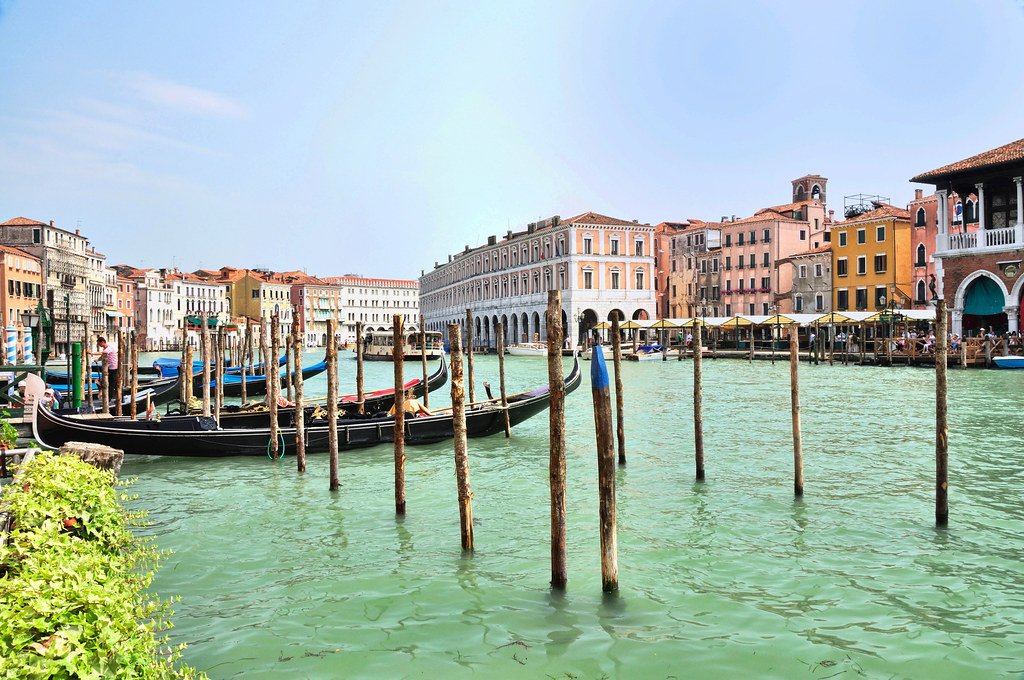
Featured photo: gnuckx via Openverse (CC0).