On this page
The easiest way to stay active while traveling is to build movement into the trip itself: walk or cycle to see the sights, take the stairs, and fit in short bodyweight workouts in your room. You do not need a gym or a strict plan. Small, regular bouts of movement add up quickly over a few days away.
Below are 15 practical ways to keep moving on travel days, in hotels and while sightseeing, plus a simple 20 minute routine you can do anywhere, ideas for business trips, and the habits that keep your energy steady. Pick the few that suit your trip rather than trying to do them all.
Key takeaways
- Treat sightseeing on foot or by bike as your main exercise.
- Get up and move regularly on long flights, train rides and drives.
- A 15 to 20 minute bodyweight routine needs no equipment and fits in any room.
- Pack one small item, such as a resistance band or jump rope, to add variety.
- Sleep, water and regular meals make it far easier to stay active away from home.
What are the best ways to stay active while traveling?
The best ways to stay active while traveling are walking as much of your sightseeing as possible, renting bikes, using stairs, doing short bodyweight workouts in your room, and booking active excursions such as hikes, swims or paddling trips. These fit into normal travel plans, so movement becomes part of the trip rather than a chore.
Here is a quick summary of all 15 ideas, grouped by when you can use them.
| When | Ways to stay active | Equipment needed |
|---|---|---|
| Travel days | Airport laps, in-seat stretches, regular stops | None |
| In your room | Bodyweight circuit, resistance bands, mobility | None or a band |
| At your hotel | Stairs, pool, gym | Swimwear or shoes |
| While sightseeing | Walking tours, bike rentals, hikes, paddling | Comfortable shoes |
| Planning ahead | Walkable areas, active days, walking or cycling holidays | None |
Physical activity guidance from the CDC suggests adults aim for at least 150 minutes of moderate activity a week plus muscle strengthening on two days. You do not have to hit that exactly on vacation, but it is a useful benchmark for what counts as staying active.
How can you stay active on travel days?
You can stay active on travel days by walking the airport or station while you wait, standing and stretching regularly on flights and trains, and planning short stops on road trips. Long periods of sitting are uncomfortable and stiff, so even a few minutes of movement every hour or two makes a noticeable difference to how you feel on arrival.
1. Walk while you wait
Arrive with enough time to walk the terminal rather than sit at the gate. Carry your bag, take a few laps and use the stairs instead of the escalator when you can.
2. Move during long flights and train rides
Stand up, walk the aisle when it is safe, and do simple seated movements such as ankle circles, calf raises and shoulder rolls. The CDC notes that long trips of more than about four hours can raise the risk of blood clots for some travelers, and it recommends moving your legs and walking around periodically. If you have a history of clots or other risk factors, ask your doctor before a long trip. Seek urgent medical care for swelling, pain or tenderness in one leg, or sudden shortness of breath.
3. Build stops into road trips
Plan a short stop roughly every two hours of driving. Walk around the rest area, stretch your hips and hamstrings, and use the break to refill water.
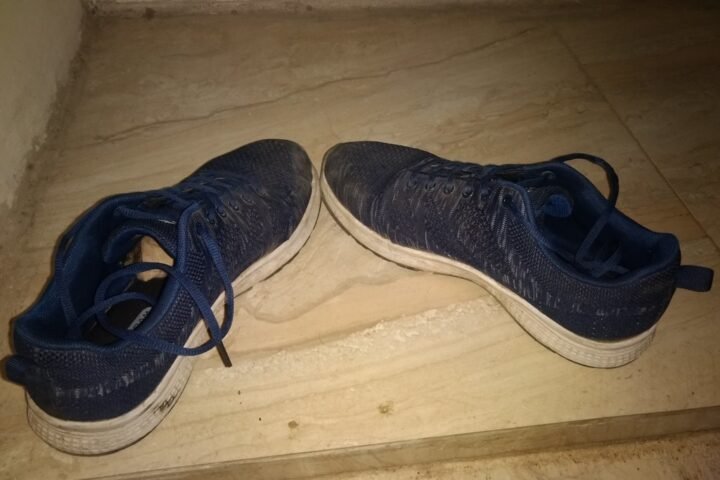
Tip: Wear comfortable shoes on travel days. You will be far more likely to walk the terminal or explore a station if your feet feel good.
How do you exercise in a hotel room?
To exercise in a hotel room, use a short bodyweight circuit of squats, lunges, push-ups, planks and glute bridges, repeated for 15 to 20 minutes. No equipment is needed, and the space beside a bed is enough. Adding a resistance band or a towel for sliding exercises gives you more variety without taking up suitcase space.
4. Do a bodyweight circuit
Bodyweight exercises work most major muscle groups and can be scaled up or down. Slow the movements down to make them harder, or reduce the range to make them easier.
5. Pack a resistance band
A light resistance band weighs very little and lets you add rows, presses and leg exercises. Loop it around a sturdy door handle or anchor it under your feet.
6. Stretch and do mobility work
A short stretching or yoga session in the morning or evening helps with stiffness from flights, long drives and unfamiliar beds. Free videos on your phone make it easy to follow a routine.
7. Use the stairs
Skip the elevator when your room is a few floors up. Walking stairs a few times a day adds up, especially on a short trip where you come and go often.
How can you make the most of hotel facilities?
Making the most of hotel facilities means checking what is available before you book, such as a gym, pool or nearby running route, and planning to use it at a set time. Even a small fitness room with a treadmill or a few weights gives you a reliable option on bad weather days or busy schedules.
8. Swim in the pool
Swimming is a full body workout that is easy on the joints. A few lengths in the morning is a gentle way to start a day of sightseeing.
9. Use the gym, even briefly
A 20 minute session on a bike or treadmill plus a few strength exercises is enough to feel the benefit. Ask at the front desk about opening hours, since some hotel gyms close overnight.
10. Ask for a local running or walking route
Front desk staff often know safe, pleasant routes nearby. Some hotels provide printed maps or loops of a set distance.
How can you turn sightseeing into exercise?
You can turn sightseeing into exercise by exploring on foot, renting a bike, joining a walking or cycling tour, hiking local trails, and trying water activities like kayaking or paddleboarding. These activities let you see more of a place at a slower pace while adding hours of movement to your day without feeling like a workout.
11. Join a walking tour or explore on foot
Walking tours are a good way to learn about a place and cover several miles. Exploring on your own works just as well: pick neighborhoods close together and walk between them instead of taking taxis.
12. Rent a bike
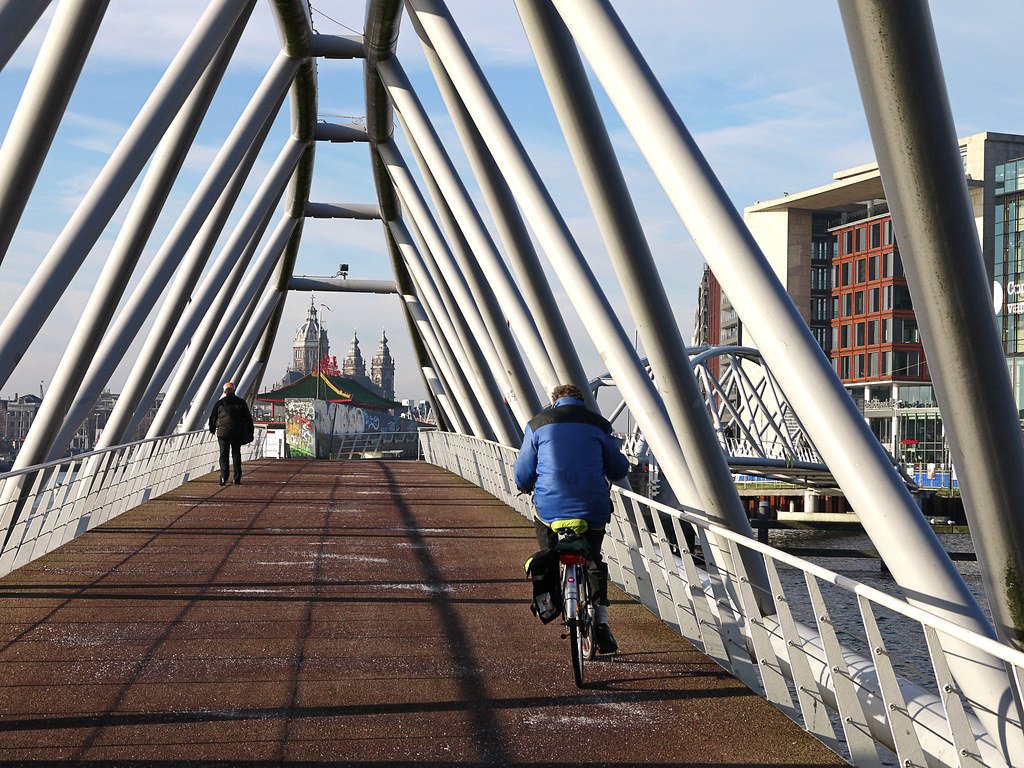
Many cities have bike share systems and rental shops, and bike paths often link parks, waterfronts and museums. Check local traffic rules and wear a helmet.
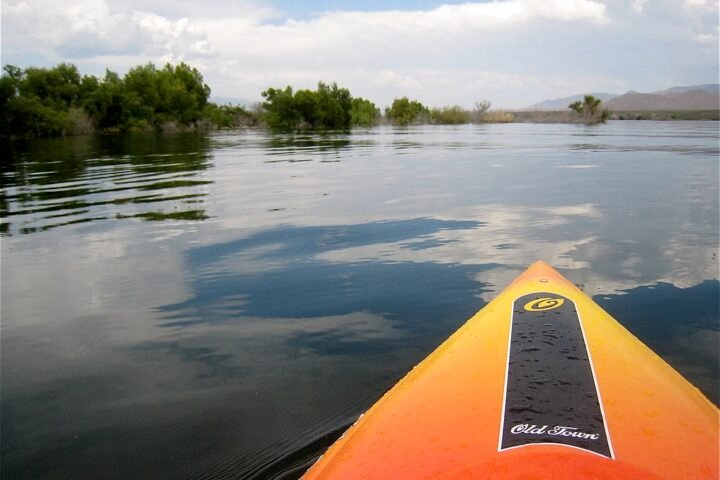
13. Hike, swim or paddle
Book at least one active outing per trip, such as a short hike, a sea swim at a lifeguarded beach, or a guided kayak trip. Choose a level that matches your fitness and follow local safety advice.
| Activity | Effort level | Good for |
|---|---|---|
| Walking tour | Light to moderate | Cities, history, food |
| Bike rental | Moderate | Waterfronts, parks, flat cities |
| Day hike | Moderate to hard | Mountains, national parks |
| Kayak or paddleboard | Light to moderate | Lakes, calm coasts |
| Swimming | Moderate | Beaches, hotel pools |
How do you plan an active trip from the start?
Plan an active trip by choosing walkable places to stay, scheduling active outings on your itinerary, and considering trips built around movement, such as walking holidays or cycling trips. When activity is part of the plan from the start, it is far easier to stay active than when you try to fit exercise around everything else.
14. Stay somewhere walkable
Accommodation near the center, a park or a waterfront makes walking the default. Check a map before booking to see how far sights, food and transport are.
15. Build the trip around activity
Some trips are active by design. Our guides on how to plan a walking holiday and how to plan a cycling trip show how to choose routes, daily distances and support. If you are still at the early planning stage, start with how to plan a trip step by step and add active days as you build your itinerary.
- List the activities you enjoy at home.
- Look for destinations known for those activities.
- Mark one active outing per day or every other day on your plan.
- Book anything that needs reservations, such as guided tours or rentals.
- Leave lighter days for rest, especially after travel days.
What is a simple 20 minute travel workout?
A simple 20 minute travel workout is a circuit of five bodyweight exercises, done for about 40 seconds each with a short rest, repeated three or four times. It needs no equipment and works in a small hotel room. Warm up first with marching on the spot and arm circles, and stop if anything hurts.
| Exercise | Time | Easier option |
|---|---|---|
| Squats | 40 seconds | Sit to a chair and stand |
| Push-ups | 40 seconds | Hands on the bed or wall |
| Reverse lunges | 40 seconds | Hold the wall for balance |
| Plank | 30 to 40 seconds | Knees down |
| Glute bridges | 40 seconds | Smaller range |
| Rest | 60 seconds | Walk around the room |
- Warm up for three to five minutes with marching, arm circles and gentle squats.
- Complete each exercise for the time shown, resting briefly between them.
- Rest for a minute at the end of the round.
- Repeat for three or four rounds, depending on time and energy.
- Finish with a few minutes of stretching.
If you have a health condition, an injury, or are new to exercise, check with a healthcare professional before starting a new routine.
How do you stay active on business trips?
To stay active on business trips, schedule a short workout first thing in the morning before meetings start, walk to nearby appointments, take calls on your feet, and use breaks to climb stairs or walk outside. Treat exercise like any other appointment on your calendar so long days and dinners do not crowd it out.
- Pack workout clothes and shoes in the same cube so you always bring them
- Choose a hotel with a gym or near a park if you have a say in booking
- Suggest walking meetings for informal conversations
- Use time zone changes to your advantage with early morning walks
- Keep evening plans realistic so you can sleep well
Which habits make it easier to stay active on the road?
The habits that make it easier to stay active on the road are getting enough sleep, drinking water regularly, eating regular meals, and keeping a simple routine, such as a short walk each morning. Travel disrupts normal patterns, so a few steady habits protect your energy and make movement feel easier instead of exhausting.
- Sleep: adjust gradually to new time zones and get daylight in the morning.
- Water: carry a refillable bottle, especially in hot places or at altitude.
- Food: eat regular meals and keep simple snacks with you for active days.
- Routine: a 10 minute walk or stretch at the same time each day anchors your habits.
Tip: Pack your workout clothes on top of your bag. Seeing them when you open the case is a simple reminder.
What are common mistakes when trying to stay active while traveling?
Common mistakes when trying to stay active while traveling are setting goals that are too ambitious, skipping rest after long travel days, packing shoes that are not suitable for walking, and dropping all activity because a full workout does not fit. Small sessions count. Ten minutes of movement is far better than none.
- Expecting to follow your full home training plan
- Doing a hard hike on the first day after a long flight
- Walking all day in new or unsupportive shoes
- Forgetting water and sun protection on active days
- Ignoring local safety advice for swimming, cycling or hiking
Ready to plan a trip with movement built in? Our guide on how to plan a walking holiday is a good next step.
More active travel guides
Frequently asked questions
How can you exercise while traveling without a gym?
You can exercise without a gym by doing bodyweight circuits in your room, walking or cycling to explore, using stairs, and stretching each morning. Squats, lunges, push-ups and planks need no equipment. A resistance band adds variety and fits in any bag. Short daily sessions are easier to keep up than long, occasional workouts.
Does walking while sightseeing count as exercise?
Yes. Brisk walking counts as moderate activity, and sightseeing on foot often adds up to several miles a day. Walking up hills, climbing stairs and carrying a daypack all add effort. To get the most from it, walk between nearby sights instead of taking short taxi rides, and wear comfortable, supportive shoes.
How do you stay active on a long flight?
On a long flight, stand up and walk the aisle when it is safe, and do seated movements like ankle circles, calf raises and shoulder rolls. Drink water and wear comfortable clothing. If you have a history of blood clots or other risk factors, ask your doctor for advice before you fly.
Should you rest or exercise after a long travel day?
After a long travel day, gentle movement usually helps more than either hard exercise or complete rest. A short walk outside, some daylight and light stretching can ease stiffness and help you adjust to a new time zone. Save hard hikes or workouts for after a good night of sleep.
Sources and further reading
Featured photo: Amsterdam free photos pictures of the Dutch city via Openverse (CC0).