On this page
To travel during the rainy season, research how the rain actually behaves at your destination, build a flexible itinerary with indoor backups, pack quick-drying clothes and waterproof protection for your gear, and watch local weather alerts. Many rainy seasons bring short, heavy showers rather than all-day rain, plus fewer crowds and greener landscapes.
Rainy season does not have to mean a ruined trip. In many places, it is a quieter, often cheaper time to visit, with lush scenery and fewer lines. The key is knowing what to expect, planning around the weather instead of against it, and taking floods, storms and road conditions seriously. This guide covers all of that, step by step.
Key takeaways
- Rainy seasons differ a lot. Some bring short afternoon storms, others bring days of steady rain.
- Plan outdoor activities when rain is least likely, often mornings in many tropical places, and keep indoor options ready.
- Pack light, quick-drying clothing, a packable rain jacket and dry bags for electronics and documents.
- Build buffer time into transfers, since flights, ferries and roads can be delayed.
- Never walk or drive through floodwater, and follow local alerts for storms and landslides.
What is it like to travel during the rainy season?
Traveling during the rainy season usually means more rain, higher humidity and some disruption, but also fewer crowds, greener landscapes and often lower prices. How it feels depends on the destination. Some places get a short, heavy shower most afternoons, while others see long stretches of steady rain, storms or flooding in certain weeks.
Before you book, find out what “rainy season” means at your destination. Look for patterns: which months are wettest, what time of day rain tends to fall, and whether the season overlaps with tropical storm or monsoon activity. Our first-time international travel tips cover the wider research worth doing before any trip abroad.
| Pros of rainy season travel | Cons of rainy season travel |
|---|---|
| Fewer crowds at popular sights | Some tours, trails or boat trips may close |
| Lower prices at many hotels and tours | Flights, ferries and roads can be delayed |
| Green, lush scenery and full waterfalls | Higher humidity and more insects |
| Easier last-minute bookings in many places | Flood and landslide risk in some regions |
| Cooler air after storms in some climates | Clothes and gear take longer to dry |
How do you plan an itinerary for the rainy season?
Planning an itinerary for the rainy season means building flexibility into every day. Schedule outdoor activities for the times rain is least likely, keep a list of indoor alternatives, and avoid tight connections between flights, ferries and buses. Fewer stops and longer stays reduce the impact of a delay or a washed-out day.
- Research the typical daily pattern of rain at your destination.
- Put hikes, boat trips and outdoor sights in the time slots that are usually driest.
- Make a short list of museums, markets, cafes, cooking classes and spas nearby.
- Add a buffer day before any important flight or connection.
- Book refundable or flexible options where you can, especially for weather-dependent tours.
- Check the forecast each evening and adjust the next day’s plan.
Fewer bases, longer stays
Moving every day or two means more chances to get stuck by weather. Choosing one or two bases and taking day trips from them keeps your plans flexible. If a road closes or a boat is cancelled, you can swap days instead of losing a booking.
Tip: Ask your hotel or guesthouse staff about the local rain pattern on arrival. They often know when showers tend to start and which roads flood first.
What should you pack for rainy season travel?
Packing for rainy season travel means choosing light, quick-drying clothing, reliable rain protection and ways to keep your electronics and documents dry. Skip heavy cotton and jeans that stay wet for hours. Bring a packable rain jacket, footwear that handles wet streets, dry bags or zip bags, and insect repellent for the mosquitoes that often follow rain.
- Rain protection: a light, packable rain jacket, and a compact umbrella for city days.
- Clothing: quick-drying shirts and pants, plus one warm layer for cool evenings or air conditioning.
- Footwear: sandals with grip or quick-drying shoes, and a second pair so one can dry.
- Dry storage: dry bags or zip bags for phones, cameras, passports and chargers.
- Bag cover: a rain cover or liner for your backpack or day bag.
- Insect protection: repellent and, where advised, long sleeves in the evening.
- Small extras: a quick-dry towel, a few clothes pegs and a bag for wet laundry.
Waterproof or water-resistant?
For short tropical showers, a light water-resistant jacket may be enough, and it breathes better in heat. For long, cool or windy rain, a fully waterproof shell keeps you drier. Many travelers in hot, rainy places prefer a light shell plus quick-drying clothes, since they will get damp from humidity either way.
How do you keep documents, money and electronics dry?
Keeping documents, money and electronics dry means using layers of protection: a bag with a cover or liner, small dry bags or zip bags inside, and a habit of sealing items before you head out. Water damage to a passport or phone can derail a trip, so treat dry storage as part of your daily routine during rainy months.
- Store your passport in a zip bag inside an inner pocket of your day bag.
- Keep a phone pouch or dry bag ready for boat trips and heavy downpours.
- Pack chargers and power banks in their own sealed bag.
- Take photos of key documents and store copies securely online or on your phone.
- Let damp gear dry in an air-conditioned or ventilated room overnight.
For a full list of what to carry and copy, see our international travel checklist of documents to bring.
How do you stay safe during heavy rain, floods and storms?
Staying safe during heavy rain, floods and storms means watching local alerts, avoiding floodwater, and changing plans when conditions turn dangerous. Never walk, swim or drive through flooded roads, because water can be deeper and faster than it looks. Move indoors during thunderstorms, and stay away from rivers, beaches and steep slopes in heavy rain.
Floodwater and driving
The US National Weather Service runs a safety campaign called Turn Around Don’t Drown, and its advice is never to drive or walk into floodwater. According to the NWS, fast-moving water only about six inches deep can knock an adult off their feet, and about a foot of rushing water can sweep away many cars. If a road is flooded, find another route or wait. Read more on the National Weather Service flood safety pages.
Thunderstorms and lightning
If you hear thunder, move indoors or into a hard-topped vehicle. Avoid open fields, beaches, hilltops, water and isolated tall trees during storms. Wait until the storm has clearly passed before heading back out. The National Weather Service lightning safety pages explain the details.
Landslides and hiking
Heavy rain can loosen soil on steep slopes and swell streams quickly. Check trail conditions with local rangers or guides before you hike, avoid stream crossings after heavy rain, and turn back if a trail looks unstable.
Tropical storms and hurricanes
In some regions, the rainy season overlaps with tropical storm, hurricane, typhoon or cyclone season. Follow official local alerts and your government’s travel advice, such as travel.state.gov for US citizens. Know your hotel’s emergency plan and keep some cash, water and a charged power bank on hand.
Tip: Save the local emergency number for each country you visit before you arrive. It is not 911 everywhere.
How do you protect your health in wet, humid weather?
Protecting your health in wet, humid weather means preventing insect bites, keeping your feet dry, staying hydrated and eating safe food and water. Standing water after rain can increase mosquito numbers, and some places see more mosquito-borne illness in the rainy season. Check official health advice for your destination well before you travel.
- Mosquitoes: use repellent, cover up in the evening and sleep under a net or in screened rooms where advised.
- Feet: change into dry socks and shoes when you can, and let footwear air out overnight.
- Hydration: humidity can make you sweat more than you notice, so keep drinking water.
- Food and water: follow local advice on tap water and food safety, which can change after floods.
- Vaccines and medicines: check CDC Travelers’ Health or your country’s health service for advice, and see a doctor before you go.
How does rainy season affect transport and bookings?
Rainy season can affect transport and bookings through flight delays, ferry cancellations, road closures and tours that stop running in bad weather. Plan extra time between connections, book flexible fares and refundable stays where possible, and consider travel insurance that covers weather delays. Check the terms carefully before you buy.
| Transport type | Common rainy season issue | How to plan for it |
|---|---|---|
| Flights | Delays from storms | Leave buffer time before key connections |
| Ferries and boats | Cancellations in rough seas | Keep an extra day near the coast |
| Roads and buses | Flooding, slow traffic, closures | Travel early in the day, check conditions |
| Trains | Usually more reliable, but delays happen | Book seats ahead, carry snacks and water |
| Tours and treks | Weather-related cancellations | Book flexible tours with clear refund rules |
Is travel insurance worth it?
Travel insurance can help with weather-related delays, cancellations and medical costs, but coverage varies widely. Read what counts as a covered reason, especially for named storms, which some policies treat differently once a storm has a name. Buy insurance soon after booking, when it is most likely to cover future events.
How does rainy season travel compare with other seasons?
Rainy season travel trades some weather risk for fewer crowds, greener scenery and often better value. Compared with peak dry season, you will need more flexibility and better rain gear. Compared with hot or winter travel, the main challenges are disruption and humidity rather than extreme temperatures, though some places are both hot and wet.
If you are choosing when to go, compare this guide with our advice on how to travel in hot weather and how to travel in winter. Shoulder months at the start or end of the rainy season can offer a good balance.
What are the most common rainy season travel mistakes?
The most common rainy season travel mistakes are assuming it will rain all day, packing heavy cotton clothes, booking tight connections, ignoring flood and storm alerts, and leaving electronics unprotected. These mistakes either keep you indoors more than needed or put you and your plans at risk when the weather turns.
- Cancelling outdoor plans too early. In many places rain comes in short bursts.
- Packing jeans and cotton. They stay wet and heavy for hours.
- Booking tight transfers. Delays are more common in wet months.
- Ignoring local alerts. Weather can change quickly, especially near rivers and coasts.
- Leaving gear exposed. A single downpour can soak a phone or passport.
- Skipping insect repellent. Mosquitoes often increase after rain.
What should you do next?
Look up the rainy season pattern for your destination and dates, then sketch a flexible plan with indoor backups and buffer days. Pack quick-drying layers, rain protection and dry bags, and save local emergency numbers. To round out your preparation, read our first-time international travel tips before you book.
Frequently asked questions
Is it worth traveling during the rainy season?
It can be very worth it. Many destinations are quieter, greener and better value in the rainy season, and rain often falls in short bursts rather than all day. It suits flexible travelers who are happy to adjust plans. It may not suit trips that depend on boat travel, remote trekking or beach days.
Does it rain all day in the rainy season?
Not usually, though it depends on the destination. In many tropical places, rain tends to arrive as heavy afternoon or evening showers, with clearer mornings. Other regions can see days of steady rain, especially during monsoon peaks or tropical storms. Research the typical daily pattern for your exact destination and month before you go.
What shoes should I wear in the rainy season?
Choose footwear that drains and dries quickly, such as sandals with good grip or quick-drying shoes. Leather and heavy cotton shoes can stay wet for days. Bring a second pair so one can dry while you wear the other. For hiking on muddy trails, shoes with deep tread help with grip.
Should I buy travel insurance for rainy season travel?
Travel insurance is worth considering for rainy season trips, since weather can cause delays, cancellations and missed connections. Coverage differs widely between policies, so read the terms for weather events and named storms. Buying soon after you book usually gives the broadest protection against events that develop later.
How do I keep my phone dry while traveling in the rain?
Keep your phone in a waterproof pouch, a small dry bag or a sealed zip bag when you are outside in the rain or on a boat. Store it in an inner pocket of a covered bag rather than an outside pocket. Back up photos regularly so you do not lose them if the phone gets wet.
Sources and further reading
- National Weather Service: Turn Around Don’t Drown
- National Weather Service: lightning safety
- CDC Travelers’ Health
- U.S. Department of State: travel.state.gov
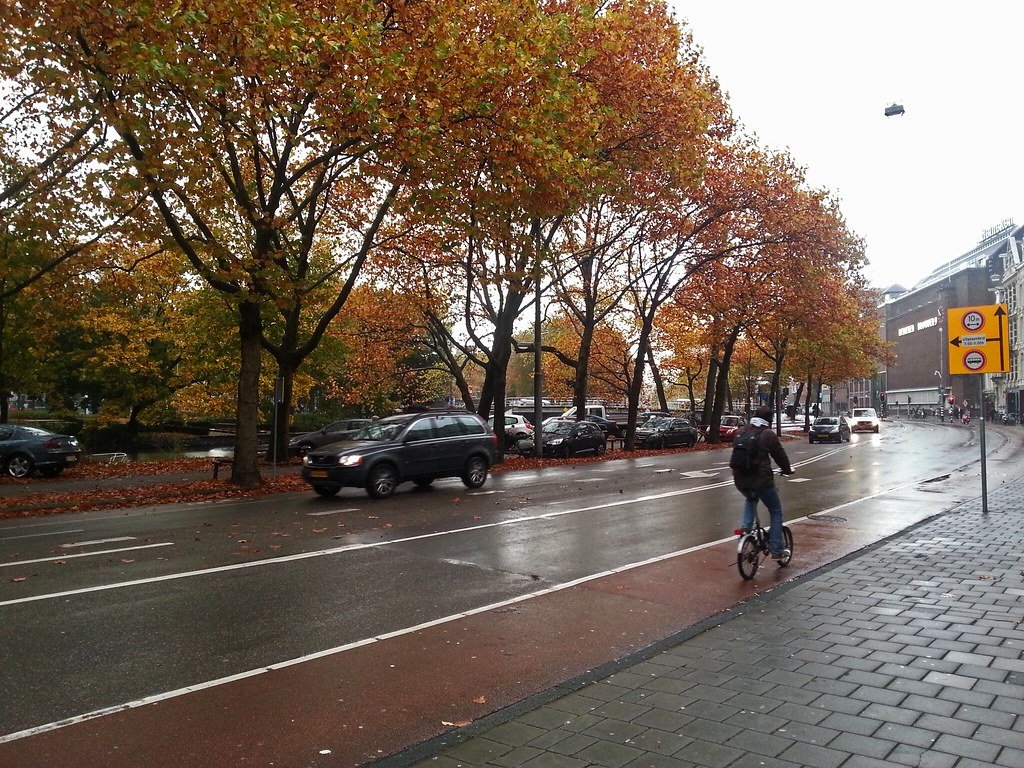
Featured photo: Amsterdam free photos pictures of the Dutch city via Openverse (CC0).