On this page
The walking gear a beginner actually needs is short: supportive walking shoes, comfortable socks, weather-appropriate clothing in layers, water, and your phone. Add sun protection, something reflective for low light, and a small bag as your walks get longer. You can start walking today with what you already own and upgrade one item at a time.
This checklist splits walking gear into three levels: the basics for neighborhood and fitness walks, the extras for longer walks of an hour or more, and the kit for countryside and trail walks where help is further away. It also covers how to dress for different weather, which upgrades are worth it first, and the mistakes that cause blisters and sore feet.
Key takeaways
- Shoes and socks matter more than any other walking gear.
- Dress in layers you can remove, and avoid cotton on long or wet walks.
- Carry water and a phone on every walk longer than a short loop.
- Be visible in low light with bright colors, reflective details or a small light.
- Countryside walks need a map, extra layers, food and basic first aid.
What gear do you need to start walking?
To start walking, you need comfortable, supportive shoes, cushioned socks that do not rub, and clothes suited to the weather. That is genuinely enough for short walks near home. Once you walk longer or further from home, add water, a phone, sun protection and a light layer you can carry or tie around your waist.
Walking is one of the easiest ways to be more active because it needs so little equipment. The CDC recommends that most adults get at least 150 minutes of moderate-intensity activity a week, and brisk walking counts. If you are building a routine, our guide on how to start walking for exercise shows how to begin gently and build up.
Beginner walking gear checklist
- Supportive walking or running shoes that fit well
- Cushioned socks made from synthetic fibers or merino wool
- Comfortable pants, leggings or shorts that do not chafe
- A breathable top that suits the temperature
- A light jacket or extra layer when it is cool or windy
- Phone, house key and ID
- Water for walks longer than about 30 minutes, or in heat
- Sunscreen, sunglasses and a hat on sunny days
Which shoes are best for beginner walkers?
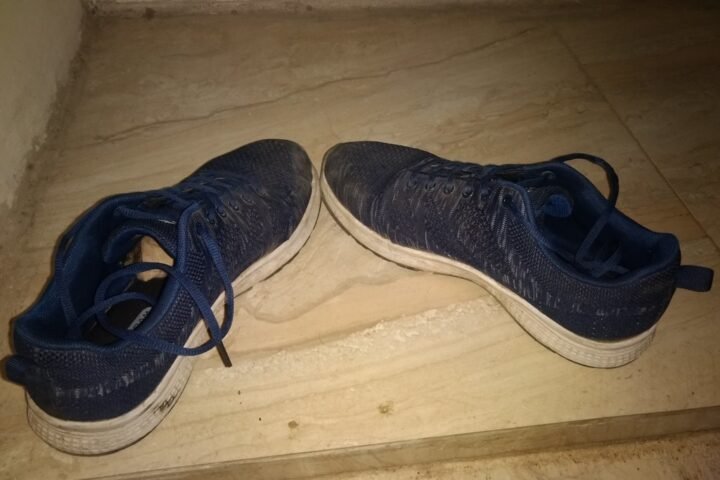
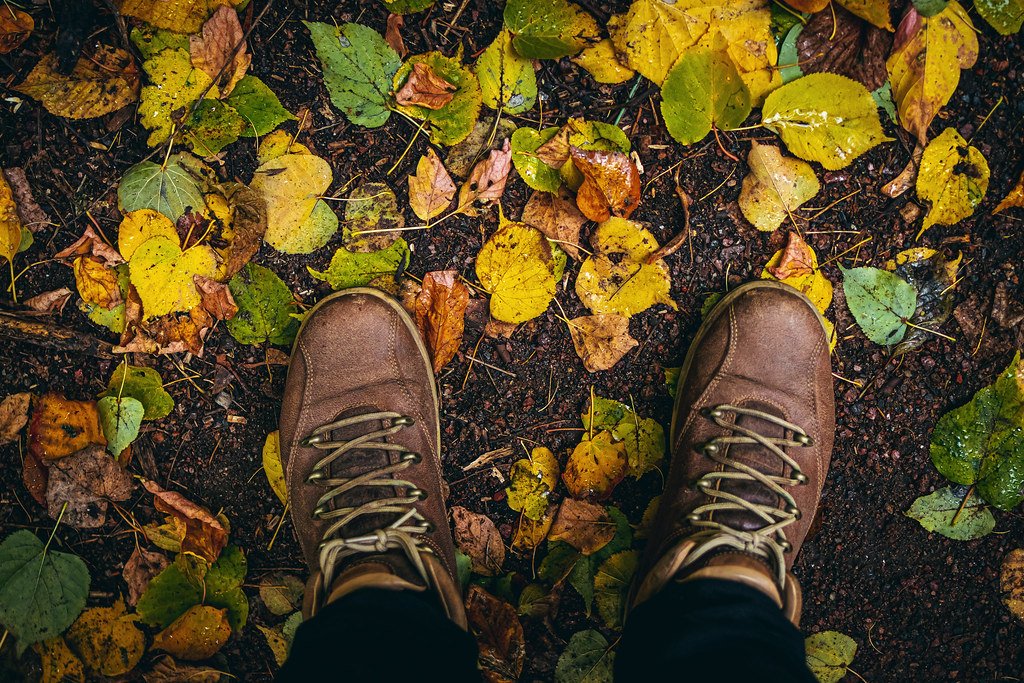
The best shoes for beginner walkers are ones that fit well, feel comfortable from the first step, and offer cushioning and a flexible forefoot. Dedicated walking shoes or running shoes both work for pavement and paths. Trail shoes or light hiking boots make more sense on rough, muddy or rocky ground.
Fit matters far more than any feature. Try shoes later in the day when your feet are slightly larger, wear the socks you plan to walk in, and leave roughly a thumb’s width between your longest toe and the end of the shoe. Your heel should not slip, and your toes should be able to move.
| Footwear | Best for | Watch out for |
|---|---|---|
| Walking shoes | Sidewalks, parks, gentle paths | Limited grip in mud |
| Running shoes | Fitness walking, faster pace | Softer foam can wear quickly |
| Trail shoes | Dirt trails, gravel, light hills | Firmer feel on pavement |
| Hiking boots | Rough terrain, wet ground, carrying weight | Heavier, need breaking in |
Our guide on how to choose walking shoes covers fit, cushioning and arch support in more detail. If you are heading onto trails, read hiking boots vs. trail shoes to decide which suits your walks.
Tip: Replace walking shoes when the cushioning feels flat or the tread is worn smooth. Tired shoes are a common cause of new aches in the feet, knees and hips.
What socks should you wear for walking?
The best socks for walking are made from synthetic fibers, merino wool or a blend, because they move sweat away from your skin and dry faster than cotton. A good fit without loose fabric or tight bands helps prevent blisters. Choose a thickness that fits comfortably inside your shoes without squeezing your toes.
Blisters usually come from friction, heat and moisture together. Cotton socks hold moisture against the skin, which softens it and increases rubbing. That is why many walkers switch to technical socks first, before they buy any other gear.
Sock tips for comfortable feet
- Check that the heel of the sock sits on your heel, not above it
- Avoid seams that sit over your toes
- Carry a spare pair on long or wet walks
- Trim toenails straight across before long walks
- Stop and deal with a hot spot as soon as you feel it
What should you wear for walking in different weather?
For walking in any weather, wear layers you can add or remove as you warm up. In heat, choose light, breathable fabrics and sun protection. In cold, add an insulating layer, hat and gloves. In rain, a waterproof jacket with a hood keeps you comfortable. You will warm up quickly, so start slightly cool.
The layering system used by hikers works well for walkers too:
- Base layer: a breathable top that moves sweat away from your skin
- Mid layer: a fleece or light sweater for warmth
- Outer layer: a wind or waterproof jacket for weather protection
| Conditions | What to wear | Extras |
|---|---|---|
| Hot and sunny | Light, loose, breathable clothing | Hat, sunglasses, sunscreen, extra water |
| Mild | T-shirt or long sleeve top | Light jacket |
| Cold | Base layer, fleece, jacket | Hat, gloves, warm socks |
| Rain | Waterproof jacket, quick-dry pants | Hood or cap, spare socks |
| Dark or dusk | Bright colors, reflective details | Small light or headlamp |
In hot weather, plan walks for early morning or evening, carry more water and slow down. The CDC heat safety guidance lists warning signs of heat illness, and anyone with symptoms such as confusion, fainting or a very high body temperature needs emergency help.
What should you carry on a walk?
On a walk, carry your phone, a key, some form of ID and water if you will be out for more than about half an hour. For longer walks, add a snack, a light layer, sun protection and a small first aid kit. A waist pack or small backpack keeps your hands free and your arms swinging naturally.
Small bags compared
| Bag | Holds | Good for |
|---|---|---|
| Pocket or phone belt | Phone, key, card | Short walks |
| Waist pack | Phone, snack, small bottle | Fitness walks up to an hour or two |
| Small daypack | Water, layers, food, first aid | Long walks and countryside routes |
Longer walk add-ons
- Water bottle or hydration bladder
- Snack such as fruit, nuts or a bar
- Small first aid kit with blister plasters
- Lip balm and sunscreen
- Packable rain jacket
- Tissues and hand sanitizer
- A small amount of cash or a card
How do you stay visible and safe on walks?
To stay visible while walking, wear bright colors in daylight and reflective items or a small light at dawn, dusk and night. Walk facing oncoming traffic where there is no sidewalk, keep at least one ear free from headphones near roads, and tell someone your route if you walk alone in quiet areas.
- Choose routes with sidewalks or separate paths when you can
- Use a clip-on light or headlamp after dark
- Add reflective bands to your ankles or wrists, since moving limbs catch drivers’ eyes
- Keep your phone charged and your emergency contacts easy to find
- Trust your instincts and change your route if something feels wrong
Walking with a friend or a local walking group is also a good way to stay safe and motivated, especially when you are starting out.
What extra gear do you need for countryside and trail walks?
Countryside and trail walks need more gear because help is further away and the weather can change. Add a map and a way to navigate, extra warm and waterproof layers, enough food and water for the whole walk, a first aid kit, a whistle and a headlamp. Grippy footwear is also important on uneven, wet ground.
National park guidance for walkers in the UK and the US consistently stresses planning your route, checking the forecast and carrying enough to cope if a walk takes longer than expected. Use this as your trail checklist:
- Map of the area, and a compass or phone app with offline maps
- Fully charged phone and a small power bank
- Waterproof jacket and, in wet areas, waterproof pants
- Warm layer, hat and gloves, even in summer in hills
- Food and more water than you expect to need
- First aid kit and any personal medications
- Whistle for signaling for help; in the UK, six blasts or six flashes of a light is the recognized distress signal
- Headlamp or flashlight
- Sun protection
- Footwear with good grip
For UK, Canadian and Australian readers: many national parks and walking organizations publish their own walker checklists. Check the park or land manager’s website for local advice, such as seasonal closures or specific hazards.
Tip: Before any countryside walk, tell someone where you are going and when you expect to be back. It is the simplest safety step and the most often skipped.
Which walking gear upgrades are worth buying first?
The walking gear upgrades worth buying first are well-fitting walking shoes and technical socks, because they make the biggest difference to comfort and blister prevention. After that, a packable waterproof jacket, a small bag and a reusable water bottle cover most needs. Specialist items like walking poles can wait until you walk hills or longer distances.
- Buy shoes that fit and suit the ground you walk on most.
- Swap cotton socks for synthetic or wool walking socks.
- Add a light, packable waterproof jacket.
- Get a water bottle and a comfortable waist pack or small backpack.
- Add reflective items if you walk in low light.
- Consider walking poles for steep hills or if your knees need support.
- Buy dedicated trail footwear when you start walking off paved routes.
Spending on comfort first keeps you walking. Many people give up on a new routine because of sore feet or getting cold and wet, not because they lack fancy equipment.
What are common walking gear mistakes?
The most common walking gear mistakes are wearing worn-out or poorly fitting shoes, choosing cotton socks and clothing for long or wet walks, overdressing at the start, and heading out without water or a phone. On countryside walks, relying only on a phone for navigation is another frequent problem when signal or battery runs out.
- Shoes that are too small. Feet swell as you walk, so leave room for your toes.
- New boots on a long walk. Break footwear in on shorter outings first.
- Too many layers at the start. Start slightly cool, because you warm up fast.
- No water in warm weather. Carry more than you think you need.
- Dark clothing at dusk. Add reflective items or a light.
- Ignoring hot spots. Stop early to cover a sore spot before it becomes a blister.
When your gear is sorted, the next step is building a routine you can keep. Our guide on how to start walking for exercise gives you a simple plan for your first weeks.
More walking guides
Frequently asked questions
Do you need special shoes for walking?
You do not need special shoes to start walking, but you do need shoes that fit well and offer some cushioning and support. Many people walk comfortably in running shoes. Dedicated walking shoes, trail shoes or boots become more useful as your walks get longer, faster or move onto rough and muddy ground.
What should you bring on a one hour walk?
On a one hour walk, bring your phone, a key, some ID, water and weather protection such as a light jacket, hat or sunscreen. A small snack is useful if you walk before a meal. In warm weather, carry extra water. A waist pack keeps everything secure without weighing you down or affecting your stride.
Is it worth using walking poles?
Walking poles are worth trying if you walk steep hills, carry a pack, or want extra stability on uneven ground. Many walkers find they reduce strain on knees during descents. For flat neighborhood and park walks, most beginners do not need them. Learn how to adjust their length and grip before relying on them.
How do you prevent blisters when walking?
To prevent blisters, wear well-fitting shoes, choose synthetic or wool socks instead of cotton, and keep feet dry. Break in new footwear on short walks first. Stop as soon as you feel a hot spot and cover it with a blister plaster or tape. Persistent or infected blisters should be checked by a healthcare professional.
Sources and further reading
- Centers for Disease Control and Prevention
- Lake District National Park walkers checklist
- National Park Service
Featured photo: Artem Beliaikin via Openverse (CC0).