On this page
To plan a walking holiday, decide what kind of trip you want, pick a route and season that match your fitness, choose between a guided, self-guided or fully independent trip, then book accommodation and luggage transfers around realistic daily distances. Train in your walking shoes beforehand and pack light, layered clothing for changing weather.
A walking holiday, often called a walking vacation in the US, is a trip where walking is the main activity, usually point to point between villages or as day walks from a base. This guide takes you step by step from the first idea to the first morning on the trail. For general trip logistics such as budgets and bookings, our guide on how to plan a trip step by step covers the wider framework.
Key takeaways
- Start by choosing the style of trip: point to point, a single base with day walks, or a mix.
- Pick daily distances based on your current fitness, then add time for hills, breaks and sightseeing.
- Guided and self-guided trips handle bookings and luggage, while independent trips give more control and require more planning.
- Book early for popular routes and peak seasons, especially accommodation in small villages.
- Train in the footwear and pack you will use, and buy travel insurance that covers walking.
What is a walking holiday and how does it work?
A walking holiday is a trip built around walking, where you spend most days on foot exploring trails, coastlines, countryside or historic routes. It usually works in one of two ways: you walk point to point, sleeping somewhere new each night, or you stay in one or two bases and take day walks from there. Many trips combine both.
Point to point trips give a strong sense of progress and let you see a whole region, but they require more logistics, such as moving your luggage. Base trips are simpler: you unpack once and choose each day’s walk based on the weather and how you feel.
| Trip style | How it works | Best for |
|---|---|---|
| Point to point | Walk between villages, new bed each night | A sense of progress, classic long routes |
| Single base | Stay in one place, take day walks | Simplicity, flexible days, mixed groups |
| Two or three bases | Move base every few days | Variety with fewer moves |
| Hut or lodge route | Walk between mountain huts or lodges | Mountain scenery, more remote walking |
How do you choose a destination for a walking holiday?
Choose a walking holiday destination by matching the terrain, season, accommodation and transport to your interests and fitness. Coastal paths, rolling countryside and pilgrimage routes suit many beginners, while mountain routes demand more fitness and experience. Think about what you want to see each day, from villages and food to wild landscapes and wildlife.
Well-known routes such as the Camino de Santiago in Spain, coastal paths in the UK and long-distance trails in the Alps have established accommodation and plenty of route information, which makes planning easier. Lesser-known areas can be quieter but may need more research and backup plans.
Questions to ask when picking a region
- What terrain do you enjoy most: coast, hills, mountains, forest or farmland?
- How much climbing can you comfortably handle in a day?
- Is there accommodation at sensible intervals along the route?
- How easy is it to reach the start and leave from the finish by public transport?
- Do you want remote quiet, or villages with cafes and shops along the way?
When is the best time to go on a walking holiday?
The best time for a walking holiday depends on the region, but many popular areas are most pleasant in late spring and early fall, when temperatures are mild, days are reasonably long and crowds are lighter than in midsummer. Mountain routes may have a short season because of snow, while hot regions are often best avoided in summer.
Check typical weather patterns, daylight hours and seasonal closures for your chosen area. Some mountain huts, ferries and village guesthouses open only during the main walking season. Holiday periods can fill accommodation quickly on popular routes.
Tip: Look up sunrise and sunset times for your dates. Shorter days in spring and fall mean less time to walk, so plan daily distances accordingly.
How far should you walk each day on a walking holiday?
How far you walk each day should depend on your current fitness, the terrain and how much time you want for breaks, meals and sightseeing. Start from the distance you can comfortably walk on similar ground, then plan days slightly under that. Hills and rough paths take much longer than flat miles, so judge days by time, not distance alone.
Remember that you will walk day after day, often carrying a daypack. Fatigue builds, so an easy distance for a single day can feel hard by day four. Many walkers schedule a shorter or rest day midway through a longer trip.
How to estimate time on the trail
- Note the distance for each day from the route guide or map.
- Add the total climbing for the day, since ascent slows your pace.
- Estimate your walking time using a pace you know you can hold on similar ground.
- Add time for meals, photo stops, rests and getting lost briefly.
- Compare the total with daylight hours and accommodation check-in times.
Should you book a guided, self-guided or independent walking holiday?
A guided walking holiday includes a leader, a group and full logistics. A self-guided trip is arranged by a company that books accommodation, provides route notes and moves your luggage, while you walk on your own. An independent trip means you plan and book everything yourself. The right choice depends on your confidence, budget and preferred level of freedom.
| Option | What is handled for you | Trade-offs |
|---|---|---|
| Guided | Route, bookings, luggage, leader, group | Less flexibility, set pace and group |
| Self-guided | Bookings, luggage, route notes | You navigate and solve problems yourself |
| Independent | Nothing, you plan everything | Most effort, most control and flexibility |
First-time walking holiday travelers often choose a self-guided trip because it balances independence with support. Experienced walkers who enjoy research may prefer to plan independently. Guided trips suit people who want company, local knowledge and no navigation worries.
How do you plan the route and accommodation?
Plan the route and accommodation by breaking the walk into daily stages, finding places to sleep at the end of each stage and checking how you will get to the start and home from the finish. For independent trips, book accommodation early on popular routes, because small villages may have only a few rooms available.
- Choose a reliable guidebook, official route website or mapping app for your route.
- Divide the route into daily stages that suit your planned distances.
- Find accommodation at or near each stage end, and note alternatives.
- Check whether places offer evening meals, packed lunches and early breakfast.
- Confirm transport to the start and from the finish, including timetables.
- Build in a spare or flexible day if your trip is long or weather is uncertain.
How do luggage transfers work?
Luggage transfer services carry your main bag from one accommodation to the next while you walk with only a daypack. They operate on many popular routes and are often included in self-guided packages. You usually leave your bag at reception in the morning with a label, and it waits at your next stop. Check weight limits and booking deadlines in advance.
How do you train for a walking holiday?
Train for a walking holiday by gradually building up to walking your planned daily distance on similar terrain, wearing the footwear and carrying the daypack you will use on the trip. Include back-to-back walking days so your body gets used to repeated effort. Hills, stairs and uneven ground help prepare your legs for real trails.
Start training well before your trip, and increase distance gradually. If you have health concerns or have been inactive for a while, check with a doctor before starting a new exercise plan. For ideas on keeping fit while you travel, see our guide on how to stay active while traveling.
- Walk regularly through the week, then do one longer walk on the weekend.
- Add hills or stairs to build strength for climbs and descents.
- Practice consecutive days of walking before the trip.
- Break in your footwear well before departure.
- Use training walks to test your clothing, socks and daypack.
What should you pack for a walking holiday?
Pack light for a walking holiday, with layered clothing for changing weather, comfortable broken-in footwear, a waterproof jacket, a daypack with water and snacks, a first aid kit with blister care and the documents and maps you need. If you use luggage transfers, your main bag can carry evening clothes and spares, while your daypack holds the daily essentials.
Daypack essentials for each walking day
- Waterproof jacket and a warm layer
- Water bottle and snacks
- Map, route notes and a charged phone
- Sun protection: hat, sunglasses and sunscreen
- Small first aid kit with blister plasters or tape
- Cash and a card for cafes and transport
- Toilet paper and a small bag to pack out waste
Main bag essentials
- Spare walking socks and base layers
- Comfortable evening clothes and shoes
- Toiletries and any medications
- Chargers and plug adapters
- Laundry wash and a travel line for quick washes
How do you stay safe on a walking holiday?
Stay safe on a walking holiday by checking the weather each morning, knowing the day’s route and escape options, carrying water and layers, letting your accommodation or a contact know your plans, and turning back or taking transport if conditions worsen. Know the local emergency number for each country you visit, and save it in your phone.
Mountain and coastal routes deserve extra care. Weather can change quickly on high ground, and coastal paths can be affected by tides, erosion and closures. Check local route notices and follow official guidance. In an emergency, call the local emergency number and give your location as clearly as you can.
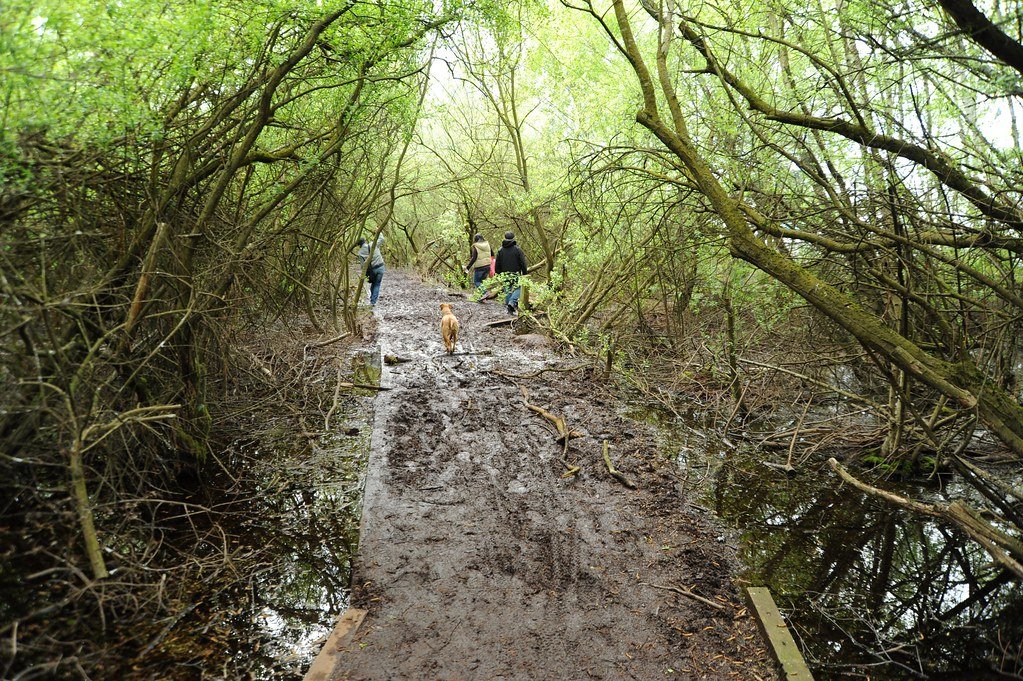
Tip: Ask your accommodation hosts about the next day’s route. Local knowledge about closures, muddy sections or detours can save time and stress.
How much does a walking holiday cost?
The cost of a walking holiday depends mainly on the destination, season, accommodation style, trip length and whether you book guided, self-guided or independently. Guided trips usually cost more because they include a leader and many meals, while independent trips can be cheaper but take more planning. Luggage transfers, travel and insurance add to the total.
Rather than relying on a single figure, build a simple budget. List accommodation per night, food per day, luggage transfers, transport to and from the route, insurance and a contingency amount for unexpected costs. Compare that with quotes from operators for similar routes.
What are common mistakes when planning a walking holiday?
Common mistakes when planning a walking holiday include planning daily distances that are too long, ignoring climbing, booking accommodation too late, skipping training, wearing new footwear, packing too much and forgetting about transport at the start and end of the route. Each one can make a pleasant trip feel hard work.
- Judging days by distance alone. Climbing and rough paths slow everyone down.
- No rest day on a long trip. A lighter day helps you recover and enjoy the area.
- Leaving bookings late. Small villages may have few beds in peak season.
- Forgetting insurance. Choose cover that includes walking at your planned altitude and location.
- Planning every minute. Leave space for detours, long lunches and bad weather.
How does a walking holiday compare with a cycling trip?
A walking holiday and a cycling trip share similar planning steps: route stages, accommodation, luggage transfers and training. Walking covers less ground each day, which gives more time to slow down, notice details and access paths bikes cannot use. Cycling covers more distance and suits people who want to see more of a region in the same time.
If you are deciding between the two, our guide on how to plan a cycling trip walks through the bike-specific steps. As a next step for your walking holiday, use how to plan a trip step by step to set your budget and booking timeline.
Frequently asked questions
How fit do you need to be for a walking holiday?
You need to be fit enough to walk your planned daily distance on similar terrain, day after day, with a daypack. Many walking holidays are designed for people of average fitness with regular walking habits. Choose a route graded to your level, train beforehand and check with a doctor if you have health concerns.
Is a self-guided walking holiday a good idea for beginners?
A self-guided walking holiday can suit beginners well, because a company handles accommodation and luggage transfers and provides route notes, while you walk at your own pace. You still need basic navigation skills and confidence to solve small problems. Choose a well-marked, popular route for a first self-guided trip.
How far in advance should I book a walking holiday?
Book as early as you reasonably can, especially for popular routes, peak seasons and small villages with limited rooms. Many walkers start planning several months ahead. If you plan independently, booking accommodation first gives you the most choice, then you can add transport and luggage transfers around those dates.
Do I need travel insurance for a walking holiday?
Travel insurance is strongly recommended for a walking holiday. Look for a policy that covers medical treatment, emergency evacuation and trip cancellation, and check that it includes walking or hiking at your planned altitude and location. Read the exclusions carefully, because some policies limit cover for remote or high mountain routes.
What footwear is best for a walking holiday?
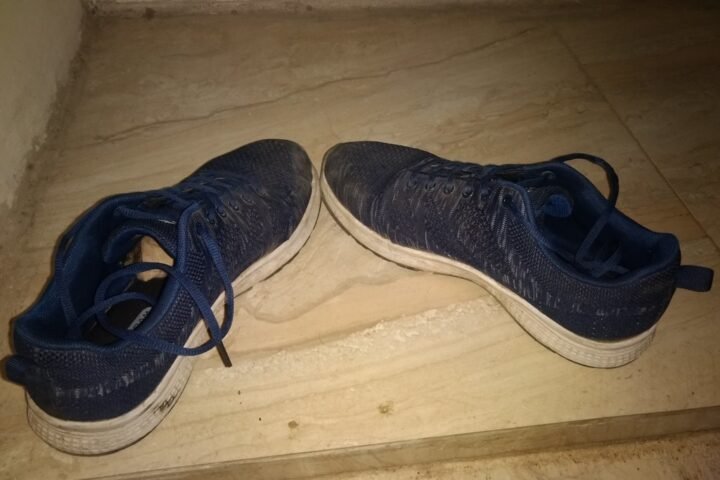
The best footwear is comfortable, broken-in shoes or boots suited to the terrain, with good grip and support. Trail shoes suit many well-maintained paths, while boots can help on rough, rocky or wet ground. Wear them on training walks before the trip, and pack spare walking socks to prevent blisters.
Featured photo: Wonderlane via Openverse (CC0).