On this page
To start walking for exercise, begin with short, easy walks most days of the week, wear comfortable supportive shoes, and add a few minutes at a time as walking starts to feel easier. Within a few weeks, many beginners can build toward the widely recommended goal of about 30 minutes of brisk walking on most days.
Walking is one of the simplest ways to become more active. It needs no gym, little gear and no special skill, and you can start from your front door today. This step by step guide covers how to get ready, how fast and how far to walk at first, a sample plan for your first six weeks, good walking form, and how to stay motivated once the novelty wears off.
Key takeaways
- Start small: short, comfortable walks you can repeat are better than one long walk that leaves you sore.
- Aim to build toward the CDC guideline of 150 minutes of moderate activity a week, such as 30 minutes of brisk walking on five days.
- Use the talk test: at a brisk pace you can talk but not sing.
- Comfortable, well-fitting shoes matter more than any other gear.
- Increase time gradually, adding a few minutes each week rather than doubling your distance.
- Talk to your doctor first if you have a health condition, are recovering from an injury or have been inactive for a long time.
How do you start walking for exercise as a beginner?
Start walking for exercise by choosing a time of day, a safe and easy route, and a starting length you can manage comfortably, often 10 to 15 minutes. Walk at a relaxed pace for the first few minutes, then a little faster. Repeat on most days, and lengthen walks gradually as they feel easier.
The steps below take you from your first walk to a steady routine.
- Check whether you should talk to a doctor first.
- Get comfortable shoes and clothing.
- Plan a short, safe route close to home.
- Find your starting point and walk at an easy pace.
- Learn the talk test to judge your effort.
- Warm up, walk briskly, then cool down.
- Build time gradually each week.
- Make walking part of your daily schedule.
- Track your progress and add variety.
Each of these is explained in detail below.
Should you talk to a doctor before starting a walking routine?
Most healthy adults can start a gentle walking routine without seeing a doctor first. Speak to a doctor or health professional before you begin if you have a heart, lung or joint condition, diabetes, high blood pressure, a recent injury or surgery, are pregnant, or have been inactive for a long time and feel unsure.
Your doctor can tell you how much activity is right for you and whether you need to watch for any symptoms. Stop walking and seek medical help straight away if you feel chest pain or pressure, severe shortness of breath, dizziness or faintness while walking. Call emergency services if symptoms are severe or do not settle quickly with rest.
What shoes and gear do you need to start walking?
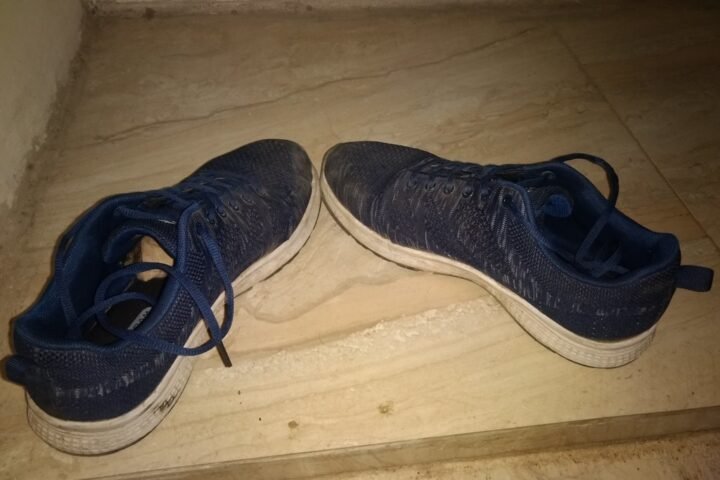
To start walking you need comfortable, supportive shoes that fit well, clothes that let you move freely and suit the weather, and a water bottle for longer or warmer walks. A phone, a light jacket and reflective or bright clothing for low light are also useful. You do not need special equipment to begin.
Shoes deserve the most attention. They should feel comfortable from the first wear, with room to wiggle your toes and a heel that stays in place. Our guide on how to choose walking shoes explains fit, cushioning and support, and our walking gear checklist for beginners covers the rest of what you might want as your walks get longer.
Beginner walking kit
| Item | Why it helps | Essential? |
|---|---|---|
| Supportive walking shoes | Comfort and fewer blisters or aches | Yes |
| Moisture-wicking socks | Reduce rubbing and keep feet drier | Yes |
| Weather-appropriate layers | Stay comfortable as you warm up | Yes |
| Water bottle | Hydration on longer or warmer walks | Often |
| Phone | Safety, maps and tracking | Recommended |
| Bright or reflective clothing | Visibility near roads and in low light | For dawn, dusk or dark |
| Sun hat and sunscreen | Protection on sunny days | Seasonal |
How fast should you walk for exercise?
For exercise, walk at a brisk pace where your breathing is faster but you can still hold a conversation. Health guidelines count brisk walking as moderate-intensity activity. A simple way to check is the talk test: at the right pace you can talk in full sentences but would find it hard to sing.
There is no single speed that suits everyone. Your brisk pace depends on your fitness, age, terrain and health. As you get fitter, the same effort will carry you faster and farther.
- Easy pace: you could sing or chat without effort. Good for warming up and cooling down.
- Brisk pace: breathing harder, can still talk but not sing. This is the main workout pace.
- Very hard pace: you can only say a few words at a time. Not needed for a beginner routine.
Tip: If you are too breathless to talk, slow down. Walking should feel like a steady effort, not a strain, especially in the first few weeks.
How long should a beginner walk each day?
A beginner can start with whatever length feels comfortable, often 10 to 15 minutes, and build gradually toward about 30 minutes on most days. The CDC recommends that adults get at least 150 minutes of moderate activity each week, and it notes that this total can be split into shorter sessions.
If 30 minutes feels like too much at first, break it up. Two or three 10-minute walks during the day still count toward your weekly total. Some days you might walk longer and others shorter. What matters is building a regular habit.
See the CDC physical activity guidelines for adults for the full recommendations, including muscle-strengthening activity on two or more days a week.
What does a beginner walking plan look like?
A beginner walking plan starts with short walks on most days, then adds a few minutes each week until you reach about 30 minutes of brisk walking five days a week. The example below is a gentle starting point. Repeat any week that feels hard, and move ahead only when the current week feels comfortable.
| Week | Walks per week | Time per walk | Focus |
|---|---|---|---|
| 1 | 3 to 5 | 10 to 15 minutes | Easy pace, build the habit |
| 2 | 4 to 5 | 15 minutes | Add a few brisk minutes |
| 3 | 5 | 15 to 20 minutes | Brisk for most of the walk |
| 4 | 5 | 20 to 25 minutes | Steady brisk pace |
| 5 | 5 | 25 to 30 minutes | Try a gentle hill |
| 6 | 5 | 30 minutes | Hold the routine |
This plan is a general example, not a medical program. If you have a health condition, follow the advice of your doctor. If you feel unusually tired or sore, take an extra rest day.
How do you warm up and cool down for a walk?
Warm up by walking at an easy pace for the first five minutes or so, letting your breathing and heart rate rise gradually. Cool down by slowing your pace for the last few minutes. Gentle stretches for your calves, thighs and hips after the walk can help you feel looser, as long as they feel comfortable.
- Start walking slowly and gradually pick up the pace over the first few minutes.
- Walk briskly for the main part of your session.
- Slow to an easy pace for the last few minutes.
- Finish with gentle stretches, holding each one without bouncing.
Stretching should never be painful. If something hurts sharply, stop and rest.
What is good walking form?
Good walking form means standing tall with your head up and eyes looking ahead, shoulders relaxed, arms bent and swinging naturally, and steps that land on your heel and roll through to your toes. Taking quicker, shorter steps is usually better than overstriding when you want to walk faster.
- Head and eyes: look ahead rather than down at your feet or phone.
- Shoulders: relaxed and down, not hunched toward your ears.
- Arms: bent at the elbows and swinging forward and back, close to your body.
- Core: stand tall without leaning forward or back.
- Feet: land on your heel, roll through the foot and push off from the toes.
- Stride: natural length. Speed up by taking more steps, not longer ones.
How do you make walking a daily habit?
Make walking a habit by scheduling it at the same time each day, linking it to something you already do, planning routes you enjoy, and keeping your shoes ready by the door. Walking with a friend, a dog or a local group adds company and accountability, which helps many people keep going.
- Walk at a set time, such as before work, at lunch or after dinner.
- Attach walking to an existing routine, like after your morning coffee.
- Plan a few favorite routes of different lengths.
- Walk with a friend, family member or walking group.
- Use part of your commute, such as getting off the bus one stop early.
- Have a backup plan for bad weather, like an indoor mall or a treadmill.
- Celebrate small wins, such as a full week of walks.
How do you track progress and add variety?
Track progress by noting the time, distance or steps of each walk in an app, a fitness tracker or a simple notebook. Add variety as you get fitter by trying hills, short intervals of faster walking, new routes, parks and easy trails. Variety keeps walking interesting and gives your body new, gentle challenges.
Ways to progress
- Add time. A few extra minutes per walk each week.
- Add hills. Gentle slopes increase effort without needing more time.
- Try intervals. Alternate a few minutes of faster walking with easier walking.
- Explore trails. Park paths and easy trails add interest and uneven ground.
If you start walking on trails or rougher paths, footwear starts to matter more. Our comparison of hiking boots vs. trail shoes explains which suits different types of terrain.
How do you stay safe while walking for exercise?
Stay safe by choosing well-lit routes with sidewalks or paths, facing traffic where there is no sidewalk, wearing bright or reflective clothing at dawn and dusk, keeping one earbud out or the volume low, carrying your phone, and dressing for the weather. Tell someone your route if you walk alone in quiet areas.
- In hot weather, walk early or late in the day, drink water and wear sun protection.
- In cold weather, wear layers, gloves and a hat, and watch for ice.
- At night, use a light and reflective gear so drivers can see you.
- If you feel pain, dizziness or unusual breathlessness, stop and rest, and seek medical help if it does not improve.
What are common mistakes when starting a walking routine?
Common mistakes include doing too much too soon, wearing worn-out or poorly fitting shoes, walking only on weekends, skipping the warm-up, and setting goals that are hard to keep. Most beginners do best with short, regular walks and slow increases, which reduce soreness and make the habit easier to keep.
- Too much, too soon. Sudden jumps in distance can lead to sore feet and joints.
- Wrong shoes. Old, stiff or tight shoes cause blisters and aches.
- All or nothing thinking. A 10-minute walk still counts.
- Ignoring pain. Mild muscle tiredness is normal, but sharp or lasting pain needs rest and, if it continues, advice from a professional.
- No plan. A set time and route make walking more likely to happen.
Frequently asked questions
Is walking 30 minutes a day enough exercise?
For many adults, 30 minutes of brisk walking on five days a week meets the CDC guideline of 150 minutes of moderate activity per week. The CDC also recommends muscle-strengthening activities on at least two days a week. Your own needs may differ, so ask a health professional if you have specific health goals.
How many days a week should a beginner walk?
Many beginners start with three to five days a week and build toward walking on most days. Short, regular walks help your body adjust and make the habit easier to keep. If you feel very tired or sore, add a rest day. Consistency over several weeks matters more than any single long walk.
Is it better to walk faster or longer?
Both have benefits. Walking briskly raises your effort, while walking longer adds total activity. Beginners usually do best by building time first at a comfortable pace, then adding brisk sections or hills once a regular routine feels easy. Use the talk test to keep your effort in a moderate, sustainable range.
What should I do if my feet or legs hurt after walking?
Mild muscle tiredness is common when you start, and it usually eases with rest and gradual progress. Check that your shoes fit well and are not worn out. If pain is sharp, causes swelling, makes you limp or lasts more than a few days, stop walking and speak to a doctor or physical therapist.
Sources and further reading
- CDC physical activity guidelines for adults
- CDC for physical activity basics and safety
This guide offers general information, not medical advice. Your next step: get the fit right before you build your routine with our guide on how to choose walking shoes.
Featured photo: DennisM2 via Openverse (CC0).