On this page
A beach vacation packing list starts with sun protection, swimwear and light, breathable clothes, then adds a beach bag with a towel, water bottle and waterproof phone pouch, plus documents, medication and a few toiletries. Pack light: most beach days need far fewer outfits than you expect, and many extras can be bought or rented on arrival.
This checklist is organized by category so you can pack quickly for a long weekend or a week on the coast. It covers what to wear, what to carry to the sand each day, how to protect your skin and gear, what to bring for kids, and how to fit it all in a carry-on if you prefer to travel light. Adjust it for your destination’s weather and activities.
Key takeaways
- Sun protection comes first: broad-spectrum sunscreen, a wide-brimmed hat, sunglasses and a cover-up.
- Two swimsuits let one dry while you wear the other.
- Pack light, quick-drying clothes in mix-and-match colors and one warmer layer for evenings.
- A small beach bag with a towel, water, snacks and a waterproof phone pouch covers most days.
- Check whether your destination restricts certain sunscreen ingredients before you buy.
- Many beach trips fit in a carry-on if you choose versatile pieces.
What should you pack for a beach vacation?
For a beach vacation, pack two swimsuits, a cover-up, light breathable clothes, sandals, a sun hat, sunglasses, broad-spectrum sunscreen, a beach towel, a reusable water bottle and a beach bag. Add documents, medication, a phone charger and basic toiletries. Everything else depends on your activities and where you are staying.
Here is the full checklist at a glance.
| Category | Key items | Notes |
|---|---|---|
| Swim and sun | Swimsuits, cover-up, sunscreen, hat, sunglasses | The most important category |
| Clothing | Shorts, tops, a dress or casual outfit, light layer | Quick-drying, breathable fabrics |
| Footwear | Sandals or flip-flops, walking shoes, water shoes | Hot sand and rocks can hurt bare feet |
| Beach bag | Towel, water bottle, snacks, phone pouch | Pack it the night before |
| Toiletries | After-sun lotion, lip balm with SPF, travel-size basics | Check carry-on liquid rules |
| Health | Medication, small first aid kit, insect repellent | Keep medication in your carry-on |
| Tech | Phone, charger, power bank, adapter | Keep away from sand and water |
| Documents | ID or passport, bookings, insurance | Keep on you, not in the beach bag |
What clothes should you pack for a beach trip?
Pack clothes for a beach trip that are light, breathable and quick-drying: shorts, a few tops, a sundress or casual shirt for evenings, a light long-sleeve layer for sun or cool nights, sleepwear and underwear. Linen, cotton blends and lightweight synthetics suit hot weather. Choose colors that mix and match so fewer pieces make more outfits.
Evenings by the sea can be breezy and cooler than you expect, so include one warmer layer. If you plan to eat out at nicer restaurants, check the dress code and pack one smarter outfit.
Clothing checklist
- 2 swimsuits
- 1 or 2 cover-ups
- 3 to 5 tops or tank tops
- 2 to 3 pairs of shorts or skirts
- 1 sundress or casual evening outfit
- 1 lightweight long-sleeve shirt for sun protection
- 1 light sweater or jacket for evenings
- Sleepwear
- Underwear and socks
- Rash guard for long swims or water sports
Tip: Pack a long-sleeve, lightweight shirt even in hot places. It shields your shoulders and arms from the sun during long days outside and doubles as a light layer at night.
How do you protect yourself from the sun at the beach?
Protect yourself at the beach with broad-spectrum sunscreen, a wide-brimmed hat, UV-protective sunglasses, a cover-up or rash guard, and shade during the strongest midday sun. Reapply sunscreen at least every two hours and after swimming, sweating or toweling off. Sand and water reflect sunlight, which adds to your exposure.
The CDC’s sun safety guidance recommends broad-spectrum sunscreen with SPF 15 or higher, plus shade, clothing, hats and sunglasses. Many people choose a higher SPF for long beach days. Apply sunscreen before you go outside and use enough to cover all exposed skin.
Sun protection checklist
- Broad-spectrum, water-resistant sunscreen
- Lip balm with SPF
- Wide-brimmed sun hat
- Sunglasses with UV protection
- Cover-up or rash guard
- Beach umbrella or pop-up shade, if your accommodation does not provide one
- After-sun lotion or aloe gel
Some destinations, including Hawaii, restrict sunscreens containing certain ingredients to protect coral reefs. Check local rules for your destination before you buy sunscreen.
What shoes do you need for a beach vacation?
For a beach vacation you need sandals or flip-flops for the sand and pool, a comfortable pair of walking shoes for exploring, and water shoes if beaches are rocky or have coral. Hot sand can burn bare feet, and sharp shells or rocks are common, so do not rely on going barefoot.
- Sandals or flip-flops: for the beach, pool and casual walking.
- Walking shoes or sneakers: for sightseeing, hikes or long walks.
- Water shoes: for rocky shores, tide pools, snorkeling and kayaking.
- Dressier sandals: if you plan nicer dinners.
What goes in your beach bag?
Your beach bag should hold a towel, sunscreen, a water bottle, snacks, sunglasses, a hat, a waterproof phone pouch, a small first aid kit, a book or entertainment, and a dry bag or zip bags for wet swimwear. Keep the bag light so it is easy to carry across sand.
Beach bag checklist
- Beach towel or quick-dry towel
- Sunscreen and lip balm
- Reusable water bottle
- Snacks
- Sunglasses and hat
- Waterproof phone pouch
- Small first aid kit
- Wet bag or zip bags for damp swimwear
- Book, e-reader or cards
- Small amount of cash or one card
- Hand sanitizer and wet wipes
- Snorkel and mask, if you plan to use them
Leave passports and most valuables locked in your room. Bring only what you need to the beach.
What toiletries and health items should you pack?
Pack travel-size toiletries, after-sun care, insect repellent, any prescription medication, a small first aid kit and personal items like contact lens supplies. Keep medication in your carry-on in its original packaging. Many beach destinations also have mosquitoes, so repellent is worth packing, especially for evenings.
Toiletries and health checklist
- Toothbrush and toothpaste
- Shampoo, conditioner and body wash, travel size
- Deodorant
- Moisturizer and after-sun lotion
- Insect repellent
- Prescription medication
- Motion sickness remedies, if you plan boat trips
- Small first aid kit with bandages and antiseptic
- Contact lens supplies or glasses
- Hairbrush, hair ties and a wide-tooth comb
If you are flying with carry-on only, check the liquid rules for your departure airport on the TSA website or your local equivalent, and choose solid toiletries where possible to save space.
What tech and documents should you bring to the beach?
Bring your phone, charger, a power bank, the right plug adapter for international trips, and a waterproof phone pouch. For documents, carry your passport or ID, booking confirmations and travel insurance details. Keep tech away from sand and salt water, and keep documents locked away rather than in your beach bag.
Tech and documents checklist
- Phone and charger
- Power bank
- Plug adapter, for international trips
- Waterproof phone pouch
- Headphones
- Camera, if you use one
- Passport or ID
- Booking confirmations, saved offline
- Travel insurance details
- Driver’s license, if you plan to rent a car
US travelers heading abroad can check entry requirements on travel.state.gov. UK travelers can use the foreign travel advice on gov.uk.
What should you pack for kids on a beach vacation?
For kids on a beach vacation, pack extra swimwear, rash guards, sun hats, child-safe sunscreen, water shoes, a change of clothes, snacks, sand toys and any medication. Bring swim diapers for babies and toddlers if needed. Children often need more sun protection and more spare clothes than adults.
Kids’ beach checklist
- 2 to 3 swimsuits per child
- Rash guards and sun hats
- Sunscreen suitable for children
- Water shoes
- Swim diapers, if needed
- Extra towels
- Sand toys and a bucket
- Snacks and refillable water bottles
- Change of clothes for the trip home
- Coast Guard approved life jackets for young or weak swimmers, where relevant
Keep a close eye on children near water at all times, even where lifeguards are on duty.
How do you pack a beach vacation in a carry-on?
Pack a beach vacation in a carry-on by choosing light, versatile clothes, limiting shoes to sandals plus one pair you wear, using solid or travel-size toiletries, and buying sunscreen at your destination if needed. Beach clothes are small and light, so a week of warm-weather outfits often fits easily in a cabin bag.
Our carry-on only packing list explains how to plan a capsule wardrobe, and our step by step guide on how to pack a carry-on bag shows how to roll, fold and use packing cubes. If you need a new bag, see how to choose carry-on luggage.
- Lay out outfits and remove anything that only works once.
- Roll swimwear, shorts and tops.
- Put sandals in a bag along the edge of your case.
- Pack toiletries in a clear liquids bag.
- Wear your bulkiest shoes and light jacket on travel day.
- Leave space for anything you buy on the trip.
How do you stay safe at the beach?
Stay safe at the beach by swimming near lifeguards, checking flag warnings and surf conditions, drinking plenty of water, taking breaks in the shade and watching children closely. Learn how to escape a rip current: stay calm, float, and swim parallel to the shore until you are out of the current, then swim back at an angle.
The National Weather Service rip current guidance explains how to spot and escape rip currents. Signs of heat illness include heavy sweating, dizziness, nausea and confusion. Move to shade, drink water and seek medical help if symptoms are severe or do not improve. Call emergency services for anyone who is confused or collapses.
- Swim at lifeguarded beaches when possible.
- Learn what the beach flag colors mean at your destination.
- Avoid swimming alone or after drinking alcohol.
- Leave the water if you hear thunder.
- Drink water regularly, even if you do not feel thirsty.
What are common beach packing mistakes?
Common beach packing mistakes include overpacking clothes, bringing only one swimsuit, forgetting a hat or after-sun care, packing valuables in the beach bag, and leaving sunscreen until arrival in places where it is expensive or limited. A short, focused list and one evening layer cover most beach trips well.
- Too many outfits. Beach days mostly mean swimwear and a cover-up.
- One swimsuit. A damp swimsuit is uncomfortable to put back on.
- No evening layer. Coastal nights can be cool and windy.
- No phone protection. Sand and water damage electronics quickly.
- Skipping reapplication. Sunscreen wears off with swimming and sweat.
For a shorter coastal getaway, our weekend trip packing list trims this list down further.
Frequently asked questions
How many swimsuits should I bring on a beach vacation?
Two swimsuits suit most beach vacations, because one can dry while you wear the other. For a long trip, frequent swimming or water sports, a third can help. A rash guard adds sun protection and is useful for snorkeling, surfing or long days in the water, especially for children.
What should I not forget on a beach vacation?
The items people most often forget are sunscreen, a hat, sunglasses, after-sun lotion, a phone charger and a waterproof phone pouch. Medication and travel documents are also easy to leave behind in a rush. Use a written checklist and pack these essentials first, before clothing and extras.
Can I bring sunscreen in my carry-on?
Yes, but sunscreen counts as a liquid, so it must follow the carry-on liquid rules for your departure airport, which usually means small containers in a clear bag. Sunscreen sticks are an option, though rules can still apply. Larger bottles can go in checked luggage, or you can buy sunscreen on arrival.
Do I need water shoes for the beach?
Water shoes are helpful on rocky beaches, around coral, in tide pools and for activities like kayaking and snorkeling. They protect your feet from sharp shells, rocks and hot sand. On soft, sandy beaches, sandals or flip-flops are usually enough. Check what the beaches at your destination are like before you pack.
Sources and further reading
- CDC for sun safety and heat illness guidance
- National Weather Service rip current safety
- TSA for US carry-on liquid rules
- travel.state.gov for US passport and entry requirements
Your next step: fit this whole list into one bag with our carry-on only packing list.
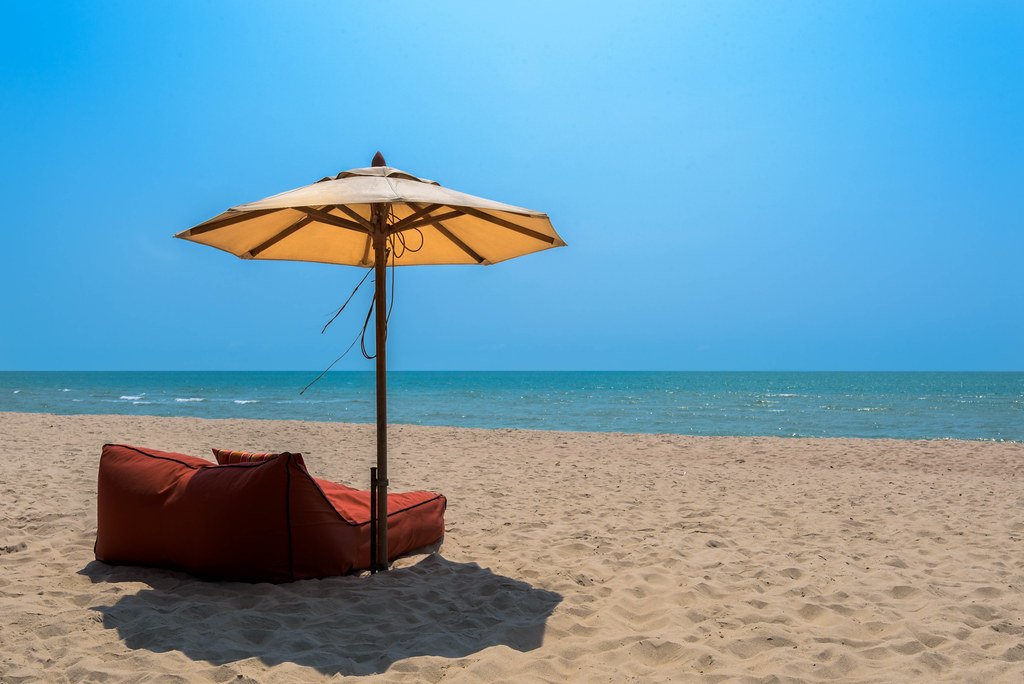
Featured photo: Mustang Joe via Openverse (CC0).