On this page
To travel on a budget, set a daily spending limit before you go, choose destinations and dates where your money goes further, and cut the big three costs: transport, accommodation and food. Then fill your days with free and low-cost activities, avoid hidden fees and track what you spend so small costs never add up to a nasty surprise.
Budget travel is not about doing without. It is about spending on what matters to you and trimming what does not. This guide covers each part of a trip in order, from choosing where and when to go to booking transport and stays, eating well for less, finding free things to do and keeping on track once you are away.
Key takeaways
- Set a total budget and a daily limit before you book anything, and add a buffer for surprises.
- Destination and timing matter most. Off-peak and shoulder seasons are often much cheaper.
- Be flexible with dates, airports and routes to find lower fares.
- Choose stays with a kitchen or free breakfast, and consider hostels, guesthouses or house sharing.
- Eat like a local, use public transport and plan free activities such as parks, walks and museums.
- Watch for hidden costs like bag fees, resort fees, card fees and tourist traps.
What is the first step to traveling on a budget?
The first step to traveling on a budget is setting a clear spending limit for the whole trip and a daily amount for on-the-ground costs. Knowing your numbers before you book helps you choose a destination, trip length and travel style that fit. Without a budget, small decisions add up and the trip costs far more.
Start with a simple framework:
- Decide the total amount you are comfortable spending.
- Estimate fixed costs such as flights, accommodation and insurance.
- Subtract those from the total to find what remains for daily spending.
- Divide that by the number of days to get your daily limit.
- Set aside a buffer of roughly 10 percent for surprises.
Our guide on how to create a travel budget walks through each category in detail, with a template you can reuse. If you still need to build up your fund, read how to save money for travel for a step-by-step savings plan.
How do you choose an affordable destination?
You choose an affordable destination by comparing typical daily costs for accommodation, food and transport, not just the price of getting there. A place with a cheap flight can still be expensive once you arrive. Look for destinations where your currency stretches further, where public transport is good and where free attractions are plentiful.
Questions to ask when comparing destinations:
- How much do mid-range stays and meals typically cost?
- Is public transport cheap, frequent and easy to use?
- Are there plenty of free parks, beaches, hikes or museums?
- Does the exchange rate work in your favor right now?
- Are there extra entry costs, such as visas or tourist taxes?
Travel close to home is often the cheapest choice of all. A road trip or train ride within your own country removes long-haul flights and sometimes visa costs entirely. National, state and provincial parks can offer great value for outdoor lovers.
Tip: Compare two or three possible destinations side by side using the same categories. The cheapest flight is not always the cheapest trip.
When is the cheapest time to travel?
The cheapest time to travel is usually during off-peak or shoulder seasons, the periods just before and after a destination’s busiest months. Flights and accommodation often cost less, crowds are smaller and you may get better service. Avoid school holidays, major festivals and public holidays if saving money is your top priority.
| Season | Typical prices | Crowds | What to know |
|---|---|---|---|
| Peak season | Highest | Busiest | Book early, expect sellouts |
| Shoulder season | Moderate | Moderate | Often the best balance |
| Off-peak season | Lowest | Quietest | Some services may close |
Shoulder season can be a sweet spot. Weather is often still pleasant, while prices and crowds start to fall. In off-peak seasons, check whether attractions, ferries or mountain roads have reduced hours or closures.
Midweek travel can also save money. Flights and hotels are often cheaper on certain weekdays than on weekends, though patterns vary by route and destination.
How do you save money on flights and transport?
You save money on flights and transport by staying flexible with dates and airports, comparing fares across several search tools, packing light to avoid bag fees and using trains or buses for shorter trips. Once you arrive, public transport, walking and day passes usually cost far less than taxis and car rentals.
Ways to cut transport costs:
- Search a range of dates rather than fixed days.
- Compare nearby airports for both departure and arrival.
- Set fare alerts and book when prices dip.
- Read the fare rules and add up bag and seat fees before comparing.
- Travel with a carry-on only when you can.
- Consider overnight trains or buses to save a night of accommodation.
- Buy local transport passes if you will use transport often.
Our guide on how to find cheap flights covers fare alerts, flexible search tools and timing tips in more depth.
Is renting a car worth it on a budget?
Renting a car can be worth it on a budget when you travel in a group, visit rural areas with poor public transport or plan many stops. Add up rental fees, insurance, fuel, tolls and parking before deciding. In cities with good transit, a rental car often costs more and adds stress.
How do you find cheap accommodation?
You find cheap accommodation by looking beyond standard hotels to hostels, guesthouses, budget hotels, vacation rentals, campgrounds and house sitting. Staying slightly outside the center near good transport often costs less. Choose places with a kitchen or free breakfast, and compare the total price including taxes and fees, not just the nightly rate.
| Option | Good for | Things to check |
|---|---|---|
| Hostels | Solo travelers, social trips | Private rooms, security, reviews |
| Guesthouses and B and Bs | Couples, local feel | Breakfast, location |
| Budget hotels | Privacy and simplicity | Total price with fees |
| Vacation rentals | Groups and families | Cleaning fees, kitchen |
| Campgrounds | Outdoor lovers | Facilities, bookings |
| House sitting | Longer stays | Responsibilities, trust |
Tips for saving on stays:
- Stay longer in one place, since weekly rates can be lower.
- Look for free cancellation so you can rebook if prices drop.
- Check reviews for cleanliness, safety and noise.
- Split a larger rental with friends to lower the cost per person.
How do you save money on food while traveling?
You save money on food while traveling by eating your main meal at lunch, shopping at local markets and grocery stores, using a kitchen when you have one and choosing places where locals eat. Carry a refillable water bottle and snacks so you are not forced into expensive tourist spots when hunger hits.
Food habits that stretch your budget:
- Eat a big breakfast if it is included with your stay.
- Make lunch your main restaurant meal, since lunch menus are often cheaper.
- Buy picnic supplies from markets and eat in parks or on beaches.
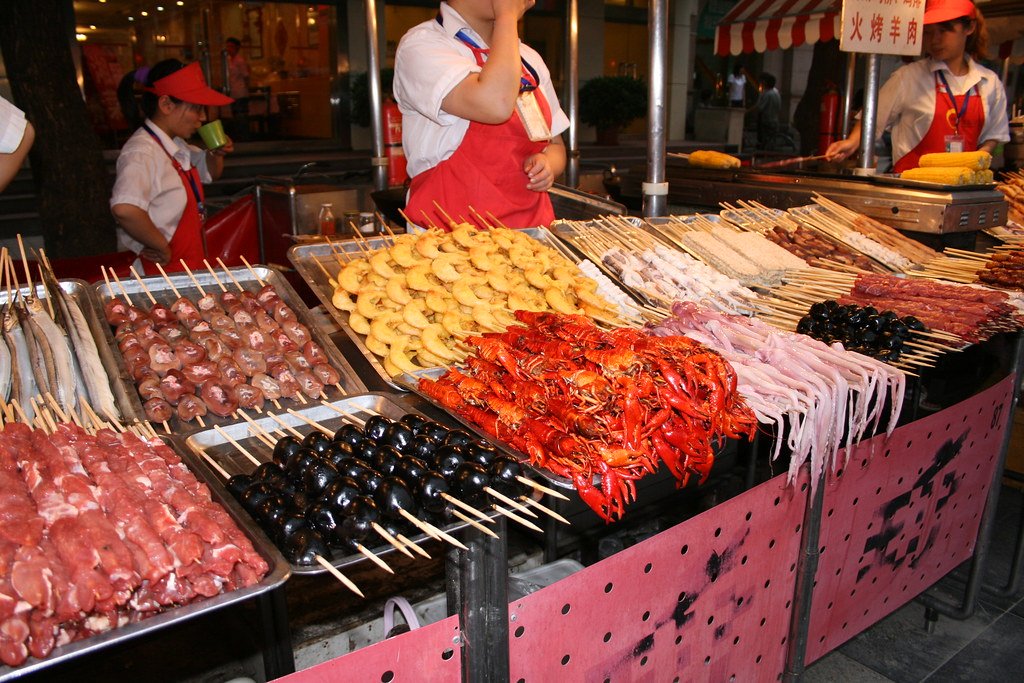
- Try street food from busy stalls with high turnover.
- Avoid restaurants right next to major attractions.
- Carry a refillable water bottle where tap water is safe to drink.
Food is part of the experience, so do not cut it completely. Choose a few special meals you really want, and save on the rest.
How can you find free and cheap things to do?
You can find free and cheap things to do by exploring parks, beaches, hiking trails, free museum days, walking tours, markets and local festivals. Many cities have free cultural events, and tourist offices often list them. Outdoor activities like hiking and swimming cost little, and they are often the most memorable parts of a trip.
Ideas for low-cost days:
- Join a free walking tour and tip what you can.
- Check museum websites for free or reduced entry days.
- Hike local trails or visit public gardens.
- Explore neighborhoods on foot and visit local markets.
- Look for free concerts, festivals and community events.
- Buy a city pass only if you will visit enough paid attractions to make it worthwhile.
Plan a mix of free and paid activities. Choose one or two paid experiences that matter most to you, and fill the rest of your time with free options.
What hidden travel costs should you watch for?
Hidden travel costs to watch for include checked bag and seat selection fees, resort and cleaning fees, foreign transaction and ATM fees, dynamic currency conversion, roaming charges, tourist taxes and airport transfers. They often appear late in the booking process or after you arrive, so read the full price before you commit.
| Hidden cost | Where it appears | How to avoid it |
|---|---|---|
| Bag and seat fees | Budget airlines | Pack light, skip seat selection |
| Resort or cleaning fees | Hotels and rentals | Compare total price |
| Card and ATM fees | Payments abroad | Use low-fee cards, fewer withdrawals |
| Paying in home currency | Card terminals | Choose local currency |
| Roaming charges | Your phone | Use an eSIM or Wi-Fi |
| Airport transfers | Arrival | Research public transport options |
| Tourist taxes | Accommodation | Factor them into your budget |
Rules for fees, taxes and baggage change often and vary by country and company. Always check the official airline, hotel or government site for current details.
How do you stick to your budget while traveling?
You stick to your budget while traveling by tracking spending every day, comparing it with your daily limit and adjusting quickly if you go over. A simple notes app or spreadsheet works. Keep a separate amount for emergencies, and plan cheaper days after more expensive ones so the overall trip stays on budget.
Daily habits that help:
- Log every purchase the same day, even small ones.
- Check your total each evening against your daily limit.
- Balance a costly day with a free or low-cost day.
- Withdraw cash in planned amounts rather than often.
- Keep your emergency buffer separate and untouched.
Tip: Give yourself a small daily “treat” amount within your budget. It reduces the urge to overspend and makes budget travel feel generous rather than strict.
What are common budget travel mistakes?
Common budget travel mistakes include choosing the cheapest option every time regardless of value, ignoring hidden fees, skipping travel insurance, overpacking the itinerary, booking nonrefundable stays too early and not tracking daily spending. Some savings cost you more in time, comfort or safety, so think about total value, not only price.
| Mistake | Why it backfires | Better approach |
|---|---|---|
| Always choosing the cheapest | Poor value, wasted time | Compare value, not only price |
| Ignoring fees | Budget surprises | Read the full price |
| Skipping insurance | High costs if things go wrong | Choose a suitable policy |
| Packing too much in | Costly transport, fatigue | Slow down, fewer bases |
| No spending log | Overspending | Track daily |
| Unsafe savings | Risk to you and your belongings | Pay a little more for safety |
Budget travel works best when it still feels good. Spend where it matters to you, save where it does not and keep some flexibility for the unexpected.
Ready to put this into practice? Use our guide on how to plan a trip step by step to turn your budget into a full itinerary.
Frequently asked questions
How can you travel cheaply?
You can travel cheaply by setting a daily budget, traveling in shoulder or off-peak seasons, staying flexible with dates and airports, choosing hostels, guesthouses or rentals with kitchens, eating at markets and local spots and using public transport. Fill your days with free activities like hiking, walking tours and parks to keep costs low.
What is a good daily budget for travel?
A good daily budget for travel depends on your destination, travel style and the time of year, so there is no single number that fits every trip. Research current prices for accommodation, food and transport where you are going, add them up per day and include a small buffer for surprises and treats.
Is it cheaper to travel in the off-season?
It is usually cheaper to travel in the off-season because demand is lower, so flights and accommodation often cost less. Crowds are smaller too. The trade-offs can include colder or wetter weather and reduced opening hours for some attractions. Shoulder seasons often give a good balance of lower prices and pleasant conditions.
How do you save money on accommodation when traveling?
Save money on accommodation by comparing hostels, guesthouses, budget hotels and vacation rentals, staying slightly outside the center near good transport, and booking places with a kitchen or free breakfast. Compare the total price including fees and taxes, look for weekly rates on longer stays and split rentals with friends when you can.
Can you travel on a budget with a family?
Yes, you can travel on a budget with a family. Choose rentals with kitchens, travel outside school holidays where possible, look for family or child discounts and focus on free activities like parks, beaches and hiking. Road trips and camping can be especially good value, since one vehicle or campsite covers everyone.
Featured photo: Gary Lee Todd, Ph.D. via Openverse (CC0).