On this page
To build a daily walking habit, start with a walk so short it feels almost too easy, attach it to something you already do every day, and protect the time like an appointment. Repeat it at the same time and place until it runs on autopilot, then add minutes slowly.
Most people do not fail at walking because walking is hard. They fail because the plan is too big, too vague or too dependent on motivation. This guide walks you through a simple, repeatable system: how to set a starting point, where to fit the walk into a busy day, what to do on bad weather days and how to keep going once the novelty wears off.
Key takeaways
- Start with 5 to 10 minutes a day. A small walk you actually take beats a long walk you skip.
- Anchor the walk to an existing routine, such as right after breakfast or right after you close your laptop.
- Prepare the night before: shoes by the door, a jacket on the hook and a route already chosen.
- Track a simple streak, not just distance, so the habit itself becomes the goal.
- Plan for bad days in advance with an indoor or shortened backup walk.
- Increase time gradually, by a few minutes a week, once the habit feels automatic.
What does a daily walking habit actually mean?
A daily walking habit means walking at roughly the same time each day without having to talk yourself into it. The length matters less than the consistency. A 10 minute walk you take every day builds the habit faster than an hour long walk you take once a week when you feel inspired.
Habits form through repetition in a stable context. When you walk at the same time, from the same door, after the same cue, your brain starts to link that cue with walking. Over weeks, the decision gets smaller and the action gets easier.
That is why this guide focuses on routine first and fitness second. Fitness follows naturally once you show up every day. If you want a broader plan for walking as exercise, including pace and weekly targets, read our guide on how to start walking for exercise.
How much walking should you aim for?
Public health guidance in the US, from the CDC, suggests that adults aim for about 150 minutes of moderate activity a week, and brisk walking counts. Spread over a week, that works out to roughly 20 to 25 minutes a day. You do not need to start there. Treat it as a destination you build toward, not a day one requirement.
If you have a health condition, are recovering from an injury or have not been active for a long time, talk with your doctor before raising your activity level.
How do you build a daily walking habit step by step?
You build a daily walking habit by making the walk small, specific and tied to a cue you already have. Pick a fixed time, choose an easy route, get your gear ready the night before and track each day you walk. Then repeat the same pattern for several weeks before making the walk longer.
Here is the full process in order.
- Choose your starting length. Pick a time that feels slightly too easy, such as 5 or 10 minutes. You want a walk you could do even on a tired, busy day.
- Pick an anchor. Attach the walk to something that already happens daily: after your morning coffee, after you drop the kids at school, after lunch or after you shut down your work computer.
- Write the plan as one sentence. For example: “After I finish lunch, I will walk around the block for 10 minutes.” Specific plans are easier to follow than “walk more.”
- Choose a default route. A loop from your front door removes one more decision. Save a longer route for days when you feel good.
- Prepare the night before. Put your shoes by the door, set out a jacket and charge your phone or headphones.
- Walk, then mark it. Tick a calendar, log it in a notes app or use a step counter. The small reward of marking the day helps the habit stick.
- Keep the same plan for at least three to four weeks. Resist the urge to double the distance after a great week. Let the routine settle first.
- Add time slowly. Once the walk feels automatic, add a few minutes a week until you reach your target.
Tip: On days you really do not want to go, promise yourself only the first five minutes. Most days, once you are outside, you will keep going. On the days you do not, you still kept the streak.
When is the best time of day to walk?
The best time of day to walk is the time you can repeat most reliably. Morning walks are easier to protect because fewer things interrupt them. Lunch walks break up long sitting. Evening walks help many people unwind. Pick the slot with the fewest competing demands, then keep it consistent for a few weeks.
Each time slot has trade-offs. This table can help you pick a starting point.
| Time of day | Why it works | Watch out for |
|---|---|---|
| Early morning | Few interruptions, sets the tone for the day | Dark mornings in winter, cold starts |
| Midmorning break | Breaks up desk time, easy to add | Meetings creeping into the slot |
| After lunch | Natural pause, fits most workdays | Heat in summer, rushed lunches |
| After work | Clear end to the workday, helps you unwind | Fatigue, evening plans, early darkness |
| After dinner | Relaxed pace, good with family or a partner | Late finishes, low light |
If your schedule changes from day to day, anchor the walk to an event rather than a clock time. “After my last meeting” works even when the last meeting moves.
Can you split your daily walk into shorter walks?
Yes. Several short walks can add up to the same total time as one long walk. Two 10 minute walks or three short walks around meals can be easier to fit into a busy day. For habit building, it helps to keep one walk as your “anchor walk” at a fixed time and treat any extra walks as a bonus.
How do you make time for a walk on a busy day?
You make time for a walk on a busy day by shrinking it rather than skipping it. Keep a short backup version, such as five minutes around the block, and treat it as a full success. Combining the walk with something you already do, like a phone call or an errand, also removes the need to find extra time.
Busy days are where most habits break. A few simple swaps help:
- Take phone calls on foot when you do not need a screen.
- Walk to a nearby shop, post office or coffee place instead of driving.
- Park farther from the entrance at work or the store.
- Use part of a school pickup wait for a quick loop.
- Turn a one to one meeting into a walking meeting if your workplace allows it.
- Walk while a meal cooks in the oven or a load of laundry runs.
If you are short on time most days, our guide to outdoor habits for busy people has more ideas for fitting time outside into a packed schedule.
What do you need to start walking every day?
To start walking every day you need comfortable, supportive shoes, weather appropriate layers and a safe route. That is it. Extra gear, such as a step counter, rain jacket or reflective layer, makes walking more pleasant and safer, but it should never become a reason to delay starting.
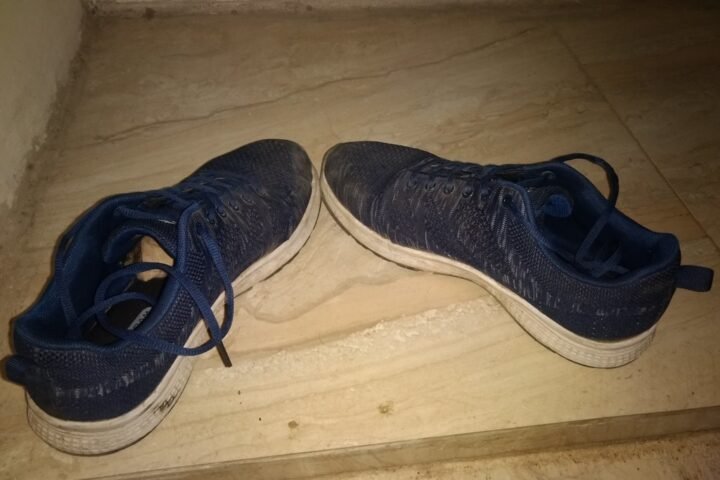
Shoes matter most. Walking in worn out or poorly fitting shoes is one of the fastest ways to end a new habit with sore feet. Our guide on how to choose walking shoes explains fit, cushioning and support in plain terms. If you plan to walk on dirt paths or park trails, the differences in hiking boots vs. trail shoes will help you decide whether you need anything more rugged.
A simple starter kit might include:
- Supportive shoes that fit well and have not lost their cushioning
- Socks that do not bunch or rub
- A light layer you can tie around your waist when you warm up
- A rain jacket or umbrella for wet days
- Something reflective or a small light for walking in low light
- A water bottle on warm days or longer walks
For a fuller list by season, see our walking gear checklist for beginners.
How do you stay motivated to walk every day?
You stay motivated to walk every day by relying less on motivation. Make the walk easy to start, reward yourself for showing up and add variety so it does not feel stale. Tracking a streak, walking with someone and pairing the walk with something you enjoy all help carry you through low energy days.
Motivation rises and falls. A strong habit carries you through the low points. These approaches help:
Track a streak, not just steps
Mark each day you walk on a paper calendar or in an app. Seeing a chain of days builds a quiet pull to keep it going. If you miss a day, aim to never miss two in a row.
Pair the walk with something you enjoy
Save a favorite podcast, audiobook or playlist for walk time only. The walk becomes the place you get to enjoy it. Some people use walks for calls with friends or family.
Walk with someone
A partner, neighbor, coworker or dog makes it harder to skip. Even a regular weekly walk with a friend can anchor the rest of your week.
Add variety on purpose
Once the habit is stable, try a new park, a different neighborhood or a short trail on weekends. Small changes keep the walk interesting without adding friction on weekdays.
Set a small, visible goal
A month long streak, a new route each weekend or a short charity walk can give you something to aim for. Keep goals realistic so they encourage rather than pressure you.
What should you do on bad weather days?
On bad weather days, switch to a backup plan you decided on in advance. That might be a shorter walk in rain gear, laps inside a mall or large store, walking stairs at home or a few minutes of marching in place. Deciding ahead of time keeps the streak alive without forcing you into unsafe conditions.
Bad weather is a predictable obstacle, so treat it like one:
- Light rain: A rain jacket or umbrella and quick drying socks are usually enough for a short walk.
- Heat: Walk early or late in the day, choose shaded routes and carry water. Shorten the walk on very hot days.
- Cold: Layer up, cover your hands and ears and watch for icy patches on sidewalks.
- Darkness: Wear reflective clothing or a small light and pick well lit routes.
- Storms or dangerous conditions: Stay indoors. Walk inside, or count a rest day without guilt.
Check your local forecast, for example at weather.gov in the US, before heading out when conditions look uncertain. Readers in the UK, Canada and Australia can use their national weather services in the same way.
What are the most common mistakes when building a walking habit?
The most common mistakes when building a walking habit are starting too big, relying on motivation, ignoring footwear and quitting after one missed day. Each one is easy to fix. Start small, use cues and preparation, wear supportive shoes and treat a missed day as a pause, not the end of the habit.
| Mistake | Why it backfires | Better approach |
|---|---|---|
| Starting with long walks | Feels like a chore and is easy to skip | Start with 5 to 10 minutes |
| Walking “whenever there is time” | There is rarely spare time | Tie the walk to a fixed cue |
| Increasing too fast | Leads to soreness and burnout | Add a few minutes a week |
| Wearing worn out shoes | Sore feet, blisters, aches | Replace shoes that have lost support |
| All or nothing thinking | One missed day ends the habit | Never miss two days in a row |
| No bad weather plan | Rain or heat breaks the streak | Decide your backup walk in advance |
Tip: If you notice pain that does not ease with rest, or new chest pain, dizziness or shortness of breath while walking, stop and contact a medical professional. For sudden severe symptoms, call emergency services.
How do you increase your walking once the habit sticks?
Once the habit sticks, increase your walking gradually by adding a few minutes at a time, picking up the pace for short stretches or adding small hills. Change only one thing per week so your body adjusts. The goal is steady progress that keeps the walk enjoyable rather than turning it into a burden.
There are several ways to progress. Choose one at a time.
- Add time. Add a few minutes to your daily walk each week until you reach your target.
- Add pace. Walk briskly for a minute or two, then return to a comfortable pace. Repeat a few times.
- Add terrain. Include a gentle hill, a park path or a short trail on weekends.
- Add a second walk. Keep your anchor walk and add a short walk after another meal.
- Plan a longer weekend walk. A longer outing on Saturday or Sunday gives you something to look forward to.
Brisk walking is usually described as a pace where you can still talk but would find singing difficult. That simple test helps you judge effort without any gadgets.
When you are ready to take your walks off pavement, our beginner hiking guide explains how to choose an easy trail and what to bring.
How long does it take for walking to become a habit?
Walking becomes a habit after several weeks to a few months of steady repetition, and the time varies widely from person to person. Simple routines tied to a clear daily cue tend to become automatic faster. Missing an occasional day does not reset the process, so focus on overall consistency rather than perfection.
Signs your habit is taking hold:
- You start walking without debating it.
- You feel restless or notice something is missing on days you skip.
- You prepare your shoes and layers without thinking.
- You naturally look for ways to add a little more walking.
When you reach this point, you can be more flexible with timing. The habit no longer needs strict rules to survive.
Your next step
Pick your anchor and your starting length today, write your one sentence plan and put your shoes by the door tonight. Then check that your shoes and layers are up to the job with our walking gear checklist for beginners, so nothing slows you down on day one.
Frequently asked questions
How long should a daily walk be for beginners?
A daily walk for beginners can be as short as 5 to 10 minutes. The goal in the first few weeks is consistency, not distance. Once walking feels routine, add a few minutes each week. Many adults gradually build toward about 20 to 30 minutes a day, which lines up with common public health guidance.
Is it better to walk in the morning or evening?
Neither morning nor evening is better for building a habit. The best time is the one you can repeat most reliably. Morning walks face fewer interruptions, while evening walks help many people relax after work. Choose the slot with the fewest competing demands and keep it the same for several weeks.
What if I miss a day of walking?
If you miss a day of walking, simply walk the next day. One missed day does not undo your progress. A helpful rule is to never miss two days in a row. If you keep missing days, your plan may be too ambitious, so shorten the walk or move it to an easier time slot.
Do I need special shoes to walk every day?
You do not need special shoes, but you do need comfortable, supportive shoes that fit well. Shoes that have lost their cushioning or rub your feet can cause blisters and soreness that end a new habit early. Replace worn out shoes and choose a pair designed for walking or light running.
Can walking indoors count toward a daily habit?
Walking indoors counts toward a daily walking habit. Walking laps at a mall or large store, using stairs or walking on a treadmill all keep the routine alive when weather or safety make outdoor walking difficult. Having an indoor backup plan is one of the best ways to protect your streak.
Sources and further reading
Featured photo: Image Catalog via Openverse (CC0).