On this page
To choose an anti-theft travel bag, start with the style you will actually carry every day, such as a crossbody, sling or backpack, then look for the security features that stop common theft: zippers that lock or hide, cut-resistant fabric and straps, and a way to secure the bag to a chair or rail. Comfort and size matter as much as security.
No bag makes theft impossible. A good anti-theft bag makes you a harder target than the person next to you, which is often enough. This buying guide explains which features matter, which are mostly marketing, and how to match a bag to the kind of travel you do.
Key takeaways
- Most bag theft is quick and opportunistic: pickpocketing, bag snatching and grabbing a bag left on a chair. Choose features that slow these down.
- Locking or hidden zippers, cut-resistant straps and a lockable strap are the most useful features.
- Pick a bag style you will wear correctly all day, usually crossbody or a backpack you can swing to the front.
- RFID-blocking pockets are a minor extra, not a reason to buy a bag.
- Habits matter as much as hardware: keep the bag in front, closed and in sight.
What is an anti-theft travel bag?
An anti-theft travel bag is a bag designed to make pickpocketing, slashing and grab-and-run theft harder. Typical features include zippers that lock or tuck away, fabric and straps that resist cutting, hidden pockets, and a strap that can be looped around a fixed object. The goal is to slow a thief down enough that they move on.
Most features target one of three common situations:
- Pickpocketing: someone opens a zipper or pocket in a crowd without you noticing.
- Slashing: someone cuts the bag or strap to remove items or the whole bag.
- Snatching: someone grabs a bag from your shoulder, a chair or a table and runs.
Understanding which threat you are guarding against makes it easier to judge each feature. A city break with packed metro trains has different risks from a beach day or a long train ride where you might doze off.
Which anti-theft features actually matter?
The anti-theft features that matter most are locking or concealed zippers, cut-resistant fabric and straps, a strap that locks around a fixed object, and pockets placed against your body. These directly slow pickpockets, slashers and snatchers. Extras such as RFID-blocking pockets or built-in charging ports are convenient but do far less to stop theft.
| Feature | What it stops | How useful |
|---|---|---|
| Locking zipper pulls | Quick pickpocketing | High |
| Hidden or tucked zippers | Opening the bag unnoticed | High |
| Cut-resistant strap | Strap slashing and snatching | High |
| Cut-resistant fabric panels | Slashing the bag body | Moderate to high |
| Lockable strap or clip | Grabbing from chairs or racks | High when seated |
| Back-facing pockets | Access from behind | High on backpacks |
| RFID-blocking pocket | Contactless card skimming | Low to moderate |
| Water-resistant fabric | Rain, not theft | Practical bonus |
Locking and hidden zippers
Locking zippers clip into a small hook, loop or magnetic catch so they cannot be slid open with one quick pull. Hidden zippers sit under a flap or face your back, so a thief cannot reach them easily. Both work well against crowd pickpocketing. Check that the mechanism is easy for you to open, or you may stop using it.
Cut-resistant fabric and straps
Some bags use straps with an internal wire or cable, and panels lined with a mesh or tough material that resists slicing. These protect against slash-and-grab theft. Look for straps that are reinforced along their whole length, including where they attach to the bag, since a weak connection point defeats a strong strap.
Lockable straps
A strap that can wrap around a chair leg, table or luggage rack and clip back onto the bag makes it hard to grab while you eat, work or rest. This is one of the most useful features for cafes, trains and airports.
Tip: When you sit down, loop your strap around your leg or the chair, even for a minute. Many bag thefts happen when a bag is placed beside or behind a seated traveler.
Which bag style is best for theft prevention?
The best bag style for theft prevention is one you can keep in front of your body and in your sight, usually a crossbody bag or a sling. Backpacks hold more but sit behind you, so they need back-facing zippers or a habit of swinging them to the front in crowds. Tote bags are generally the easiest to reach into.
| Style | Security strength | Weak point | Best for |
|---|---|---|---|
| Crossbody bag | Sits in front, hard to snatch | Limited space | City days, sightseeing |
| Sling bag | Easy to swing to the front | Single strap, small size | Light days, festivals |
| Travel backpack | Holds a lot, hands free | Sits behind you | Day trips, airports, laptops |
| Waist or belt bag | Close to body, in front | Small, visible | Phones, cards, passports |
| Tote | Easy to use | Open top, easy access | Low-risk errands only |
If you need to carry a laptop or a camera, a backpack may be your only practical choice. In that case, look closely at the zipper design and wear it on the front in crowded places. Our guide on how to choose a travel backpack covers capacity, fit and comfort for longer trips.
How do you choose the right size anti-theft bag?
Choosing the right size anti-theft bag means carrying only what you need each day, so the bag stays light, close to your body and easy to watch. A small crossbody or sling works for phone, wallet, passport and a few essentials. A daypack size suits days with a jacket, water and a laptop.
Questions to ask about size:
- What will you carry every day? Make a short list.
- Will you need a laptop, tablet or camera?
- Do you want space for a water bottle, a light jacket or snacks?
- Will this bag also count as your personal item on flights?
- How long will you wear it on an average day?
If your bag will double as your flight personal item, check airline size limits for your fare. Our guide on how to choose carry-on luggage explains how carry-on and personal item allowances work.
What materials and build quality should you look for?
Look for durable, tightly woven fabric, reinforced straps, strong stitching at stress points, smooth zippers that do not catch, and lining that will not tear easily. Water-resistant fabric is useful for rain. A well-made bag lasts longer and holds its security features together, while a cheap one can tear at the seams.
Build quality checks:
- Zippers: Run them open and closed several times. They should move smoothly without snagging.
- Stitching: Check strap attachment points and corners for double or reinforced stitching.
- Hardware: Clips and buckles should feel solid and close firmly.
- Strap adjustment: The strap should adjust easily and stay at the length you set.
- Lining: A light-colored lining makes it easier to find small items.
- Weight: Lift the empty bag. Security features add some weight, so make sure it still feels comfortable.
Manufacturers describe materials in different ways, and cut resistance claims are not tested to a single standard across all bags. Read product descriptions carefully and check whether the claim covers the straps, the body panels or both.
Do anti-theft bags need RFID blocking?
Anti-theft bags do not need RFID blocking for most travelers. RFID-blocking pockets are designed to stop wireless reading of contactless cards and some passports, but this type of theft is far less common than pickpocketing or bag snatching. Treat RFID blocking as a small bonus, not a deciding feature.
Modern contactless cards and e-passports also include their own security measures, which reduces the value of skimmed data. If you want to understand the debate in more depth, our article on whether you need an RFID-blocking wallet weighs the arguments.
How do you organize an anti-theft bag?
Organize an anti-theft bag by putting your most valuable items in the hardest-to-reach pocket, usually the one against your body, and keeping everyday items such as a map or snacks in easier pockets. Split money and cards between places, so losing one pocket or bag does not leave you without anything.
A simple layout:
- Back pocket against your body: passport, main card, backup cash.
- Main compartment: phone, power bank, water, light jacket.
- Small outer pocket: tissues, lip balm, a little cash for small purchases.
- Somewhere else entirely: a backup card kept in your accommodation safe or a separate bag.
Small pouches help keep things in place. Our guide on how to choose packing cubes covers organizers that also work inside a daypack. If you carry a power bank to keep your phone running, see how to choose a power bank for travel for size and safety tips.
Which travel habits matter more than the bag?
The travel habits that matter more than the bag are keeping it in front in crowds, never hanging it on the back of a chair, keeping zippers closed and locked, and not putting your phone on cafe tables. Even the most secure bag will not help if it is left open, out of sight, or unattended for a moment.
Everyday anti-theft habits:
- Wear your bag in front in crowds, queues and on public transport.
- Keep zippers fully closed and clipped.
- Keep your phone in your bag or a front pocket, not on the table.
- Loop your strap around your leg or chair when seated.
- Keep your hand on your bag in packed spaces such as markets and trains.
- Do not set your bag down to take photos.
- Carry only what you need for the day and leave the rest in a safe or locked luggage.
Tip: Practice opening and closing all the security features at home before your trip. If the system is fiddly, you will be tempted to leave it open, which removes most of its value.
What are common mistakes when buying an anti-theft travel bag?
Common mistakes when buying an anti-theft travel bag include choosing features over comfort, buying a bag too large for daily use, trusting security claims without checking the details, and picking a style that sits out of sight. Another mistake is assuming the bag replaces sensible habits, which it never does.
- Buying for features, not fit. An uncomfortable bag gets left behind.
- Going too big. Large bags are harder to watch and control.
- Ignoring strap attachment points. A strong strap needs strong connections.
- Choosing a fiddly system. If it is hard to use, you will not use it.
- Relying on RFID claims. It protects against a less common risk.
- Skipping habits. The bag helps, but awareness does most of the work.
Anti-theft travel bag buying checklist
This anti-theft travel bag buying checklist brings the key criteria together so you can compare bags quickly in a store or online. Check each point against the bag you are considering. A bag that meets most of these, and feels comfortable for a full day of walking, is a sound choice for most trips.
| Check | Question to ask |
|---|---|
| Style | Can I keep it in front and in sight? |
| Zippers | Do they lock, hide or face my body? |
| Straps | Are they reinforced along the whole length? |
| Fabric | Are body panels cut-resistant? |
| Lockable strap | Can I secure it to a chair or rail? |
| Size | Does it fit my daily essentials and no more? |
| Comfort | Is it comfortable after a long walk? |
| Build | Are stitching, zippers and buckles solid? |
Once you have chosen your bag, plan what goes in it for your first trip. Our weekend trip packing list is a good place to start for short city breaks.
Frequently asked questions
Do anti-theft bags really work?
Anti-theft bags can reduce the risk of common theft by making bags harder to open, cut or grab quickly. Most thieves look for easy targets and move on when something takes extra effort. No bag is theft-proof, though, so combine one with simple habits such as keeping it in front, closed and in sight.
What is the safest type of bag for travel?
For many travelers, the safest everyday bag is a crossbody or sling worn in front of the body, with locking or hidden zippers and a reinforced strap. Backpacks can also be secure if their zippers face your back and you swing them to the front in crowds. Choose the style you will wear correctly.
Is a backpack or crossbody bag better for preventing theft?
A crossbody bag is usually better for preventing theft in crowded places, because it sits in front where you can see and touch it. A backpack carries more and spreads weight better, but it sits behind you. If you need a backpack, choose back-facing zippers and wear it on the front in crowds.
Are slash-proof bags worth it?
Slash-resistant bags are worth considering if you will spend time in crowded cities, markets or transit hubs where bag cutting is a known risk. Check whether the protection covers the straps, body panels or both. For quieter destinations, good zippers and careful habits may matter more than cut-resistant materials.
What should I keep in an anti-theft bag?
Keep only what you need for the day: phone, a card, some cash, ID or passport if required, and essentials like water or a light jacket. Put the most valuable items in the pocket against your body. Leave backup cards and extra cash in your accommodation safe or a separate locked bag.
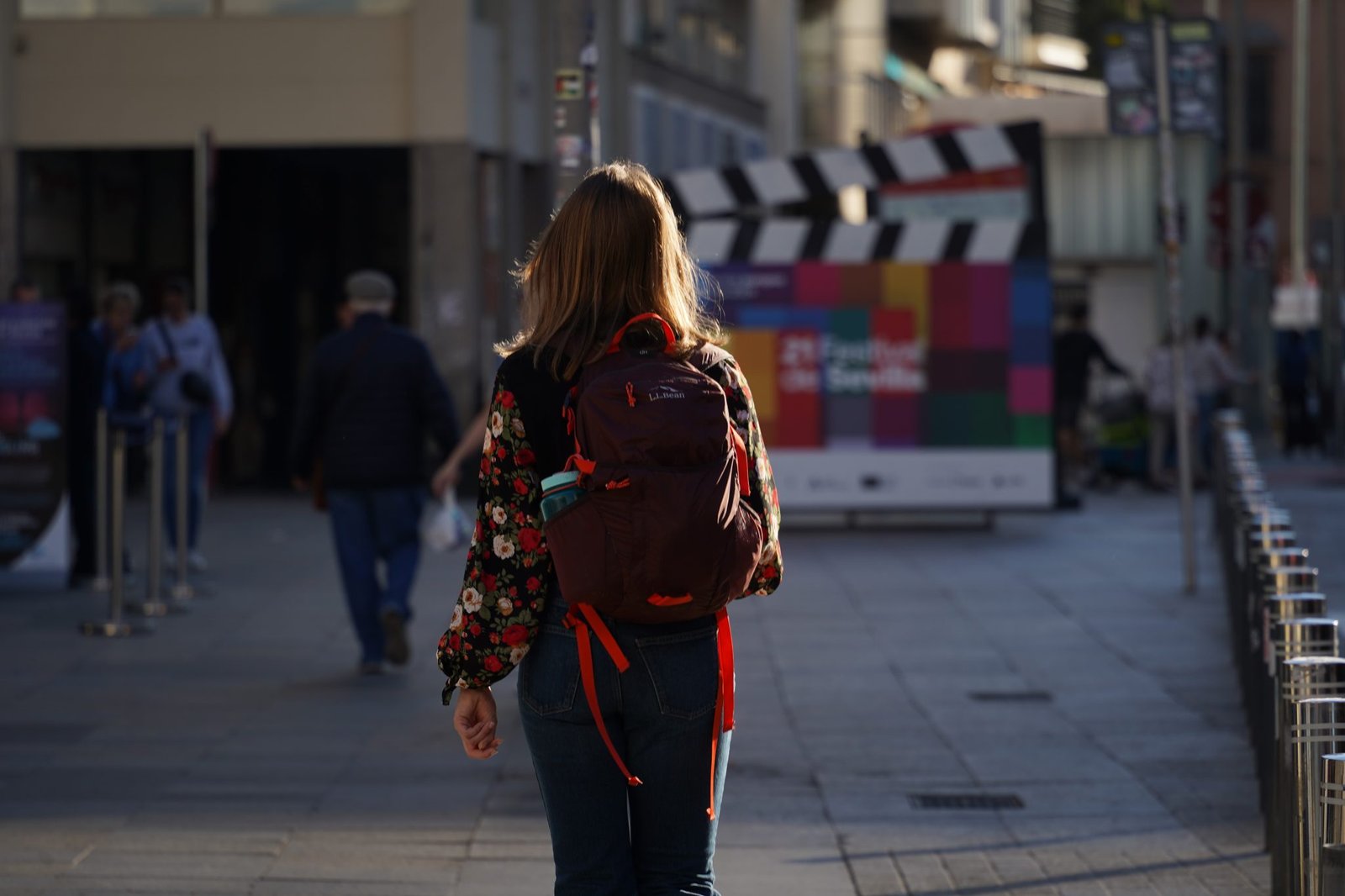
Featured photo: Nilo Velez via Openverse (CC0).