On this page
Most travelers do not strictly need an RFID-blocking wallet. Modern contactless bank cards and e-passports use built-in security that makes wireless skimming hard and not very useful to thieves. An RFID-blocking wallet or sleeve is a cheap layer of peace of mind, and it makes more sense if you carry older access badges or simply want extra protection.
This explainer covers what RFID and contactless cards actually do, how blocking wallets work, what the real risks are, and which travel security habits matter more. It is a research-based guide, so it focuses on how to decide and what to compare rather than on specific products.
Key takeaways
- RFID skimming is possible in theory, but modern contactless cards use one-time codes for each payment, which limits what a thief can do with captured data.
- E-passports use access controls designed to stop casual reading, and US passports include anti-skimming material in the cover.
- Pickpocketing, lost wallets, card skimmers at ATMs and gas pumps, and online fraud are far more common travel risks.
- An RFID-blocking wallet is reasonable if you want peace of mind or carry older, unencrypted badges, but it is not essential.
- Simple habits, such as transaction alerts and splitting your cards, protect you more than any wallet material.
What is RFID and how do contactless cards use it?
RFID (radio frequency identification) is a technology that lets a reader exchange data with a small chip and antenna using radio waves, with no physical contact. Contactless bank cards, transit cards, many hotel keys, building badges and e-passports use RFID or the closely related NFC standard to share data when held near a reader.
The key point for travelers is distance and design. Payment cards and passports use high-frequency RFID meant to work only at very short range, typically a few centimeters, roughly a couple of inches. You tap the card or hold it close because that is how the system is built.
Common RFID and NFC items you might carry:
- Contactless credit and debit cards, usually marked with a wave-shaped symbol
- E-passports, which have a chip storing the information on your photo page
- Transit cards for buses and metros in many cities
- Hotel key cards, which often store only a room access code
- Work and building badges, some of which use older, less secure technology
- Phones and watches with mobile wallets, which use NFC and add their own security
Knowing what is in your wallet helps you decide whether blocking is useful. If most of what you carry is a modern bank card and a passport, the risk is already low.
How does RFID skimming work?
RFID skimming is when someone uses a hidden or handheld reader to pull data from a card’s chip without your knowledge, usually by getting very close in a crowd. In theory, a thief could capture card details this way. In practice, modern contactless payment security sharply limits what that data can be used for.
Here is why skimming a modern payment card is not very rewarding for a thief:
- One-time codes: contactless payments generate a unique code for each transaction. Captured data generally cannot be replayed to create a new valid chip payment.
- Limited data: the information a card shares wirelessly typically excludes the security code printed on the back.
- Short range: the reader has to be very close, which makes covert reading awkward.
- Fraud protection: major card networks and banks monitor for unusual activity and generally offer protection against unauthorized charges. Check your own card’s terms.
That does not mean the risk is zero. Some card data may still be readable, and older or poorly secured cards and badges are more exposed. But for the average traveler, wireless skimming is a much smaller threat than the old-fashioned kind.
Do RFID-blocking wallets actually work?
RFID-blocking wallets generally do work at blocking the signal. They use a layer of conductive material, such as a metal foil, metal mesh or carbon fiber lining, that acts as a shield and stops radio waves from reaching the chip. When the wallet is closed, a nearby reader usually cannot communicate with the cards inside.
The principle is similar to a Faraday cage: a conductive enclosure that blocks electromagnetic fields. A few practical limits apply:
- Coverage matters. Cards sticking out of a pocket, or a wallet left open, are not shielded.
- Quality varies. Some products shield fully, others less reliably. Look for clear explanations of the shielding layer.
- Blocking is not selective. A blocking wallet also stops cards you want to tap, such as transit or office passes, until you take them out.
- Wear and tear. A thin lining can crease or tear over time in a well-used wallet.
You can do a simple check at home or at a store: hold a card inside the closed wallet against a contactless reader you are already using, such as a transit gate or your own office door. If it does not register, the blocking is working. Do not use this to attempt a purchase.
Do you need an RFID-blocking wallet for travel?
For most travelers, an RFID-blocking wallet is optional, not essential. Modern cards and passports already have protections, and the threats that cause real losses on trips are theft, loss and card skimmers at machines. Choose one if it gives you peace of mind, fits your style, or you carry older badges that are easier to copy.
This table helps you decide based on what you carry and how you travel:
| Your situation | Is blocking useful? | Why |
|---|---|---|
| Modern contactless bank cards only | Low benefit | One-time codes limit what skimmed data can do |
| E-passport | Low benefit | Built-in access controls; US covers include shielding |
| Older building or work badge | Moderate benefit | Some older badge types are easier to copy |
| Crowded cities and transit hubs | Small benefit | Mostly peace of mind; pickpocketing is the bigger risk |
| You prefer extra protection | Worth it if you like it | Low cost layer that does not hurt |
| You tap transit or office cards often | Can be inconvenient | You will need to remove cards each time |
If you are buying a new travel wallet anyway, choosing one with a blocking layer is a reasonable default when it does not cost you convenience. If your current wallet works well, you do not need to replace it just for RFID protection. An inexpensive blocking sleeve for one or two cards is another option.
Do passports need RFID protection?
E-passports have a chip, but they are designed with security in mind. Many use access controls that require information from the printed photo page before the chip shares data, and the US State Department’s e-passport rule describes anti-skimming material in the cover and spine. For most travelers, an extra RFID passport sleeve is optional.
Practical points for passport holders:
- Keep the passport closed when you are not using it. The US rule notes the shielding works when the booklet is closed or nearly closed.
- A passport wallet or sleeve with a blocking layer adds a little extra protection and keeps the booklet clean.
- Physical security matters more. A lost or stolen passport is a much bigger problem than a skimmed chip. Store it in a secure inner pocket or a hotel safe when you do not need it.
- Keep copies. A photo or scan stored securely makes replacement easier if it goes missing.
Readers in the UK, Canada and Australia carry e-passports too. For official guidance on passport security, check your passport office: travel.state.gov in the US or gov.uk in the UK. Our first-time international travel tips include more on protecting your documents abroad.
What travel risks matter more than RFID skimming?
The travel money risks that cause the most trouble are pickpocketing and bag theft, losing your wallet, card skimmers attached to ATMs and fuel pumps, shoulder surfing when you enter a PIN, and phishing or fake websites. An RFID-blocking wallet does not help with any of them, so build protection around these first.
Higher-priority habits:
- Turn on transaction alerts in your banking app so you see every charge right away.
- Split your cards. Keep a backup card and some cash separate from your main wallet.
- Use ATMs inside banks where possible, and check the card slot for anything loose or unusual.
- Cover the keypad when entering your PIN.
- Use a front pocket or a zipped inner pocket in crowded places.
- Pay with a mobile wallet when you can, since it adds device security and does not expose your physical card.
- Save your bank’s international phone number so you can freeze a card quickly.
Bag choice matters too. A carry-on and personal item with lockable or hidden pockets keep valuables harder to reach. Our guide on how to choose carry-on luggage covers security features worth looking for, and how to choose packing cubes explains how to organize so valuables are not scattered through your bag.
Tip: Before every trip, note the last four digits of each card and the bank’s lost card phone number, and store that list somewhere secure that is separate from your wallet. If your wallet goes missing, you can freeze everything in minutes.
What should you look for in an RFID-blocking wallet?
When choosing an RFID-blocking wallet, look first at how well it works as a wallet: size, capacity, material, closure and how easily you can reach your cards. Then check how the blocking layer is built and whether it covers every card slot. The shielding should be a bonus, not the main reason to buy a poor wallet.
Comparison criteria:
- Shielding design: a full lining around every slot is better than a single shielded pocket, unless you want one unshielded slot for transit cards.
- Capacity: count the cards you actually carry, plus space for cash and a folded receipt.
- Profile: a slim wallet is easier to carry in a front pocket, which helps against pickpockets.
- Closure: a zip or snap keeps cards from sliding out and keeps the shield closed.
- Materials: leather, synthetic fabric and metal card cases all exist. Consider weight, durability and how they feel in a pocket.
- Travel features: a passport slot, a zipped coin pocket or a SIM card holder can be handy on international trips.
- Return policy: buy from a retailer that lets you return it if the fit is wrong.
Remember that marketing language around RFID can be dramatic. Ignore fear-based claims and focus on whether the wallet suits how you travel.
What are common mistakes with RFID-blocking wallets?
Common mistakes with RFID-blocking wallets include assuming they protect against all fraud, carrying cards outside the shielded slots, forgetting that transit and office cards will not tap through them, and buying a bulky wallet that ends up in a back pocket. The wallet blocks one narrow risk and does nothing for theft or online fraud.
- Overtrusting it. RFID blocking does not stop pickpockets, ATM skimmers or phishing.
- Leaving cards outside. A card in a phone case or jacket pocket is not shielded.
- Blocking cards you need. Commuters may get frustrated taking out a transit card at every gate.
- Back pocket carry. A thick wallet in a back pocket is easier to steal and uncomfortable on long flights.
- Skipping alerts. Bank alerts catch problems that no wallet can prevent.
- Paying for fear. You do not need an expensive product to get basic shielding.
How do you protect your money and cards while traveling?
Protect your money and cards while traveling by combining a few simple layers: carry only the cards you need, split cash and backup cards across different bags, use alerts and mobile wallets, choose secure pockets, and keep your bank’s contact details handy. An RFID-blocking wallet can be one small part of that system.
A simple travel money setup:
| Layer | What to do |
|---|---|
| Main wallet | One or two cards and daily cash, in a front or zipped pocket |
| Backup | A second card and emergency cash in a separate bag |
| Phone | Mobile wallet set up, bank app with alerts on |
| Documents | Passport in an inner pocket or hotel safe |
| Records | Card photos and bank numbers saved securely |
| Insurance | Check what your policy covers for theft and loss |
Theft and loss coverage varies, so read your policy. Our guide to travel insurance and what it covers explains what to check. For packing your wallet, phone and other everyday items on a short break, see our weekend trip packing list.
Ready for the next step? Build the rest of your travel kit with our travel essentials checklist, and pick a reliable way to keep your phone charged with our guide on how to choose a power bank for travel. If long flights are on your plan, how to choose a travel pillow helps with comfort.
Frequently asked questions
Can someone steal my credit card info by walking past me?
It is possible in theory but unlikely to be useful. A reader has to be very close, and modern contactless cards create a one-time code for each payment, so captured data generally cannot be reused for a new chip transaction. Pickpocketing, lost wallets and skimmers on ATMs are much more common threats for travelers.
Is aluminum foil as good as an RFID-blocking wallet?
Aluminum foil can block RFID signals because it is conductive, and wrapping a card fully in foil often stops it from being read. It tears easily and is awkward to use, so it works more as a quick test or temporary fix than a travel solution. A wallet or sleeve with a built-in lining is more practical.
Will an RFID-blocking wallet damage my cards?
RFID-blocking wallets do not damage cards. The shielding layer only blocks radio signals while the cards are inside. Your cards will work normally once you take them out. Magnetic stripes are a separate technology, and normal wallet linings are not designed to affect them. Store cards away from strong magnets as usual.
Do I need RFID protection for my phone’s mobile wallet?
No special RFID wallet is needed for a phone. Mobile wallets use NFC with their own security, such as tokenized card numbers and face, fingerprint or PIN approval for payments. Keep your phone locked, use a strong passcode, turn on device tracking, and keep your phone in a secure pocket in crowded areas.
Are RFID-blocking wallets worth the money?
They can be worth it if you are buying a wallet anyway and the blocking layer does not add much cost or bulk. They are not necessary for most travelers with modern cards and passports. Spend your effort first on bank alerts, backup cards, secure pockets and good travel insurance, which address more common risks.
Sources and further reading
- Federal Register: US Electronic Passport final rule (2005)
- US Department of State: travel.state.gov
- Federal Trade Commission consumer advice
- UK government
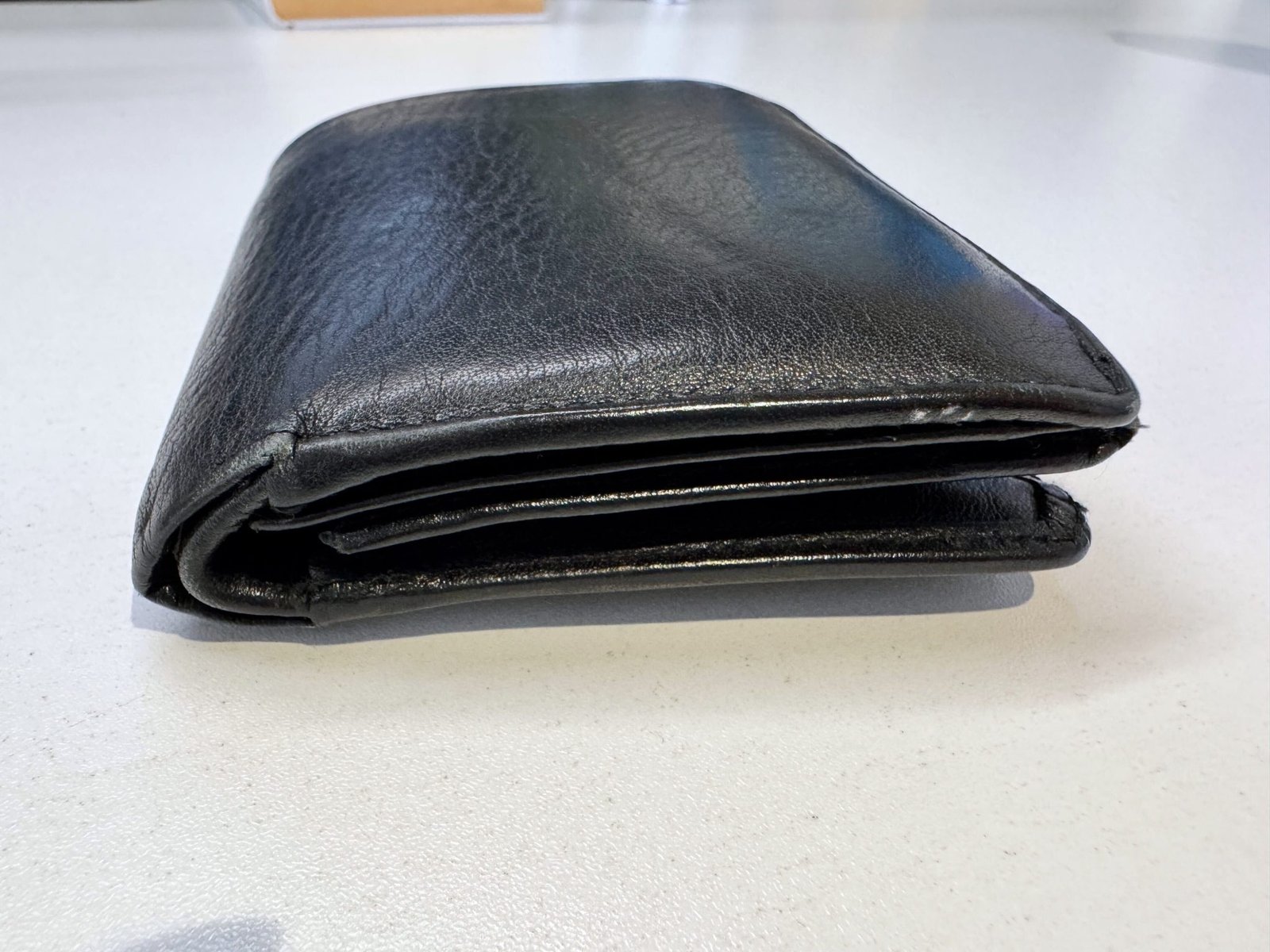
Featured photo: Rashed Hossain via Openverse (CC0).