On this page
The best fall hiking tips come down to four things: dress in adjustable layers, plan around shorter daylight, check the forecast for fast temperature swings and stay visible during hunting season. Add a headlamp, an extra warm layer and good traction for wet leaves, and fall becomes one of the most rewarding seasons on the trail.
Autumn brings cooler air, fewer bugs and spectacular color, but it also brings early sunsets, cold mornings and slippery trails. The tips below cover what changes in fall, what to pack and how to avoid the mistakes that catch hikers out when summer habits meet autumn conditions.
Key takeaways
- Start earlier and set a firm turnaround time, because daylight fades fast in fall.
- Layer with a moisture wicking base, an insulating middle and a wind or rain shell.
- Always carry a headlamp, even on short hikes that should end before dark.
- Wear bright colors, especially blaze orange, in areas where hunting is allowed.
- Slow down on wet leaves, roots and rocks, and wear footwear with good grip.
- Check the forecast for both the trailhead and the high points of your route.
Why is fall a great season for hiking?
Fall is a great season for hiking because cooler temperatures make climbs more comfortable, insects are less of a nuisance and changing leaves add scenery to familiar trails. The trade-offs are shorter days, colder mornings and evenings, wetter ground and busier trailheads at peak color, all of which a little planning handles well.
Many hikers find they can go farther in fall because they overheat less. Views often open up as leaves drop, and trails that were crowded in summer can feel quieter once school starts. The key is to treat fall as its own season with its own risks rather than an extension of summer.
If you are new to hiking, our beginner hiking guide covers the basics of choosing a trail and pacing yourself before you add seasonal challenges.
1. Dress in layers you can adjust
Dressing in layers is the most useful fall hiking tip because temperatures can swing widely between a frosty morning start, a sunny midday climb and a windy summit. Use a moisture wicking base layer, a warm midlayer such as fleece and a wind or rain shell, then add or remove pieces before you get sweaty or chilled.
The aim is to stay slightly cool while moving and warm when you stop. Sweat that soaks your clothes on the climb can leave you shivering at a windy viewpoint.
- Base layer: Merino wool or synthetic fabric that moves moisture away from your skin. Avoid cotton, which stays wet and cold.
- Midlayer: A fleece or light insulated jacket for warmth.
- Shell: A wind resistant or waterproof jacket to block wind and rain.
- Extras: A warm hat, light gloves and a spare pair of socks.
For a full explanation of how each layer works, read our guide to outdoor clothing layering basics.
Tip: Take off a layer before a long climb, not halfway up. Starting slightly cold usually means you will be comfortable within ten minutes of walking.
2. Plan around shorter daylight
Shorter daylight is one of the biggest changes in fall, and it catches many hikers out. Check the sunset time before you go, start earlier than you would in summer and set a turnaround time that leaves a buffer before dark. Carry a headlamp with fresh or charged batteries on every hike, even short ones.
Darkness falls faster than many people expect, especially in forests, deep valleys and on east facing slopes. A trail that felt easy at midday becomes much harder to follow at dusk.
- Look up sunset time for the date and location of your hike.
- Estimate your hiking time realistically, including breaks and photo stops.
- Work backward to choose a start time that gets you out with daylight to spare.
- Set a turnaround time and stick to it, even if you have not reached your goal.
- Pack a headlamp and know how to switch it on before you need it.
Remember that in most of the US and Canada, clocks fall back in early November, which moves sunset roughly an hour earlier overnight. The UK and much of Europe change clocks in late October. In the Southern Hemisphere, including Australia, autumn falls between March and May.
3. Check the forecast for fast weather changes
Fall weather can change quickly, with warm afternoons, cold fronts, gusty winds and early snow at higher elevations. Check a detailed forecast the night before and the morning of your hike, look at conditions for the highest point on your route and be ready to change plans if a front moves in.
Mountain summits and exposed ridges are often much colder and windier than the trailhead. Rain that starts as a drizzle in the valley can fall as sleet higher up.
In the US, the National Weather Service offers point forecasts you can check for a specific location on a map. Readers in the UK, Canada and Australia can use their national weather services the same way. Our guide on how to prepare for changing trail weather explains how to read a forecast for hiking and what to do when conditions turn.
Thunderstorms are less common in fall in many regions, but they still happen, especially in early autumn. If you hear thunder, follow the advice in our guide to lightning safety for hikers and campers.
4. Stay visible during hunting season
Staying visible during hunting season means wearing bright colors, ideally blaze orange, on trails that pass through land where hunting is allowed. Fall is hunting season in many areas. Check the rules for the park, forest or reserve you plan to visit, stay on marked trails and consider hiking on Sundays or in areas where hunting is not permitted.
Hunting rules vary widely by state, province and land type. National parks in the US generally prohibit hunting in most areas, while many national forests, state forests and wildlife areas allow it. Look at the land manager’s website before you go.
- Wear a blaze orange hat, vest or pack cover.
- Put a bright collar or vest on your dog.
- Avoid wearing white, brown or tan that could resemble wildlife.
- Make normal noise as you hike, such as talking with your group.
- Stay on marked trails rather than heading into the woods.
5. Watch your footing on wet leaves and mud
Wet leaves, frosty boardwalks, muddy patches and hidden roots make fall trails more slippery than summer ones. Slow down on descents, step on flat surfaces when you can, use trekking poles for balance and wear footwear with deep, grippy lugs. Fallen leaves can also hide rocks and holes, so watch where you place each step.
Leaves on rock slabs and wooden bridges can be especially slick after rain or overnight frost. Take shorter steps on steep downhills and keep your weight over your feet.
Footwear choice matters here. Our comparison of hiking boots vs. trail shoes explains when extra ankle support and a stiffer sole are worth it.
Fallen leaves can also cover trail markers and the path itself. Look for blazes on trees, cairns and other markers, and check a map or app if the trail seems to fade.
6. Pack a few extra items for fall
Packing for a fall hike means adding a few items to your normal day pack: a headlamp, an extra warm layer, a hat and gloves, a waterproof shell and a warm drink or snack. These small additions cover the most common fall problems, which are getting caught by darkness, getting cold at a stop and getting wet.
| Item | Why it matters in fall |
|---|---|
| Headlamp | Daylight ends early and faster in forests |
| Warm hat and gloves | Mornings, summits and breaks feel cold |
| Extra insulating layer | Keeps you warm when you stop moving |
| Rain or wind shell | Blocks cold wind and fall showers |
| Spare socks | Dry feet after mud or wet leaves |
| Map and charged phone | Leaves can hide trail markers |
| Blaze orange item | Visibility during hunting season |
| Water and snacks | Cool weather can hide thirst |
| Small first aid kit | Slips are more common on wet trails |
Pack the items you are most likely to need, such as a hat and shell, near the top of your pack so you can grab them fast.
7. Avoid the peak foliage crowds
Avoiding peak foliage crowds is easiest if you hike early in the morning, choose weekdays when possible and pick lesser known trails near popular areas. Famous leaf viewing spots can fill parking lots quickly on fall weekends. Arriving early also gives you soft morning light for photos and more daylight for the hike itself.
Ideas for quieter fall hikes:
- Start at sunrise and finish before the late morning rush.
- Visit on a weekday if your schedule allows it.
- Choose a trail one valley over from the famous viewpoint.
- Check whether the area offers a shuttle, timed entry or reservation system.
- Have a backup trail in mind if the parking lot is full.
When trails are busy, be patient and courteous. Step aside to let faster hikers pass and keep group noise reasonable. Always pack out everything you bring in.
8. Do not forget ticks, sun and water in fall
Ticks, sun exposure and dehydration remain real risks in fall even when the air feels cool. Ticks can stay active on mild days, sunlight still burns skin at higher elevations and cool air can make you drink less than you need. Keep up the same habits you use in summer: tick checks, sunscreen and regular sips of water.
- Ticks: Walk in the center of trails, wear long pants and check yourself, your kids and your dog after the hike.
- Sun: Use sunscreen and sunglasses, especially at elevation or near water.
- Hydration: Drink regularly, even if you do not feel thirsty. Cool weather can mask thirst.
- Warm spells: Early fall can bring hot days. Our guide to heat safety for hikers covers how to spot heat illness.
If you find an attached tick, remove it promptly with fine tipped tweezers and contact a doctor if you develop a rash, fever or other symptoms in the days or weeks after. The CDC has detailed tick guidance for US readers.
9. Know the signs of getting too cold
Getting too cold is a real risk on fall hikes, especially when you are wet, tired or caught out after dark. Early signs include shivering, numb fingers, clumsiness and poor decisions. Add layers, eat something, get out of the wind and head for warmth. Severe confusion or stopped shivering needs emergency help right away.
Hypothermia does not need freezing temperatures. Wind, rain and sweat can drain heat from your body on a mild autumn day. Watch your group as well as yourself, because people who are getting cold often do not notice it.
Read our guide on how to prevent hypothermia on the trail for warning signs and what to do. If someone shows signs of severe hypothermia, call emergency services immediately.
What are the most common fall hiking mistakes?
The most common fall hiking mistakes are starting too late, wearing cotton, skipping a headlamp, ignoring hunting season and underestimating summit weather. Each one comes from treating fall like summer. A quick check of sunset time, forecast and local hunting rules before you leave prevents most problems on autumn trails.
| Mistake | What can happen | Simple fix |
|---|---|---|
| Starting at a summer time | Finishing in the dark | Start earlier and set a turnaround time |
| Wearing cotton | Damp, cold clothing at stops | Choose wool or synthetic layers |
| No headlamp | Losing the trail at dusk | Pack one on every hike |
| Dark or earth toned clothing | Poor visibility to hunters | Wear blaze orange or bright colors |
| Rushing descents | Slips on wet leaves | Slow down and use poles |
| Checking only the town forecast | Cold, windy surprise up high | Check the forecast for your highest point |
Your next step
Before your next fall hike, check the sunset time, look up hunting rules for the area and pack a headlamp and an extra layer. Then read our guide on how to prepare for changing trail weather so you know exactly how to respond when an autumn day turns cold, wet or windy.
Frequently asked questions
What should I wear hiking in the fall?
For fall hiking, wear layers you can adjust: a moisture wicking base layer, a fleece or light insulated midlayer and a wind or rain shell. Add a warm hat, light gloves and wool or synthetic socks. Avoid cotton, which holds sweat and chills you. In hunting areas, add a blaze orange hat or vest.
Is it safe to hike during hunting season?
Hiking during hunting season is generally safe if you take simple precautions. Wear blaze orange, stay on marked trails, make normal noise and put a bright vest on your dog. Check hunting dates and rules for the specific park or forest, and consider areas where hunting is not allowed during peak seasons.
What time should I start a fall hike?
Start a fall hike early enough to finish well before sunset. Look up sunset time, estimate your total hiking time including breaks, then work backward and add a buffer. Many hikers aim to be back at the trailhead at least an hour before dark, and always carry a headlamp in case of delays.
Do I need waterproof boots for fall hiking?
You do not always need waterproof boots for fall hiking, but they can help on muddy, wet or frosty trails. Grip matters more than waterproofing on slippery leaves and rock. If you hike in mild, dry conditions, breathable trail shoes with good lugs often work well. Carry spare socks either way.
Sources and further reading
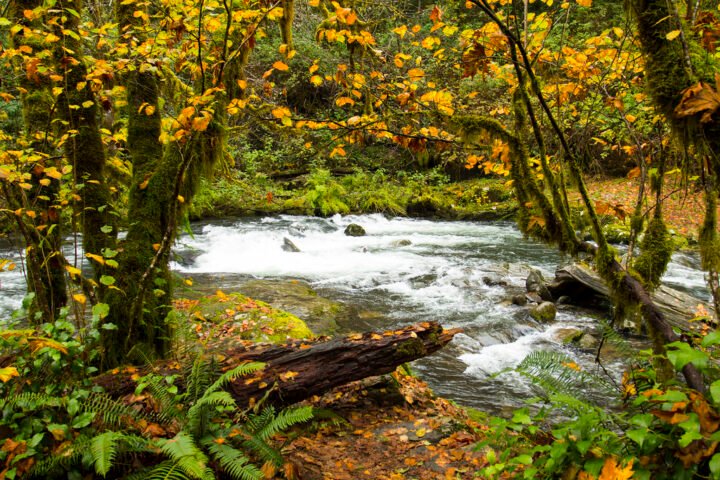
Featured photo: Vovogov90 via Openverse (CC0).