On this page
Hiking etiquette is the set of shared trail rules that keep hikers safe, protect nature and make busy paths pleasant for everyone. The core rules are simple: yield correctly, stay on the trail, keep noise down, control your dog, pack out everything and be friendly to other people you meet.
Most of these rules are common sense once you know them, but nobody is born knowing who steps aside on a narrow climb or what to do when a horse comes around the bend. This guide lists the trail rules to know, explains why each one exists, and gives you quick ways to put them into practice on your next walk.
Key takeaways
- Hikers going uphill generally have the right of way, but always follow posted trail signs first.
- Bikes yield to hikers and horses, and hikers yield to horses and pack animals.
- Stay on the marked trail, even when it is muddy, to protect plants and prevent erosion.
- Keep music and phone calls private, and save loud conversations for the parking lot.
- Leash and clean up after your dog, and pack out every piece of trash, including food scraps.
- A simple greeting and a clear “on your left” prevent most awkward trail moments.
Why does hiking etiquette matter?
Hiking etiquette matters because trails are shared, narrow and often fragile. Clear habits about yielding, noise and waste prevent collisions, protect wildlife and keep trails open. Many land managers close or restrict trails after repeated damage, so good etiquette also protects your own access to the places you love to hike.
Good trail manners do three jobs at once:
- Safety: predictable behavior means fewer surprises on blind corners, steep descents and cliff edges.
- Conservation: staying on the path and packing out waste protects soil, plants, water and animals.
- Shared enjoyment: quiet, courteous hikers make the trail better for everyone, including people seeking solitude.
If you are just starting out, our beginner hiking guide covers the basics of planning, gear and safety. Etiquette is the layer that sits on top of those skills.
Who has the right of way on a hiking trail?
On most trails, hikers going uphill have the right of way, so people descending step aside to let them pass. Mountain bikers yield to hikers and horses, and hikers yield to horses and other pack animals. Always follow posted signs first, because rules vary by park and trail system.
The logic is practical. A climbing hiker is working hard and may have a rhythm they do not want to break. A descending hiker usually has a better view of the trail ahead and can stop more easily. Horses can spook, so everyone gives them space.
| Who you meet | Who yields | What to do |
|---|---|---|
| Hiker climbing toward you while you descend | You | Step aside and let them pass |
| Mountain biker | The biker | Bikers stop and step aside, but be ready to let them by safely |
| Horse or pack animal | Hikers and bikers | Step off calmly to the downhill side |
| Faster hiker behind you | You, when practical | Move aside at a safe spot |
| Group meeting a solo hiker | Usually the group | Move into single file to make room |
The uphill rule is a guideline, not a law. If a climbing hiker stops to rest and waves you through, it is fine to go ahead. Common sense and a quick word beat strict rules every time.
Tip: When you step aside, move to a durable surface such as rock or bare ground rather than trampling plants at the trail edge.
How should you pass other hikers?
Pass other hikers by announcing yourself early and clearly, then moving by on the left when it is safe. A friendly “hi there, passing on your left” gives people time to react. Slow down as you pass, give as much space as the trail allows, and thank them once you are by.
Follow these steps for a smooth pass:
- Close the gap slowly so you do not startle the hiker ahead.
- Announce yourself in a calm, friendly voice while you are still a few steps back.
- Wait for a response or for them to move, especially if they are wearing earbuds.
- Pass on the left where the trail is wide enough, unless local practice differs.
- Say thanks and keep moving so they can settle back into their pace.
If someone wants to pass you, step aside at the next safe spot. You do not need to leap into the brush. A few seconds’ pause at a wider section is usually enough. Knowing roughly how long it takes to hike a mile at your pace also helps you plan honestly, so you are not stressed by faster hikers behind you.
What should you do when you meet horses or bikes?
When you meet horses, step calmly off the trail to the downhill side, stay visible, and speak in a normal voice so the animal recognizes you as a person. When you meet bikes, the rider should stop and yield, but you can help by stepping aside where it is safe and making eye contact.
Horses and pack animals
Horses can be startled by sudden movement, bright gear or a hiker who appears silently. Moving to the downhill side means you look smaller and less threatening. Ask the rider if there is anything they would like you to do. If you approach from behind, announce yourself calmly before you get close.
Mountain bikes
On shared use trails, riders are expected to control their speed and yield to hikers. In practice, it is often easier for one hiker to step aside than for a rider to stop on a steep slope. Communicate. A quick “go ahead” or “we will step over” makes everyone safer.
Trail runners
Runners are hikers moving faster. Treat them the same way: they announce, you step aside when practical, and everyone says thanks.
Why should you stay on the marked trail?
Staying on the marked trail protects plants, soil and wildlife habitat, and it prevents new paths that turn into erosion gullies. Cutting switchbacks or walking around muddy spots widens the trail and damages the landscape. Walk through the middle of the path, even when it is wet, and wear footwear that can handle mud.
Common ways hikers leave the trail without thinking:
- Cutting switchbacks to save a few steps on a climb or descent.
- Walking around puddles, which widens the trail every time someone does it.
- Making shortcuts to viewpoints that create new social trails.
- Spreading out side by side in a group on a narrow path.
Walking through mud is far easier with the right shoes. If you are deciding what to wear, our comparison of hiking boots vs. trail shoes explains which one suits wet, rough or easy trails.
Staying on track also keeps you from getting lost. If you are unsure which path is the official one at a junction, check signs or learn how to read a trail map before you set out.
How loud is too loud on the trail?
On the trail, sound is too loud if people nearby can clearly hear your music, phone call or conversation. Most hikers come for natural sounds and quiet. Use earbuds instead of a speaker, keep voices low near other people and camps, and save celebrations for the trailhead. Wildlife also relies on natural sounds.
Simple noise habits make a big difference:
- Keep music in earbuds, and keep one ear free so you can hear people, bikes and hazards.
- Take phone calls away from viewpoints and summits where others are resting.
- Speak at a normal volume in groups, especially early in the morning.
- Let natural quiet return at summits and lakes rather than filling it.
There are good exceptions. In bear country, many land managers advise making noise, such as talking or calling out, to avoid surprising animals. Our guide to wildlife safety on the trail explains when making noise is the safer choice.
What are the rules for hiking with a dog?
Hike with a dog only where dogs are allowed, keep it on a leash where rules require it, and always pick up and pack out its waste. Keep your dog close when passing people, horses and wildlife. Check rules before you go, because many protected areas restrict dogs on trails or ban them entirely.
In US national parks, where pets are allowed, rules generally require a leash no longer than 6 feet, and many park trails do not allow pets at all. State parks, national forests and local trails each set their own rules, so check the managing agency’s website before you go.
Good dog etiquette on the trail:
- Leash your dog when you see other hikers, horses or wildlife, even on off leash trails.
- Step aside with your dog under control, because not everyone is comfortable around dogs.
- Bag waste and carry it out. Do not leave bags by the trail to collect later.
- Bring water for your dog and turn back if it struggles with heat or terrain.
Regional note: In the UK, the Countryside Code asks walkers to keep dogs under effective control and on a lead around livestock. In Australia, many national parks do not allow dogs. In Canada, rules vary by park, so check Parks Canada or provincial park pages.
How do you leave no trace on a hike?
Leave no trace on a hike by planning ahead, staying on durable surfaces, packing out all trash, leaving natural objects where you find them, respecting wildlife and being considerate of other visitors. These principles come from the Leave No Trace Center for Outdoor Ethics and form the backbone of good trail behavior.
Practical habits that follow these principles:
- Pack it in, pack it out. That includes orange peels, nut shells and tissue, which take a long time to break down.
- Leave what you find. Rocks, flowers, antlers and artifacts stay where they are.
- Do not feed wildlife. Human food harms animals and teaches them to approach people.
- Use toilets where available. Where there are none, follow local guidance and our tips on how to go to the bathroom outdoors.
- Skip the rock stacks and carvings. Cairns can confuse navigation, and carvings damage trees and rock.
You can read the full principles at the Leave No Trace Center.
How should groups behave on the trail?
Groups should hike in single file on narrow trails, keep the group size modest, step aside together to let others pass, and take breaks off the main path. Large groups can feel overwhelming to solo hikers, so talk quietly and avoid spreading across the trail. Check group size limits in protected areas.
Group etiquette checklist:
- Choose a trail that suits everyone. Use our guide on how to choose a hiking trail for your level so the slowest person is comfortable.
- Walk in single file when others approach.
- Assign a leader and a sweep so nobody gets left behind.
- Take breaks at wide spots rather than blocking the path.
- Keep noise down at viewpoints and summits.
Busy trails need extra care. Our guide on how to hike responsibly on busy trails covers parking, crowded summits and peak time planning.
What small courtesies make a big difference?
Small courtesies on the trail include greeting people you pass, leaving gates as you found them, offering help to anyone who looks lost or hurt, and sharing viewpoints rather than claiming them. These habits cost nothing and make trails friendlier. They also help in emergencies, because hikers who notice each other are quicker to help.
- Say hello. A greeting is friendly and helps people remember seeing you if someone is later reported missing.
- Leave gates as you find them. Open gates stay open, closed gates are closed behind you.
- Share the view. Take your photos, then make room for the next person.
- Respect closures. Trails close for safety, wildlife or restoration. Do not walk around barriers.
- Ask before photographing people. Not everyone wants to appear in your posts.
- Respect private land. Stay on public rights of way and follow posted signs.
What are common hiking etiquette mistakes?
The most common hiking etiquette mistakes are blocking the trail during breaks, playing music on a speaker, leaving food waste, letting dogs run up to strangers, and cutting switchbacks. Most come from not knowing the rules rather than bad intent. Learning them once makes good habits automatic on every walk.
| Mistake | Why it is a problem | Better habit |
|---|---|---|
| Stopping in the middle of the trail | Blocks other hikers | Step aside to rest |
| Bluetooth speaker | Breaks the quiet for everyone | Use earbuds, one ear free |
| Tossing fruit peels | Slow to break down, attracts animals | Pack out all food waste |
| Unleashed dog running up to people | Can scare people and wildlife | Leash and keep close |
| Cutting switchbacks | Causes erosion | Stay on the trail |
| Silent passing | Startles people and animals | Announce early |
Frequently asked questions
Do uphill or downhill hikers have the right of way?
Hikers going uphill generally have the right of way, so people coming down step aside to let them pass. Climbers are working harder and often have a narrower view of the trail ahead. If an uphill hiker stops and waves you through, it is fine to continue. Always follow posted trail signs where rules differ.
Is it rude to listen to music while hiking?
Listening to music is fine as long as only you can hear it. Use earbuds instead of a speaker so others can enjoy natural sounds. Keep the volume low or one ear free so you can hear people approaching, bikes, wildlife and hazards. Turn it off entirely on busy sections and narrow trails.
Should you say hello to other hikers?
Yes, a short greeting is normal trail etiquette and costs nothing. It keeps encounters friendly, signals that you have noticed someone, and can help if a hiker is later reported missing. You do not need a long conversation. A nod, a smile or a quick hello is enough on most trails.
Can you hike off trail?
On most maintained trails, you should stay on the marked path to protect plants and prevent erosion. Some wilderness areas allow off trail travel, but only with strong navigation skills and care to spread out on durable surfaces. Check rules with the land manager before leaving the trail, and never enter closed areas.
What should you do with trash while hiking?
Pack out all trash, including food scraps like peels, cores and shells. Carry a small bag for waste and take it home or to a trash bin at the trailhead. If you see litter on the trail and can pick it up safely, doing so helps keep the trail clean for everyone.
Sources and further reading
- Hiking etiquette, National Park Service
- Leave No Trace Center for Outdoor Ethics
- National Park Service
- UK Government
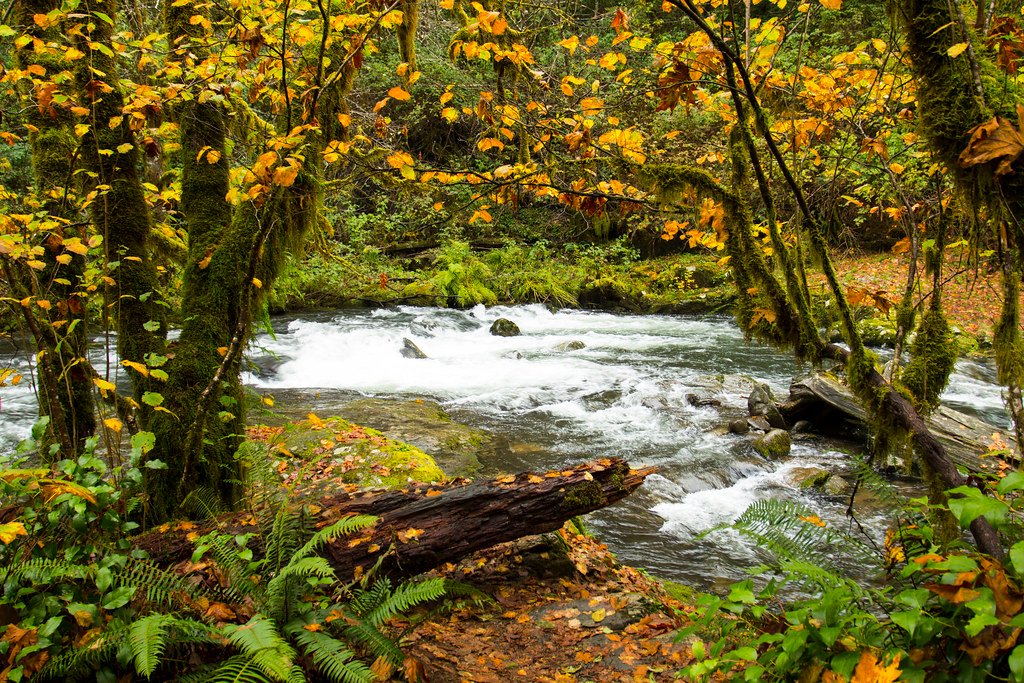
Featured photo: Bonnie Moreland (free images) via Openverse (CC0).