On this page
To keep your valuables safe while traveling, bring fewer of them, split your money and cards between places, keep essentials in a secure bag in front of you, and use a room safe or locked luggage for the rest. Back up your documents digitally, lock your phone, and know exactly what to do if something goes missing.
Most theft while traveling is opportunistic. A bag left on a chair, a phone on a cafe table or a wallet in a back pocket is an easy target. The good news is that a few habits make you a much harder target without making you anxious. This guide covers practical steps for before you leave, on the move, at your accommodation and out exploring.
Key takeaways
- The safest valuable is the one you leave at home. Travel with only what you need.
- Split money, cards and documents into at least two places so one loss does not end your trip.
- Keep your daily bag closed, in front of you and in sight, especially on transit and in crowds.
- Carry valuables and electronics in your carry-on, never in checked luggage.
- Save digital copies of key documents and emergency numbers before you leave.
What should you do before you leave home?
Before you leave home, decide which valuables you truly need, make digital copies of your documents, note your card and phone emergency numbers, and set up your phone so it can be locked or located remotely. Preparation takes less than an hour and makes any loss far easier to handle on the road.
Use this checklist:
- Leave expensive jewelry, spare cards and sentimental items at home.
- Photograph or scan your passport, ID, visas, insurance and bookings.
- Store copies somewhere secure you can reach online, and share them with a trusted person at home.
- Write down your bank’s emergency numbers for lost cards.
- Tell your bank about your travel if it asks you to.
- Turn on your phone’s screen lock and its find-my-device feature.
- Check what your travel insurance covers for theft and what proof it needs.
Our international travel checklist of documents to bring covers which papers to carry and copy. If you are deciding what else to bring, the travel essentials checklist helps keep your packing lean, which also means fewer things to keep track of.
Should you get travel insurance for valuables?
Travel insurance can help if items are stolen, but policies often have limits per item, exclusions for unattended belongings and requirements such as a police report. Read the policy before you travel. Our guide to travel insurance and what it covers explains the common terms to look for.
How should you split and carry money and cards?
Split your money and cards so that losing one bag or wallet does not leave you without funds. Carry a small amount of cash and one card for the day, keep a backup card and extra cash in a separate, secure place, and avoid flashing large amounts of money. That simple split protects you from the most common theft scenarios.
A practical system:
- Daily wallet: one card and a small amount of local cash for the day.
- Backup stash: a second card and emergency cash in another bag, inner pocket or your room safe.
- Passport: in your room safe or a secure inside pocket, depending on local rules about carrying ID.
- Digital wallet: a card on your phone can act as a third backup.
Some countries require you to carry ID, and some hotels or rental agencies ask to see your passport. Check local rules so you know whether to carry it or a copy.
| Item | Where to keep it day to day | Backup plan |
|---|---|---|
| Main card | Front pocket or zipped bag | Second card stored separately |
| Cash | Small amount in daily wallet | Emergency cash in another place |
| Passport | Room safe or inner pocket | Digital copy and photocopy |
| Phone | Front pocket or zipped bag | Screen lock and remote locate |
| Laptop or tablet | Locked room or with you | Cloud backup of files |
| Jewelry | Ideally left at home | Wear simple pieces only |
Tip: Keep a small “decoy” wallet with a little cash and an expired card. If you are ever asked to hand over a wallet, you can give that one.
What kind of bag keeps valuables safest?
The safest travel bag is one you can close fully, carry in front of your body or across it, and keep in sight. Look for zippers that sit against your body, a strap that is hard to slip off, and inner pockets for your phone and passport. A small crossbody bag or sling often beats a large tote.
Features worth considering:
- Zippers that can be clipped or tucked so they are hard to open quietly.
- A strap that goes across your body rather than over one shoulder.
- Inner zip pockets for passport and cards.
- A size small enough to keep in front of you on crowded transit.
- A plain design that does not stand out.
Many travelers also use a money belt or neck pouch under clothing for passports and backup cards. These work best for items you do not need to reach often, since digging under your clothes in public shows people where your valuables are.
For larger bags, use small locks on zippers and keep the bag where you can see it. Our guide on how to choose carry-on luggage covers features like lockable zippers and secure pockets.
How do you keep valuables safe at airports and on flights?
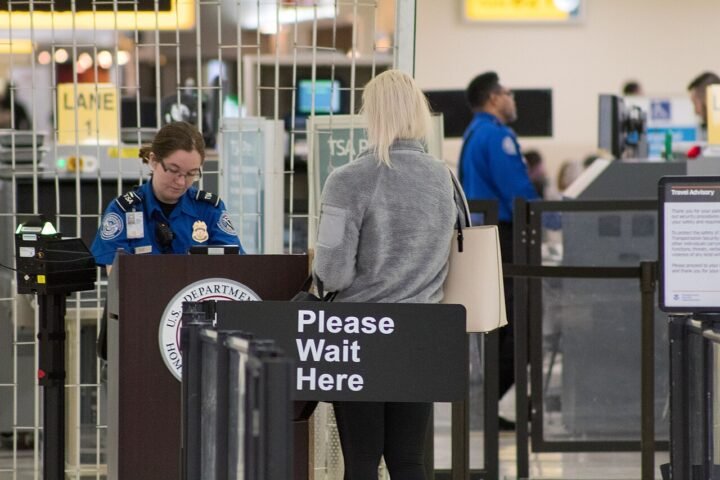
Keep valuables safe at airports and on flights by carrying them in your carry-on, keeping that bag with you at all times, and watching your items at security screening. Never pack jewelry, cash, electronics or medications in checked luggage. On the plane, keep small essentials in a personal item under the seat in front of you.
At security, wait until the belt is moving freely before you place your items, and watch for your trays at the other end. Collect your phone, wallet and laptop first. The TSA recommends keeping valuables in your carry-on, and spare lithium batteries and power banks generally must go in carry-on bags too. Other countries have similar rules, so check your airport’s guidance.
On the plane:
- Keep your passport, wallet and phone in the personal item at your feet.
- Use the overhead bin for bulkier items, ideally across from your seat where you can see it.
- Do not leave valuables in the seat pocket, where they are easy to forget.
- Before you leave your seat, check the floor, seat pocket and blanket.
Our personal item checklist for flights lists what to keep within reach for the flight itself.
How do you protect valuables in your hotel or rental?
Protect valuables in your hotel or rental by using the in-room safe or front desk safe, keeping doors and windows locked, and not leaving valuables in plain view. Lock away passports, spare cards and electronics when you go out. Before you go out, check that nothing tempting is left on a table or bed.
Good habits in your room:
- Use the safe for your passport, backup cards and cash.
- Lock laptops and cameras in a safe, a locked suitcase or take them with you.
- Hang the “do not disturb” sign if you want fewer people entering.
- Avoid saying your room number out loud at the front desk.
- In shared rooms or hostels, use a locker and bring your own padlock.
In short-term rentals, check that doors and windows lock properly when you arrive, and ask the host if anything does not work.
Tip: Put something you cannot leave without, such as one shoe, inside the room safe with your valuables. You will not check out and forget what is in it.
How do you stay safe from pickpockets when exploring?
Stay safe from pickpockets by keeping your bag closed and in front of you, keeping phones and wallets out of back pockets, and staying alert in crowds, on transit and at busy attractions. Pickpockets look for distracted people, open bags and items left on tables. A little awareness in busy places goes a long way.
Practical tips:
- Keep your phone in a front pocket or zipped bag, not in your hand while walking near traffic.
- At cafes, keep your bag on your lap or looped around your leg, not on the back of a chair.
- Be careful in crowds, on escalators and when getting on and off trains.
- If someone bumps into you or creates a distraction, check your belongings.
- Avoid using ATMs in quiet places at night, and cover the keypad.
Distraction is a common pickpocket method: someone asks for directions, spills something or causes a scene while a partner takes your wallet. Stay polite but keep a hand on your bag, and step away from the situation if something feels staged.
How do you protect your phone and digital valuables?
Protect your phone and digital valuables by using a strong screen lock, turning on remote locate and wipe, backing up photos and documents, and being careful on public Wi-Fi. Your phone often holds your boarding passes, bank apps, email and photos, so losing it can be more disruptive than losing cash.
Digital safety steps:
- Set a passcode or biometric lock and a short auto-lock time.
- Turn on find-my-device and know how to use it from another device.
- Back up photos regularly to cloud storage.
- Use two-factor authentication on email and banking.
- Avoid logging into banking on public Wi-Fi, or use your mobile data instead.
- Keep a written list of key phone numbers in case your phone is lost.
Chargers and power banks keep your phone ready to call for help or locate itself. Our guide to travel tech essentials, chargers, adapters and power banks covers what to pack.
How do you keep valuables safe in a car?
Keep valuables safe in a car by never leaving them in sight, locking the car every time, and moving items into the trunk before you arrive at your stop rather than after you park. Rental cars can be targets because they often look like tourist vehicles. Take passports, phones and laptops with you whenever you can.
Car safety habits:
- Clear the seats and dashboard of bags, chargers and phone mounts.
- Load the trunk before you set off, not in the parking lot.
- Park in busy, well-lit areas where possible.
- Never leave passports or wallets in the glove box.
- Check that windows and the trunk are closed and locked.
For more on what to keep in the car, see our road trip car essentials guide.
What should you do if your valuables are lost or stolen?
If your valuables are lost or stolen, stay calm, get to a safe place, and act quickly on the most important items: cancel or freeze cards, lock or locate your phone, and report the loss to local police for an official report. If your passport is missing, contact your country’s embassy or consulate for a replacement or emergency travel document.
Step by step:
- Move somewhere safe and check whether the item was simply misplaced.
- Freeze or cancel cards using your banking app or emergency numbers.
- Use find-my-device to lock, locate or erase your phone.
- Report the theft to local police and ask for a written report.
- Contact your embassy or consulate if your passport was taken.
- Notify your travel insurer and keep all receipts and reports.
- Change passwords for email and banking if devices were stolen.
US citizens can find embassy contacts and lost passport steps on the State Department’s travel site. UK travelers can check GOV.UK, and Canadian and Australian travelers can use their government’s official travel advice service.
What are common mistakes that put valuables at risk?
The most common mistakes are carrying everything in one wallet, leaving bags on chairs or the floor, putting valuables in checked luggage, keeping phones in back pockets, and leaving items visible in a car. Many travelers also forget to back up documents, so a simple loss turns into days of stress and paperwork.
| Mistake | Why it is risky | Better habit |
|---|---|---|
| All cash and cards in one place | One theft leaves you with nothing | Split money into two or three places |
| Bag on a chair back | Easy to lift unnoticed | Keep it on your lap or looped to your leg |
| Valuables in checked bags | Lost bags or theft in handling | Carry them in your carry-on |
| Phone in back pocket | Easy target in crowds | Use a front pocket or zipped bag |
| Items visible in a car | Invites break-ins | Lock items in the trunk before arriving |
| No document backups | Slow, stressful replacements | Store digital copies securely |
Frequently asked questions
Where is the safest place to keep a passport while traveling?
For many travelers, the safest place is a room safe or a secure inner pocket of a bag you keep in front of you. Some countries require you to carry ID, so check local rules. Always keep a digital copy and a photocopy separate from the original, which makes replacing a lost passport much easier.
Are money belts worth it?
Money belts can work well for passports, backup cards and extra cash you do not need to reach often. They are less practical for daily spending, because pulling them out in public shows where your valuables are. Many travelers combine a money belt for backups with a small, secure bag for everyday items.
Is it safe to use the hotel room safe?
Hotel room safes add a useful layer of protection for passports, cash and small electronics, especially compared with leaving items out in the room. They are not perfect, so do not store anything you cannot afford to lose. For very valuable items, ask whether the front desk offers a more secure safe.
Should I carry cash or cards when traveling?
Most travelers do best with both. Cards are convenient and can be frozen if stolen, while a small amount of cash helps with places that do not take cards or if a card stops working. Carry only what you need for the day, and keep a backup card and emergency cash stored separately.
What should I do first if my phone is stolen abroad?
Use another device to lock and locate your phone through its find-my-device service, and erase it if you cannot recover it. Then change passwords for email and banking, report the theft to local police for a written report, contact your mobile carrier, and notify your travel insurer if you plan to claim.
Sources and further reading
Featured photo: GeorgeTan#5 via Openverse (CC0).