On this page
To make travel days less stressful, prepare the night before, build in more buffer time than you think you need, keep documents and essentials in one easy to reach place, and pack light. Check in online, track your departure, eat and drink regularly, and have a simple backup plan for delays so surprises feel manageable instead of overwhelming.
Travel days combine early starts, crowds, queues and tight timing. Most stress comes from a handful of predictable pressure points: running late, missing documents, heavy bags and uncertainty about what comes next. This list of practical tips tackles each one, whether you are flying, taking a train, boarding a cruise or driving.
Key takeaways
- Most travel day stress is caused by time pressure, so add buffer time at every step.
- A night before routine removes rushed mornings and forgotten items.
- One dedicated pouch for passport, tickets, cards and phone saves panic at every checkpoint.
- Lighter bags make every transfer, queue and staircase easier.
- Eating, drinking water and taking short breaks keep your patience and energy steady.
- A simple plan B for delays turns a disruption into a decision, not a crisis.
Why do travel days feel so stressful?
Travel days feel stressful because they pack many fixed deadlines, unfamiliar places and things outside your control into a few hours. Early alarms, security lines, crowded stations and connection times all compete for attention. Being tired, hungry or rushed makes each small problem feel bigger, so preparation and slack time matter most.
Common stress triggers include:
- Time pressure from tight connections and late departures.
- Uncertainty about where to go, what is allowed and how long things take.
- Heavy or awkward bags that slow you down.
- Crowds and noise in airports, stations and terminals.
- Lost or misplaced items, especially documents and phones.
- Being hungry, thirsty or short on sleep.
Each tip below targets one of these. You do not need to use them all. Pick the ones that address what usually goes wrong for you.
1. Prepare everything the night before
Preparing the night before is one of the most effective ways to make a travel day less stressful. Pack and close your bags, lay out your outfit, charge devices, and put documents, tickets and keys in one place. A calm evening routine means your morning is about leaving on time, not searching for chargers or a passport.
A simple night before checklist:
- Check departure times and any messages from your airline, rail operator or cruise line.
- Check in online if available, and download boarding passes or tickets.
- Pack your bag and weigh it if you are close to a limit.
- Charge your phone, power bank and headphones.
- Place your documents pouch next to your keys.
- Set two alarms and plan your route to the airport or station.
- Prepare snacks and an empty water bottle.
For international trips, our international travel checklist of documents to bring helps you confirm you have everything before you go.
2. Build in more buffer time than you think you need
Buffer time is the simplest way to reduce travel day stress. Leave earlier than the minimum, plan longer connections, and avoid scheduling important events right after you land. When something takes longer than expected, extra time turns a potential crisis into a short wait, which is far easier on your nerves.
Practical ways to add buffer:
- Follow your airline or operator’s guidance on arrival times, then add a little extra for traffic or busy periods.
- Choose longer layovers, especially when changing terminals or clearing immigration.
- Avoid the last train or flight of the day when possible, so a cancellation does not strand you.
- Plan a calm first evening at your destination, not a big dinner reservation.
Many airlines suggest arriving well ahead for international flights, often longer than for domestic flights. Requirements vary, so check your carrier’s guidance before you go.
Tip: Set your arrival target as the time you want to be past security or seated on the train, not the time you reach the building. Planning to that point builds in buffer naturally.
3. Keep your essentials in one easy pouch
Keeping essentials in one pouch means you always know where your passport, ID, tickets, cards and phone are. Use a small zip pouch or a dedicated pocket in your bag, and return items there immediately after using them. This one habit prevents the most common panic moments at check in, security and boarding.
What to keep in the pouch:
- Passport or ID, plus any visas or entry documents.
- Boarding passes or tickets, printed or on your phone.
- One or two payment cards and a little local cash.
- Phone and a short charging cable.
- A pen for arrival forms.
- Booking details for your first night.
Keep a backup photo of key documents stored securely on your phone or in cloud storage. Busy terminals are also where pickpockets and scammers operate, so read our guide on how to avoid common tourist scams before you travel somewhere new.
4. Pack lighter to move faster
Packing lighter makes travel days less stressful because you move faster, skip baggage claim, and handle stairs, trains and crowded streets with less effort. A smaller bag also reduces the chance of overweight fees and lost luggage. Many travelers find a carry on bag is enough for trips of a week or more.
Ways to pack lighter:
- Plan outfits around a simple color scheme so items mix and match.
- Limit shoes to two pairs, wearing the bulkiest on travel day.
- Use travel size toiletries and buy extras at your destination.
- Pack layers rather than heavy single items.
- Leave just in case items at home unless they are essential.
Our guide on how to pack a carry on bag walks through a full packing method.
5. Know the rules before you reach security
Knowing the security rules before you arrive cuts stress at the checkpoint. Check liquid limits, prohibited items and electronics rules for your departure country, and pack so liquids and laptops come out easily if required. Rules change and differ by country and airport, so check the official source shortly before you travel.
Helpful habits:
- Check the TSA website for US airports, or your departure airport and government guidance elsewhere.
- Pack liquids together in a clear bag at the top of your carry on.
- Wear easy to remove shoes and minimal metal.
- Empty pockets into your bag before the line, not at the tray.
- Consider trusted traveler programs if you fly often, such as TSA PreCheck in the US.
UK travelers can check gov.uk and their departure airport’s website for current rules, and Canadian and Australian travelers can check their national security agency and airport guidance.
6. Track your trip in real time
Tracking your trip in real time reduces stress because you learn about delays, gate changes and platform changes early. Use your airline, rail or cruise app, turn on notifications, and check the departure boards when you arrive. Early information gives you more options and more time to adjust plans calmly.
Set up alerts before you leave:
- Download your airline or rail operator’s app and sign in.
- Turn on notifications for your booking.
- Save customer service numbers in your phone.
- Screenshot tickets in case your connection drops.
Keep your phone charged with a small power bank and a short cable. Our guide to travel tech essentials covers chargers and adapters.
7. Have a plan B for delays and cancellations
A simple plan B makes delays less stressful because you already know your next step. Before you travel, note alternative flights or trains, the airline or operator’s rebooking process, and what your travel insurance covers. When disruption hits, start rebooking right away through the app or phone line while you queue at the desk.
Plan B checklist:
- Note later departures on the same route.
- Understand your rights and the operator’s rebooking policy.
- Know what your travel insurance covers for delays and missed connections.
- Pack a change of clothes and essentials in your carry on.
- Keep receipts for meals or hotels during long delays.
Our guide on travel insurance explains common delay and cancellation benefits.
8. Eat, hydrate and take breaks
Eating regular meals, drinking water and taking short breaks keep your energy and mood stable on a long travel day. Hunger and dehydration make waiting harder and small problems feel bigger. Bring snacks, carry an empty refillable bottle through security, and stand up and stretch during long waits or long rides.
Simple habits:
- Eat a proper meal before you leave home.
- Pack snacks such as nuts, fruit and granola bars.
- Fill your water bottle after security.
- Limit alcohol and heavy meals before and during flights.
- Walk around during layovers instead of sitting the whole time.
On long flights, our guide to long haul flight essentials covers comfort items and in flight habits.
9. Choose the right transport and timing
Choosing the right transport and timing can make a travel day much calmer. Direct routes cut connection stress, daytime departures avoid exhausting red eyes, and less busy days often mean shorter lines. Consider trains for city to city trips, which usually have less security screening and drop you in central locations.
Compare common options:
| Choice | Lower stress when | Watch out for |
|---|---|---|
| Direct flight | You want fewer connections | Often costs more |
| Connecting flight | Layover is long enough | Tight transfers |
| Train | City centers are well linked | Platform changes, luggage space |
| Cruise | You want one unpacking | Boarding day lines |
| Road trip | You want flexibility | Traffic, driver fatigue |
Trains can be one of the calmest ways to travel. Our guide to train travel tips for beginners explains tickets, platforms and luggage. If you are heading off on a ship, our first cruise tips for beginners cover boarding day planning.
10. Use small calming habits
Small calming habits help you handle the moments you cannot control. Slow breathing, a favorite playlist or podcast, a book, and noise reducing headphones can make waiting easier. Reframe delays as unexpected free time, and focus on what you can do next rather than what went wrong.
Ideas that help many travelers:
- Breathe slowly for a minute, with longer out breaths than in breaths.
- Download music, podcasts or shows before you leave.
- Carry noise reducing headphones or earplugs.
- Write a short list of the next three steps when things change.
- Stay kind to staff, who are often handling many stressed travelers.
Tip: If you travel with others, agree on roles before the day starts. One person handles documents and the other handles directions, so you are not both trying to do everything.
What travel day mistakes cause the most stress?
The travel day mistakes that cause the most stress are leaving too late, packing at the last minute, scattering documents across bags, overpacking, ignoring updates from the airline or operator, and skipping meals. Each one is easy to fix with a little planning, which is why the night before routine and buffer time help so much.
Watch for these:
- Late departure from home.
- Last minute packing the morning of travel.
- Scattered documents in different pockets and bags.
- Overpacking heavy, hard to move bags.
- No alerts for gate or platform changes.
- Skipping food and water to save time.
- Tight schedules right after arrival.
If this is your first trip abroad, our first time international travel tips cover passports, money, phones and arrival planning. Your next step: write your own night before checklist and save it on your phone for your next trip.
Frequently asked questions
How early should you get to the airport?
It depends on the airline, the airport, the time of day and whether you are flying domestic or international. Many airlines suggest arriving earlier for international flights than domestic ones. Check your airline’s guidance, then add extra time for busy travel periods, checked bags or an unfamiliar airport.
How can you calm travel anxiety on the day?
Prepare the night before, leave early, and keep documents in one place so fewer things can go wrong. On the day, use slow breathing, distractions like music or podcasts, and a short list of next steps. If travel anxiety is severe or ongoing, talking to a doctor or counselor can help.
What should you do the night before a trip?
Check departure times and any messages from your airline or operator, check in online, pack and close your bags, charge devices, and put documents, tickets and keys together. Set two alarms, plan your route to the airport or station, and prepare snacks and an empty water bottle.
How do you handle a flight delay calmly?
Check your airline app right away, look for alternative flights, and start rebooking by app or phone while you queue at the desk. Keep receipts for meals or hotels, review your travel insurance coverage, and use the extra time to eat, hydrate and rest. Staying calm with staff usually gets better results.
Is it less stressful to travel with only a carry on?
For many travelers, yes. A carry on lets you skip bag drop and baggage claim, move faster through stations and streets, and avoid lost luggage. It does require packing lighter and following cabin bag rules, which vary by airline, so check your carrier’s size and weight limits before you pack.
Sources and further reading
- Transportation Security Administration
- US Department of State travel information
- UK government travel advice
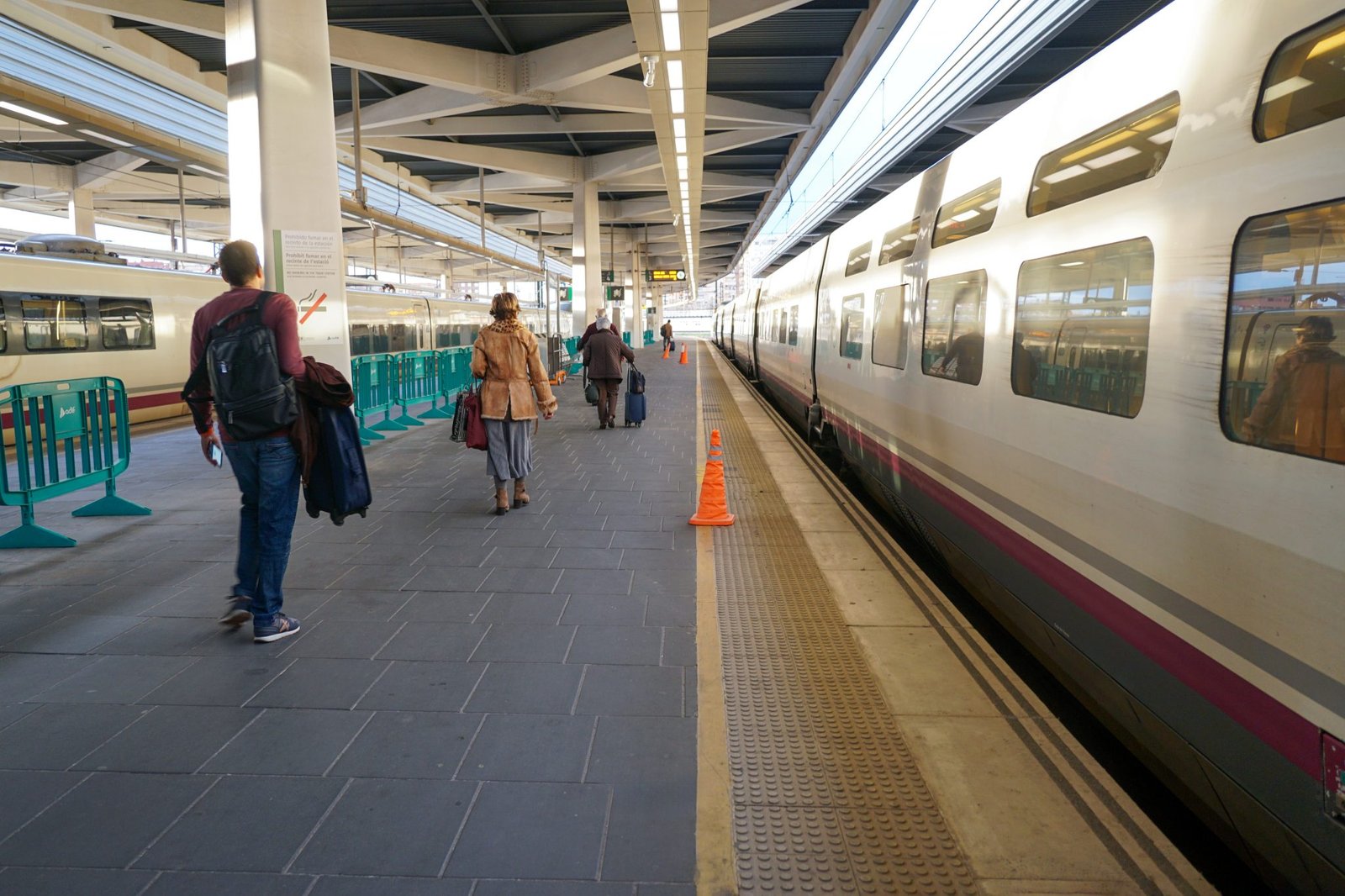
Featured photo: Nilo Velez via Openverse (CC0).