On this page
To travel with a dog, start with a vet checkup, make sure your dog has current ID and vaccination records, and choose transport and lodging that accept pets. Pack your dog’s food, water, leash, waste bags and bed, keep them secured in the car, and plan regular breaks. For flights or international trips, check airline and government rules early.
Dogs can be great travel companions, but they do best with a plan built around their needs. This guide walks through each step in order, from deciding whether your dog is ready to settling into a new place, with a packing checklist, a comparison of travel modes and the mistakes that cause the most stress for dogs and owners.
Key takeaways
- See your vet before any big trip, and carry vaccination records and a current photo of your dog.
- Make sure your dog wears a collar with an ID tag and that any microchip details are up to date.
- In the car, use a secured crate or a crash-tested harness, and never leave your dog alone in a parked car.
- Airline and international pet rules vary widely and change often, so check official sources well ahead.
- Confirm pet policies for every hotel, rental, campground and attraction before you book.
Is your dog ready to travel?
Your dog is ready to travel if they are healthy, comfortable in a car or crate, and calm around new people and places. Puppies that are not fully vaccinated, elderly dogs, dogs with health conditions and very anxious dogs may need extra planning or may be happier staying with a trusted sitter or boarding facility.
Ask yourself a few honest questions:
- Does your dog handle short car rides without severe stress or sickness?
- Is your dog comfortable resting in a crate for a few hours?
- Does your dog respond to basic commands such as sit, stay and come?
- Will your dog cope with new sounds, smells and people?
- Will the trip include long stretches where your dog must be left alone?
If the answer to the last question is yes, consider whether the trip suits a dog at all. Many attractions, museums and restaurants do not allow pets, and leaving a dog alone in an unfamiliar room can be stressful for them and disruptive for neighbors.
Tip: Practice with short trips first. A few drives to a park or a friend’s house help your dog learn that the car leads somewhere fun.
What should you do before traveling with a dog?
Before traveling with a dog, book a vet checkup, update ID and vaccination records, check the rules for your transport and destination, and confirm pet-friendly lodging. Start a few weeks ahead for road trips and much earlier for flights or international travel, since some requirements need advance paperwork, tests or waiting periods.
Follow these steps:
- Book a vet visit to confirm your dog is fit to travel and up to date on vaccinations.
- Ask your vet about motion sickness, anxiety and any medication your dog already takes.
- Check that your dog’s ID tag shows a current phone number.
- Confirm microchip registration details are up to date with the registry.
- Get copies of vaccination records and any health certificate you need.
- Research pet rules for your airline, train, ferry or bus.
- Book pet-friendly lodging and confirm any size limits or fees.
- Find an emergency vet near each place you will stay.
Never give your dog sedatives or calming products without your vet’s advice. Some can affect breathing or balance, and many airlines discourage sedation for flying dogs.
If you are also planning an international trip for yourself, our international travel checklist of documents to bring covers your own paperwork, so you can keep both sets of documents together.
How do you travel with a dog in a car?
To travel with a dog in a car, keep them secured in a well-ventilated crate, a crash-tested harness attached to a seat belt, or behind a sturdy barrier in a cargo area. Plan breaks for water, bathroom stops and exercise, keep the car at a comfortable temperature and never leave your dog alone in a parked vehicle.
How should you secure a dog in the car?
An unsecured dog can distract the driver and can be hurt or hurt others in a sudden stop. The safest options keep your dog in one place:
- Crate: strap or wedge it so it cannot slide or tip. Choose a size where your dog can stand, turn around and lie down.
- Harness: use a travel harness attached to the seat belt system, not a collar.
- Barrier: a pet barrier can keep a large dog in the cargo area of an SUV.
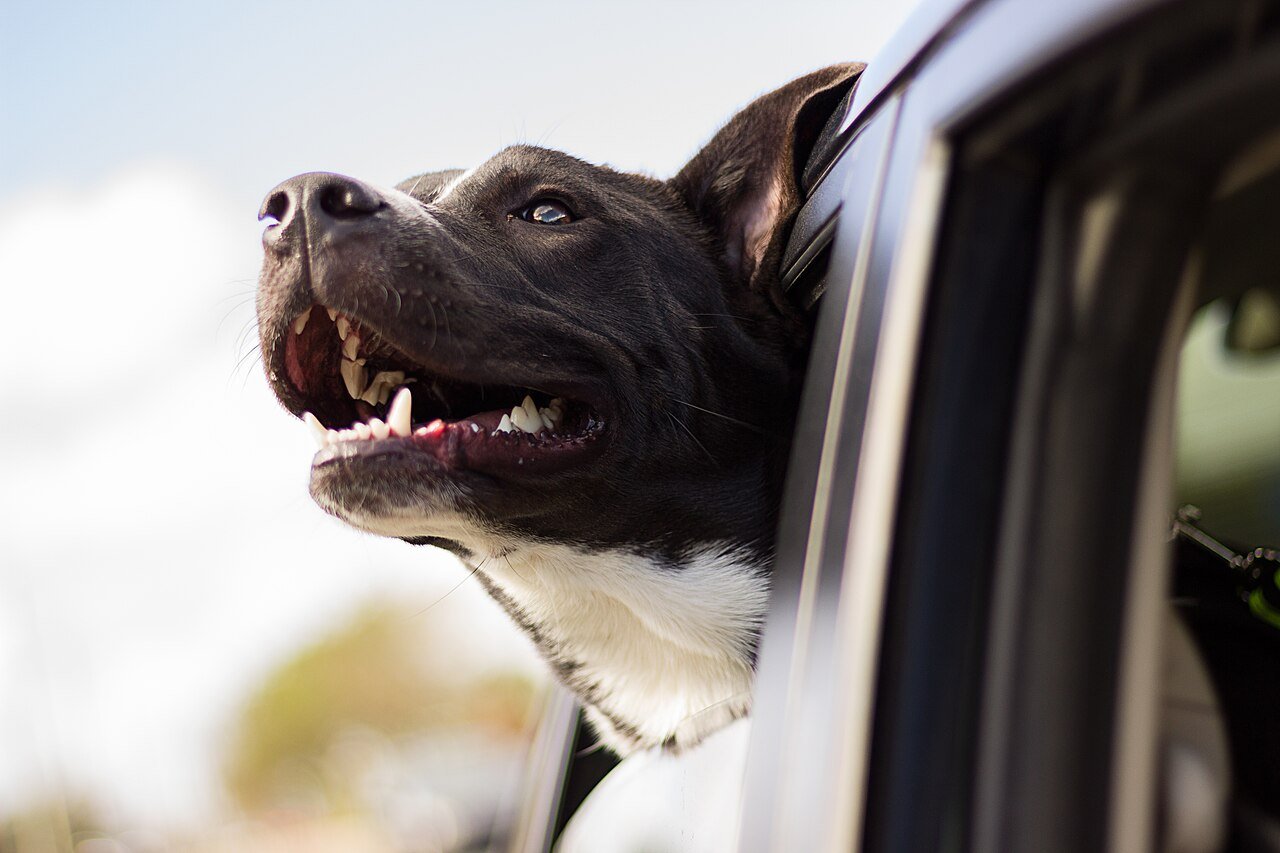
Keep dogs out of the front seat, where airbags can cause serious injury. Do not let your dog ride with their head out of the window, since debris can hurt their eyes and ears.
How often should you stop with a dog?
Many owners stop every two to three hours so their dog can drink, stretch and go to the bathroom, though needs vary by age and health. Always use a leash at rest stops, even with well-trained dogs, because traffic and unfamiliar places can make any dog bolt.
Can you leave a dog in a parked car?
No, not even for a few minutes. Cars heat up quickly in sun, even on mild days with windows cracked, and dogs can develop heatstroke. In cold weather, cars can get dangerously cold. Plan stops where your dog can come with you, or travel with another adult who can stay with the dog.
How do you fly with a dog?
Flying with a dog depends on your dog’s size, your airline and your route. Small dogs may travel in the cabin in a carrier that fits under the seat, while larger dogs may fly as checked baggage or cargo where the airline allows it. Rules, fees, breed restrictions and seasonal embargoes vary, so contact the airline before booking.
Questions to ask your airline:
- Does the airline accept pets in the cabin, as checked baggage or as cargo on this route?
- What are the carrier or crate size and weight limits?
- Are there breed restrictions, such as for short-nosed dogs?
- Are there temperature or seasonal limits on pets in the hold?
- What documents are required, and how recently must a health certificate be issued?
- How many pets are allowed per flight, and how do you reserve a spot?
Short-nosed breeds, such as pugs and bulldogs, can have more trouble breathing, and many airlines restrict them in the hold. Ask your vet whether flying is a good idea for your dog.
Service animals and emotional support animals are handled under separate rules that vary by country and airline. In the US, the Department of Transportation publishes air travel rules for service animals.
What are the options for traveling with a dog?
The main options for traveling with a dog are car, plane, train, ferry and bus, and each has different rules and comfort levels. A car usually gives you the most control. Planes are fastest for long distances but have the most restrictions. Trains, ferries and buses vary widely, with some allowing small pets and others none.
| Travel mode | Best for | Key things to check |
|---|---|---|
| Car | Most trips with dogs | Secure crate or harness; regular breaks |
| Plane, in cabin | Small dogs in carriers | Carrier size, fees, pet limits per flight |
| Plane, hold or cargo | Larger dogs where allowed | Breed and temperature rules, crate specs |
| Train | Some regional routes | Size limits, carrier rules, leash rules |
| Ferry | Island and coastal trips | Pet areas, kennels, whether dogs stay in cars |
| Bus | Short local trips | Many long-distance buses allow service animals only |
Always check the current policy of the specific company, because rules can differ between routes, seasons and even individual staff decisions.
What should you pack when traveling with a dog?
Pack your dog’s regular food, water and bowls, leash and collar with ID, waste bags, bedding, medications, records and a few familiar toys. Bringing their usual food helps avoid stomach upsets from a sudden change. Add cleaning supplies and a towel, since travel often means muddy paws, wet coats and the occasional accident.
Dog travel checklist:
- Regular food, plus a little extra in case of delays
- Collapsible bowls and a water bottle
- Leash, collar or harness with ID tag, and a spare leash
- Waste bags
- Crate or carrier and familiar bedding
- Medications and any preventives
- Vaccination records and health certificate if needed
- A recent photo of your dog in case they get lost
- Towel, wipes and enzyme cleaner for accidents
- Chew toy or puzzle toy for downtime
- Basic pet first aid items, as advised by your vet
Weather changes what you need. For cold or snowy trips, our guide on how to travel in winter covers layering and safety, and some dogs benefit from a coat or paw protection. On wet trips, the tips in how to travel during the rainy season apply to dogs too: pack extra towels and a waterproof cover for bedding.
How do you find pet-friendly places to stay?
To find pet-friendly places to stay, filter booking sites for pets allowed, then read the actual pet policy for each property. Policies often include size or weight limits, breed restrictions, a cap on the number of pets, extra fees or deposits, and rules about leaving pets alone in the room. Confirm by phone or message before you pay.
Things to check:
- Whether dogs can be left alone in the room, and for how long.
- Any pet fee per night or per stay, and any damage deposit.
- Whether specific rooms are set aside for guests with pets.
- Where dogs can go to the bathroom on the property.
- Nearby parks, trails and emergency vets.
Campgrounds and parks have their own rules. Many require dogs to be leashed at all times and limit where dogs can go on trails. National parks in the US often restrict pets to developed areas and certain trails, so check the National Park Service page for each park before you go.
How do you keep your dog calm and safe at your destination?
Keep your dog calm and safe at your destination by sticking to their normal routine for meals, walks and sleep, setting up their bed and crate somewhere quiet, and keeping them on a leash in unfamiliar places. A tired, well-fed dog with familiar smells nearby usually settles faster in a new room.
Helpful habits:
- Walk your dog around the new area soon after you arrive.
- Set up their bed, bowls and toys in one consistent spot.
- Keep feeding and walking times close to their usual schedule.
- Check the room for hazards like dropped pills, cords or open balconies.
- Watch for signs of stress, such as panting, pacing, hiding or not eating.
Heat is a serious risk for dogs. In hot weather, walk early and late, avoid hot pavement, carry plenty of water and rest in shade. If your dog shows signs of overheating, such as heavy panting, drooling, weakness or collapse, move them somewhere cool and contact a vet immediately.
What do you need to travel internationally with a dog?
International travel with a dog usually requires a microchip, specific vaccinations such as rabies, an official health certificate and sometimes blood tests, import permits or quarantine. Requirements depend on the country you leave, the country you enter and sometimes the countries you pass through. Some destinations need months of preparation.
Start with official government sources, not forums:
- United States: the USDA APHIS pet travel site explains rules for taking pets out of the US, and the CDC sets rules for dogs entering or returning to the US.
- UK: GOV.UK explains pet travel rules for taking pets abroad and bringing them into Great Britain.
- Canada: the Canadian Food Inspection Agency publishes rules for traveling with pets.
- Australia: Australia has strict import rules for pets, published by the federal agriculture department.
Your own travel planning still applies. Our first-time international travel tips cover passports, money and arrival planning that you will need alongside your dog’s paperwork.
What are common mistakes when traveling with a dog?
The most common mistakes when traveling with a dog are skipping the vet visit, assuming a place is pet friendly without checking, leaving dogs unsecured in the car, changing their food suddenly and forgetting paperwork. Many problems come from planning the trip for people first and fitting the dog in at the last minute.
| Mistake | Why it causes problems | Better approach |
|---|---|---|
| No vet check | Health issues or missing paperwork | See the vet well before the trip |
| Unsecured dog in the car | Injury risk and driver distraction | Use a secured crate or harness |
| Assuming pet friendly | Turned away or extra fees | Read and confirm every pet policy |
| Sudden food change | Stomach upset on the road | Bring their usual food |
| Outdated ID | Hard to reunite if lost | Update tag and microchip details |
| Leaving dog in a parked car | Heatstroke or cold danger | Never leave them alone in the car |
One more common mistake is overpacking the schedule. Dogs need rest, sniff time and quiet. Building in downtime makes the trip better for everyone.
Frequently asked questions
Can I give my dog something to calm them for travel?
Only with your vet’s advice. Some calming products and sedatives can affect a dog’s breathing, balance or temperature control, and many airlines discourage sedation for pets in flight. Your vet can suggest safe options based on your dog’s health, and recommend training steps such as crate practice and short trial trips.
How long can a dog travel in a car?
Many dogs handle long car trips well if they get regular breaks for water, bathroom stops and stretching, often every two to three hours. Needs vary with age, health and temperament. Puppies, older dogs and dogs prone to motion sickness may need more frequent stops and shorter driving days.
Do dogs need a passport to travel abroad?
Some places use pet passports, while others require an official health certificate, a microchip, rabies vaccination and sometimes blood tests or permits. Requirements depend on where you are leaving from and where you are going. Check official government pet travel pages for both countries well before your trip, since some steps take months.
Can my dog fly in the cabin with me?
Many airlines allow small dogs in the cabin if they fit in a carrier that goes under the seat in front of you. Airlines set their own size limits, fees and number of pets per flight, and some routes do not allow pets in the cabin. Contact your airline before booking your ticket.
How do I find a vet while traveling?
Before you leave, look up an emergency vet near each place you will stay and save the address and phone number. Your regular vet may be able to recommend clinics in other areas. Keep a copy of your dog’s medical records on your phone so a new vet can see their history quickly.
Sources and further reading
- USDA APHIS pet travel
- Centers for Disease Control and Prevention
- US Department of Transportation
- GOV.UK
- National Park Service
Featured photo: Andrew Pons a_pons via Openverse (CC0).