On this page
Merino wool base layers are usually the better choice for odor control, comfort across a wide temperature range and multi-day trips, while synthetic base layers win on drying speed, durability, easy care and lower cost. For high-sweat activities in mild weather, synthetics often feel better. For cold days, travel and trips without laundry, merino often comes out ahead.
Neither fabric is best for everyone. The right choice depends on your activity, the weather, how much you sweat, your budget and how you care for your clothes. This comparison explains how each material works, where each one shines, what blends offer and how to choose a base layer that fits the way you actually spend time outside.
Key takeaways
- Merino wool resists odor well, stays comfortable over a wide temperature range and still feels warm when damp.
- Synthetic base layers, usually polyester or polypropylene, dry faster, last longer and generally cost less.
- For intense, sweaty activity in cool or mild weather, synthetics are often the more practical pick.
- For multi-day trips, travel and cold, slower-paced days, merino is often more comfortable.
- Merino and synthetic blends aim to combine comfort with extra durability.
- Avoid cotton as a base layer in cool or wet conditions, since it holds moisture and dries slowly.
What is a base layer and why does the fabric matter?
A base layer is the clothing worn directly against your skin, and its main job is to manage moisture and help regulate your temperature. The fabric matters because it controls how sweat moves away from your body, how warm you feel when damp, how fast the garment dries and how it smells after a long day.
Base layers are the foundation of a layering system. A mid layer adds insulation, and an outer shell blocks wind and rain. If the base layer stays wet against your skin, the rest of the system cannot keep you comfortable. Our guide to outdoor clothing layering basics explains how all three layers work together.
The two most common base layer fabrics for outdoor use are merino wool and synthetics. Cotton is the one to avoid in cool or wet conditions. It absorbs moisture, loses most of its insulating ability when wet and dries slowly, which can leave you chilled.
How do merino wool and synthetic base layers compare?
Merino wool and synthetic base layers compare differently across warmth, moisture handling, drying time, odor, durability, care and cost. Merino generally leads on comfort and odor resistance, while synthetics lead on drying speed, toughness and price. The table below summarizes the main differences so you can match each fabric to your priorities.
| Factor | Merino wool | Synthetic |
|---|---|---|
| Warmth when dry | Good across a wide range | Good, varies by fabric weight |
| Warmth when damp | Stays relatively warm | Can feel cool until dry |
| Moisture handling | Absorbs some moisture into the fiber | Moves moisture to the surface |
| Drying speed | Slower | Faster |
| Odor resistance | Strong | Weaker unless treated |
| Durability | More prone to holes and wear | Usually tougher |
| Feel | Soft, fine fibers | Smooth, sometimes slick |
| Care | Gentle wash, avoid high heat | Easy machine wash |
| Typical cost | Usually higher | Usually lower |
These are general patterns. Fabric weight, knit, fit and any blends or treatments change how a specific garment performs, so read product details carefully when you compare.
What are the benefits of merino wool base layers?
The benefits of merino wool base layers are natural odor resistance, comfort across a wide temperature range, warmth even when damp and a soft feel against the skin. Merino comes from merino sheep and has much finer fibers than traditional wool, so most people find it does not itch the way older wool sweaters can.
Why many hikers and travelers choose merino:
- Odor resistance: merino tends to hold less body odor than synthetics, so you can wear it for several days between washes.
- Temperature range: it can feel comfortable on both cool mornings and warmer afternoons.
- Warm when damp: wool can absorb some moisture into its fibers while still feeling relatively warm.
- Comfort: fine merino fibers feel soft and are less likely to feel clammy.
- Natural fiber: it is renewable and biodegradable, though sourcing and processing practices vary.
Merino is a strong choice for multi-day backpacking, travel where you want to pack light and wear items more than once, and colder activities where you move at a steady pace rather than in sweaty bursts.
Tip: If you are trying merino for the first time, start with a lightweight top. It works across the most seasons and shows you whether you like the feel and odor resistance before you invest in more pieces.
What are the downsides of merino wool?
The downsides of merino wool are slower drying, lower durability, more careful washing and a usually higher price. Merino can develop holes faster than synthetic fabrics, especially in thin, lightweight garments or under pack straps. It also stays damp longer after heavy sweat or rain, which matters on wet, cool days.
Points to weigh:
- Drying time: merino takes longer to dry, so a soaked layer can stay damp for hours.
- Durability: fine fibers wear and pill more easily, and very thin fabrics can tear.
- Care: it needs a gentle wash, cool or warm water and low or no heat when drying.
- Cost: merino garments generally cost more than comparable synthetics.
- Pests: stored wool can attract clothes moths, so keep it clean and sealed in storage.
Some people also find merino too warm for hard efforts in hot, humid weather.
What are the benefits of synthetic base layers?
The benefits of synthetic base layers are fast drying, strong moisture wicking, durability, easy care and generally lower cost. Most synthetic base layers use polyester, sometimes with elastane for stretch, while some use polypropylene or nylon. These fabrics move sweat to the surface where it can evaporate quickly during hard, sweaty activity.
Why many runners, skiers and active hikers choose synthetics:
- Quick drying: synthetics often dry noticeably faster than merino after sweat or rain.
- Wicking: they pull moisture away from your skin efficiently during high output.
- Durability: they resist abrasion and holes well, even under backpack straps.
- Easy care: most are machine washable and quick to dry at home.
- Value: they are usually less expensive, which helps when you need several pieces.
Synthetics suit high-intensity activities such as trail running, fast hiking, uphill skiing and cycling, especially in mild to cool weather where you sweat a lot and want to dry fast when you stop.
What are the downsides of synthetic base layers?
The main downsides of synthetic base layers are odor buildup, a less natural feel for some people and a chill when they are wet and you stop moving. Synthetics can hold body odor after a single hard day, though some are treated with anti-odor finishes. They are also made from petroleum-based materials, which matters to some buyers.
Points to weigh:
- Odor: synthetics can start to smell quickly, especially on multi-day trips.
- Feel: some people find synthetics slick or clammy compared with wool.
- Chill when wet: a soaked synthetic layer can feel cold until it dries.
- Heat sensitivity: high dryer heat can damage some synthetic fabrics.
- Microfibers: synthetic fabrics can shed tiny fibers when washed.
Odor treatments can help but may fade over many washes. If you plan to wear a top for several days in a row, odor is often the deciding factor.
Which base layer is better for different activities?
The better base layer depends on the activity: synthetics usually suit short, intense, sweaty efforts, while merino usually suits steady, multi-day or cold-weather use and travel. Weather and personal sweat levels matter too. Many outdoor people own both and choose based on the day, which is often the most practical answer.
| Activity | Often preferred | Why |
|---|---|---|
| Trail running | Synthetic | Fast drying during high sweat |
| Day hiking in mild weather | Either | Personal preference |
| Multi-day backpacking | Merino or blend | Odor control over several days |
| Winter hiking and snowshoeing | Merino or synthetic | Depends on effort and sweat |
| Downhill skiing | Merino or blend | Steady warmth with breaks |
| Uphill skiing | Synthetic or light merino | Heavy sweat on climbs |
| Travel | Merino | Wear more than once, packs light |
| Wet, cool conditions | Synthetic | Dries faster |
| Sleeping in camp | Merino | Comfort and warmth |
Weather can shift fast on the trail, and base layers are only part of your defense. Pair them with the right shell and plan for changes using our guide on how to prepare for changing trail weather.
What about merino and synthetic blends?
Merino and synthetic blends combine wool with materials such as nylon, polyester or elastane to add strength, stretch and faster drying while keeping some of merino’s comfort and odor resistance. Some blends wrap merino around a synthetic core, so the soft wool touches your skin while the stronger fiber adds durability.
Blends are worth considering if:
- You like merino’s feel but want a garment that lasts longer.
- You need a bit more stretch for climbing or running.
- You want faster drying than pure merino without giving up all odor control.
- You plan to use the layer under a pack or harness that rubs.
The ratio matters. A garment with a high merino percentage will behave more like wool, while one with more synthetic content will act more like a synthetic. Check the fabric label to see the mix.
How do you choose the right base layer weight?
Choose base layer weight by temperature and activity: lightweight for warm conditions or high effort, midweight for cool weather and moderate effort, and heavyweight for very cold, low-activity days. Weight usually refers to fabric thickness, often listed in grams per square meter, though naming and ranges vary between brands.
| Weight | Best for | Notes |
|---|---|---|
| Lightweight | Mild weather, high effort, layering | Most versatile across seasons |
| Midweight | Cool to cold weather, moderate effort | Common choice for winter hiking |
| Heavyweight | Very cold, slow activities, camp | Can feel too warm when moving fast |
Steps to choose:
- Think about the coldest conditions you expect.
- Consider how hard you will work and how much you sweat.
- Choose lighter weight for high output and heavier for low output.
- Plan to add warmth with a mid layer rather than an overly heavy base layer.
- Check fit. Base layers should sit close to the skin without restricting movement.
A close fit helps base layers move moisture away from your skin. Loose base layers can trap damp air and feel less effective.
How do you care for merino and synthetic base layers?
Care for merino by washing it gently in cool or warm water with a mild detergent, avoiding fabric softener and drying it flat or on low heat if the label allows. Care for synthetics with a regular machine wash, no fabric softener and low dryer heat. Always follow the care label on each garment.
Merino care tips:
- Wash inside out on a gentle cycle.
- Use a mild or wool-specific detergent.
- Skip bleach and fabric softener.
- Dry flat or line dry. Avoid high heat, which can shrink it.
- Store clean and in a sealed bag to protect against moths.
Synthetic care tips:
- Wash regularly to control odor.
- Skip fabric softener, which can reduce wicking.
- Use low heat or line dry to protect the fibers.
- Consider a wash bag designed to catch microfibers.
What mistakes do people make when choosing base layers?
Common base layer mistakes include wearing cotton in cool or wet weather, choosing a layer that is too heavy for the effort, picking a loose fit, ignoring odor on multi-day trips and relying on the base layer alone for rain or wind. A base layer manages moisture and warmth near your skin, but it cannot replace a shell.
| Mistake | Problem | Better choice |
|---|---|---|
| Cotton base layer | Stays wet and cold | Merino or synthetic |
| Too heavy for the effort | Overheating, heavy sweat | Lighter base, add a mid layer |
| Loose fit | Poor moisture transfer | Close but comfortable fit |
| Synthetic on a long trip | Strong odor | Merino or blend |
| Merino in heavy rain and cold | Slow to dry | Synthetic, or carry a spare |
| No shell | Wet from rain | Add a rain jacket |
Your base layer works best with the right outer layer. Our guides on how to choose a rain jacket and waterproof vs. water-resistant clothing help you complete your system.
Frequently asked questions
Is merino wool warmer than synthetic?
Merino wool is not always warmer than synthetic at the same fabric weight, but many people find it feels warmer across a wider range of conditions and when slightly damp. Synthetic base layers can feel cool when wet until they dry. Fabric weight, fit and activity level usually affect warmth more than fiber type alone.
Does merino wool really not smell?
Merino wool tends to resist odor much better than most synthetic fabrics, which is why many people wear it for several days between washes. It is not completely odor-proof, though. Heavy sweat and long wear will eventually cause some smell. Washing regularly and airing the garment overnight help keep it fresh.
Are synthetic base layers good for hiking?
Yes, synthetic base layers are good for hiking, especially on warm days, steep climbs and wet trips where fast drying matters. They wick sweat efficiently, resist wear from pack straps and are easy to wash. Their main drawback is odor on multi-day trips, so many backpackers prefer merino or a blend for longer hikes.
Why is cotton bad as a base layer?
Cotton is a poor base layer in cool or wet conditions because it absorbs moisture, loses most of its insulating ability when wet and dries slowly. That combination can leave you cold and uncomfortable, and in bad weather it can raise the risk of hypothermia. Merino wool or synthetic fabrics manage moisture far better.
Should you buy merino or synthetic for your first base layer?
For your first base layer, choose based on how you will use it most. Pick synthetic if you mainly do short, sweaty activities or want an affordable, durable option. Pick merino if you plan multi-day trips, travel or slower cold-weather outings. A lightweight top in either fabric is a versatile place to start.
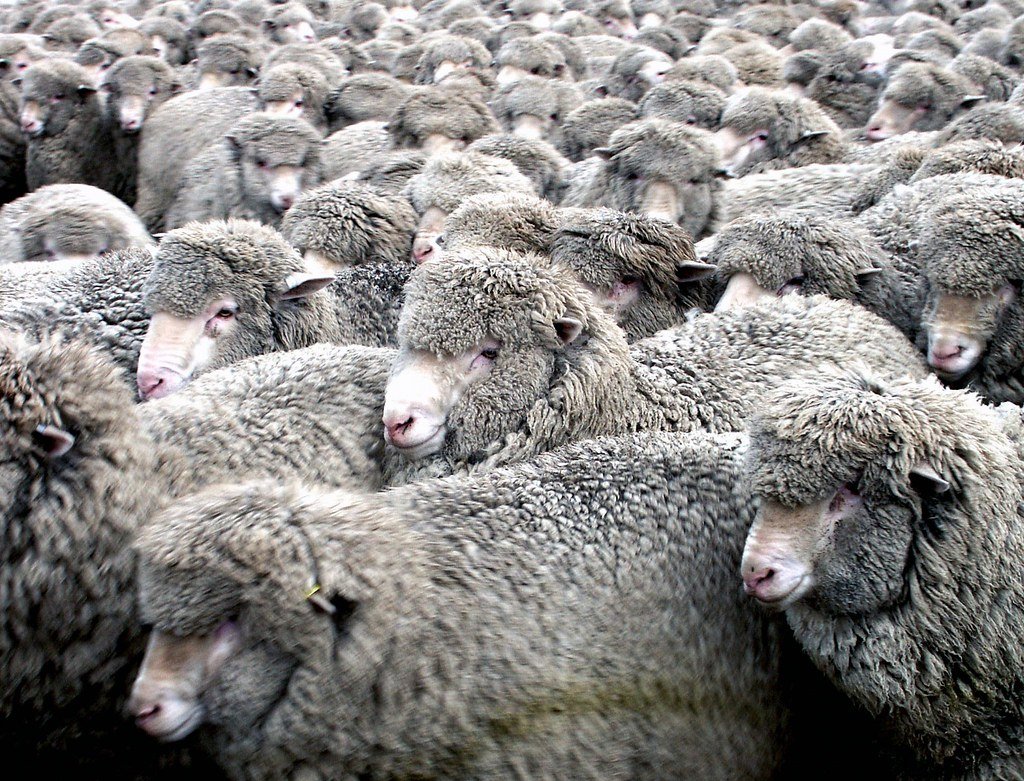
Featured photo: Bernard Spragg via Openverse (CC0).