On this page
A good travel toiletries list covers five groups: dental care, hair care, skin and body care, personal and health items, and a few extras like a razor or contact lens supplies. Pack small, refillable containers, keep liquids within airline limits if you fly carry-on, and leave behind anything your accommodation already provides.
Toiletries are easy to overpack and easy to forget. This checklist walks through every common item, shows how to pack them so they do not leak, explains carry-on liquid rules in plain terms and helps you decide what to bring and what to buy at your destination.
Key takeaways
- Start from a core list of daily essentials, then add items for your trip type, climate and activities.
- If you fly with only a carry-on, liquids, gels and aerosols must follow your airport’s size and bag rules.
- Solid toiletries, such as bar soap and shampoo bars, save space and avoid liquid limits.
- Pack medications and contact lens supplies in your carry-on, never only in checked luggage.
- Check what your hotel or rental provides so you do not carry duplicates.
What toiletries should you pack for travel?
The toiletries you should pack for travel are the items you use every day at home, in smaller sizes. That usually means a toothbrush and toothpaste, deodorant, shampoo and conditioner, body wash or soap, moisturizer, sunscreen, a hairbrush or comb, and any medications. Then add items for your hair, skin, climate and activities.
Use this core checklist as your starting point:
- Toothbrush, toothpaste and floss
- Deodorant
- Shampoo and conditioner, or a two-in-one
- Body wash or bar soap
- Face wash and moisturizer
- Sunscreen
- Lip balm
- Hairbrush or comb
- Hair ties or clips
- Razor and shaving cream or gel
- Nail clippers and tweezers
- Prescription medications
- Contact lenses, solution and case, or glasses
- Feminine hygiene products
- Hand sanitizer
- Tissues or a small pack of wipes
A short trip may need only half of these. Our weekend trip packing list shows how to keep a two or three night bag light, while the one-week trip packing list covers longer stays.
How do you organize a travel toiletries list by category?
Organize a travel toiletries list by category so you can scan it quickly and spot what is missing. Group items into dental care, hair care, skin and body care, health and personal care, and extras. Packing by category also makes it easier to use small pouches, so you can find things fast in a hotel bathroom.
| Category | Typical items | Packing tip |
|---|---|---|
| Dental care | Toothbrush, toothpaste, floss, mouthwash | Use a toothbrush cover or case |
| Hair care | Shampoo, conditioner, brush, styling products, hair ties | Choose solid bars or small refillable bottles |
| Skin and body | Body wash, face wash, moisturizer, sunscreen, lip balm | Decant into travel-size containers |
| Health and personal | Medications, contact supplies, feminine products, sanitizer | Keep in your carry-on |
| Grooming | Razor, nail clippers, tweezers, cotton swabs | Store sharp items with a cover |
| Extras | Makeup, fragrance, hair tools, laundry soap | Bring only what you will use on this trip |
What dental care items should you bring?
Bring a toothbrush with a cover, a travel-size toothpaste, and floss. Mouthwash is optional and adds liquid weight, so consider skipping it on short trips or using a small bottle. Toothpaste tablets are a solid alternative for carry-on travelers who want to save room in their liquids bag.
What hair care items should you bring?
Pack shampoo and conditioner, a brush or comb, and hair ties. Styling products and heat tools are optional, so check whether your hotel has a hair dryer before packing one. If you travel abroad with hair tools, check the voltage and plug type, since some tools do not work safely on a different voltage.
What skin and body care items should you bring?
Bring body wash or soap, face wash, moisturizer, sunscreen and lip balm. For hot or sunny trips, sunscreen deserves priority; for cold or dry trips, a richer moisturizer and lip balm help. If you have sensitive skin, bring your own products rather than relying on unfamiliar hotel options.
What are the carry-on liquid rules for toiletries?
Carry-on liquid rules limit the size of each container and how you pack them. In the US, the TSA’s 3-1-1 rule allows containers of 3.4 ounces (100 milliliters) or less, all in one quart-size clear bag, one bag per passenger. Many other countries use similar limits, though some airports have changed rules with newer scanners.
The rule applies to liquids, gels, creams, pastes and aerosols. That includes toothpaste, sunscreen, lotion, hair gel, deodorant sprays and makeup like liquid foundation or mascara.
Key points to remember:
- Check the size printed on the container, not how much is left inside.
- Fit all containers into one clear, resealable bag.
- Keep the bag easy to reach so you can remove it at screening if asked.
- Medically necessary liquids are generally allowed in larger amounts, but tell the officer at screening.
- Larger containers can go in checked luggage, subject to airline and hazardous materials rules.
Rules can change and may differ by airport, so check the TSA website for US flights. UK travelers can check GOV.UK and their departure airport’s website, and Canadian and Australian travelers should check their national screening authority.
Tip: Pack your liquids bag last and place it at the top of your carry-on. You will not need to unpack the whole bag at security.
If you are traveling light, our guide on how to choose carry-on luggage explains features like quick-access pockets that make screening smoother, and the carry-on only packing list shows what fits in a single bag.
How do you pack toiletries so they do not leak?
To pack toiletries so they do not leak, use good quality travel containers with tight caps, leave a little air space at the top, and seal each bottle in a bag or pouch. Pressure changes during flights can push liquid out of full bottles. Keep liquids in a separate waterproof pouch, away from clothes and electronics.
Leak prevention steps:
- Fill travel bottles about three quarters full.
- Squeeze a little air out of soft bottles before closing them.
- Put a small square of plastic wrap under the cap for extra seal.
- Tape the caps of larger bottles in checked bags.
- Stand bottles upright in the pouch where possible.
- Store your toiletries pouch on top of or beside clothes, not inside them.
Choose a toiletry bag that is easy to clean and has a hook if you will stay in places with little counter space. A clear bag helps at security and makes it easy to see what you have.
Should you use solid toiletries for travel?
Solid toiletries are worth considering for travel because they do not count toward carry-on liquid limits, are less likely to spill, and often last a long time. Common options include bar soap, shampoo and conditioner bars, solid deodorant, toothpaste tablets and solid sunscreen sticks. They suit carry-on travelers and long trips well.
Pros and cons:
| Option | Pros | Cons |
|---|---|---|
| Solid bars | No liquid limits, no spills, long lasting | Need a tin or case, must dry between uses |
| Travel bottles | Use your favorite products | Count toward liquids, can leak |
| Sample sizes | Small and convenient | Limited choice, often more packaging |
| Buy at destination | Nothing to carry | Takes time, brands may differ |
If you switch to solids, try them at home first so you know whether they suit your hair and skin. Store bars in a ventilated tin so they can dry, and let them air out at your accommodation.
What extra toiletries do you need for different trips?
The extra toiletries you need depend on your trip type, climate and activities. Beach trips need more sunscreen and after-sun care, cold trips need lip balm and rich moisturizer, business trips need grooming items for meetings, and road trips may need wipes and hand sanitizer for long stretches between stops.
Use this table to add items for your trip:
| Trip type | Extra toiletries to consider |
|---|---|
| Beach or hot weather | Extra sunscreen, after-sun lotion, insect repellent, dry shampoo |
| Cold or winter | Lip balm, rich moisturizer, hand cream |
| Business | Lint roller, stain remover pen, grooming items, small fragrance |
| Road trip | Wipes, hand sanitizer, tissues, deodorant for long drives |
| Camping or hiking | Biodegradable soap, insect repellent, sunscreen, toilet paper |
| Long-haul flight | Lip balm, moisturizer, eye drops, toothbrush for the plane |
For trip-specific lists, see our business trip packing list and road trip packing list. Both include toiletries alongside clothes and gear.
What health items belong in your toiletries bag?
Health items in your toiletries bag should include your prescription medications, a few basic first aid supplies and anything you use regularly, such as allergy relief or contact lens supplies. Keep medications in their original labeled containers where possible, and carry them in your carry-on so a delayed suitcase does not leave you without them.
Health items to consider:
- Prescription medications, with enough for a few extra days
- A copy of your prescriptions or a note from your doctor if needed
- Pain relief and allergy relief you already use
- Bandages and blister care
- Insect repellent for areas with mosquitoes or ticks
- Hand sanitizer and wipes
- Contact lens solution and spare lenses, or a spare pair of glasses
Some medications are restricted in certain countries. Check the rules for your destination before you travel, and contact the destination’s embassy if you are unsure. For a fuller kit, see our travel first aid kit checklist.
What toiletries can you skip?
You can often skip toiletries your accommodation provides, such as shampoo, body wash, lotion and a hair dryer, as well as items you can easily buy at your destination. Check your hotel or rental listing before you pack. For short trips, bring smaller amounts of everything, and leave behind products you rarely use at home.
Items often provided or easy to buy:
- Shampoo, conditioner and body wash at many hotels
- Hair dryers at many hotels
- Toothpaste and basic toiletries at pharmacies worldwide
- Sunscreen at most beach destinations, though choice and prices vary
Items worth bringing even if provided:
- Products for sensitive skin or specific hair types
- Medications and contact lens supplies
- Anything you would struggle to replace locally
What are common travel toiletries packing mistakes?
The most common travel toiletries mistakes are packing full-size bottles, ignoring carry-on liquid limits, filling bottles to the brim, forgetting medications in checked luggage and bringing items the hotel already provides. Another frequent problem is packing toiletries loose among clothes, where one leak can ruin an outfit.
- Full-size bottles: decant into small refillable containers or use solids.
- Overfilled bottles: leave air space to reduce leaks.
- Medications in checked bags: keep them in your carry-on.
- Ignoring local rules: check liquid limits and medication rules before you fly.
- Overpacking: bring what you will use on this trip, not everything you own.
- No backup for contacts: pack glasses or spare lenses.
Tip: Keep a permanent travel toiletry bag stocked with small versions of your essentials. Refill it after each trip so packing next time takes minutes.
Frequently asked questions
What toiletries are essential for travel?
Essential travel toiletries are a toothbrush and toothpaste, deodorant, shampoo and conditioner, body wash or soap, moisturizer, sunscreen, a brush or comb and any medications. Add contact lens supplies, feminine products and a razor if you use them. Everything else depends on your trip length, climate and what your accommodation provides.
How much liquid can you bring in a carry-on?
In the US, the TSA 3-1-1 rule allows containers of 3.4 ounces (100 milliliters) or less in one quart-size clear bag per passenger. Many countries use similar limits, but some airports have updated rules with newer scanners. Always check your departure airport and screening authority before you fly, since rules can change.
Do solid toiletries count as liquids at airport security?
Solid toiletries such as bar soap, shampoo bars and solid deodorant generally do not count as liquids, so they can travel outside your liquids bag. Gels, pastes, creams and aerosols do count. If an item can be spread, squeezed or sprayed, assume it follows liquid rules and pack it in your clear bag.
Should you pack toiletries in checked or carry-on luggage?
If you check a bag, full-size toiletries can go in it, but keep medications, contact lens supplies and a few essentials in your carry-on in case your bag is delayed. If you fly carry-on only, all liquids must follow the liquid limits. Seal toiletries in a waterproof pouch either way.
How do you stop toiletries from leaking in luggage?
Use quality travel bottles with tight caps, fill them about three quarters full and squeeze out extra air before closing. Add plastic wrap under the caps for an extra seal, and pack everything in a waterproof pouch. Keep the pouch upright and away from clothes and electronics where possible.
Sources and further reading
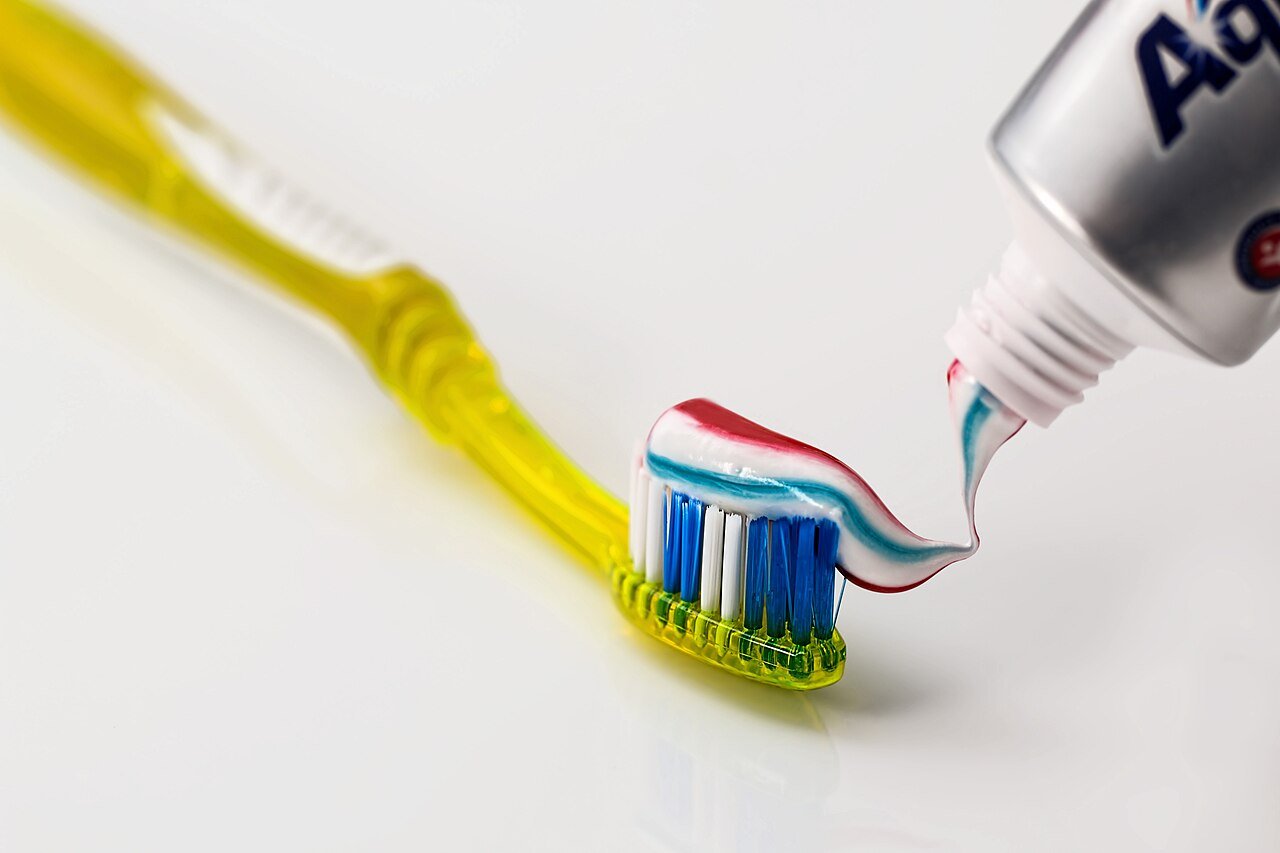
Featured photo: Steve Buissinne, South Africa via Openverse (CC0).