On this page
A travel first aid kit should cover four things: basic wound care, common over the counter medicines you already know you tolerate, your personal prescriptions and medical supplies, and items that prevent problems, like sunscreen, insect repellent and hand sanitizer. Add copies of prescriptions, insurance details and emergency contacts, and size the kit to your trip.
A small, well chosen kit handles the minor problems that can spoil a trip, such as blisters, cuts, an upset stomach or a headache, without a hunt for a pharmacy in an unfamiliar place. This checklist is based on official traveler health guidance, including the CDC and the Government of Canada, and you can tick through it as you pack.
Key takeaways
- Build your kit around four groups: first aid supplies, medicines, prevention items and documents.
- Bring personal prescriptions in their labeled containers, plus copies of the prescriptions.
- Only pack over the counter medicines you have used before, and ask a pharmacist or doctor if you are unsure.
- Keep essential medicines in your carry-on bag, not checked luggage.
- Check entry rules for medicines at your destination, since some common products are restricted in some countries.
- Get medical help for serious injuries or symptoms. A kit is for minor problems only.
What should be in a travel first aid kit?
A travel first aid kit should include bandages in several sizes, gauze and tape, antiseptic wipes or wound cleanser, blister care, tweezers, small scissors, disposable gloves, a digital thermometer and oral rehydration salts. Add your regular medicines, a few familiar over the counter remedies, sun and insect protection and copies of key health documents.
Use this master checklist and remove what does not apply to your trip:
| Group | Items |
|---|---|
| Wound care | Adhesive bandages, gauze pads, medical tape, antiseptic wipes or wound cleanser |
| Blisters and feet | Blister pads or moleskin |
| Tools | Tweezers, small scissors, safety pins, disposable gloves |
| Monitoring | Digital thermometer |
| Stomach and hydration | Oral rehydration salts, familiar antidiarrheal and antacid products |
| Pain and fever | Your usual pain and fever reliever |
| Allergies and bites | Antihistamine, anti itch cream or gel for bites |
| Skin | Antibiotic or antiseptic ointment, aloe or after sun gel |
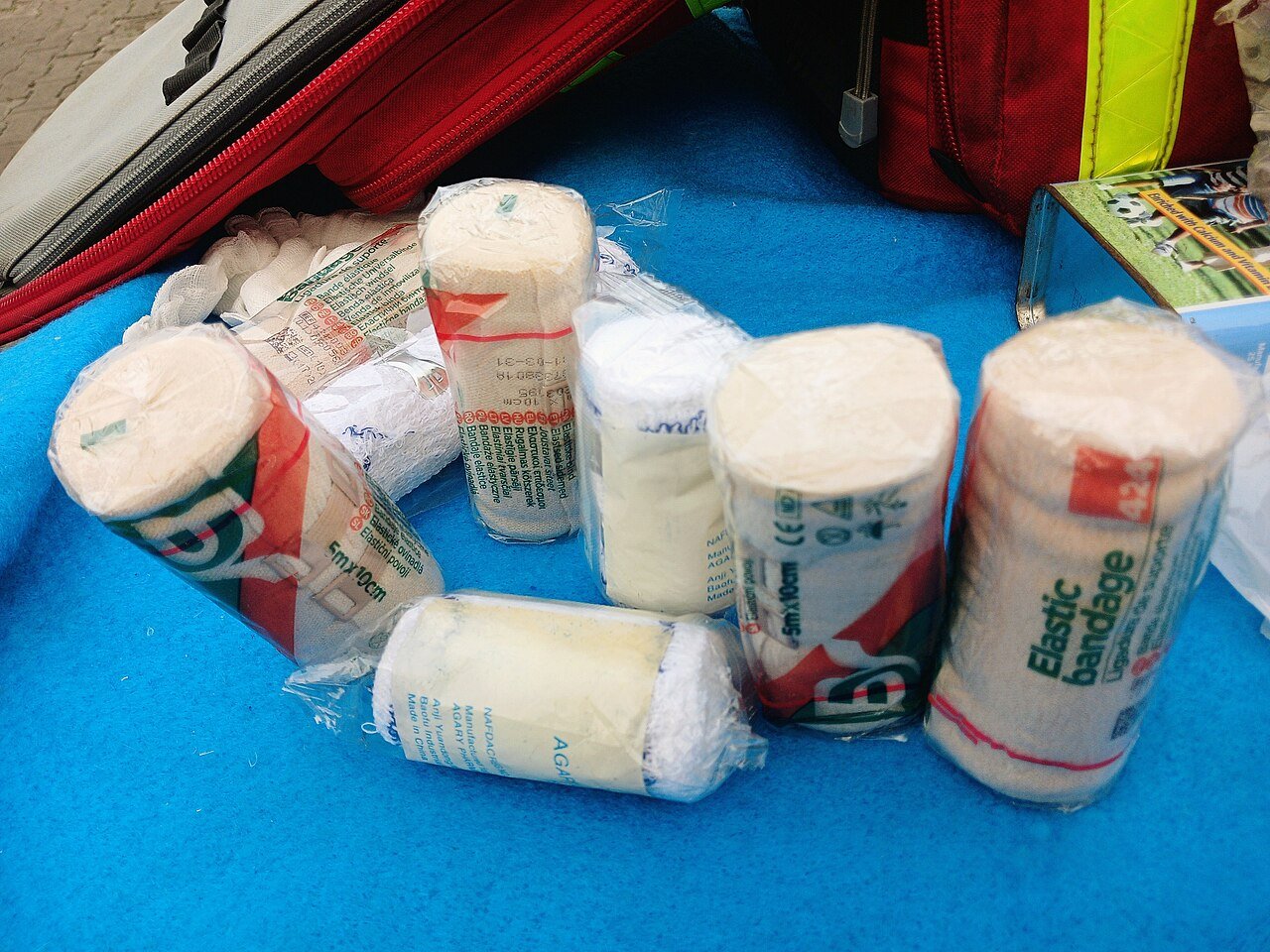
| Sprains | Elastic bandage |
| Prevention | Sunscreen, insect repellent, hand sanitizer, earplugs |
| Personal | Prescriptions, glasses or contacts, inhalers, epinephrine auto injectors if prescribed |
| Documents | Prescription copies, insurance details, emergency contact card |
The sections below explain each group so you can adapt the list to your destination, activities and health needs.
Which first aid supplies should you pack?
The first aid supplies to pack are those for cleaning and covering small wounds, treating blisters and handling minor sprains: adhesive bandages, gauze, tape, antiseptic wipes, blister pads, an elastic bandage, tweezers, small scissors and disposable gloves. A digital thermometer helps you track a fever. Keep everything in a clearly labeled pouch.
Checklist:
- Adhesive bandages in several sizes
- Sterile gauze pads and medical tape
- Antiseptic wipes or a small bottle of wound cleanser
- Blister pads or moleskin
- Elastic bandage for sprains
- Tweezers for splinters and ticks
- Small scissors, if you are checking a bag or they are allowed in your carry-on
- Safety pins
- Disposable gloves
- Digital thermometer
Before you pack scissors or tools in a carry-on, check current security rules. In the US, tsa.gov lists what you can bring through the checkpoint.
Tip: Put a few bandages and blister pads in your day bag too. The full kit is often back at the hotel when you need them most.
Which medicines should you bring when traveling?
Bring any prescription medicines you take regularly, plus a small supply of familiar over the counter medicines for common travel complaints, such as pain or fever, allergies, upset stomach, motion sickness and minor colds. Choose only products you have used before without problems, and ask a pharmacist or doctor if you have health conditions or take other medicines.
Common categories to consider, based on official traveler health guidance:
- Pain and fever relief
- Antihistamine for allergies or itchy bites
- Antidiarrheal medicine and antacid
- Oral rehydration salts
- Motion sickness medicine
- Cough and cold products or a decongestant
- Mild laxative
- Hydrocortisone or anti itch cream
Follow the directions on each package and the advice of your health professional. This checklist does not replace medical advice, and it does not suggest doses.
What about destination specific medicines?
For some destinations, a doctor may recommend medicines such as malaria prevention or an antibiotic for travelers’ diarrhea. Book a travel health appointment several weeks before you leave, because some vaccines and medicines need time to work. The CDC Travelers’ Health pages list recommendations by destination.
How should you pack prescription medicines for travel?
Pack prescription medicines in their original labeled containers, in your carry-on bag, with enough supply for the whole trip plus extra in case of delays. Carry copies of your prescriptions, using generic names where possible, and a letter from your doctor if you travel with controlled medicines, injectables or medical devices. Check destination rules before you go.
Step by step:
- Count how many days you will be away and add a buffer for delays.
- Keep medicines in their original pharmacy containers with your name on the label.
- Pack them in your carry-on, never only in checked luggage.
- Bring copies of prescriptions, including for glasses or contact lenses.
- Ask your doctor for a letter if you carry syringes, needles, controlled medicines or devices such as insulin pumps.
- Check the destination’s embassy or official health site, because some medicines legal at home are restricted elsewhere.
- Split medicines between two bags if you travel with a companion, in case one bag goes missing.
Security note: In the US, medically necessary liquids such as liquid medicines are generally allowed in carry-ons in larger amounts than the standard liquids limit, but you should tell the officer at the checkpoint. Check tsa.gov for current rules. UK, Canadian and Australian travelers should check their own airport security guidance before flying.
Which prevention items belong in a travel health kit?
Prevention items that belong in a travel health kit include sunscreen, insect repellent, hand sanitizer, sunglasses and a hat, plus water purification tablets for places where tap water may be unsafe. Earplugs and an eye mask help with sleep. These items stop many common problems before they start, which is often easier than treating them.
Prevention checklist:
- Sunscreen with broad spectrum protection
- Insect repellent with an ingredient such as DEET or picaridin, especially where mosquito borne diseases occur
- Hand sanitizer with at least 60 percent alcohol, as the CDC advises
- Sunglasses and a hat
- Water purification tablets or a filter where tap water may not be safe
- Earplugs and an eye mask for flights and noisy rooms
- Condoms, if relevant to you
On long flights, staying hydrated and moving around also help you feel better on arrival. Our list of long-haul flight essentials covers comfort items for the plane.
What documents should go with your first aid kit?
The documents that should go with your first aid kit are copies of your prescriptions, your health insurance or travel insurance details, a list of allergies and medical conditions, proof of required vaccinations and a contact card. The card should list emergency contacts at home, your doctor, your lodging and the nearest embassy or consulate.
Document checklist:
- Copies of prescriptions, using generic drug names where possible
- Health insurance card and travel insurance policy number with the emergency phone line
- A short list of allergies, conditions and blood type if known
- Vaccination records, including any certificate required for entry
- Emergency contact card with home contacts and your doctor
- Address and phone number of your lodging
- Local emergency number for the destination
- Contact details for your country’s embassy or consulate
Keep a paper copy in the kit and a digital copy on your phone or in secure cloud storage.
How do you size a first aid kit for different trips?
You size a first aid kit by matching it to trip length, destination, activities and access to pharmacies. A city weekend needs only a pocket kit with bandages, blister care and a few familiar medicines. A long trip, remote travel or outdoor adventures call for a fuller kit, more supplies and items for specific risks like ticks or altitude.
| Trip type | Kit size | Add or remove |
|---|---|---|
| City weekend | Small pouch | Bandages, blister pads, pain relief, sanitizer |
| Beach vacation | Small to medium | Extra sunscreen, after sun gel, bite cream |
| Long international trip | Medium | Full medicine list, documents, rehydration salts |
| Hiking or outdoor trip | Medium to large | Elastic bandage, extra blister care, tweezers for ticks |
| Remote or rural travel | Larger | Water treatment, more supplies, doctor approved extras |
| Traveling with kids | Medium | Child formulations recommended by your pediatrician, thermometer |
If you are traveling with children, ask your pediatrician or pharmacist which products and formulations are suitable for their age before you pack anything.
How do you pack and organize a travel first aid kit?
Pack a travel first aid kit in a small, water resistant zip pouch with clear sections or bags, so you can find things quickly. Label medicines, keep the kit in your carry-on and put a mini kit in your day bag. Check expiry dates before each trip, and restock anything you used as soon as you get home.
Packing tips:
- Use a brightly colored pouch so it is easy to spot in your bag.
- Group items by use: wounds, medicines, prevention.
- Keep medicines in original packaging with instructions.
- Store the kit away from heat, such as a hot car.
- Pack a mini kit with bandages, blister care and sanitizer for days out.
Space is limited in a cabin bag, so plan where the kit will live. Our guide on how to choose carry-on luggage explains how pockets and compartments help. Also keep a phone power bank in your day bag, so you can call for help or look up the nearest clinic. See travel tech essentials: chargers, adapters and power banks for what to bring.
When should you get medical help instead of using your kit?
You should get medical help instead of using your kit for any serious injury or illness, including heavy bleeding, chest pain, trouble breathing, severe allergic reactions, high or persistent fever, signs of dehydration, deep wounds, head injuries or symptoms that worsen. Call the local emergency number for urgent problems and contact your travel insurer as soon as you can.
Know before you go:
- The local emergency number at your destination
- Where the nearest hospital or clinic is to your lodging
- How your travel insurance handles medical care and who to call
- How to reach your embassy or consulate if you need help
If you develop a fever or feel unwell after returning home, tell your doctor where you traveled. The CDC advises this, because some travel related illnesses appear after you get back.
What mistakes do travelers make with first aid kits?
The most common travel first aid kit mistakes are packing medicines in checked luggage, bringing unfamiliar products, forgetting prescriptions and documents, carrying expired supplies and overpacking items that are easy to buy locally. Another frequent mistake is not checking whether a medicine is allowed at the destination before traveling with it.
Mistakes to avoid:
- Putting prescriptions only in checked bags
- Taking medicines out of their labeled packaging
- Packing new products you have never tried
- Forgetting blister care on walking heavy trips
- Ignoring expiry dates
- Not checking destination rules for medicines
Your next step is to pack the rest of your bag. Use our travel essentials checklist to make sure nothing else gets left behind.
Frequently asked questions
What is the most important thing in a travel first aid kit?
Your own prescription medicines and medical supplies matter most, because they can be hard to replace abroad. Pack enough for the whole trip plus extra in case of delays, keep them in your carry-on in labeled containers and bring copies of the prescriptions. Basic wound and blister care comes next.
Can I take a first aid kit on a plane?
In general, yes. Most first aid items, such as bandages, ointments and tablets, can go in a carry-on. Liquids, sharp tools and some items may face limits, though medically necessary liquids often have exceptions. Check tsa.gov or your departure airport’s security rules before flying, as rules change.
Should I buy a ready made travel first aid kit?
A ready made kit can be a convenient starting point, but check the contents. Many contain lots of small bandages and few useful extras. Add blister care, your own medicines, rehydration salts and documents, and remove anything you do not need. Building your own often gives a better fit for your trip.
Do I need a doctor’s note for medicines when traveling?
A doctor’s note is a good idea if you carry controlled medicines, injectables, syringes or medical devices, and some countries require one. Always carry copies of your prescriptions. Check the destination country’s embassy or official health website before you travel, because rules on medicines vary widely between countries.
Sources and further reading
- CDC Travelers’ Health: Pack Smart
- Government of Canada: Travel health kit checklist
- Transportation Security Administration
- U.S. Department of State: Travel.State.Gov
Featured photo: ABORISADEADETONA via Openverse (CC0).