On this page
UPF clothing is clothing tested and labeled for how much ultraviolet radiation its fabric blocks. UPF stands for Ultraviolet Protection Factor, and a higher number means less UV reaches your skin. A UPF 50 fabric lets through about one fiftieth of the sun’s UV rays, which means it blocks about 98 percent.
Sun protective clothing is one of the simplest ways to cut UV exposure on hikes, beach days and long days outdoors, because it does not wear off like sunscreen. This explainer covers what the ratings mean, how UPF differs from SPF, what affects protection, and how to choose and care for UPF clothing.
Key takeaways
- UPF measures how much UVA and UVB radiation passes through a fabric. UPF 50 lets about 2 percent through.
- Higher UPF numbers mean more protection, and UPF 50 is the minimum for the Skin Cancer Foundation’s Seal of Recommendation.
- Fabric color, weave, fiber, fit and coverage all affect protection, even without a label.
- Wet or stretched fabric protects less, regardless of its rating.
- UPF clothing works alongside sunscreen, shade, a hat and sunglasses, not instead of them.
What does UPF mean on clothing?
UPF on clothing means Ultraviolet Protection Factor, a rating that shows how much of the sun’s UV radiation, both UVA and UVB, a fabric allows to reach your skin. The number works as a fraction. A UPF 50 fabric lets through roughly one fiftieth of UV rays, while a UPF 30 fabric lets through about one thirtieth.
That makes the scale easy to read once you know the rule. Higher numbers mean less UV gets through. The difference between ratings is not huge at the top end, but every step helps when you spend hours outside.
According to the Skin Cancer Foundation, a UPF 50 fabric blocks about 98 percent of the sun’s rays. The foundation describes UPF 30 to 49 as very good protection and UPF 50 and above as excellent:
| UPF rating | Approximate UV let through | Protection level |
|---|---|---|
| Under UPF 30 | More than about 1/30 | Lower, check the label |
| UPF 30 to 49 | About 1/30 to 1/49 | Very good |
| UPF 50 and above | About 1/50 or less | Excellent |
Labels and testing standards differ between countries, so a UPF number in one market may be tested slightly differently from another. The basic meaning stays the same: the higher the number, the less UV passes through.
How is UPF different from SPF?
UPF is different from SPF because UPF rates fabric while SPF rates sunscreen. SPF, or Sun Protection Factor, mainly describes how well a sunscreen protects against UVB, the rays most linked to sunburn. UPF measures both UVA and UVB passing through fabric. The numbers are not directly interchangeable, since they are tested in different ways.
| Factor | UPF | SPF |
|---|---|---|
| Applies to | Clothing and fabrics | Sunscreen |
| UV measured | UVA and UVB | Mainly UVB |
| Wears off? | No, but can drop when wet or stretched | Yes, needs reapplying |
| Covers | Only skin under the fabric | Any skin it is applied to |
| Main weakness | Gaps at neck, hands and face | Easy to miss spots or apply too thin |
The practical lesson is that the two work together. Wear UPF clothing on your body and arms, then use sunscreen on your face, neck, hands and any skin the clothes do not cover.
What affects how much UV a fabric blocks?
How much UV a fabric blocks depends on its color, weave density, fiber type, any UV treatment, fit and whether it is wet or stretched. Dense, dark or bright fabrics usually block more UV than thin, light or loosely woven ones. This is why an ordinary thin white T-shirt offers far less protection than many people assume.
The Skin Cancer Foundation describes these factors:
- Color: Dark or bright colors absorb more UV than pale shades.
- Construction: Tightly woven or dense fabrics block more than sheer, thin or loosely woven cloth. Hold fabric up to light: the less light you see through, the better.
- Fiber: Some synthetics, wool and unbleached cotton tend to block more UV than bleached cotton or thin rayon.
- Treatments: Some fabrics are treated with UV-absorbing chemicals or dyes to raise protection.
- Fit: Loose clothing protects better. Tight clothing can stretch, pulling fibers apart and letting more UV through.
- Wetness: Wet fabric often becomes more transparent and protects less.
- Coverage: The more skin the clothing covers, the more protection you get.
The foundation gives a striking example: a white T-shirt has a UPF of about 7 when dry and about 3 when wet. That is very little protection for a long day outside.
Tip: If you are unsure about a garment without a UPF label, hold it up to a bright window. If you can see shapes or lots of light through it, the sun can reach your skin too.
Do you need UPF clothing, or will regular clothes work?
You do not always need UPF-labeled clothing, because many ordinary clothes made from dense, dark fabrics already block a lot of UV. A UPF label is useful because it gives a tested number rather than a guess. It matters most for lightweight, breathable clothes for hot weather, where regular thin fabrics often protect poorly.
UPF clothing makes the most sense when:
- You spend long hours outdoors in strong sun, such as hiking, fishing, paddling or gardening.
- You want lightweight, breathable clothing that still blocks UV in hot weather.
- You are at high altitude, near water or snow, where UV exposure tends to be higher.
- You have sensitive skin or a history of sunburn, or a doctor has advised extra sun protection.
- You want protection for children, who may not keep sunscreen on well.
For short errands in everyday clothes, ordinary dense fabrics and sunscreen are often enough. The value of UPF clothing grows with time in the sun.
What types of UPF clothing are available?
UPF clothing is available as long-sleeve shirts, sun hoodies, pants, hats with wide brims or neck flaps, swimwear, rash guards, gloves and neck gaiters. Most outdoor UPF clothing is lightweight and quick-drying for warm weather. The best mix depends on your activity, the climate and how much skin you want to cover.
| Item | Covers | Good for |
|---|---|---|
| Long-sleeve sun shirt | Arms, torso | Hiking, travel, fishing |
| Sun hoodie | Arms, torso, neck, ears | Desert and high-sun hiking |
| Lightweight pants | Legs | Hiking, gardening |
| Wide-brim hat | Face, ears, neck | Every sunny activity |
| Rash guard or swim shirt | Arms, torso in water | Swimming, paddling, surfing |
| Sun gloves | Backs of hands | Paddling, cycling, driving |
| Neck gaiter | Neck, lower face | Windy, high-sun days |
For hiking, pants matter as much as shirts. Our guide on how to choose hiking pants covers fabric, fit and convertible designs, many of which carry UPF ratings.
How do you choose UPF clothing?
To choose UPF clothing, look for a clear UPF label, ideally UPF 30 or higher and UPF 50 for long days in strong sun. Then check fit, coverage, breathability and comfort for your activity. A garment you will happily wear all day protects you far better than a high-rated one that stays in your pack.
Steps to choose well:
- Check the label for a UPF number, rather than vague words like “sun safe.”
- Pick a rating that suits your exposure. Many people choose UPF 50 for hiking, beach and water days.
- Choose coverage that matches your activity: long sleeves, high collars or a hood for full sun.
- Look for a relaxed fit that does not stretch tight over your shoulders or back.
- Check breathability, venting and quick-drying fabric if you will sweat.
- Choose colors that suit both UV and heat. Darker colors block more UV, while lighter colors can feel cooler in direct sun.
- Read care instructions, since some UV treatments can fade with washing.
The color trade-off is real. Dark colors generally absorb more UV, but they can also feel hotter. Many hot-weather UPF garments use mid tones or rely on a dense weave or treatment so lighter colors still rate well. Trust the label over the color alone.
How does UPF clothing fit into a layering system?
UPF shirts and pants usually act as your base or only layer in warm weather. In cooler or changeable conditions, add warmth and rain protection over them as needed. Our guide to outdoor clothing layering basics explains how to build layers, and how to prepare for changing trail weather helps when a sunny morning turns cool.
Does UPF clothing lose protection over time?
UPF clothing can lose some protection over time, depending on how it gets its rating. Fabrics that rely on a dense weave or fiber type tend to keep their protection well. Fabrics that rely on an added UV treatment may lose some protection after many washes. Stretching, thinning and fabric damage also reduce protection.
Signs a UPF garment may be protecting less:
- The fabric has become thin, worn or see-through in places.
- It has stretched out, especially at the shoulders or elbows.
- It has snags, holes or worn seams.
- You notice tan lines or sunburn under it.
How do you care for UPF clothing?
Caring for UPF clothing means following the care label, washing gently, avoiding harsh bleach unless allowed, and line drying when recommended. Good care helps keep the fabric dense and any UV treatment working longer. Replace garments once they become thin, stretched or see-through, even if they still look fine.
Care tips:
- Wash in cool or warm water as the label suggests.
- Avoid chlorine bleach unless the label allows it.
- Skip fabric softener if the label advises against it, since it can affect some technical fabrics.
- Air dry when possible to protect stretch fibers.
- Store folded, not stretched on tight hangers.
Some laundry additives are sold to add UV protection to ordinary clothes, but results depend on the fabric and product. A garment with a tested UPF label gives more predictable protection.
Caring for UPF clothing is simpler than caring for rain shells. If you also own a waterproof jacket, our guides on how to re-waterproof a rain jacket and waterproof ratings explained cover that different kind of technical fabric.
What are common mistakes with UPF clothing?
Common mistakes with UPF clothing include skipping sunscreen on uncovered skin, assuming any thin shirt protects you, wearing clothing so tight that it stretches, forgetting that wet fabric protects less, and ignoring hats and sunglasses. UPF clothing covers what it covers, so the gaps still need protection.
- Skipping sunscreen. Your face, neck, ears and hands still need it.
- Trusting thin cotton shirts. Many ordinary light shirts offer limited protection.
- Buying too tight. Stretched fabric lets more UV through.
- Forgetting wet fabric. Swimming or sweating can reduce protection.
- Leaving out a hat. A wide brim protects your face, ears and neck.
- Wearing worn-out gear. Replace thin or damaged garments.
Tip: Midday sun is strongest, so plan shade breaks, especially in summer. The CDC suggests combining shade, clothing, a hat, sunglasses and sunscreen for the best protection.
How else can you protect yourself from the sun outdoors?
Beyond UPF clothing, you can protect yourself from the sun outdoors by seeking shade, especially in the middle of the day, wearing a wide-brim hat and UV-blocking sunglasses, and applying broad-spectrum sunscreen to exposed skin. The CDC recommends using these steps together for the best protection.
Sun safety habits:
- Check the UV index in your weather app or forecast before heading out.
- Plan the hottest, sunniest stretches of a hike for early morning or later afternoon.
- Reapply sunscreen as directed, especially after sweating or swimming.
- Drink water regularly and take shaded breaks.
- Watch for signs of heat illness, not just sunburn.
Sun and heat often come together. Our guides to heat safety for hikers and how to hike in hot weather cover hydration, timing and warning signs of heat illness.
Frequently asked questions
Is UPF 50 better than UPF 30?
UPF 50 offers more protection than UPF 30. A UPF 50 fabric lets through about one fiftieth of UV rays, while UPF 30 lets through about one thirtieth. Both are considered good protection, but UPF 50 is a common choice for long days in strong sun, at altitude, or near water and snow.
Can you get sunburned through UPF clothing?
You are much less likely to get sunburned through UPF clothing, but it is still possible if the fabric is wet, stretched, worn thin or damaged. Long exposure in very strong sun can also let enough UV through over time. Replace worn garments, choose a relaxed fit, and use sunscreen on uncovered skin.
Does UPF clothing wash out?
UPF clothing that gets its protection from a dense weave or fiber type usually keeps it well. Clothing that relies on a chemical UV treatment may lose some protection after many washes. Follow the care label, wash gently, and replace garments once they become thin, stretched or see-through to keep protection reliable.
Are dark colors better for sun protection?
Dark and bright colors generally absorb more UV radiation than pale colors, so they often provide better protection in similar fabrics. However, dark colors can feel hotter in direct sun. A tested UPF label matters more than color alone, since dense or treated light fabrics can also rate highly.
Do I still need sunscreen with UPF clothing?
You still need sunscreen with UPF clothing on any skin that is not covered, such as your face, neck, ears and hands. UPF clothing only protects the skin underneath it. For the best protection, combine UPF clothing with a wide-brim hat, sunglasses, shade breaks and broad-spectrum sunscreen applied as directed.
Sources and further reading
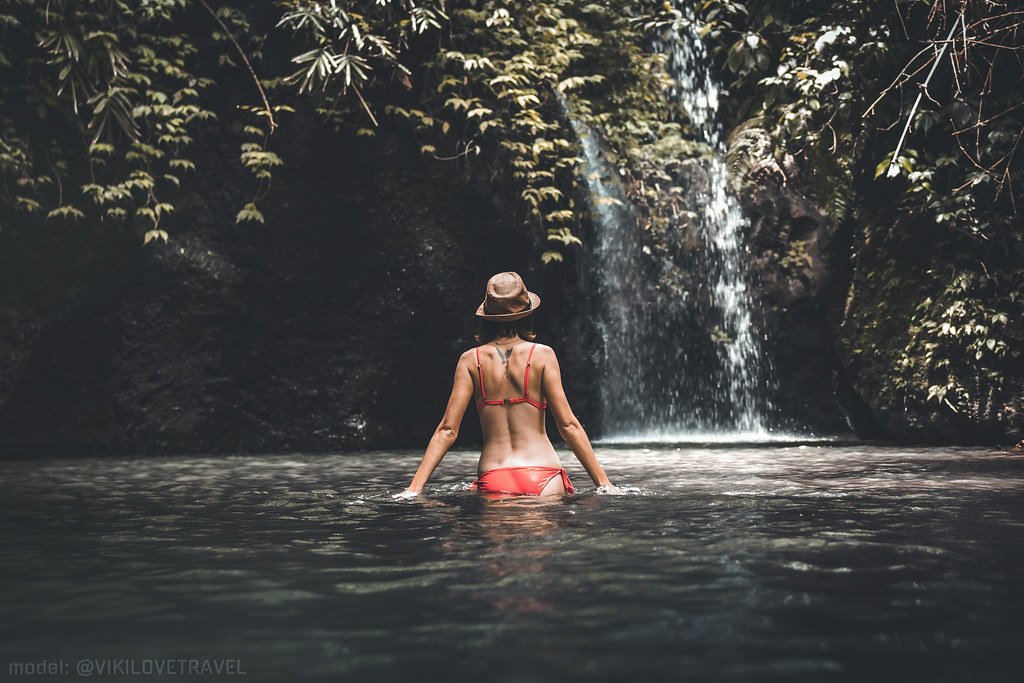
Featured photo: Artem Beliaikin via Openverse (CC0).