On this page
The best noise-canceling headphones for travel combine effective active noise cancellation for low engine drone, a comfortable fit you can wear for hours, long battery life, a wired option for in-flight entertainment, and a compact case that fits your carry-on. Choose the style first (over-ear or earbuds), then compare comfort, battery and connectivity.
Travel puts headphones through a lot: long flights, loud trains, hotel rooms, airport gates and phone calls on the move. This research-based buying guide explains how noise cancellation works, which features matter on the road, how over-ear and in-ear designs compare, and how to judge any pair you are considering. It does not pick specific models or quote prices.
Key takeaways
- Active noise cancellation works best on steady, low sounds like engines and air conditioning, less on voices and sudden noises.
- Fit and comfort matter as much as noise cancellation on long flights. A good seal also blocks noise passively.
- Look for battery life that covers your longest travel day, plus quick charging and a wired backup.
- A 3.5 mm headphone jack or cable lets you use seatback entertainment that does not support Bluetooth.
- Over-ear headphones usually offer more comfort and isolation; earbuds win on size and sleeping on your side.
- Transparency or ambient mode lets you hear announcements without taking headphones off.
How do noise-canceling headphones work?
Noise-canceling headphones use small microphones to pick up outside sound, then play a matching opposite sound wave that cancels much of it out. This is called active noise cancellation, or ANC. It works best on steady, low-frequency noise such as jet engines and train rumble. Higher, irregular sounds like voices are reduced less.
There are two ways headphones block noise, and good travel headphones use both:
- Active noise cancellation (ANC): electronics cancel steady background noise. Needs battery power.
- Passive isolation: the physical seal of ear cushions or ear tips blocks sound, especially higher frequencies. Works with no power.
A pair with strong ANC but a poor fit will still let in a lot of noise. A pair that fits well can sound quieter than you expect, even before ANC is switched on.
What does adaptive or adjustable ANC mean?
Some headphones let you choose ANC levels, or adjust automatically based on surroundings. Adjustable levels help if strong ANC causes a feeling of pressure in your ears, which some people notice. Being able to turn ANC down or off is a useful option to have.
What features matter most in travel headphones?
The features that matter most in travel headphones are effective noise cancellation, all-day comfort, long battery life with quick charging, a wired connection option, a transparency mode and a compact, protective case. Call quality, multipoint Bluetooth and easy controls are useful extras. Rank features by how and where you travel most.
| Feature | Why it matters for travel | What to look for |
|---|---|---|
| Noise cancellation | Reduces engine and crowd noise | Strong ANC with adjustable levels |
| Comfort | Long flights mean hours of wear | Light weight, soft cushions, even clamping |
| Battery life | Long travel days and delays | Enough for your longest trip, plus quick charge |
| Wired option | Seatback screens often need a cable | 3.5 mm jack and included cable |
| Transparency mode | Hear announcements and staff | Quick toggle or button |
| Case and folding | Protection in a packed bag | Hard or semi-hard case, flat or folding design |
| Controls | Easy use in a dark cabin | Physical buttons or reliable touch controls |
| Multipoint Bluetooth | Switch between phone and laptop | Connects to two devices at once |
| Microphone quality | Calls from airports and stations | Clear voice pickup in noisy places |
Tip: Before a big trip, check how your headphones behave when the battery dies. Some keep working with a cable and no power; others go silent.
Over-ear headphones vs earbuds: which is better for travel?
Over-ear noise-canceling headphones are usually better for long flights because large cushions spread pressure, add passive isolation and allow bigger batteries. Noise-canceling earbuds are better for packing light, sleeping on your side and daily commuting. Many frequent travelers own both, but if you choose one, think about where you spend the most time.
| Style | Strengths | Trade-offs | Best for |
|---|---|---|---|
| Over-ear | Comfort for hours, strong isolation, larger batteries | Bulkier, can feel warm, harder to sleep on your side | Long-haul flights, trains, work trips |
| On-ear | Smaller than over-ear | Less isolation, pressure on ears over time | Short trips, light packers |
| In-ear earbuds | Very small, easy to pack, good for side sleeping | Smaller batteries, fit depends on ear tips | Carry-on only travel, commuting, sleeping |
How do you get a good fit with earbuds?
Earbuds rely on ear tips for both comfort and isolation. Try every tip size included; many people need a different size in each ear. Some earbuds offer an in-app fit test. If tips loosen during long wear, foam-style tips may seal better than silicone, though they wear out faster.
How much battery life do travel headphones need?
Travel headphones need battery life that covers your longest door-to-door travel day with a margin, including delays and layovers. Quick charging, where a short charge gives hours of playback, is very useful. For earbuds, check both the earbud battery and how many recharges the case holds. A wired backup option helps if the battery runs out.
When reading battery claims:
- Check whether listed battery life is with ANC on or off. ANC uses more power.
- Look for quick-charge details, such as how much playback a short charge gives.
- Confirm the charging port type, ideally the same as your other devices so you need fewer cables.
- For earbuds, check total battery including the case.
- Remember that batteries lose capacity over the years, so plan a margin.
Carry a power bank for longer trips. Our guide on how to choose a power bank for travel covers capacity and airline rules, and our overview of travel tech essentials: chargers, adapters and power banks covers the rest of your charging kit.
Can you use Bluetooth headphones on a plane?
Many airlines allow Bluetooth headphones once the plane is in flight mode, but rules vary by airline and sometimes by phase of flight. Most seatback entertainment systems still use a wired headphone jack, often with a standard 3.5 mm connection. A pair with a cable and a two-prong airline adapter covers older systems. Some newer seats support Bluetooth directly.
Practical points:
- Use airplane mode on your phone with Bluetooth turned on, if your airline allows it.
- Keep the headphone cable in your carry-on, not in checked luggage.
- Carry a small two-prong airplane adapter if your flights may use older seatback systems.
- Some small Bluetooth transmitters plug into the seat jack and send audio to wireless headphones. Check the airline’s rules on using them.
- Follow crew instructions during safety briefings and takeoff.
Tip: Download movies, music and podcasts before you leave. In-flight Wi-Fi can be slow, expensive or unavailable.
How comfortable should travel headphones feel?
Travel headphones should feel comfortable for several hours without hot spots, pressure on the top of your head or aching ears. Look for light weight, soft and deep ear cushions, even clamping force and a headband that adjusts easily. For earbuds, a secure but gentle fit matters most. Glasses wearers should check how cushions seal around frames.
Comfort checks if you can try a pair:
- Wear them for at least several minutes, ideally longer.
- Check whether cushions press on the outer ear or surround it.
- Feel for heat build up, which can be noticeable on long flights.
- Try them with glasses if you wear them.
- Lean your head back against a seat to see if the headband or cups press awkwardly.
- For earbuds, lie on one side to test side sleeping comfort.
If you plan to sleep on flights, pair your headphones with a supportive neck pillow. See how to choose a travel pillow, which explains shapes that work with over-ear headphones.
How do you compare noise-canceling headphones for travel?
To compare noise-canceling headphones for travel, read the specifications for ANC type, battery life with ANC on, connectivity and weight, then look at independent reviews that measure noise cancellation and comfort. Check what is included, such as a case, cable and adapter. Compare the return policy so you can test comfort on a real trip.
Use this checklist:
| Criterion | Questions to ask |
|---|---|
| Noise cancellation | Is ANC adjustable? Does it handle engine noise well in reviews? |
| Comfort | How heavy are they? Are cushions replaceable? |
| Battery | What is life with ANC on? Is there quick charging? |
| Wired use | Is there a 3.5 mm jack and cable? Do they work when the battery is empty? |
| Connectivity | Does it support multipoint? Which Bluetooth codecs? |
| Case | Is it protective and does it fit your bag? |
| Controls | Are buttons easy to use without looking? |
| Support | Are firmware updates and replacement parts available? |
What about sound quality and codecs?
Sound quality matters, but for travel, noise cancellation and comfort usually matter more. Bluetooth codecs affect how audio is sent from your device. Check which codecs your phone supports, since headphones can only use a codec both devices share. Many travelers find a companion app with an equalizer useful for tuning sound.
How do you protect and pack headphones when traveling?
Protect headphones when traveling by storing them in their case inside your carry-on, never in checked luggage, and keeping the cable, charger and adapter in the same pouch. Wipe cushions and ear tips regularly. Keep an eye on your headphones at security and in lounges, since they are a common item to lose or leave behind.
Packing tips:
- Place the case near the top of your carry-on for quick access.
- Keep a small pouch for cables, adapters and spare ear tips.
- Take headphones off your neck and pack them at security to avoid leaving them in a tray.
- Use a bag with secure compartments in busy places. Our guide on how to choose an anti-theft travel bag covers features that help.
- Charge headphones the night before you travel.
For where everything fits in your bag, see how to choose carry-on luggage.
What are common mistakes when buying travel headphones?
Common mistakes when buying travel headphones are judging only by noise cancellation, ignoring comfort over long wear, forgetting about wired use on planes, overlooking battery life with ANC on, and choosing a bulky design that does not fit your bag. Thinking about your longest typical trip helps you avoid most of these.
Avoid these:
- Focusing only on ANC. Comfort and fit matter as much on long flights.
- No wired option. Many seatback systems still need a cable.
- Misreading battery claims. Check life with ANC switched on.
- Ignoring case size. A large case can crowd a small bag.
- Skipping the return policy. Comfort is personal; leave room to change your mind.
- Forgetting safety. Keep volume moderate and use transparency mode when you need to hear announcements or traffic.
- Not checking compatibility. Make sure the app and features work with your phone.
Frequently asked questions
Are noise-canceling headphones worth it for flying?
Many travelers find noise-canceling headphones worth it for flying because they reduce constant engine drone, which can make long flights less tiring and let you listen at lower volume. They work best on steady background noise and less on voices or crying. Comfort, battery life and a wired option matter as much as noise cancellation itself.
Can I use wireless headphones with airplane entertainment?
Many seatback entertainment systems still use a wired headphone jack, so wireless headphones often need a cable connection. Some newer systems support Bluetooth. If your headphones have a 3.5 mm jack and cable, you can plug in directly. A two-prong adapter helps with older systems. A small Bluetooth transmitter is another option where airlines allow it.
Are earbuds or over-ear headphones better for long flights?
Over-ear headphones are often more comfortable for long flights and usually block more noise, thanks to larger cushions and batteries. Earbuds are smaller, easier to pack and better for sleeping on your side. The best choice depends on your priorities. Some frequent travelers bring both: over-ear for flights and earbuds for everything else.
Why do noise-canceling headphones make my ears feel pressure?
Some people notice a feeling of pressure or fullness when active noise cancellation is on, even though no real pressure change happens. It is often linked to how the brain perceives the loss of low-frequency sound. Lowering ANC strength, if your headphones allow it, or taking short breaks usually helps. Comfort varies between people.
Can I bring headphones in my carry-on bag?
Yes, headphones can go in your carry-on, and it is the best place for them because they are fragile and valuable. Wireless headphones and earbud cases contain lithium-ion batteries, which airlines generally prefer in the cabin. Check your airline’s battery rules for spare power banks, and pack cables and adapters with the headphones.
What should you do next?
Write down your longest typical travel day and where you will use your headphones most, then use the comparison checklist above to narrow your options. Pair your choice with the rest of your travel kit using our weekend trip packing list as your next step.
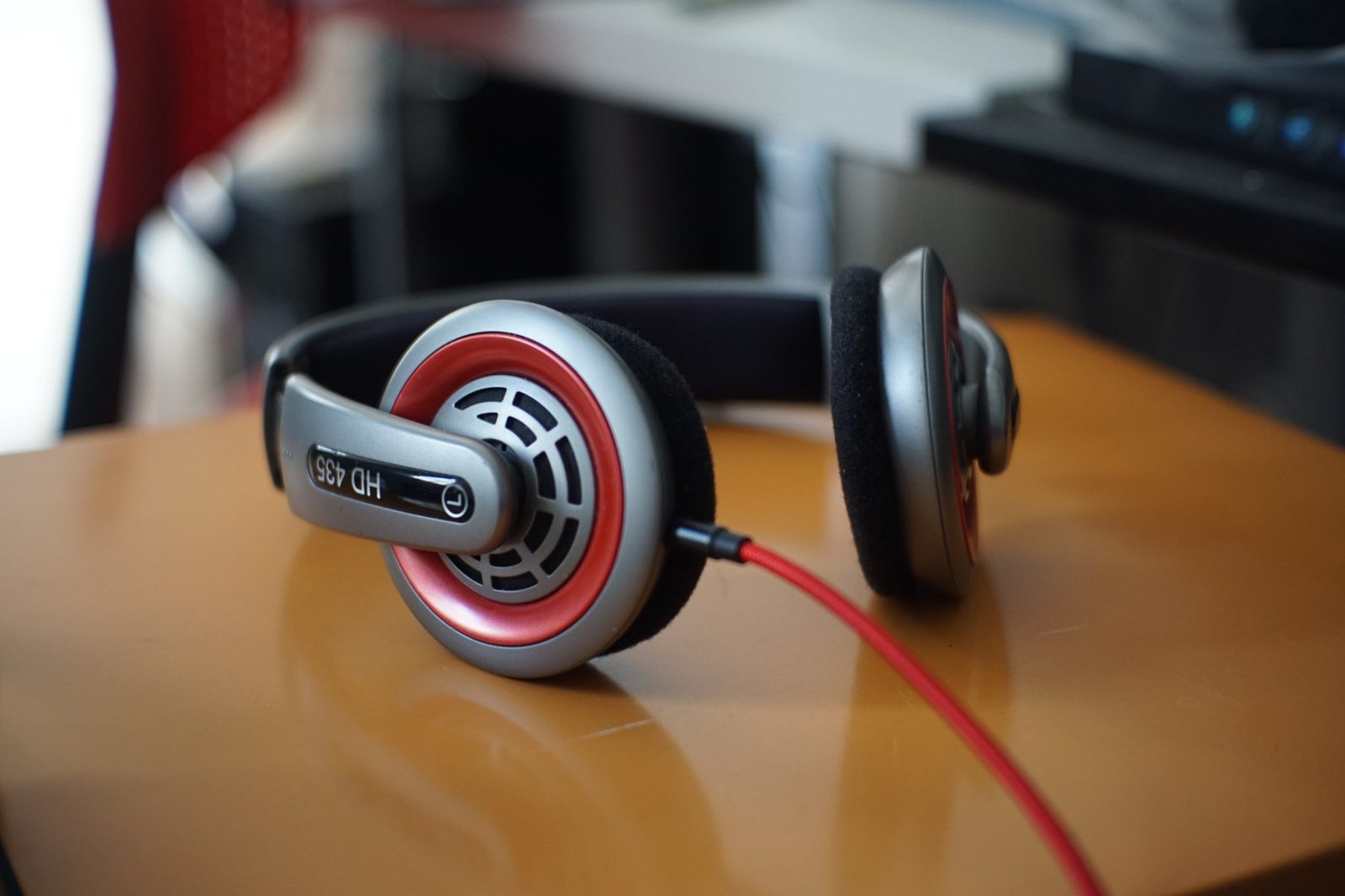
Featured photo: Nilo Velez via Openverse (CC0).