On this page
The main difference between walking and hiking is terrain. Walking usually happens on paved or smooth surfaces such as sidewalks, parks and tracks, while hiking takes place on natural trails with dirt, rocks, roots and hills. Hiking also tends to last longer, demand more effort and require more planning and gear.
The line between the two is blurry, and that is fine. A gentle gravel path through a nature reserve can feel like either one. What matters most is understanding how the activities differ in effort, preparation and safety so you can choose the right one for the day and move from one to the other with confidence. This guide compares them side by side and explains how to start, whichever you choose.
Key takeaways
- Walking is usually done on even, maintained surfaces close to home, while hiking happens on natural trails with uneven ground and elevation changes.
- Hiking generally asks more of your legs, balance and heart because of hills and rough footing.
- Walking needs little more than comfortable shoes, while hiking calls for trail footwear, water, layers and basic navigation.
- Both count as moderate physical activity for most adults and can support health and mood.
- Regular walking is one of the best ways to prepare for your first hikes.
What is the difference between walking and hiking?
The difference between walking and hiking comes down to where you go, how hard it is and how much you prepare. Walking is everyday movement on smooth, often urban surfaces. Hiking is walking on natural trails, often in parks or wild areas, with hills, uneven ground and longer distances that need more planning, gear and fitness.
Most definitions agree on a few core ideas. Walking is something you can do almost anywhere, at almost any time, in regular clothes. Hiking usually involves a trip to a trailhead, a planned route and a bit more equipment. People also tend to hike for longer stretches, often a few hours, while many walks last under an hour.
Terminology varies by country. In the UK, people often say “walking” or “hillwalking” for what Americans call hiking, and “rambling” is a common term for countryside walks. In Australia, “bushwalking” covers much the same activity. In this guide, walking means paved or smooth surfaces and hiking means natural trails.
Walking vs hiking: side-by-side comparison
Walking vs hiking differs across terrain, effort, gear, planning and risk. Walking is easier to fit into daily life and needs almost no equipment. Hiking offers more variety, more challenge and more time in nature, but it asks for preparation. This summary table shows how the two usually compare for a beginner deciding where to start.
| Factor | Walking | Hiking |
|---|---|---|
| Typical surface | Pavement, park paths, tracks | Dirt, rock, roots, gravel trails |
| Elevation | Mostly flat | Often hilly or mountainous |
| Usual duration | Minutes to an hour or so | An hour to a full day or more |
| Effort level | Light to moderate | Moderate to vigorous |
| Footwear | Walking or running shoes | Trail shoes or hiking boots |
| Gear | Very little | Water, layers, snacks, map, first aid |
| Planning | Minimal | Route, weather and timing |
| Where you go | Near home or work | Parks, forests, mountains |
| Main risks | Traffic, weather | Getting lost, falls, weather, wildlife |
Use this as a general guide. A long walk on a hilly country lane can be harder than a short, flat nature trail.
Is hiking a better workout than walking?
Hiking is usually a harder workout than walking because hills and uneven ground make your muscles and heart work more for the same distance. Uphill sections raise your heart rate, downhill sections challenge your thighs and balance, and rough footing engages small stabilizing muscles. Walking is gentler, easier to repeat daily and still very good exercise.
Rather than asking which is better, it helps to ask which suits your goals:
- For building a daily habit: walking wins, because you can do it from your front door.
- For leg strength and endurance: hiking adds hills and longer time on your feet.
- For balance and coordination: trail surfaces challenge your stability more than pavement.
- For low impact recovery days: easy walking is gentler on joints.
- For time in nature: hiking takes you farther into parks and green spaces.
Energy use depends on your body weight, pace, terrain, pack weight and the grade of any hills, so any single calorie figure is only a rough estimate. As a rule of thumb, adding elevation and a pack increases effort noticeably compared with flat walking at a similar pace.
Public health agencies such as the CDC recommend that most adults get regular moderate physical activity across the week. Brisk walking is one of the most common examples of moderate activity, and hiking can count as moderate or vigorous depending on the terrain. If you are building a routine, our guide on how to start walking for exercise offers an easy plan.
What are the benefits of walking?
The benefits of walking include better everyday fitness, easier weight management, improved mood and a simple way to add movement without special gear or travel. Because walking is low impact and easy to repeat, it suits beginners, people returning to exercise and anyone who wants a steady habit they can keep for years.
Practical benefits of walking include:
- You can start right away with shoes you already own.
- It fits into short gaps in your day, such as lunch breaks or after dinner.
- It is easy to do with friends, family, children or a dog.
- You can walk in most weather with the right layers.
- It builds a fitness base that makes hiking easier later.
Consistency matters more than intensity. A short walk most days often does more for your fitness than an occasional long outing. Our guide on how to build a daily walking habit shares simple ways to make walking stick.
What are the benefits of hiking?
The benefits of hiking include a more varied workout, stronger legs and core, better balance and longer stretches of time in nature. Hiking turns exercise into an outing, with views, wildlife and a sense of reaching a destination. Many people find that the change of scenery makes longer exercise feel easier and more enjoyable.
Hiking adds benefits that walking does not always provide:
- Hills: climbing builds strength and stamina in your legs and lungs.
- Uneven ground: roots and rocks train balance and foot strength.
- Green space: time in natural settings is widely linked with lower stress and better mood.
- Skills: hiking teaches navigation, planning and outdoor awareness.
- Social time: hiking clubs and group outings are a common way to meet people.
Tip: If hiking feels like a big step, look for a short, well marked nature trail near you. It gives you the trail experience with low risk and an easy way back.
What gear do you need for walking compared to hiking?
The gear you need for walking is minimal: comfortable, supportive shoes, weather appropriate clothing and perhaps water. Hiking needs more because you travel farther from help. Trail footwear, a small pack, water, snacks, layers, a map or navigation app, sun protection and a basic first aid kit are standard for most day hikes.
Here is how a typical gear list grows from a walk to a hike:
| Item | Everyday walk | Day hike |
|---|---|---|
| Shoes | Walking or running shoes | Trail shoes or hiking boots |
| Clothing | Everyday comfortable clothes | Moisture-wicking layers plus rain jacket |
| Water | Optional on short walks | Always, often more than you think |
| Food | Not needed | Snacks or lunch |
| Bag | Optional | Daypack |
| Navigation | Phone map | Map, app with offline maps, trail plan |
| Safety | Phone | First aid kit, headlamp, whistle |
For walking, the right shoes matter most. Read our guide on how to choose walking shoes for fit and support advice, and see the walking gear checklist for beginners for everything else you might want on longer walks.
For hiking, footwear choice depends on terrain, weight carried and personal comfort. Our comparison of hiking boots vs. trail shoes explains when each makes sense. Experienced hikers also follow the ten essentials for hiking, a widely used checklist of safety items.
How much planning does hiking need compared to walking?
Hiking needs more planning than walking because trails are farther from roads, help and phone signal. Before a hike, you should choose a route that suits your fitness, check the weather and trail conditions, tell someone your plan and pack the right supplies. A neighborhood walk needs little more than a glance at the sky.
Use these steps to plan a beginner hike:
- Choose a trail with a distance and elevation gain that suits your current fitness.
- Check recent trail conditions and any closures with the park or land manager.
- Look at the forecast for the trail itself, not just the nearest town.
- Estimate how long the hike will take and plan to finish well before dark.
- Pack water, food, layers, navigation and a small first aid kit.
- Tell a friend or family member where you are going and when you expect to be back.
Our guides on how to choose a hiking trail for your level and how to plan a day hike cover these steps in more detail.
Is hiking more dangerous than walking?
Hiking carries more risk than walking because you are farther from help, on uneven ground and more exposed to weather. Common hiking problems include getting lost, ankle sprains, dehydration and being caught out by darkness or storms. Walking in towns has its own risks, mainly traffic. Good preparation keeps most hikes safe and enjoyable.
Simple ways to reduce hiking risk:
- Start with short, popular trails before trying remote ones.
- Carry more water than you expect to need, especially in heat.
- Turn around if the weather changes or the trail feels beyond your skills.
- Download offline maps and carry a charged phone, but do not rely on signal.
- Watch your footing on descents, where many slips happen.
For walking near roads, wear bright or reflective clothing in low light, use sidewalks or face oncoming traffic where there is none, and stay alert at crossings. If you or someone with you is injured, unwell or lost and cannot get out safely, call your local emergency number.
How do you move from walking to hiking?
You move from walking to hiking by building your walking fitness first, then adding hills, longer distances and easy trails step by step. Start with short nature paths, wear supportive shoes and carry water and a snack. Over several weeks, increase time on your feet and elevation gradually so your legs, joints and confidence keep up.
A simple progression many beginners follow:
- Walk regularly for a few weeks until 30 to 45 minutes feels comfortable.
- Add a hilly route or some stairs once or twice a week.
- Try a short, flat nature trail at a local park.
- Extend to a longer trail with gentle elevation and a clear marked route.
- Add a daypack with water and layers to get used to carrying weight.
- Choose a moderate trail with more climbing once easy trails feel simple.
Listen to your body as you progress. Some muscle soreness after a new hike is normal, but sharp pain, joint swelling or pain that lasts more than a few days is a reason to rest and talk to a health professional.
Tip: Practice with your hiking shoes on regular walks before your first real trail. It helps you spot fit problems early, when it is easy to fix them.
What are common mistakes when comparing walking and hiking?
Common mistakes when comparing walking and hiking include assuming a hike will feel like a long walk, underestimating time on hilly trails and skipping basic gear. Trail miles are usually slower than sidewalk miles. Treating a hike like a casual stroll leads to running out of water, daylight or energy before the end.
Avoid these mistakes:
- Judging a hike by distance alone. Elevation gain and terrain often matter more.
- Wearing worn out or slippery shoes. Good grip matters on dirt and rock.
- Skipping water and snacks. Even short hikes can take longer than planned.
- Starting too late. Leave time to finish in daylight with a margin.
- Thinking walking does not count. Regular walking is real exercise and great hiking preparation.
For a full overview of getting started on the trail, our beginner hiking guide is the natural next step.
Frequently asked questions
Is hiking just walking?
Hiking is a form of walking, but it usually means walking on natural trails rather than pavement. Trails often include hills, rocks, roots and longer distances, so hiking tends to require more effort, better footwear and more planning. Many people use the terms loosely, and regional names such as hillwalking and bushwalking overlap.
Does hiking burn more calories than walking?
Hiking usually burns more energy than walking at a similar pace because hills, uneven ground and a pack add effort. The exact amount depends on your weight, speed, terrain and elevation gain, so general calorie figures are only estimates. Both activities count as valuable exercise when done regularly.
Can you hike in walking shoes?
You can hike in walking shoes on easy, dry, well maintained trails. For rocky, muddy or steep terrain, trail shoes or hiking boots give better grip, protection and stability. Start with gentle trails in the shoes you have, then choose dedicated trail footwear as your hikes get longer or rougher.
How far is a typical beginner hike?
A typical beginner hike is short and gentle, often a few miles with little elevation gain. The right distance depends on your fitness, the terrain and how much climbing the trail involves. Choose a route you can finish comfortably in daylight, and add distance gradually as your walking fitness improves.
Is walking enough exercise if I do not hike?
Walking can be enough exercise for many adults when done regularly at a brisk pace. Health agencies encourage regular moderate activity across the week, and brisk walking is a common example. Adding some hills, stairs or strength work can build extra fitness, but hiking is not required to stay active.
Sources and further reading
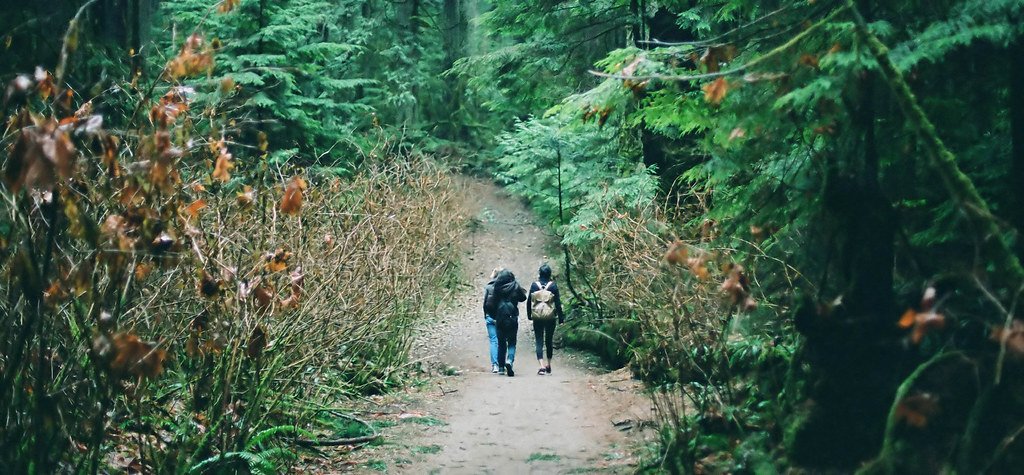
Featured photo: cclogg via Openverse (CC0).