On this page
Wildlife safety on the trail comes down to three habits: keep your distance, never feed or approach animals and store food so wildlife cannot get it. Most animals avoid people they can hear coming. Knowing how to respond calmly to the few that do not, such as bears, mountain lions, moose and snakes, keeps both you and the animal safe.
This guide covers how to prevent encounters, safe viewing distances, what to do around common North American species and when to call for help. Rules and recommendations vary by park, so always check with the local ranger station or visitor center before you go.
Key takeaways
- Give all wildlife plenty of space. Yellowstone, for example, requires at least 100 yards from bears and wolves and 25 yards from other animals.
- Never feed wildlife, and store food and scented items according to local rules.
- Make noise in thick brush and blind corners so animals hear you coming, and hike in groups where possible.
- Do not run from a bear or mountain lion. Stay calm, stand your ground and back away slowly when it is safe.
- Bear spray is a defense tool for an aggressive or charging bear, not a repellent to spray on gear.
- Seek emergency help immediately for any snakebite or animal attack.
Why does wildlife safety matter on the trail?
Wildlife safety matters on the trail because most dangerous encounters happen when people get too close, surprise an animal or let it get human food. Following simple rules protects you from injury and protects animals too. Wildlife that becomes used to people or food can grow aggressive and may have to be removed by managers.
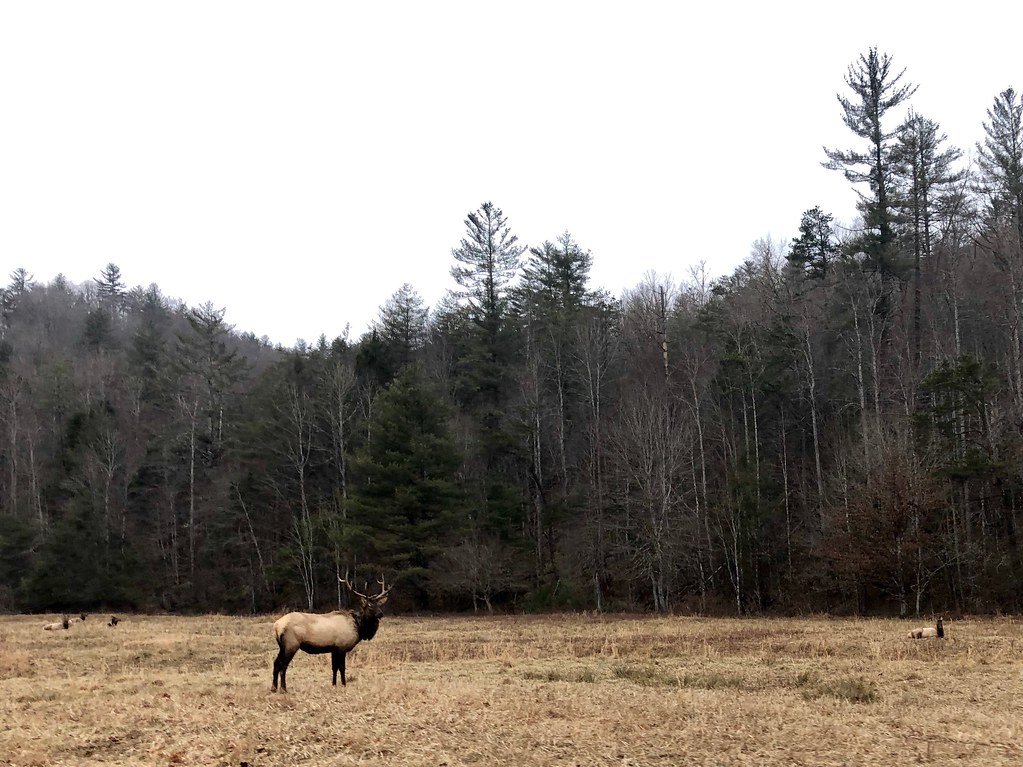
Wild animals are not pets or attractions. A calm-looking bison, elk or moose can move very fast and may charge if it feels threatened. Mothers protecting young and animals guarding food are especially unpredictable. Keeping your distance is the single most effective habit you can build.
Responsible wildlife viewing is also part of the wider principles of outdoor ethics. Our guide to Leave No Trace principles explained covers how respecting wildlife fits alongside the other six principles.
How far should you stay from wild animals?
You should stay far enough from wild animals that your presence does not change their behavior. Many parks set minimums. Yellowstone National Park requires at least 100 yards from bears, wolves and cougars and at least 25 yards from bison, elk and other wildlife. If an animal moves toward you, back away to keep that space.
| Animal group | Example minimum distance | What to do |
|---|---|---|
| Bears, wolves, cougars | At least 100 yards | Back away, leave an escape route for the animal |
| Bison, elk, moose | At least 25 yards, more is better | Give a wide berth, never get between mothers and young |
| Other wildlife | At least 25 yards | Watch quietly, use binoculars or a zoom lens |
These distances come from Yellowstone’s park rules. Other parks may set different minimums, so check local guidance. When in doubt, give more space than you think you need.
Tip: A common rule of thumb is to hold your arm out and raise your thumb. If your thumb does not cover the whole animal, you are probably too close.
How do you avoid wildlife encounters while hiking?
To avoid wildlife encounters while hiking, make noise in areas with poor visibility, hike in groups, stay alert at dawn and dusk, keep a clean camp and stay on marked trails. Most animals move away when they hear people. Problems usually start when an animal is surprised at close range or drawn in by food.
Build these habits on every hike:
- Check local conditions. Ask the visitor center or ranger station about recent wildlife activity and closures.
- Make noise. Talk, clap or call out near streams, dense brush and blind corners.
- Hike in a group. Groups are noisier and more noticeable than solo hikers.
- Stay alert. Avoid wearing both earbuds, and watch for tracks, scat and fresh digging.
- Be careful at dawn and dusk. Many animals are more active at these times.
- Keep children close. Do not let kids run ahead or lag behind on the trail.
- Keep dogs leashed. Loose dogs can provoke wildlife and lead an angry animal back to you.
- Avoid carcasses. Predators may return to a kill and defend it.
Staying on the trail also matters on busy routes, where crowds can push wildlife into conflict. Our guide on how to hike responsibly on busy trails covers etiquette that helps animals and people share the space.
How should you store food in wildlife country?
Storing food properly in wildlife country means keeping all food, trash and scented items where animals cannot reach them. Depending on the area, that may mean bear-resistant lockers, approved bear canisters or hanging food where allowed. Never leave food unattended or in a tent. Follow the specific rules of the park or forest you visit.
Attractants include more than food. Animals are drawn to:
- Snacks, meals and cooking leftovers
- Trash and food wrappers
- Toothpaste, sunscreen, lip balm and deodorant
- Pet food and bowls
- Cooking pots and dishwater
Practical food storage habits:
- Cook and eat away from where you sleep when camping in bear country.
- Use bear lockers or canisters where provided or required.
- Pack out all trash, including small crumbs and fruit peels.
- Never feed wildlife, including birds, squirrels and deer.
- Clean up thoroughly after every meal.
Human waste and used toilet paper can also attract animals. Our guide on how to go to the bathroom outdoors explains how to dispose of waste properly. For campsite basics, see the camping for beginners guide.
What should you do if you see a bear?
If you see a bear, stay calm and do not run. If it has not noticed you, move away quietly. If it has, talk calmly so it knows you are human, stand still, slowly wave your arms and back away sideways if it is not moving. Pick up small children and never get between a mother and her cubs.
The National Park Service recommends these steps when you see a bear:
- Stay calm. Most bears want to avoid you.
- Identify yourself. Talk in a calm, low voice so the bear knows you are human.
- Do not run. Running can trigger a chase. Bears can run faster than people.
- Back away slowly. Move sideways if the bear is stationary, which looks less threatening.
- Pick up small children. Keep your group together.
- Look larger. Stand close together and move to higher ground if possible.
- Do not climb a tree. Both black bears and grizzly bears can climb.
- Keep your pack on. Do not let the bear get your food.
- Leave or detour. Give the bear an escape route.
What to do if a bear attacks
NPS guidance differs by species. For a brown or grizzly bear attack, leave your pack on and play dead: lie flat on your stomach, clasp your hands behind your neck and stay still until the bear leaves. If the attack continues, fight back hard, aiming for the face. For a black bear attack, do not play dead. Try to escape to a car or building, or fight back with anything available, aiming for the face and muzzle. If any bear attacks you in a tent or appears to be stalking you, fight back.
Report every bear encounter to park staff. Seek emergency medical help for any injury.
How to use bear spray
Bear spray is a defensive tool for an aggressive, charging or attacking bear. Use a product made specifically for bears, as personal pepper spray is different. Carry it where you can reach it quickly, not inside your pack, and learn how to use it before your hike. Do not spray it on yourself or your gear as a repellent. Check whether your park recommends or permits it.
What should you do if you see a mountain lion?
If you see a mountain lion, do not approach it and do not run. Stand your ground, face the animal and make yourself look as large as possible by raising your arms or opening your jacket. Speak firmly and loudly. Pick up small children without bending over. If a mountain lion attacks, fight back with rocks, sticks or your hands.
Mountain lions, also called cougars or pumas, are rarely seen, but encounters do happen in parts of North America. The National Park Service advises:
- Avoid hiking alone, especially at dawn and dusk.
- Keep children close and never let them run ahead.
- Give the lion a clear way to escape.
- Do not crouch or bend over, which can make you look like prey.
- Throw objects you can reach without turning your back or crouching.
- Stay on your feet if attacked and protect your head and neck.
Report all sightings to a ranger.
How do you stay safe around moose, bison and elk?
Large hoofed animals such as moose, bison and elk can be dangerous because they are fast, powerful and protective of their young. Stay well back, never approach for photos and watch for warning signs such as ears pinned back, stamping or a raised tail. If one charges, move away quickly and put a large object between you and the animal.
Key points for these animals:
- Bison: They can sprint quickly despite their size. Keep at least the posted minimum distance and never walk up for a closer photo.
- Elk: Be extra careful in spring, when cows protect calves, and in fall, when bulls are aggressive during the rut.
- Moose: Moose can be aggressive, especially mothers with calves and bulls in the fall. Many wildlife agencies advise backing away and using a tree or vehicle as a barrier if a moose approaches.
Yellowstone’s guidance notes that if a bison or elk charges, you should run away, which is the opposite of the advice for bears and mountain lions. Know which animals live where you hike.
How do you avoid and handle snake encounters?
To avoid snake encounters, stay on trails, watch where you put your hands and feet and avoid reaching into rock crevices or woodpiles. If you see a snake, stop, give it space and walk around it at a distance. Most snakes bite only when stepped on, handled or cornered. Treat any bite from an unknown snake as an emergency.
Prevention tips:
- Wear boots and long pants in snake habitat.
- Use a flashlight or headlamp at night.
- Step onto rocks and logs rather than over them so you can see the other side.
- Never try to handle or kill a snake.
What to do if a snake bites you
The CDC advises getting emergency medical care as soon as possible. While waiting for help:
- Call for emergency help. Do not drive yourself if you can avoid it.
- Stay calm and still. Sit or lie down with the bite in a comfortable position.
- Remove rings, watches and tight items before swelling starts.
- Wash and cover the bite. Use soap and water and a clean, dry dressing.
- Mark the swelling. Note the edge of swelling and the time.
- Photograph the snake from a safe distance only if you can do so safely.
The CDC also says not to cut the wound, suck out venom, use a tourniquet, apply ice, drink alcohol or take pain relievers such as aspirin or ibuprofen. Do not wait for symptoms before seeking care.
How do you deal with small wildlife and insects?
Small wildlife such as squirrels, raccoons and birds can still cause problems if they get food or are handled, and ticks and mosquitoes can spread disease. Never feed or touch small animals, store food securely and use insect repellent, long sleeves and daily tick checks. Seek medical advice for bites, unusual rashes or illness after a hike.
- Rodents and raccoons: They often raid campsites for food. Keep food sealed and stored properly. Do not touch sick or unusually tame animals.
- Ticks: Walk in the center of trails, use repellent and check your body, clothing and pets after hiking. The CDC has detailed tick prevention guidance.
- Mosquitoes: Use repellent and cover up, especially at dawn and dusk near water.
- Bees and wasps: Move away calmly. People with severe allergies should carry their prescribed medication and tell hiking partners.
What are common wildlife safety mistakes?
Common wildlife safety mistakes include getting too close for photos, feeding animals, running from predators, leaving food unattended, hiking silently through dense brush and letting dogs off leash. Many incidents happen because people treat wild animals as tame. Simple awareness and distance prevent most problems on the trail.
- Approaching for selfies. Use a zoom lens or binoculars instead.
- Feeding wildlife. It harms animals and makes them bolder around people.
- Running from a bear or mountain lion. This can trigger a chase.
- Storing food in a tent. Use the approved storage method for the area.
- Hiking with earbuds in. You may miss warning sounds.
- Ignoring closures. Areas often close because of wildlife activity.
- Letting dogs roam. Dogs can provoke animals and bring them back to you.
Frequently asked questions
Should I carry bear spray when hiking?
Carry bear spray if you hike in bear country and the park recommends or allows it. Choose a product made for bears, keep it within quick reach and learn how to use it. Bear spray is for defense against an aggressive or charging bear. It does not replace good habits such as making noise and storing food properly.
Is it safe to hike alone in areas with wildlife?
Hiking alone in wildlife areas carries more risk because groups are noisier and better at deterring animals. Many parks recommend hiking in groups in bear and mountain lion country. If you hike alone, choose popular trails, tell someone your route and return time, make noise in thick brush and carry bear spray where recommended.
What should I do if an animal approaches me on the trail?
Back away slowly to restore a safe distance, giving the animal a clear escape route. Do not turn and run from a bear or mountain lion. Keep children and dogs close. If the animal keeps following, follow species guidance: stand your ground and look large for predators, and move away and find a barrier for moose.
Can I take photos of wildlife safely?
Yes, if you keep a safe distance and do not change the animal’s behavior. Use a zoom lens, binoculars or a spotting scope rather than walking closer. Never surround, chase, call to or bait an animal for a photo. If the animal looks up, moves away or shows stress, you are too close and should back off.
Sources and further reading
- National Park Service bear safety for encounter and attack guidance.
- National Park Service mountain lion safety for cougar encounters.
- Yellowstone National Park safety for wildlife distance rules.
- CDC venomous snakes guidance for snakebite prevention and first aid.
- Leave No Trace Center for Outdoor Ethics for responsible wildlife practices.
In an emergency, call 911 in the US and Canada, 999 or 112 in the UK and 000 in Australia. Ready for the next step? Learn the full framework for responsible hiking in Leave No Trace principles explained.
Featured photo: w_lemay via Openverse (CC0).