On this page
The best outdoor habits for busy people are small, repeatable and attached to something you already do: coffee outside in the morning, a walking phone call, lunch in the fresh air, a short loop after work and one protected outdoor block on the weekend. Each takes five to thirty minutes, and together they add up across a week.
Busy schedules rarely have room for a long hike on a Tuesday. They do have small gaps, and those gaps are where outdoor habits live. Below are 16 practical habits grouped by time of day, a sample week that shows how to fit them together, and simple ways to make them stick when work and family get hectic.
Key takeaways
- Tie each habit to an existing routine, so it needs no extra decision.
- Start with one or two habits, and add more only once they feel automatic.
- Most of these habits take five to thirty minutes and no special gear.
- Keep a jacket and comfortable shoes by the door so weather and effort stop being barriers.
- Protect one longer outdoor block each week, booked like an appointment.
- Missing a day is normal. Restart the next day rather than giving up.
What are the best outdoor habits for busy people?
The best outdoor habits for busy people take little time, fit around fixed commitments and replace something you already do indoors. Good examples include morning coffee outside, walking calls, outdoor lunch breaks, active commutes, a post work walk and a weekend outing. Pick the two that fit your day best and start there.
Here is the full list at a glance:
| Habit | Time needed | Best for |
|---|---|---|
| Morning coffee outside | 5 to 10 minutes | Everyone |
| Morning daylight walk | 10 to 20 minutes | Early risers |
| Active commute segment | 10 to 20 minutes | Commuters |
| Walking phone calls | 15 to 30 minutes | Office and remote workers |
| Outdoor lunch | 15 to 30 minutes | Anyone with a lunch break |
| Micro breaks outside | 2 to 5 minutes | Desk workers |
| Walking meetings | 20 to 30 minutes | Teams |
| Post work loop | 10 to 20 minutes | Remote workers |
| After dinner walk | 10 to 20 minutes | Families and couples |
| Errands on foot or bike | Varies | City and suburb dwellers |
| Outdoor chores | Varies | Homeowners and gardeners |
| Weekend outing | 1 to 3 hours | Everyone |
| Social walks | 30 to 60 minutes | Friends and family |
| Kid playtime outside | 20 to 60 minutes | Parents |
| Outdoor hobby | Varies | Anyone wanting variety |
| Evening sky check | 5 minutes | Night owls |
The sections below explain each habit and how to fit it into a packed schedule.
Which morning outdoor habits work for busy people?
Morning outdoor habits work well for busy people because the start of the day is often the most predictable part. Drinking coffee outside, taking a short daylight walk or doing a few stretches on the porch takes minutes and does not compete with work. Morning habits also happen before the day’s demands can push them aside.
1. Drink your morning coffee or tea outside
Take your first drink on a porch, balcony, front step or in a nearby park. It requires no extra time, only a change of location. Keep a warm layer by the door for cold mornings.
2. Take a short daylight walk
A walk around the block before work gets you outside early and can help you feel more awake. Ten minutes is plenty to start.
3. Walk part of your commute
Get off transit a stop early, park farther away or walk to a farther bus stop. You get outdoor time without adding much to your commute.
Which workday outdoor habits fit around a job?
Workday outdoor habits fit around a job when they replace something you would do at your desk anyway. Walking phone calls, eating lunch outside, short breaks in fresh air and walking meetings all add outdoor time without lengthening the working day. Block them in your calendar so meetings do not quietly fill the gaps.
4. Take phone calls on foot
Any call that does not need a screen can happen on a walk. Use headphones and pick a quiet route.
5. Eat lunch outside
Find a bench, a park or a courtyard near your work. Even 15 minutes outside breaks up a long day.
Tip: Set a recurring calendar block called “outside” at lunch. Colleagues tend to respect blocked time more than intentions.
6. Step outside for micro breaks
Between tasks, step out for two to five minutes. Look at something far away, breathe and stretch. These short breaks are easy to fit in on the busiest days.
7. Suggest walking meetings
One to one check ins and brainstorming sessions often work well on foot. Share an agenda in advance so nobody needs notes.
Which evening outdoor habits help busy people unwind?
Evening outdoor habits help busy people unwind by creating a clear break between work and home. A short loop after logging off, a walk after dinner or a few minutes looking at the sky all count. Evenings vary with the seasons, so plan for darkness in winter with bright clothing, a headlamp and well lit routes.
8. Take a post work loop
If you work from home, walk around the block when you shut your laptop. It acts like the commute you no longer have and marks the end of the workday.
9. Walk after dinner
A short stroll after dinner is a simple habit to share with a partner, kids or a neighbor. Keep it relaxed and short.
10. Do a quick sky check
Step outside before bed to look at the moon, stars or the night sky. It takes five minutes and gives you a moment of quiet.
In darker months, wear something bright or reflective and stick to well lit streets. Our walking gear checklist for beginners covers visibility and layering basics.
Which weekend and errand habits add more time outside?
Weekend and errand habits add more time outside by turning necessary tasks and free time into outdoor time. Walk or cycle for nearby errands, do chores like gardening or washing the car outdoors and plan one longer outing each weekend. These habits give you longer stretches outside without needing a free afternoon every day.
11. Run errands on foot or by bike
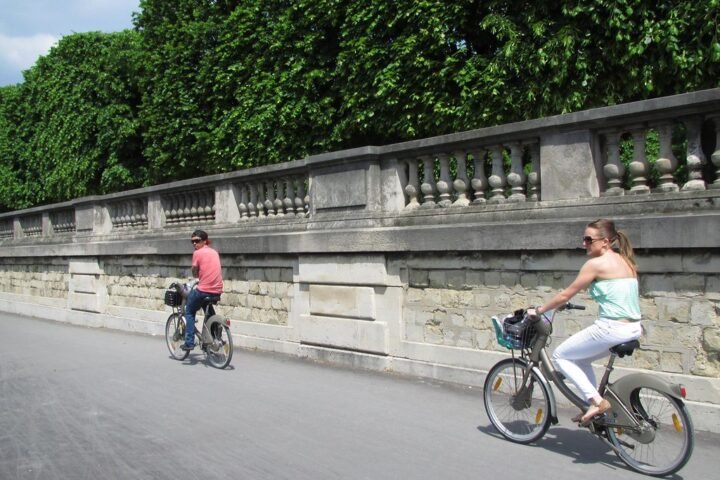
For nearby trips to the store, library or post office, walk or cycle when it is safe and practical. Carry a backpack or tote for small loads.
12. Move chores outdoors
Gardening, sweeping, washing the car or fixing a bike all count as outdoor time. Reading or folding laundry on the porch counts too.
13. Protect one weekend outing
Choose one outdoor activity, such as a park walk, a local trail or a bike ride, and decide on it by midweek. Treat it like an appointment. For more ideas on making this a regular part of life, see our guide on how to get outside more often.
Which social and family outdoor habits are easiest to keep?
Social and family outdoor habits are easiest to keep because other people help hold you to them. A weekly walk with a friend, outdoor playtime with kids or a regular neighborhood stroll turns time outside into time together. When your schedule is tight, combining social time and outdoor time means you do not have to choose between them.
14. Swap a coffee date for a walk
Instead of meeting a friend indoors, meet for a walk with a coffee to go. You catch up and get outside at the same time.
15. Build outdoor playtime into the kids’ routine
Set a regular slot after school or dinner for outdoor play in the yard or a park. Keep spare layers and snacks handy.
16. Take up an outdoor hobby
Birdwatching, photography, gardening, geocaching or a local running group give you a reason to go out that is about more than exercise. A hobby also brings variety.
How do you make outdoor habits stick when you are busy?
You make outdoor habits stick when you are busy by attaching each one to an existing routine, keeping it small enough to do on a bad day and making it easy to start. Decide exactly when and where it happens, keep gear ready by the door and track your progress so you can see the streak building.
Steps to build a lasting habit:
- Choose one habit from this list that fits your current routine.
- Write a simple plan: “After I finish lunch, I will walk to the park and back.”
- Make the smallest version your default, so it survives busy days.
- Prepare the night before: shoes, jacket and keys in one place.
- Mark each day you do it on a calendar or in an app.
- After two to three weeks, add a second habit.
Reminders help too. A phone alarm labeled “go outside” works better than hoping you will remember. If you want a reason to stay consistent, read why time outdoors is good for you.
What does a busy person’s outdoor week look like?
A busy person’s outdoor week can include a few minutes outside every day plus one longer weekend block, without any big changes to work or family time. The example below shows how short habits stack up. Swap habits to suit your own schedule, and keep it flexible on days when plans change.
| Day | Morning | Midday | Evening |
|---|---|---|---|
| Monday | Coffee outside | Walking call | Post work loop |
| Tuesday | Walk part of commute | Outdoor lunch | Sky check |
| Wednesday | Coffee outside | Micro breaks | After dinner walk |
| Thursday | Daylight walk | Walking meeting | Plan weekend outing |
| Friday | Coffee outside | Outdoor lunch | Walk with a friend |
| Saturday | Errands on foot | Weekend outing | Relax outside |
| Sunday | Outdoor chores | Kids’ playtime outside | Short stroll |
This is an example, not a target. Two or three of these slots a day is a strong habit for most people.
How do you keep outdoor habits going in bad weather?
You keep outdoor habits going in bad weather by dressing for the conditions, shortening the activity instead of skipping it and choosing sheltered routes. A waterproof jacket, warm layers and good shoes cover most rainy or cold days. In dangerous weather, such as thunderstorms, extreme heat or ice, stay indoors and pick the habit back up later.
Practical tips:
- Rain: wear a hooded waterproof jacket and choose paved or tree covered paths.
- Cold: add a hat and gloves and keep moving.
- Heat: go early or late, stay in the shade and carry water.
- Darkness: wear bright or reflective clothing and use well lit routes.
- Storms: if you hear thunder, go indoors, as the National Weather Service advises.
What mistakes stop busy people from building outdoor habits?
The most common mistakes are starting too big, relying on motivation rather than routine, waiting for perfect weather, skipping the habit entirely when short on time and treating a missed day as failure. Another mistake is choosing habits that do not fit your real schedule, such as dawn walks for someone who is not a morning person.
Mistakes to avoid:
- All or nothing goals. Five minutes still counts.
- Too many habits at once. Start with one or two.
- No plan for weather. Keep a jacket ready.
- Ignoring your energy patterns. Choose times that suit you.
- Giving up after a missed day. Just restart tomorrow.
Your next step is to pick one habit from this list and do it tomorrow. Then read our guide on how to get outside more often for more ideas for weekends, cities and families.
Frequently asked questions
How can I spend more time outside with a full time job?
Use the edges and gaps of your workday. Drink morning coffee outside, take calls on foot, eat lunch outdoors and walk around the block after work. Block these times in your calendar. Then protect one longer outdoor activity at the weekend, chosen in advance so it actually happens.
How long does it take to build an outdoor habit?
There is no fixed timeline, and it varies from person to person. Most people find a habit feels easier after a few weeks of regular repetition. Keep the habit small, attach it to a routine you already have and track it. Consistency matters more than how long each outing lasts.
What is the easiest outdoor habit to start?
Drinking your morning coffee or tea outside is one of the easiest to start, because it needs no extra time, no gear and no planning. You only change where you sit. Once it feels automatic, add a second habit, such as a short walk after lunch or after work.
Do short outdoor breaks really help?
Short outdoor breaks give you fresh air, a change of scene and a chance to move, which many people find refreshing during a long day. They are also much easier to keep than long outings. Several short breaks across a week add up, especially when combined with walking.
Sources and further reading
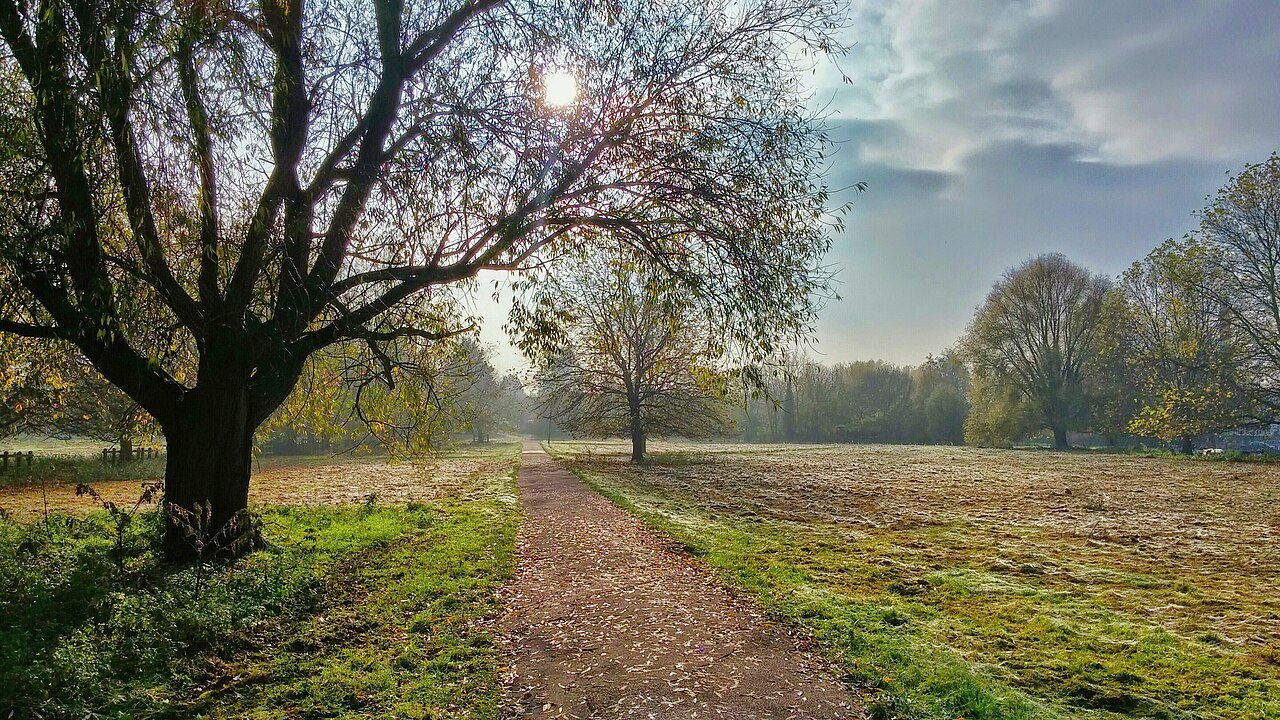
Featured photo: Toni Lluch tonill via Openverse (CC0).