On this page
To stay warm while camping, insulate yourself from the ground with a sleeping pad rated for the season, use a sleeping bag with a comfort rating below the coldest expected temperature, change into dry layers before bed and go to sleep warm, fed and hydrated. Pick a sheltered campsite and never use fuel-burning heaters or stoves inside your tent.
Cold nights are one of the most common reasons first-time campers have a bad trip. The good news is that most of the fixes are simple and cost little or nothing. Warmth at camp is a system: the ground below you, the bag around you, the clothes you wear, the food you eat and the spot you choose all work together. This guide covers each part and how they fit.
Key takeaways
- Most heat loss at night goes into the ground, so your sleeping pad matters as much as your sleeping bag.
- Choose a sleeping bag by its comfort rating, not its lower limit or extreme rating.
- Change into clean, dry base layers before bed. Damp clothing makes you cold fast.
- Eat a warm meal, drink, and get your body warm before you climb into your bag.
- Never use fuel-burning heaters, stoves or grills inside a tent because of carbon monoxide and fire risk.
Why do you get cold when camping?
You get cold when camping because your body loses heat to the cold ground, the air around you, wind and moisture. The ground pulls heat away through conduction, wind strips warm air from your body, and damp clothes or sweat cool you quickly as they evaporate. Staying warm means blocking each of these losses.
| How you lose heat | What it means at camp | How to block it |
|---|---|---|
| Conduction | Heat flows into the cold ground | Insulated sleeping pad |
| Convection | Wind and moving air carry heat away | Sheltered site, closed tent, sleeping bag hood |
| Evaporation | Damp skin and clothes cool you | Dry base layers, good ventilation |
| Radiation | Body heat escapes to the cold night air | Insulated layers, a well fitted bag |
Understanding these basics helps you fix the real problem. If your back is cold but your front is warm, the pad is likely the weak link. If you feel clammy, moisture may be the issue.
How does your sleeping pad keep you warm?
A sleeping pad keeps you warm by insulating you from the cold ground. Your sleeping bag’s insulation gets compressed under your body weight, so it does little below you. The pad does that job. Pads are rated by R-value, and a higher R-value means more insulation. Cold weather camping needs a higher R-value than summer trips.
Ways to improve ground insulation:
- Choose a pad for the season. Check the R-value, which major brands now measure to a shared standard.
- Stack two pads. A closed-cell foam pad under an inflatable pad adds warmth and protects against punctures.
- Avoid air mattresses without insulation. Uninsulated air beds can feel very cold because the air inside cools down.
- Cover cold surfaces. A blanket or extra foam under the tent floor in a car camping setup adds another layer.
Tip: If you wake up cold even in a warm sleeping bag, add a foam pad under you before buying a new bag. The ground is often the real problem.
How do you choose a sleeping bag for cold nights?
Choose a sleeping bag for cold nights by its comfort rating, and pick one rated below the lowest temperature you expect. Bags tested to the ISO 23537 standard list comfort, lower limit and extreme ratings. The extreme rating is a survival figure, not a sleeping figure. If you tend to sleep cold, allow a wider margin.
Other features that help:
- Hood: a snug hood stops heat escaping from your head.
- Draft collar: an insulated tube around the neck that keeps warm air inside.
- Mummy shape: less empty space for your body to heat than a rectangular bag.
- Zipper baffle: an insulated strip that stops cold air leaking through the zipper.
If your bag is not quite warm enough, a sleeping bag liner adds some warmth and keeps the bag cleaner. Wearing a warm hat and dry socks also helps.
What should you wear to sleep when camping?
Wear clean, dry layers to sleep when camping. A wicking base layer top and bottom, warm socks and a hat are a good start. On colder nights, add an insulated layer such as fleece or a light puffy jacket. Avoid sleeping in the clothes you wore all day, since they hold sweat and moisture.
A simple sleep clothing system:
- Change into a dry base layer as soon as you finish evening chores.
- Put on dry, warm socks, keeping a pair only for sleeping.
- Wear a warm hat or a buff around your neck.
- Add a fleece or insulated jacket if the night is cold.
- Keep tomorrow’s layers in the bag or under your pad so they stay warm.
Avoid cotton for camping layers, since it holds moisture and dries slowly. Wool and synthetic fabrics handle moisture much better. For more on how layers work together, see the clothing section of our camping for beginners complete guide.
How do food and drink help you stay warm?
Food and drink help you stay warm because your body burns calories to make heat. A warm dinner with fats, proteins and carbohydrates gives your body fuel for the night. Staying hydrated also matters, since dehydration can make it harder to stay warm. A small snack before bed can help on very cold nights.
Practical ideas:
- Eat a hot dinner. A warm meal raises comfort and provides fuel.
- Have a bedtime snack. Nuts, cheese or chocolate are easy options.
- Drink warm drinks. Herbal tea or hot chocolate warms you without caffeine.
- Keep water near you. Store a bottle inside the tent so it does not freeze in cold weather.
- Skip alcohol. It can make you feel warm briefly but increases heat loss.
What should you do before getting into your sleeping bag?
Before getting into your sleeping bag, warm up your body, use the bathroom and set up everything you will need during the night. A sleeping bag does not create heat. It traps the heat you bring into it, so climbing in cold makes it harder to warm up. A few minutes of light movement helps.
Bedtime routine:
- Do some light movement, such as a short walk or a few squats, until you feel warm but not sweaty.
- Use the bathroom so your body is not working to keep extra liquid warm.
- Change into dry sleep clothes.
- Fluff your sleeping bag so the insulation can loft fully.
- Keep a headlamp, water bottle and extra layer within reach.
- Cinch the hood around your face, leaving your mouth and nose outside.
Breathing inside the bag adds moisture that can dampen the insulation, so keep your face out even when it is cold.
Is a hot water bottle safe in a sleeping bag?
A hot water bottle can be a simple way to warm your sleeping bag if you use a bottle designed for hot liquids and close it tightly. Fill it with hot, not boiling, water, check the lid for leaks and wrap it in a sock or clothing to protect your skin. Place it near your core or feet.
Safety points:
- Use only bottles rated for hot liquids, and check the manufacturer’s guidance.
- Test the lid by turning the bottle upside down before taking it into the bag.
- Wrap it to avoid burns, especially for children.
- Never use it if the bottle shows cracks or damage.
A leaking bottle can soak your bag on a cold night, which is a serious problem, so take care.
How does campsite and tent setup affect warmth?
Campsite and tent setup affect warmth because wind, cold air and moisture all depend on where and how you pitch. Choose a spot sheltered from wind, avoid valley bottoms where cold air settles, and pitch the tent tight with the door facing away from the wind. Keep vents partly open to reduce condensation inside.
Setup tips:
- Choose a sheltered spot: trees, shrubs or a low rise block wind.
- Avoid hollows: cold air sinks and collects in low areas at night.
- Face the door away from the wind: this keeps gusts out when you go in and out.
- Pitch tight: a taut fly handles wind better and lets condensation run off.
- Ventilate: a little airflow keeps the inside of the tent drier.
- Use a smaller tent: a tent sized close to your group has less air for your bodies to warm.
For more on finding a good spot, see how to choose a campsite. For pitching tips, read how to set up a tent. If you are still shopping, how to choose a camping tent explains seasons, size and ventilation.
Can you heat a tent safely?
Do not use fuel-burning heaters, camp stoves, grills or lanterns inside a tent. They can produce carbon monoxide, an invisible gas that can kill, and they create fire risk. The CDC warns against using fuel-burning devices such as camp stoves and grills in enclosed spaces. Focus on insulation, layers and a warm sleep system instead.
Safer ways to add warmth:
- Better insulation underneath you, such as an extra foam pad.
- A warmer sleeping bag, quilt or liner.
- Warm, dry layers, a hat and sleeping socks.
- A hot water bottle prepared outside the tent.
- Sharing a tent, since bodies add warmth to the space.
At developed campgrounds with electric hookups, some campers use electric heaters designed for that purpose. Follow the campground’s rules and the heater’s safety instructions, keep it away from fabric and bedding, and never leave it unattended.
What are common mistakes that make campers cold?
Common mistakes that make campers cold include relying on a summer sleeping bag in cold weather, sleeping on an uninsulated air mattress, going to bed in damp clothes, skipping dinner and pitching in a cold hollow. Each one is easy to fix once you know the cause, and fixing several together makes a big difference.
- Choosing a bag by its lowest rating. Use the comfort rating instead.
- Ignoring the pad. A thin pad lets the ground pull heat away all night.
- Sleeping in sweaty clothes. Change into dry layers before bed.
- Getting into bed cold. Warm up first with light movement.
- Breathing into the bag. Keep your face out to avoid damp insulation.
- Packing too little. Always bring one more warm layer than you think you need.
Plan your packing with our first-time camping checklist, which includes the warm layers and sleep gear covered here.
When is being cold a safety concern?
Being cold becomes a safety concern when it leads to signs of hypothermia, such as uncontrollable shivering, confusion, slurred speech, clumsiness or unusual drowsiness. These signs need immediate action. Get the person into dry clothes and insulation, out of the wind and into warmth, and call emergency services if symptoms are severe or getting worse.
Practical steps if someone in your group is getting dangerously cold:
- Get them out of wind and wet conditions, ideally into a tent or vehicle.
- Replace wet clothing with dry layers.
- Wrap them in a sleeping bag and insulate them from the ground.
- Offer warm, sweet drinks if they are fully alert and able to swallow.
- Call 911 or your local emergency number if they are confused, drowsy or not improving.
Cold risk varies by region and season. UK, Canadian and Australian campers should check their national weather service for overnight temperatures and cold weather warnings. For official US guidance on cold weather safety, see the National Weather Service and the CDC.
Frequently asked questions
Why am I cold in my sleeping bag?
You may be cold in your sleeping bag because your pad does not insulate enough, the bag’s comfort rating is too warm for the conditions, your clothes are damp or you went to bed cold. Check your pad first, change into dry layers, eat a snack and warm up with light movement before getting into the bag.
Should you wear clothes inside a sleeping bag?
Wearing clean, dry layers inside a sleeping bag usually helps you stay warm. A base layer, socks and a hat are a good starting point, and you can add a fleece on cold nights. Avoid bulky layers that compress the bag’s insulation, and never sleep in damp clothes from the day.
How cold is too cold to camp in a tent?
How cold is too cold depends on your gear and experience rather than one temperature. With a suitable pad, a sleeping bag rated below the expected low and dry layers, many people camp comfortably in cold weather. Beginners should start with milder nights near their car and build up gradually before trying winter camping.
Is it safe to use a heater in a tent?
Fuel-burning heaters, stoves and grills should never be used inside a tent because they can produce deadly carbon monoxide and start fires. Some campgrounds with electric hookups allow electric heaters designed for that use. If you use one, follow all safety instructions, keep it clear of fabric and never leave it running unattended.
Sources and further reading
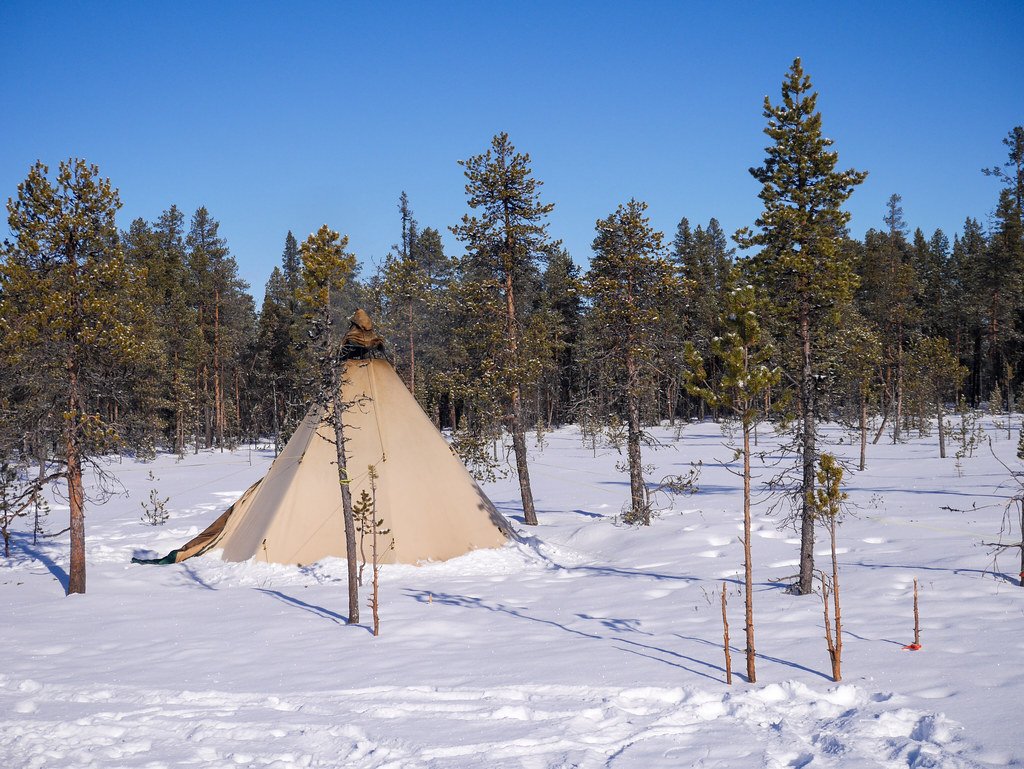
Featured photo: MyStockPhotos via Openverse (CC0).