On this page
To poop in the woods, walk at least 200 feet (about 70 adult steps) from water, trails and campsites, dig a cathole 6 to 8 inches deep, do your business, then fill the hole and disguise it. Pack out your toilet paper and wipes, and clean your hands well. Where catholes are not allowed, use a waste bag and carry it out.
Going to the bathroom outdoors is a normal part of hiking and camping, and nobody is born knowing how to do it. This step-by-step guide covers what to pack, how to choose a spot, how to dig and use a cathole, how to pee outdoors, what to do in deserts, snow and busy areas, and how to keep everything clean and hygienic. The methods follow the widely used Leave No Trace guidance.
Key takeaways
- Use a toilet or outhouse whenever one is available, including at the trailhead.
- Choose a spot at least 200 feet from water, trails and camp, with soft, organic soil.
- Dig a cathole 6 to 8 inches deep, then fill it and cover it with natural material.
- Pack out used toilet paper, wipes and menstrual products in a sealed bag.
- Use a waste bag where catholes are not allowed or not practical, such as deserts, snow, rocky ground and busy areas.
- Wash or sanitize your hands every time to prevent illness.
Why does it matter how you go to the bathroom outdoors?
How you go to the bathroom outdoors matters because human waste can pollute water, spread illness, attract animals and spoil places for other visitors. Buried correctly and far from water, waste breaks down with less risk. Left on the surface or near streams and trails, it can contaminate water and create unpleasant, unhealthy sites.
Popular trails and campsites see many visitors, so one poor choice repeated by many people quickly causes problems. That is why land managers in some areas require you to pack out all human waste.
The Leave No Trace Center for Outdoor Ethics includes “dispose of waste properly” as one of its seven principles. Our guide to Leave No Trace principles explained covers how this principle fits with the others.
What should you pack for going to the bathroom outdoors?
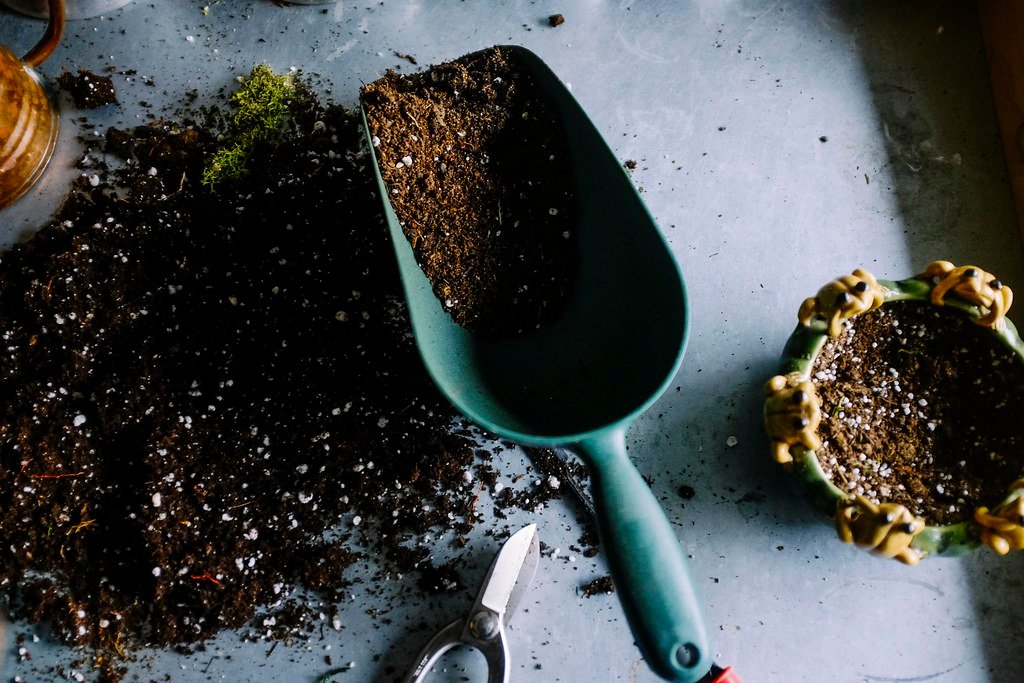
For going to the bathroom outdoors, pack a small trowel, toilet paper or wipes, a sealable bag for used paper, hand sanitizer, and, where required, a waste bag kit. Keep everything together in one bathroom kit so it is easy to grab. A small, lightweight kit fits in a daypack lid or hip pocket.
Bathroom kit checklist:
- Small trowel for digging catholes.
- Toilet paper or unscented wipes in a waterproof bag.
- Opaque, sealable bag for used paper and wipes.
- Hand sanitizer and biodegradable soap.
- Waste bag kit where catholes are not allowed.
- Menstrual products and a separate opaque bag for used ones.
- Optional pee cloth or female urination device.
Tip: Wrap a little duct tape around the outside of your used-paper bag, or use an opaque bag. It keeps the contents out of sight and makes packing out much easier to accept.
How do you choose a spot to go to the bathroom outdoors?
Choose a bathroom spot outdoors that is at least 200 feet, or about 70 adult steps, from lakes, streams, trails and campsites, with soft, dark, organic soil where you can dig. A spot with some privacy, such as behind trees or rocks, helps. Avoid dry washes, gullies and places where water flows after rain.
What to look for:
- Walk at least 200 feet away from water, trails and camp.
- Find soil that is dark and rich, rather than sand, gravel or rock.
- Pick a place with some sun if possible, which can help decomposition.
- Look for natural privacy, such as trees, shrubs or boulders.
- Avoid areas where people might walk, camp or collect water.
- Stay out of drainages that could carry waste into streams.
| Factor | Good choice | Avoid |
|---|---|---|
| Distance | At least 200 feet from water, trails, camp | Near streams or shorelines |
| Soil | Dark, organic soil | Sand, gravel, solid rock |
| Location | Higher, well-drained ground | Gullies and dry washes |
| Privacy | Behind trees or rocks | Open, high-traffic areas |
| Group use | Spread catholes apart | Using the same spot repeatedly |
How do you dig and use a cathole step by step?
To use a cathole, dig a hole about 6 inches wide and 6 to 8 inches deep, squat over it and go, then mix a little soil into the waste with a stick, fill the hole with the original soil and cover it with leaves or needles. Pack out your toilet paper and clean your hands afterward.
Step by step:
- Choose your spot following the guidelines above.
- Dig a hole about 6 to 8 inches deep and roughly 4 to 6 inches wide with your trowel.
- Set the soil and top layer to one side so you can replace them.
- Squat over the hole, holding onto a tree or rock for balance if needed.
- Place used toilet paper or wipes in your sealable bag.
- Stir a little soil into the waste with a stick to help it break down.
- Fill the hole with the original soil and pat it down.
- Cover it with natural material so it looks undisturbed.
- Clean your hands with soap and water or hand sanitizer.
What if you cannot squat comfortably?
If squatting is hard, lean your back against a tree or hold a sturdy branch or rock for support. Some people find it easier to sit on a log at the edge of the hole. Practice the position at home or on easy hikes, and choose spots with something stable to hold onto when you are on the trail.
How do you pee outdoors?
To pee outdoors, walk away from trails, water and campsites, and choose rocks, gravel or bare ground rather than plants, since animals may dig up vegetation to get at the salts. Pee does not need a cathole in most areas. Pack out any toilet paper, or use a pee cloth or simply drip dry.
Tips for peeing outdoors:
- Move well away from trails, campsites and water sources.
- Aim for rock, gravel or bare soil rather than plants.
- On a slope, face downhill to avoid splashing your shoes.
- Use a pee cloth that you rinse and dry, or pack out toilet paper.
- Consider a female urination device if you want to stay standing.
- In popular river corridors, follow local rules, which may ask you to pee directly in the river.
At night, keep a headlamp and your bathroom kit near your tent door. Walk a safe distance from camp, especially in areas with wildlife.
What should you do with toilet paper and wipes?
Pack out used toilet paper and wipes in a sealed, opaque bag. Buried toilet paper often gets dug up by animals or exposed by rain, and wipes do not break down easily. Burning paper is discouraged because it can start wildfires. Packing out is the most reliable way to leave no trace.
Options for less waste:
- Use only as much toilet paper as you need.
- Choose unscented wipes and always pack them out.
- Use natural materials, such as smooth stones or large leaves, only where allowed and when you can identify plants safely.
- Use a reusable bidet bottle or pee cloth if you are comfortable with them.
Avoid using leaves you cannot identify. Poison ivy, poison oak and stinging plants can cause painful reactions.
When should you use a waste bag instead of a cathole?
Use a waste bag instead of a cathole where land managers require it, and in places where catholes do not work well: deserts with little organic soil, high alpine areas, snow, rocky ground, narrow canyons, busy campsites and river corridors. Waste bags contain your waste and usually include powder that helps control smell and moisture.
| Environment | Cathole suitable? | Better option |
|---|---|---|
| Forest with rich soil | Usually yes | Cathole |
| Desert | Often no | Waste bag, or follow local rules |
| Snow | No | Waste bag |
| High alpine or rocky ground | Often no | Waste bag |
| River corridors and canyons | Often no | Portable toilet or waste bag |
| Busy campsites | Depends on rules | Toilet or waste bag |
How to use a waste bag:
- Open the bag and place it on the ground or hold it in position.
- Do your business into the bag.
- Add toilet paper and seal the inner bag tightly.
- Place it inside the outer bag and seal again.
- Carry it out and dispose of it as directed, often in a regular trash bin.
Always check rules for the park, forest or wilderness area before you go. The National Park Service and other land managers post human waste regulations for their areas.
How do you handle periods on the trail?
To handle periods on the trail, bring enough menstrual products for your trip, plus extras, and pack out everything used in a sealed, opaque bag. Menstrual cups are popular with many hikers, since they reduce waste. Empty a cup into a cathole, rinse it with clean water where possible and wash your hands carefully.
Period tips for the outdoors:
- Pack more products than you expect to need.
- Carry a dedicated opaque bag for used items.
- Bring hand sanitizer and a small bottle of clean water.
- Add a small pack of wipes for comfort.
- Follow the same 200 foot rule for changing and disposal.
Some people worry that periods attract animals. Common guidance is that careful hygiene and sealed storage of used items keep this risk low. Store used products with your trash and scented items, following any local food storage rules.
How do you keep clean and avoid getting sick?
Keep clean and avoid getting sick by washing or sanitizing your hands every time you use the bathroom and before handling food. Germs from waste can spread to food, water and other people. A small bottle of hand sanitizer and a little biodegradable soap with water make good hygiene simple, even far from a sink.
Hygiene habits:
- Clean your hands immediately after using the bathroom.
- Use soap and water when you can, followed by sanitizer.
- Never wash directly in lakes or streams with soap.
- Keep your bathroom kit separate from food.
- Wash hands again before cooking or eating.
- In groups, use a shared hand-washing station and squeeze bottle.
The CDC recommends washing hands with soap and clean water when possible. Hand sanitizer is helpful when soap and water are not available, though it may be less effective on visibly dirty hands. If someone in your group develops severe or ongoing vomiting or diarrhea, especially with signs of dehydration, seek medical help.
What are common mistakes when going to the bathroom outdoors?
Common mistakes when going to the bathroom outdoors include going too close to water or trails, digging catholes too shallow, burying or leaving toilet paper, using the same spot repeatedly, ignoring waste bag rules and skipping hand hygiene. Each of these can harm water quality, attract animals or spread illness to others.
| Mistake | Why it is a problem | Better approach |
|---|---|---|
| Too close to water or trails | Pollution, unpleasant for others | Walk 200 feet away |
| Shallow cathole | Waste gets exposed | Dig 6 to 8 inches deep |
| Leaving or burying toilet paper | Litter, animals dig it up | Pack it out |
| Burning paper | Wildfire risk | Pack it out |
| Same spot used repeatedly | Concentrated waste | Spread catholes apart |
| Ignoring local rules | Fines, environmental harm | Check regulations first |
| No hand cleaning | Illness | Sanitize every time |
Wildlife is another reason to get this right. Animals are attracted to scented items and waste. Our guide on wildlife safety on the trail explains how to keep camp and trail safe for you and the animals around you.
How do you plan bathroom breaks on busy trails and campsites?
To plan bathroom breaks on busy trails and campsites, use trailhead and campground toilets whenever possible, time your breaks before you reach crowded areas and carry a waste bag in case finding a private spot 200 feet away is not realistic. Busy places concentrate waste, so a few extra minutes of planning matters a lot.
Practical steps:
- Use the restroom at the trailhead before you start.
- Look at the map for toilets along the route or at campsites.
- Carry a waste bag kit on popular trails, just in case.
- Walk well away from the trail and check for other hikers before you stop.
Our guide on how to hike responsibly on busy trails covers more ways to reduce your impact on crowded routes. If you are planning your first overnight trip, the camping for beginners complete guide is a good next step.
Frequently asked questions
How deep should a cathole be?
A cathole should be about 6 to 8 inches deep and roughly 4 to 6 inches wide. That depth places waste in the active soil layer where it breaks down faster, while keeping it covered from animals and people. Fill the hole with the original soil afterward and cover it with leaves or needles.
How far from water should you poop outdoors?
Go at least 200 feet, or about 70 adult steps, from lakes, rivers, streams and other water sources. The same distance applies to trails and campsites. This helps protect water quality and keeps waste away from places people use. Some areas set different rules, so check local regulations before your trip.
Can you bury toilet paper in the woods?
Leave No Trace guidance recommends packing out toilet paper rather than burying it. Buried paper can be dug up by animals or exposed by erosion, and it breaks down slowly in many environments. Use a sealed, opaque bag for used paper and wipes, then dispose of it in a trash bin when you get home.
What is a WAG bag?
WAG bag is a widely used name for a human waste bag kit used where catholes are not allowed or practical. It usually contains a bag with powder that helps control moisture and odor, an outer sealable bag and toilet paper. You use it, seal it, carry it out and dispose of it according to local rules.
What should you do if you need to go and cannot walk 200 feet?
If you cannot walk 200 feet, for example on a narrow ridge or busy trail, use a waste bag and pack it out. If you must use a cathole, go as far as you safely can from water, trails and camp, dig properly and leave no trace. Planning breaks around trailhead toilets helps avoid this.
Sources and further reading
Featured photo: Image Catalog via Openverse (CC0).