On this page
A first-time camping checklist covers six groups: shelter, sleep, kitchen, clothing, safety and camp basics like light and hygiene. If you pack one reliable item for each need and practice with your tent before you leave, a first night outdoors is far more likely to be comfortable and calm.
This list is built for a beginner’s first one or two nights at a drive-in or established campground, where your car is close and water and toilets are usually nearby. It tells you what to bring, what to skip, and how to check your kit so nothing important stays at home. For the bigger picture of planning a first trip, start with our complete guide to camping for beginners.
Key takeaways
- Pack by category (shelter, sleep, kitchen, clothing, safety, camp basics) so gaps are easy to spot.
- Your sleep system matters more than any other gear: a pad that insulates from the ground is as important as the sleeping bag.
- Practice pitching your tent at home before the trip, in daylight and without pressure.
- Bring a headlamp, a basic first aid kit, a water plan and a way to check the weather.
- Leave luxury items for later trips. A short, reliable list beats a car full of gadgets.
- Check the campground’s rules on fires, food storage and quiet hours before you pack.
What do you need for your first camping trip?
For your first camping trip you need a tent with its stakes and rainfly, a sleeping bag rated for the expected low temperature, a sleeping pad, a light source, water, simple food with a way to cook it, weather-ready layers and a small first aid kit. Everything else is optional comfort.
The rest of this checklist breaks those essentials into categories. Work through each one, tick items off as they go into the car, and you will see straight away where the gaps are.
Here is a quick summary before the detailed lists.
| Category | Must have | Nice to have |
|---|---|---|
| Shelter | Tent, rainfly, stakes, footprint or tarp | Mallet, spare guylines |
| Sleep | Sleeping bag, sleeping pad | Pillow, blanket |
| Kitchen | Stove, fuel, lighter, pot, utensils | Cooler, camp table |
| Water | Water containers, enough to drink and cook | Filter or purifier |
| Clothing | Base layer, warm layer, rain jacket | Camp shoes, spare socks |
| Safety | First aid kit, headlamp, map | Whistle, multi tool |
| Camp basics | Trash bags, toilet paper, sunscreen | Camp chairs, lantern |
What shelter gear should be on a beginner camping checklist?
Shelter gear for a beginner means a tent sized for your group, the rainfly, every stake and pole, and a groundsheet or footprint under the floor. Before you pack, set the tent up once at home to confirm that nothing is missing and that you know how the pieces fit together.
A tent that sleeps the exact number of people listed on the bag often feels tight once you add gear. Many campers size up by one person for comfort. If you are still choosing, our guide on how to choose a camping tent explains capacity, seasons and weather protection in plain terms.
Shelter checklist
- Tent body
- Rainfly
- Poles (count them)
- Stakes, plus a few spares
- Guylines
- Footprint or a tarp cut slightly smaller than the tent floor
- Small mallet or a flat rock plan for hard ground
- Repair kit: pole sleeve and patch tape if your tent came with them
Tip: Pitch your tent in the backyard or a park before the trip. If you can set it up once without the instructions, you will cope much better at dusk or in wind. Our step by step guide on how to set up a tent walks you through it.
How do you pack a sleep system for your first night outdoors?
A sleep system has three parts: a sleeping bag suited to the coldest expected temperature, a sleeping pad that insulates you from the ground, and warm, dry clothes to sleep in. Most first-time campers who sleep badly were cold from below, so the pad deserves as much attention as the bag.
The ground pulls heat from your body all night. An air mattress from the house can feel comfortable but often sleeps cold, because the air inside cools down. A foam or insulated camping pad usually does a better job.
Sleep checklist
- Sleeping bag with a temperature rating that suits the forecast low
- Sleeping pad or insulated mattress
- Pillow, or a stuff sack filled with soft clothes
- Dry sleep clothes that you only wear in the tent
- Warm hat and socks for night
- Earplugs and an eye mask if you sleep lightly
Sleeping bag ratings are a guide rather than a promise. If the forecast is close to the bag’s limit, add a blanket or a liner. Our guide to how to stay warm while camping covers more ways to avoid a cold night.
What camp kitchen items do first-time campers need?
A simple camp kitchen needs a stove and the right fuel, a lighter or matches, one pot or pan, a plate, bowl, cup and utensils for each person, a way to wash up and a way to keep food cold and stored safely. Plan meals that need little cooking for the first trip.
Many campgrounds have fire rings, but fire bans are common in dry seasons. A small camp stove means you can still cook a hot meal if fires are not allowed.
Kitchen checklist
- Camp stove
- Fuel that matches your stove
- Lighter and a backup, such as waterproof matches
- Pot or pan with a lid
- Plate, bowl, cup and utensils per person
- Cooking spoon or spatula
- Sharp knife and small cutting board
- Cooler with ice or ice packs
- Biodegradable soap, a sponge and a small wash basin
- Trash bags and resealable bags for leftovers
- Food storage plan that follows campground rules
Easy first-trip meal ideas
Keep it simple. Pre-chop vegetables at home, bring a pre-made pasta sauce or chili to reheat, and pack breakfast that needs only hot water, such as oatmeal. Simple meals leave more time to enjoy the campsite and less to clean.
How much water should you bring camping?
Water planning depends on whether your campground has drinking water taps. If it does, bring containers to fill and carry. If it does not, bring enough water for drinking, cooking and washing for every person and every day, plus a reserve, or bring a reliable filter for a known water source.
Needs rise in hot weather and with activity, so plan on the generous side. Check the campground listing before you leave, because some sites turn taps off outside peak season.
Water checklist
- Refillable bottles for each person
- Large water jug for camp
- Water filter or purification method if you will use natural sources
- Collapsible bucket or basin for dishes
What clothing should you pack for camping?
Pack clothes in layers: a moisture-wicking base layer, a warm insulating layer such as fleece, and a waterproof rain jacket. Add sturdy shoes, a warm hat and extra socks. Nights at a campsite are often much cooler than daytime, even in summer, so warm layers belong on every first-time list.
Cotton holds moisture and dries slowly, which can leave you chilled once the sun goes down. Synthetic or wool layers handle damp conditions better.
Clothing checklist
- Base layer top and bottom
- Fleece or insulated jacket
- Waterproof rain jacket
- Rain pants if the forecast is wet
- Hiking pants or shorts
- Spare socks, more than you think you need
- Warm hat and light gloves
- Sun hat and sunglasses
- Sturdy shoes plus camp sandals or slip-ons
- Sleep clothes kept dry in a separate bag
What safety items should every first-time camper carry?
Every first-time camper should carry a first aid kit, a headlamp with spare batteries, a map of the area, a fully charged phone, a whistle, sun protection and insect repellent. Tell someone where you are going and when you plan to return, and check the weather forecast just before you leave home.
Phone signal is patchy at many campgrounds. Download offline maps and the campground details before you go. Check the National Weather Service forecast for your area, and look up the park’s alerts page if you are camping in a national or state park.
Safety checklist
- First aid kit with bandages, blister care and any personal medication
- Headlamp or flashlight, plus spare batteries
- Map and offline directions to the campground
- Phone and a charged power bank
- Whistle
- Sunscreen and lip balm
- Insect repellent
- Multi tool or small knife
- Emergency contact details written on paper
If someone is injured or seriously unwell, call emergency services. Know the campground address or site number so you can describe your location.
What camp basics and comfort items are worth bringing?
Camp basics include light, hygiene and cleanup items: a lantern or headlamp, toilet paper, hand sanitizer, a small towel, trash bags and a pack of wipes. Comfort items like camp chairs, a tablecloth and a small rug for the tent door make the evening nicer but are optional.
Camp basics checklist
- Lantern for the picnic table
- Toilet paper and hand sanitizer
- Quick-dry towel
- Toothbrush, toothpaste and personal toiletries
- Trash and recycling bags
- Wipes
- Duct tape for quick fixes
- Clothesline and clips
Comfort checklist
- Camp chairs
- Tablecloth with clips
- Small doormat for the tent entrance
- Book, cards or a simple game
- Camera or binoculars
What should you leave at home on your first camping trip?
Leave behind anything fragile, valuable or hard to keep dry: good jewelry, bulky electronics, glass containers and full-size toiletries. Skip gadgets you have not tried before. On a first trip, extra items mostly add clutter, make the tent harder to organize and make packing up slower.
A few other things to skip or check first:
- Firewood from far away, because many parks ask you to buy it locally to avoid spreading pests
- Glass bottles, which some campgrounds prohibit
- Loud speakers if the site has quiet hours
- Pets, unless the campground clearly allows them and you have a plan for them at night
How do you choose a campsite once you arrive?
Choose a campsite on flat, slightly raised ground, away from dead branches overhead and low spots where rain collects. Look for a level tent pad if the campground has one, check wind direction, and leave space between the tent and the fire ring. Arrive with daylight left so you can see the ground clearly.
Reserved campgrounds often assign a site number, but you can still pick the best spot inside it for your tent. Our guide on how to choose a campsite covers drainage, shade and privacy in more detail.
How do you check your gear before leaving?
Check your gear the day before by laying every item out by category, setting up the tent, testing the stove outdoors and switching on every light. This simple routine catches missing stakes, empty fuel and dead batteries while you can still fix them at home rather than at the campground.
- Print or open this checklist.
- Lay items out on the floor by category.
- Set up the tent and count the stakes and poles.
- Test the stove outdoors with the fuel you will bring.
- Check every headlamp and lantern with fresh batteries.
- Pack the car so the tent and headlamps come out first.
- Confirm the reservation, check-in time and campground rules.
- Check the weather forecast once more on the morning you leave.
What are common first-time camping mistakes?
The most common first-time camping mistakes are arriving after dark, bringing a tent that has never been set up, sleeping cold because of a thin pad, forgetting a light source and packing too much. Most are easy to avoid with a short practice run and a written checklist.
- Arriving late. Pitching a tent in the dark is harder and more stressful. Plan to arrive with a few hours of daylight.
- Skipping the test pitch. Missing parts are much easier to sort out at home.
- Relying on cotton. Damp cotton clothing makes evenings colder.
- Ignoring food storage rules. Wildlife can be drawn to food left out, and some parks require bear lockers or canisters.
- Leaving trash behind. Follow Leave No Trace principles and pack out everything you bring.
- Overpacking. More gear means more to set up, organize and pack away.
More camping guides for beginners
Frequently asked questions
What is the most important item on a first-time camping checklist?
A warm, insulated sleep system is the most important item for many beginners, because a cold or uncomfortable night can spoil the whole trip. Pair a sleeping bag suited to the expected low temperature with a pad that insulates you from the ground. A reliable tent and a headlamp come a close second.
Can I go camping for the first time without buying everything?
Yes. Many beginners borrow gear from friends, rent tents and sleeping bags from outdoor stores, or start with items they already own, such as blankets, kitchen pots and warm clothes. Borrowing lets you learn what you actually use before spending money. Just test every borrowed item at home before the trip.
Should I bring an air mattress camping?
You can, but an air mattress on its own often sleeps cold because the air inside cools overnight. If you use one, put a foam pad or thick blanket on top and bring a pump that works without wall power. An insulated camping pad is usually warmer and packs smaller.
How many nights should a first camping trip be?
One or two nights is a sensible length for a first trip. It is long enough to set up, cook, sleep outdoors and pack away, but short enough that a forgotten item or bad weather is not a big problem. Choose a campground close to home with toilets and water nearby.
Sources and further reading
- National Weather Service for forecasts and alerts
- National Park Service for park rules, alerts and campground details
- Leave No Trace for low-impact camping principles
Your next step: practice the pitch at home with our guide on how to set up a tent, then pack using this list.
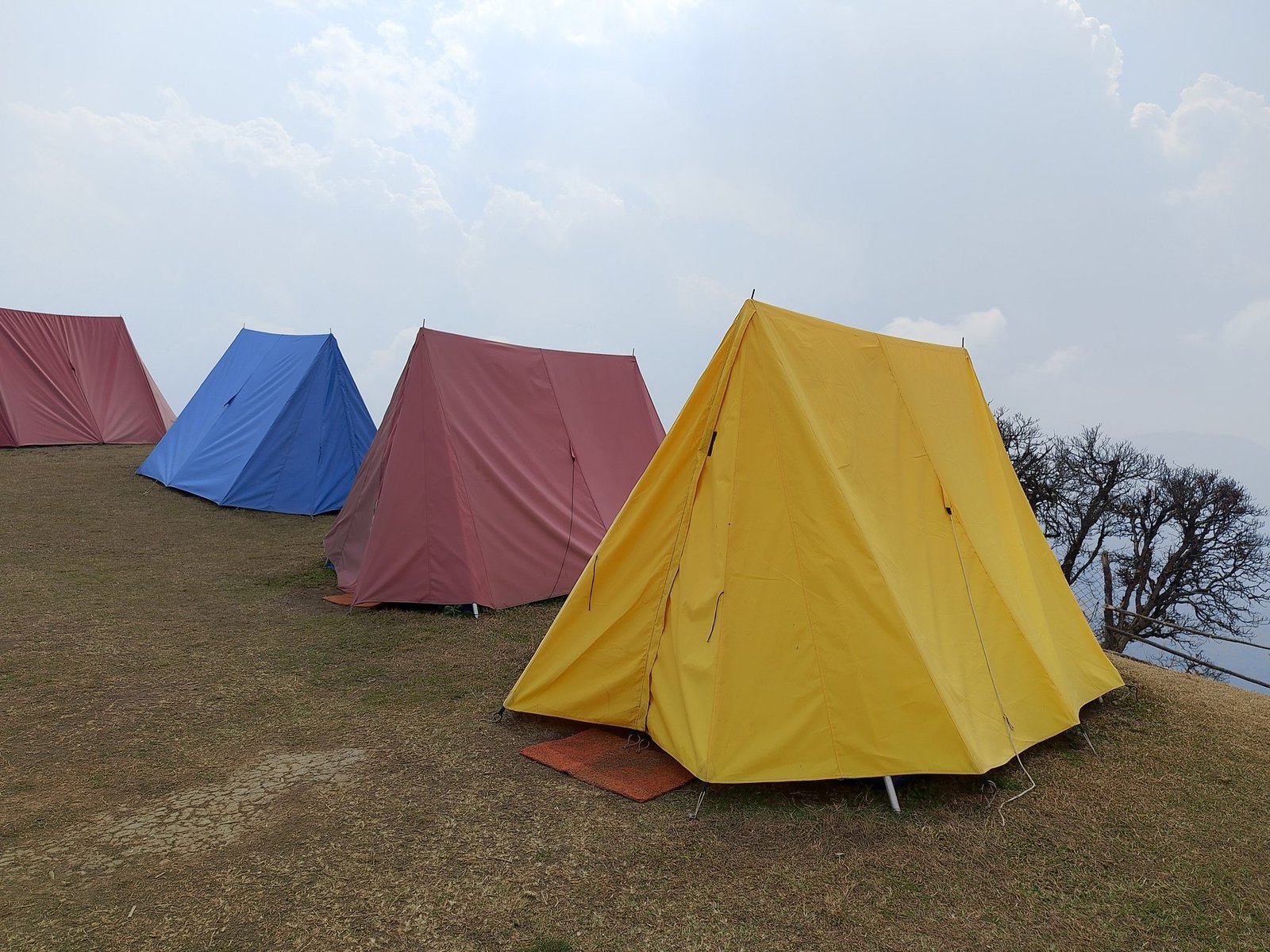
Featured photo: appealdahal via Openverse (CC0).