On this page
The best solo female travel safety tips come down to three habits: research your destination before you go, make sure someone always knows your plans, and trust your instincts once you arrive. Add smart choices about where you sleep, how you get around and how you handle nights out, and most risks become very manageable.
Below you will find practical tips grouped by stage of the trip, from planning at home to what to do if something goes wrong. Use them as a checklist and adapt them to your destination, your comfort level and the kind of travel you enjoy.
Key takeaways
- Research local customs, dress norms, safe neighborhoods and scams before you book anything.
- Share your itinerary and accommodation details with someone at home and check in on a schedule.
- Book well-reviewed accommodation in a central, busy area and plan to arrive in daylight when you can.
- Use licensed taxis or verified rideshares, and know your route before you set off.
- Keep backups of documents, money and phone access so one loss does not leave you stranded.
- Trust your instincts. Leaving a situation that feels wrong is always a valid choice.
Is solo female travel safe?
Solo female travel is safe for many women in many destinations, but safety depends on where you go, how you plan and the choices you make on the ground. For many travelers, the more likely problems are petty theft, scams and unwanted attention rather than violent crime. Good research and a few consistent habits lower those risks considerably.
Risk is not the same everywhere. Some places have higher rates of street crime, others have conservative social norms that affect how women are treated in public, and some have specific advice for women from government travel offices. That is why the first and most useful step is checking official travel advice for your destination.
For US travelers, the U.S. Department of State publishes country information and travel advisories, including advice for women travelers. UK readers can use gov.uk foreign travel advice. Canadians can check travel.gc.ca, and Australians can use Smartraveller.
Solo female travel safety tips by trip stage
Solo female travel safety tips work best when you think in stages: before you leave, on arrival, getting around, evenings out and handling problems. Each stage has a few habits that matter most. The table below summarizes them so you can scan the essentials before reading the detailed tips in each section.
| Trip stage | Top habits |
|---|---|
| Before you leave | Read official advice, share itinerary, copy documents, buy insurance |
| Booking a stay | Central area, strong recent reviews, secure entry, daylight arrival |
| Getting around | Licensed taxis, verified rideshares, known routes, offline maps |
| Evenings out | Watch your drink, plan the ride home, tell someone where you are |
| Money and phone | Split cash and cards, carry a backup phone power source |
| If things go wrong | Know the local emergency number, embassy contact and insurer line |
What should you do before you leave?
Before you leave on a solo trip, research your destination, share your plans and set up backups. Read official travel advice, learn local customs and dress norms, copy your documents, buy travel insurance and register your trip where your government offers it. These steps take a few hours and make every later problem easier to solve.
1. Research local norms and safe areas
Learn how women typically dress in public, which neighborhoods visitors are advised to avoid, and which scams are common. Look at recent traveler forums and reviews, but weigh official advice more heavily. Our guide on how to research a destination before traveling walks through what to look up and where.
2. Share your itinerary
Send a trusted friend or family member your flights, accommodation addresses and rough daily plans. Agree on a simple check-in routine, such as a message each evening. Tell them what to do if they do not hear from you within a set time.
3. Register your trip if your country offers it
US citizens can enroll in the State Department’s Smart Traveler Enrollment Program (STEP) to receive alerts and help the embassy reach you in an emergency. Other countries offer similar services or alert subscriptions. It is free and quick.
4. Copy your important documents
Keep photos of your passport, visa, insurance policy and bookings in secure cloud storage, and carry a printed copy separately from the originals. Our international travel checklist of documents to bring lists what to pack and how to store it.
5. Get travel insurance with medical cover
Check that your policy includes emergency medical care, evacuation and a 24-hour assistance line. Save that number in your phone. Our guide to travel insurance and what it covers explains the main policy types.
6. Check entry rules early
Visa and entry requirements vary by passport and change over time. Confirm them well before departure using official sources. See how to check visa requirements before you travel for a step-by-step approach.
How do you choose safe accommodation as a solo woman?
Safe accommodation for a solo woman is usually in a central, well-lit, busy area, with strong recent reviews from other solo women, a secure entrance and staff or a host who responds quickly. Booking your first night ahead and arriving in daylight removes much of the stress of finding your way in an unfamiliar place.
7. Read reviews from other solo travelers
Filter or search reviews for words like “solo” or “female.” Look for comments about the walk from transport, street lighting, noise and how staff handled problems. A pattern of recent concerns matters more than one bad review.
8. Prioritize location over price
A cheaper room far from transport can mean late walks on empty streets. Paying a little more for a central location often buys safer, easier evenings.
9. Check room security
Choose places with a 24-hour desk or secure keyless entry. Many solo travelers prefer rooms above the ground floor. When you arrive, check that the door and windows lock. A portable door stop is a simple extra layer some travelers like.
10. Consider female-only dorms
If you stay in hostels, many offer female-only dorm rooms. Use the lockers provided, and bring your own padlock if the hostel suggests it.
11. Keep your room number private
If staff say your room number out loud at check-in, you can quietly ask for a different room. Avoid sharing where you are staying with strangers, even friendly ones.
Tip: Save your accommodation’s address in the local language and script. Showing it to a taxi driver or a passerby is faster and clearer than trying to pronounce it.
How do you get around safely when traveling alone?
Getting around safely when traveling alone means using licensed transport, knowing your route before you set off and avoiding arriving somewhere new late at night when you can. Verified rideshares, official taxi ranks and busy public transport are usually the safest options. Download offline maps so you are never lost without a signal.
12. Use official taxis and verified rideshares
At airports and stations, use the official taxi rank or prebooked transfers. With rideshare apps, check that the license plate, car and driver photo match before you get in. Share your trip status with a friend through the app if it offers that feature.
13. Know your route
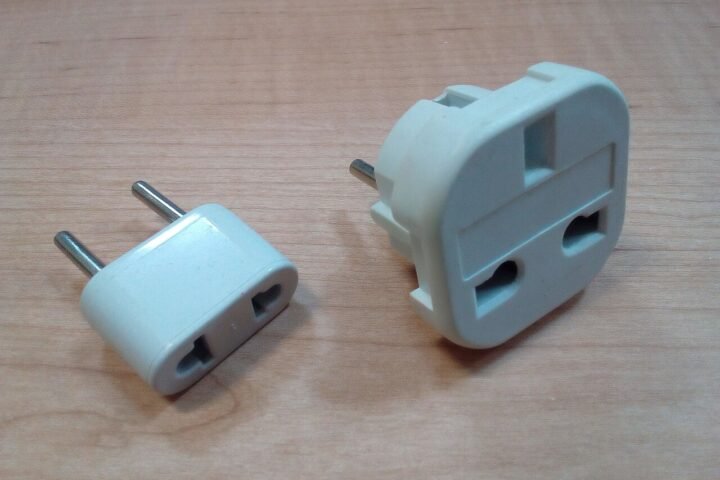
Look at the map before you leave so you can tell if a driver goes the wrong way. Offline maps on your phone help in areas with weak signal. Our travel tech essentials guide covers power banks and adapters to keep your phone charged.
14. Plan arrivals in daylight
Landing late in a new city is one of the most stressful moments on a solo trip. When you can, choose flights and trains that arrive in daylight. If you must arrive late, prebook transport to your door.
15. Sit where you feel safest
On trains and buses, sit near other women, families or the driver. Some cities offer women-only carriages or sections on public transport. Moving seats because you feel uncomfortable is always fine.
16. Walk with purpose
Look up your route before you go out, keep your phone mostly out of sight, and step into a shop or cafe if you need to check directions.
How do you stay safe on nights out?
Staying safe on nights out alone means keeping control of your drink, planning your ride home before you go and making sure someone knows where you are. Choose busy venues, set a limit on alcohol, and leave if anything feels off. Evening plans are where a little advance thinking pays off most.
17. Watch your drink
Order drinks yourself, watch them being made, and do not leave them unattended. If a drink tastes odd or you suddenly feel unwell, tell staff or someone you trust right away and get to a safe place.
18. Know your limits
Alcohol lowers your awareness and makes you an easier target for theft and scams. Many solo travelers drink less than they would at home, especially on the first nights in a new place.
19. Plan the ride home
Decide how you will get back before you head out. Save a taxi number or check that rideshares operate at that hour.
20. Join group activities
Walking tours, cooking classes, food tours and hostel events are easy ways to meet people in a structured, public setting. They are a good alternative to going out alone late at night.
How do you protect your phone, money and documents?
Protect your phone, money and documents by spreading them out, carrying only what you need for the day and keeping backups. Use a crossbody bag that closes securely, keep a spare card separate from your main wallet, and lock your phone with a passcode. A single loss should never leave you without money or communication.
- Split cash and cards between your bag, a hidden pouch and your accommodation safe.
- Carry a backup card stored separately from your main card.
- Leave your passport in a safe when you do not need it, and carry a copy.
- Turn on phone tracking and a strong passcode before you travel.
- Avoid flashy jewelry and keep expensive items out of sight on busy streets.
- Use ATMs inside banks or busy shops during the day.
How do you handle unwanted attention or harassment?
Handle unwanted attention or harassment by staying calm, being firm and moving toward people and public places. You do not owe anyone politeness, conversation or explanations. A clear “no,” walking away, entering a shop or asking staff for help are all good responses. If you feel threatened, call the local emergency number.
21. Trust your instincts
If a person or place makes you uneasy, leave. You do not need proof that something is wrong, and you do not need to explain yourself to anyone.
22. Use simple, firm responses
Short, confident answers work better than long explanations. Some travelers wear a ring or mention a partner to end unwanted conversations quickly. Do whatever feels right for you.
23. Find safe people and places
Hotel staff, shopkeepers, police, families and other women are often the best people to approach. Busy cafes, hotels and stores are good places to wait for a ride or regroup.
24. Be careful with what you share
Avoid posting your real-time location online. Share photos after you have left a place instead.
How do weather and season affect solo travel safety?
Weather and season affect solo travel safety by changing daylight hours, transport reliability and how easily you can get help. Winter means shorter days and more evening travel in the dark. Rainy seasons can bring flooding and delays. Hot weather raises the risk of dehydration. Plan around the season so you are not caught out alone.
- Winter: Plan sightseeing around daylight and pack for icy sidewalks. See our tips on how to travel in winter.
- Rainy season: Expect delays, build buffer time and watch local alerts. Our guide on traveling during the rainy season covers the details.
- Hot weather: Carry water, rest in the shade and avoid long walks at midday. Read how to travel in hot weather before a summer trip.
What should you do in an emergency abroad?
In an emergency abroad, get to a safe place first, then call the local emergency number. After that, contact your travel insurer’s assistance line and, if needed, your country’s embassy or consulate. Saving these numbers before you travel means you can act quickly instead of searching while stressed.
- Save the local emergency number. It is not always the same as at home. Across the European Union, 112 works for emergencies.
- Save your embassy or consulate details. Your government’s travel website lists them for each country.
- Save your insurer’s 24-hour line. They can help with hospitals, payments and getting home.
- Report thefts to local police. Insurers usually need a police report for claims.
- Contact your bank right away if cards are lost or stolen.
- Tell your check-in contact what has happened and where you are.
Common solo female travel safety mistakes
The most common solo female travel safety mistakes are arriving late at night without a plan, choosing accommodation on price alone, sharing too much with strangers and ignoring early warning feelings. Others include carrying all your money in one place and skipping travel insurance. Each is easy to fix with a little planning.
- Arriving after dark with no transport booked
- Picking the cheapest room in an area you have not researched
- Telling new acquaintances exactly where you are staying
- Posting your live location on social media
- Keeping all cards and cash in one wallet
- Letting your phone battery run low when you are out
- Staying in a situation because leaving feels rude
- Traveling without insurance or an emergency contact plan
Tip: Before each trip, write a one-page emergency sheet with your accommodation addresses, the local emergency number, your embassy, your insurer and a contact at home. Keep it on paper and on your phone.
If this is your first trip abroad, pair these tips with our first-time international travel tips for the wider planning picture, from money and phones to airports and jet lag.
Frequently asked questions
What are the most important solo female travel safety tips?
The most important solo female travel safety tips are researching your destination, sharing your itinerary with someone at home, booking well-reviewed central accommodation, using licensed transport and trusting your instincts. Keeping backups of money, documents and phone power also matters, because a single loss is much harder to handle when you are alone.
How do I choose a safe destination for my first solo trip?
Choose a first solo destination with clear official travel advice, good public transport, a well-developed visitor scene and a language you can manage or where English is common. Check your government’s travel advisory, read recent reviews from other solo women and start with a shorter trip so you can build confidence.
Should I tell people I am traveling alone?
Tell trusted people at home, and be cautious with strangers. You do not need to announce that you are alone to people you meet. If someone asks, you can say you are meeting friends later. Share your accommodation details only with people you trust, such as your check-in contact and accommodation staff.
Is it safe to stay in hostels as a solo woman?
Hostels can be a safe and social option for solo women when you choose well-reviewed places with secure entry and lockers. Many offer female-only dorms. Read recent reviews from other women, lock up valuables, and choose a private room if you prefer more privacy or feel uneasy about shared spaces.
What should I do if I feel unsafe while traveling alone?
If you feel unsafe while traveling alone, move toward people and public places such as a shop, cafe or hotel lobby. Ask staff for help, call a trusted contact, and call the local emergency number if you feel threatened. Leave the situation without worrying about seeming rude. Your safety comes first.
Sources and further reading
- U.S. Department of State: travel advisories and country information
- Smart Traveler Enrollment Program (STEP)
- UK foreign travel advice
- Travel advice for Canadians
- Smartraveller for Australians
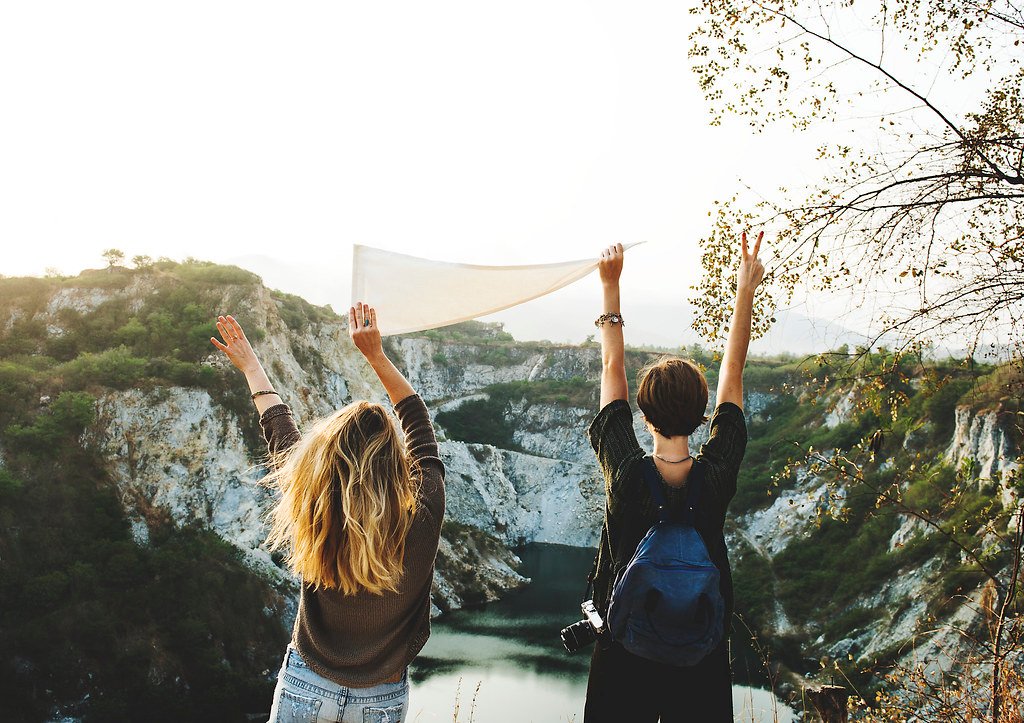
Featured photo: Rawpixel Ltd via Openverse (CC0).