On this page
A winter camping checklist covers the same basics as any camping trip, plus extra insulation, a warmer sleep system, cold-ready cooking gear and more safety margin. The core items are a sturdy tent, a cold-rated sleeping bag, two sleeping pads, layered clothing, a stove that works in the cold, and a plan for staying dry.
Use the list below as a starting point and adjust it for your trip. A first winter overnight is best done close to a car or trailhead, so you can bail out if you get cold. The sections explain why each item matters, then a quick checklist table pulls it all together.
Key takeaways
- Winter camping is mostly about staying warm and dry, so your sleep system and clothing matter more than any other gear.
- Use two sleeping pads, often a closed-cell foam pad under an insulated air pad, to block cold from the ground.
- Pack layers you can add and remove, plus a dry set of clothes kept only for sleeping.
- Cold weakens batteries and canister fuel, so keep them warm and bring spares.
- Check the forecast, tell someone your plan, and start with a short trip close to help.
What should be on a winter camping checklist?
A winter camping checklist should include shelter, a cold-rated sleep system, insulated clothing, a cold-ready kitchen, water gear, navigation, lighting, first aid and emergency items. Compared with summer, you add more insulation everywhere, extra fuel, spare batteries, and gear for handling snow, wind and long dark evenings at camp.
Think of the checklist in layers of importance. Shelter and sleep keep you safe overnight. Clothing keeps you warm while you set up and move around. Food and water keep your body producing heat. Safety gear covers the moments when something goes wrong.
If you have never camped before, it helps to learn the basics in milder weather first. Our first-time camping checklist covers the core items every trip needs, and this list builds on it for colder conditions.
What shelter do you need for winter camping?
Winter camping shelter needs to handle wind, cold and possibly snow. A sturdy tent with strong poles, a full-coverage rainfly and good ventilation is the usual choice. A four-season tent is designed for snow loading and strong wind, while a sturdy three-season tent can work in milder, sheltered winter conditions below the tree line.
Shelter checklist:
- Tent rated for the conditions you expect.
- Snow stakes or wider stakes that grip in snow, or a plan to bury stuff sacks as anchors.
- Footprint or ground sheet.
- Small shovel for flattening a tent platform and clearing snow.
- Small brush or cloth for knocking frost and snow off the tent.
- Extra guylines for windy sites.
Ventilation matters even when it feels cold. Your breath releases moisture all night, and without airflow it condenses as frost on the inside of the tent and drips onto your bag. Crack the vents open. To understand the design difference, read our guide to three-season vs four-season tents.
Tip: Pitch your tent with the door facing away from the wind, and stamp down the snow under it before you set it up. A firm, flat platform is warmer and more comfortable.
What sleep system keeps you warm on a winter night?
A warm winter sleep system combines a sleeping bag rated for colder temperatures than you expect, two sleeping pads for insulation from the ground, and dry sleep clothes. Most cold at night comes from the ground rather than the air, so pad insulation, measured by R-value, matters as much as your bag rating.
Sleep system checklist:
- Sleeping bag with a comfort rating colder than your expected overnight low.
- Insulated air pad or self-inflating pad.
- Closed-cell foam pad to go underneath the inflatable one.
- Sleeping bag liner for a little extra warmth and to keep the bag clean.
- Dry base layers, warm socks and a hat used only for sleeping.
- Pillow, or a stuff sack filled with soft clothing.
- Pee bottle, clearly labeled, so you do not have to leave the tent at night.
Many winter campers aim for a combined pad R-value well above what they use in summer, often around 5 or higher in total, and pair two pads to get there. Pad R-values add together when you stack them. Our explainers on sleeping pad R-value and sleeping bag temperature ratings show how to read these numbers.
How do you stay warm inside your sleeping bag?
Eat a snack with some fat and protein before bed, and do a few minutes of light movement to warm up before you get in. Go to the bathroom before sleeping. Wear a hat and dry socks. Fill a sturdy, leakproof water bottle with warm water and put it in your bag, if your bottle is rated for hot liquids. Our full guide on how to stay warm while camping has more ideas.
What clothing should you pack for winter camping?
Winter camping clothing should be built from layers: a moisture-moving base layer, an insulating midlayer, a warm puffy jacket for camp, and a waterproof or windproof shell. Avoid cotton. Pack extra socks, gloves and a hat, because these get damp first, and keep a dry set of clothes just for sleeping.
Clothing checklist:
- Base layer top and bottom in merino wool or synthetic fabric.
- Fleece or other insulating midlayer.
- Insulated puffy jacket for camp and rest stops.
- Insulated pants or warm layering pants for camp.
- Waterproof shell jacket and pants.
- Warm hat and a neck gaiter or balaclava.
- Liner gloves plus insulated gloves or mittens.
- Several pairs of wool or synthetic socks.
- Waterproof, insulated boots.
- Gaiters if you expect snow.
- Camp booties or warm slippers for inside the tent.
- Sunglasses or goggles, since snow reflects a lot of sunlight.
The goal is to avoid sweating while you work, then add warmth quickly when you stop. Start activity slightly cool, open zippers when you warm up, and add your puffy the moment you finish setting up camp.
| Layer | Purpose | Winter example |
|---|---|---|
| Base | Moves sweat off skin | Merino or synthetic top and leggings |
| Mid | Holds warmth while active | Fleece jacket |
| Insulation | Warmth at rest | Down or synthetic puffy |
| Shell | Blocks wind, snow, rain | Waterproof jacket and pants |
| Extremities | Protects hands, feet, head | Mittens, wool socks, hat, balaclava |
What kitchen gear do you need for winter camping?
Winter camping kitchen gear needs a stove that works reliably in cold temperatures, extra fuel for melting snow, insulated containers, and simple warm meals. Liquid fuel stoves generally handle deep cold better than canister stoves, because canister fuel loses pressure as it gets cold. Hot drinks and calorie-rich food help you stay warm.
Kitchen checklist:
- Stove suited to cold weather, plus a stable base for snow.
- More fuel than you would bring in summer, especially if you will melt snow for water.
- Windscreen designed for your stove.
- Pot with a lid, and a second pot if you melt snow.
- Lighter and waterproof matches, kept somewhere warm.
- Insulated mug and a long spoon.
- Insulated food container or vacuum bottle.
- Easy, calorie-dense meals and lots of snacks.
- Hot drinks such as tea, cocoa or soup.
- Trash bags to pack out all waste.
If you use a canister stove, keep the canister warm inside your jacket or sleeping bag before cooking. Never cook inside a closed tent. Stoves can produce carbon monoxide, and the CDC warns never to use a portable gas camp stove indoors. For the full kitchen setup, use our camping kitchen checklist.
How do you handle water when winter camping?
Handling water when winter camping means keeping it from freezing and having a way to make more. Carry insulated bottles, store them upside down so ice forms at the bottom rather than at the lid, and keep a bottle inside your sleeping bag at night. If you melt snow, bring extra fuel and a little starter water.
Water checklist:
- Wide-mouth bottles, which freeze shut less easily than narrow ones.
- Insulated bottle sleeves or a vacuum bottle.
- A treatment method that works in the cold. Some filters can be damaged if water freezes inside them, so check your filter’s instructions.
- A pot for melting snow.
Cold weather still dehydrates you, through breathing and sweating, and you may feel less thirsty than you do in summer. Drink regularly. If you plan to treat water from streams or lakes, our guide on how to purify water in the backcountry covers the main methods.
What safety and emergency items should you bring?
Winter camping safety items should include navigation tools, a headlamp with spare batteries, a first aid kit, a fire starter, an emergency shelter or blanket, and a way to call for help. Days are short in winter, cold drains batteries fast, and getting lost or injured is more serious when temperatures are low.
Safety checklist:
- Map, compass and a charged phone with offline maps.
- Headlamp plus spare batteries kept warm in an inside pocket.
- First aid kit with blister supplies and any personal medication.
- Fire starter and waterproof matches.
- Emergency blanket or bivy.
- Knife or multitool.
- Whistle.
- Repair kit with tape and spare parts for your stove and pad.
- Power bank kept warm.
- Satellite messenger or emergency beacon if you will be out of phone coverage.
Check the forecast at weather.gov or your national weather service right before you go, and leave your plan with someone at home. If your route crosses or sits below steep snowy slopes, avalanche terrain needs specific training and gear that this checklist does not cover. Look up your local avalanche center before you go.
When does cold become an emergency?
Watch for shivering that will not stop, confusion, slurred speech, clumsiness, or skin that turns white, gray or numb. These can be signs of hypothermia or frostbite. The CDC winter weather pages link to guidance on both conditions. Get the person warm and dry, and call emergency services if symptoms are severe. Our guide on how to prevent hypothermia on the trail explains prevention in more detail.
What extra items make winter camping more comfortable?
Extra winter camping comfort items include a warm seat pad for sitting on snow, chemical hand warmers, a camp chair, a spare headlamp, and entertainment for long evenings. None of these are strictly required, but they make cold nights much easier, especially on a first trip or when camping with kids.
Comfort checklist:
- Foam sit pad.
- Hand and toe warmers.
- Camp chair, if you are car camping.
- Lantern for the tent.
- Book, cards or downloaded entertainment for long nights.
- Extra snacks for night time.
- Lip balm and sunscreen.
- Wet wipes and hand sanitizer.
If you are bringing children, add extra spare clothes and check them often for cold hands and feet. Our family camping checklist has ideas for keeping younger campers comfortable.
How is winter car camping different from winter backpacking?
Winter car camping lets you bring heavier, bulkier gear and gives you a warm refuge nearby, while winter backpacking means carrying everything and being farther from help. Car camping is the best way to try winter camping for the first time. You can test your sleep system without much risk.
| Factor | Winter car camping | Winter backpacking |
|---|---|---|
| Gear weight | Not a big concern | Every item adds load |
| Bailout option | Car nearby | Hike out, possibly in the dark |
| Sleep system | Can bring extra blankets and pads | Must be efficient and compact |
| Cooking | Larger stove, more fuel | Lightweight stove, careful fuel planning |
| Best for | First trips, families | Experienced campers |
When car camping, do not sleep in a running vehicle for heat, because of the risk of exhaust building up. For a full drive-in list, see our car camping checklist.
What are common winter camping mistakes to avoid?
Common winter camping mistakes include bringing a sleeping bag that is not warm enough, using a single thin pad, sweating through your layers, letting water and batteries freeze, and starting too far from help. Most problems come from moisture and underestimating the cold, so plan for colder conditions than the forecast suggests.
- Relying on one pad. Add a closed-cell foam pad under your main pad.
- Sweating while setting up camp. Take off a layer before working, then add it back when you stop.
- Sleeping in damp clothes. Change into your dry sleep set before bed.
- Letting electronics die. Keep phones and batteries in inside pockets or your sleeping bag.
- Closing every vent. Some airflow reduces frost buildup inside the tent.
- Running out of fuel. Melting snow uses much more fuel than boiling water.
- Going too far on a first trip. Start close to the car or a trailhead.
Tip: Do a test night in your backyard or at a campground close to home before your first real winter trip. You will quickly find out which part of your system needs improving.
How do you use this winter camping checklist?
Use this winter camping checklist by printing or copying it, ticking off each item as you pack, and adjusting it for your trip length, location and forecast. Pack it a day early, not in the morning, so you can replace missing items. After each trip, note what you used, missed or did not need.
| Category | Must have | Nice to have |
|---|---|---|
| Shelter | Sturdy tent, snow stakes, shovel | Tent brush, extra guylines |
| Sleep | Cold-rated bag, two pads, sleep clothes | Liner, pee bottle |
| Clothing | Layers, shell, hat, gloves, socks | Camp booties, goggles |
| Kitchen | Cold-ready stove, extra fuel, lighter | Vacuum bottle, insulated mug |
| Water | Wide-mouth bottles, treatment | Bottle sleeves |
| Safety | Map, headlamp, spare batteries, first aid | Satellite messenger |
| Comfort | Sit pad | Hand warmers, lantern, games |
If you are still building your kit, our essential camping gear buying guide explains what to look for in each core item before you buy.
Frequently asked questions
What is the most important gear for winter camping?
The most important gear for winter camping is your sleep system: a sleeping bag rated for colder than the expected low, two sleeping pads for ground insulation, and dry sleep clothes. After that, layered clothing and a stove that works in the cold matter most, because staying warm and making hot water keeps you safe.
How cold is too cold for camping?
There is no single temperature that is too cold for everyone. The right limit depends on your gear ratings, experience, wind, moisture and how close you are to help. Beginners are wise to pick mild winter nights near a car first, then try colder conditions only after their sleep system works well.
Do you need a four-season tent for winter camping?
You do not always need a four-season tent. A sturdy three-season tent can work in sheltered, low-snow winter conditions. A four-season tent is designed for heavy snow and strong wind, so it is the safer choice above the tree line, in exposed sites, or anywhere a significant snowfall is possible during your trip.
How do you keep water from freezing while winter camping?
Keep water from freezing by using insulated or wide-mouth bottles, storing them upside down so ice forms at the bottom, and keeping them close to your body during the day. At night, put a bottle in your sleeping bag. A good vacuum bottle filled with hot water in the evening often stays liquid until morning.
Is winter camping safe for beginners?
Winter camping can be safe for beginners who start small, choose mild conditions, and stay close to a car or trailhead. Use proper cold-rated gear, check the forecast, leave a trip plan with someone, and know the signs of hypothermia and frostbite. Leave avalanche terrain and remote routes for later, after training.
Sources and further reading
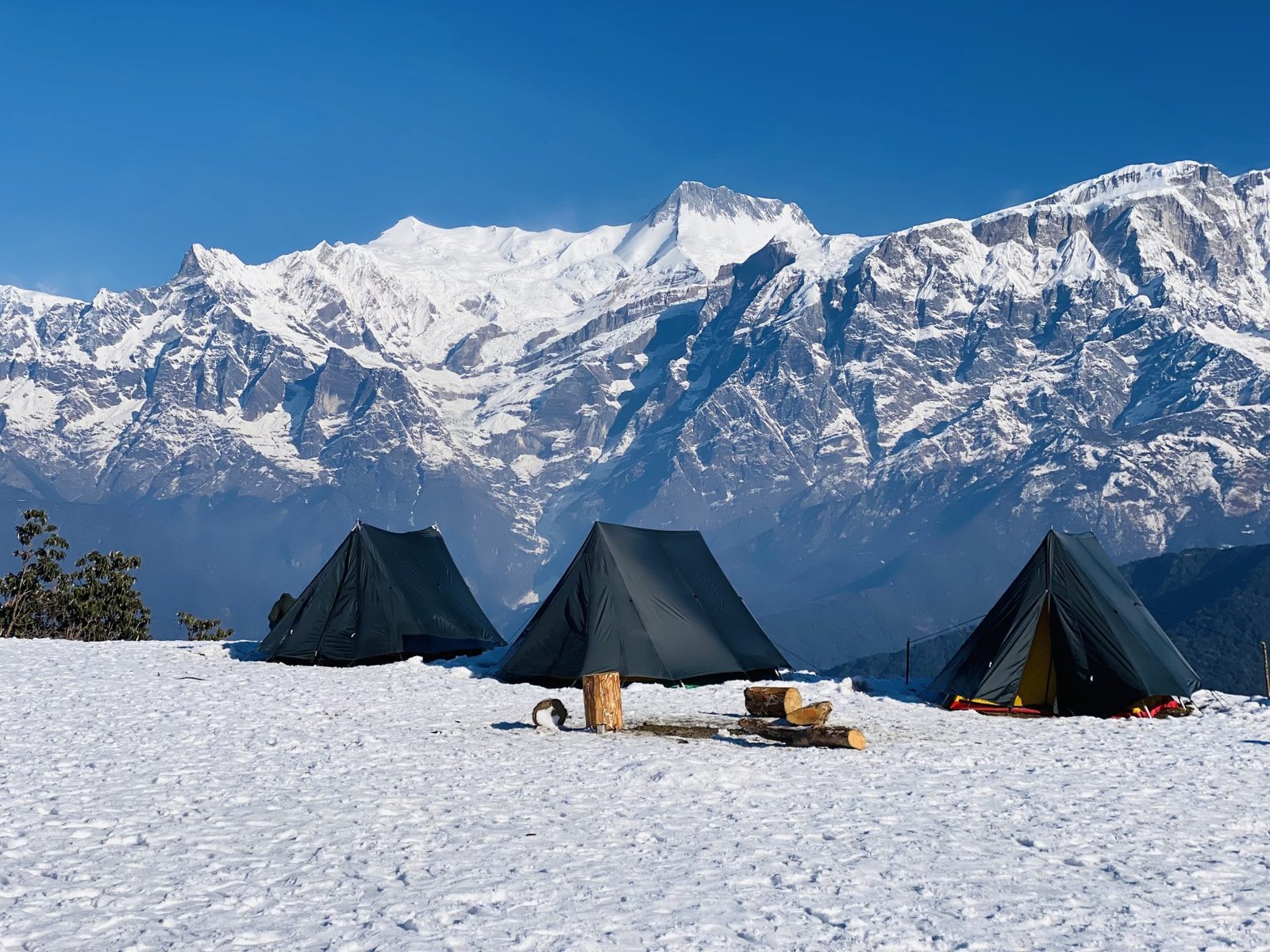
Featured photo: WordCamp Nepal via Openverse (CC0).