On this page
Leave No Trace is a set of seven principles that help you enjoy parks, trails and campsites without damaging them. In short: plan ahead, stay on durable ground, pack out your trash, leave things where you find them, keep fires small or skip them, give wildlife space, and be considerate of other people.
None of the seven principles require special gear or expert skills. They are habits. This guide explains each principle in plain language, shows what it looks like on a real day hike or camping trip, and lists the mistakes beginners make most often so you can avoid them from your first outing.
Key takeaways
- There are seven Leave No Trace principles, maintained by the nonprofit Leave No Trace Center for Outdoor Ethics.
- Most damage comes from many small actions repeated by thousands of visitors, not from one careless person.
- Planning ahead is the principle that makes the other six easy, because it decides your route, group size, food and waste plan.
- Durable surfaces, proper waste disposal and respect for wildlife prevent the most visible and lasting harm.
- Local rules always come first. Check the land manager for fire bans, permit rules and food storage requirements.
What are the seven Leave No Trace principles?
The seven Leave No Trace principles are: plan ahead and prepare, travel and camp on durable surfaces, dispose of waste properly, leave what you find, minimize campfire impacts, respect wildlife, and be considerate of other visitors. Together they form a simple framework for reducing your impact anywhere outdoors, from a city park to a remote backcountry campsite.
The principles come from the Leave No Trace Center for Outdoor Ethics, and land managers such as the National Park Service use them in their visitor education. They are not laws on their own. Many parks, though, turn parts of them into enforceable rules, such as staying on marked trails or storing food in bear-resistant containers.
Here is a quick summary you can keep in mind before any trip.
| Principle | What it means in practice | Main problem it prevents |
|---|---|---|
| Plan ahead and prepare | Check rules, weather and route; pack the right gear | Emergencies, overcrowding, forced damage |
| Travel and camp on durable surfaces | Stay on trails, rock, gravel or established sites | Trampled plants, erosion, new paths |
| Dispose of waste properly | Pack out trash; handle human waste correctly | Litter, polluted water, health risks |
| Leave what you find | Take photos, not rocks, plants or artifacts | Loss of natural and cultural features |
| Minimize campfire impacts | Use stoves, existing rings and small fires | Wildfires, scars, stripped forests |
| Respect wildlife | Watch from a distance; never feed animals | Habituated animals, stress, conflict |
| Be considerate of other visitors | Keep noise down; yield and share space | Crowding, conflict, spoiled experiences |
The principles also work as a mindset. When a situation is not covered, ask one question: will the next visitor be able to tell I was here? If the answer is yes, there is usually a lower impact option.
How do you plan ahead and prepare to leave no trace?
Planning ahead means researching your destination, its rules and its conditions before you leave, then packing and scheduling to match. Good planning prevents most impact problems, because unprepared visitors are the ones who get lost, cut new paths, build risky fires, camp in fragile spots or need rescues that disturb the landscape for everyone.
Start with the land manager. A park, forest or reserve website usually lists permit requirements, fire restrictions, food storage rules, pet rules, group size limits and current closures. Read that page every time, because rules change by season.
Then plan the trip itself:
- Check the weather forecast and seasonal hazards for your dates.
- Choose a route that fits your group’s fitness and experience.
- Keep your group small, or split a large group into smaller ones.
- Repackage food to cut down on wrappers and trash you carry.
- Bring a map and a way to navigate so you do not wander off trail.
- Plan where you will camp, eat and go to the bathroom.
If you are new to overnight trips, our camping for beginners guide walks through planning in more detail. Choosing the right shelter matters too. A tent that fits your group and site makes it easier to stay inside an established footprint, which is covered in our guide on how to choose a camping tent.
Tip: Visit popular places on weekdays or early in the morning. Fewer people means less crowding, less trail widening and a quieter experience for you.
What does travel and camp on durable surfaces mean?
Traveling and camping on durable surfaces means walking and setting up camp only on ground that can handle use without lasting damage. Durable surfaces include established trails and campsites, rock, gravel, sand, dry grass and snow. Fragile surfaces, such as meadows, moss, desert crust and lakeshores, can take years to recover from repeated trampling.
How should you hike on the trail?
Stay in the middle of the trail, even when it is muddy or wet. Stepping around a puddle widens the path, and over time a narrow trail becomes a wide scar. Wear waterproof boots or accept wet feet instead. Do not cut switchbacks, because shortcuts channel rainwater and cause erosion. On busy routes, our tips for hiking responsibly on busy trails cover passing, yielding and parking.
How do you choose a low impact campsite?
In popular areas, use an established campsite where the ground is already bare. Keep your tent, kitchen and gear inside that area so it does not grow. A common guideline is to camp at least 200 feet, roughly 70 adult steps, from lakes and streams to protect shorelines and water quality. Our guide to choosing a campsite explains how to judge sites in more detail.
In remote, rarely used areas the advice flips. Spread out, avoid places where impact is just beginning, and move camp each night so no single spot gets worn down.
How do you dispose of waste properly outdoors?
Disposing of waste properly means packing out everything you bring in, including food scraps, and handling human waste and wash water so they do not pollute water or spread illness. The simple rule is pack it in, pack it out. Inspect your campsite and rest stops before leaving, and pick up any trash you find.
Food scraps count as trash. Orange peels, apple cores and nut shells take a long time to break down in many climates, and they teach animals to look for food near people. Carry a sturdy bag for all of it.
How should you handle human waste?
Use a toilet or outhouse when one is available. Where none exists, the standard Leave No Trace method is a cathole dug 6 to 8 inches deep and at least 200 feet from water, trails and camp. Cover and disguise it when you finish. Some areas, such as certain deserts, canyons, high alpine zones and busy river corridors, require you to pack out human waste in a bag. Pack out toilet paper and hygiene products unless local rules say otherwise. Our guide on how to go to the bathroom outdoors covers the details step by step.
How do you wash dishes without polluting water?
Carry water at least 200 feet from lakes and streams before washing. Use a small amount of biodegradable soap, or none at all. Strain food bits out of the dishwater and pack them out, then scatter the gray water widely. Never wash dishes or yourself directly in a water source, even with soap labeled biodegradable.
What does leave what you find mean?
Leave what you find means leaving natural and cultural objects exactly where they are so the next visitor can enjoy them too. That includes rocks, flowers, antlers, shells, fossils, historic artifacts and old structures. Taking one small item seems harmless, but when many visitors do the same, places lose the features that made them special.
In many parks, removing natural objects or artifacts is against the rules, and disturbing archaeological sites can be illegal under federal law in the United States. Take photos, sketches or notes instead.
Leaving what you find also covers changes you make to a place:
- Do not build rock stacks, structures or furniture at campsites.
- Do not dig trenches around tents or hammer nails into trees.
- Do not carve or paint on rocks, trees or historic buildings.
- Avoid moving rocks in streams, which can disturb habitat for small animals.
- Clean boots, bikes and boats between areas to avoid spreading invasive species.
If you clear a few sticks or pine cones to pitch a tent, put them back before you leave. The goal is a site that looks untouched.
How do you minimize campfire impacts?
Minimizing campfire impacts means using a camp stove for cooking, building fires only where they are allowed, and keeping any fire small, contained and fully extinguished. Campfires can scar the ground, strip an area of downed wood that plants and animals depend on, and cause wildfires. Stoves are cleaner, faster and allowed in many places with fire restrictions.
Before you plan a fire, check for current restrictions with the land manager. Fire bans are common in dry seasons, and they may apply to wood fires, charcoal or even some stoves.
If fires are allowed, follow these habits:
- Use an existing fire ring or fire pan rather than building a new one.
- Keep the fire small and in proportion to your needs.
- Use dead and downed wood no thicker than an adult’s wrist, or buy local firewood.
- Never bring firewood from far away, since it can carry pests.
- Burn wood to fine ash, then drown, stir and drown again until cold to the touch.
- Never leave a fire unattended, even for a few minutes.
For step-by-step instructions, see our guide on how to build a campfire safely.
Tip: Hold the back of your hand near the ashes before you leave. If you feel any warmth, add more water and stir again.
How do you respect wildlife when hiking and camping?
Respecting wildlife means observing animals from a safe distance, never feeding them, and storing food and scented items securely. Animals that get human food can become aggressive, lose natural foraging habits and sometimes have to be removed by park staff. Keeping your distance also protects you, because even calm looking animals can charge when stressed.
Many national parks, Yellowstone among them, ask visitors to stay at least 25 yards from most wildlife and at least 100 yards from bears and wolves. Other parks set their own distances, so check local rules. Use binoculars or a zoom lens instead of moving closer. If an animal changes its behavior because of you, you are too close.
Food storage is the other half of this principle:
- Store food, trash and toiletries in bear-resistant containers, lockers or hangs where required.
- Never leave food, coolers or packs unattended, even for a short walk.
- Cook and eat away from your tent.
- Avoid sensitive times such as nesting, mating and raising young.
- Keep pets leashed or leave them at home where they are not allowed.
Our guides on how to store food safely from wildlife when camping and wildlife safety on the trail go further on encounters and storage methods.
How can you be considerate of other visitors?
Being considerate of other visitors means sharing trails and campsites in a way that lets everyone enjoy the outdoors. Keep noise low, yield on the trail, take breaks off to the side, and camp away from others when possible. Many people go outside for quiet and nature, and courtesy keeps that experience available for the whole group.
Practical habits include:
- Yield to uphill hikers, and step aside for horses on the downhill side when safe.
- Keep music off or use headphones on trails and in camp.
- Take rest breaks away from the trail so others can pass.
- Keep dogs under control and pick up after them.
- Respect quiet hours and give neighbors space at campgrounds.
Campgrounds have their own customs, from quiet hours to walking through other sites. Our guide to campground etiquette covers the unwritten rules in detail.
What are the most common Leave No Trace mistakes?
The most common Leave No Trace mistakes are small habits that seem harmless: tossing fruit peels, walking around mud, leaving toilet paper under rocks, feeding animals, and leaving campfires smoldering. Each one feels minor on a single trip, but when repeated by many visitors they cause trails to widen, campsites to grow and wildlife to change behavior.
| Common mistake | Why it matters | Better choice |
|---|---|---|
| Tossing apple cores or peels | Slow to break down; attracts wildlife | Pack out all food scraps |
| Walking around muddy patches | Widens and erodes the trail | Walk through the middle |
| Leaving toilet paper behind | Ugly, unsanitary and slow to decay | Pack it out in a sealed bag |
| Feeding birds or squirrels | Makes animals dependent and bold | Keep all food out of reach |
| Building rock stacks | Disturbs habitat; misleads hikers | Leave rocks where you find them |
| Leaving a warm fire pit | Can reignite and spread | Drown, stir and feel for heat |
| Washing in a stream | Pollutes water for others and wildlife | Wash 200 feet from water |
Another frequent mistake is assuming Leave No Trace only matters in wilderness. Local parks, beaches and urban trails get heavy use, so the same habits apply there and often matter even more.
How do Leave No Trace principles apply outside the United States?
Leave No Trace principles apply anywhere people spend time outdoors, though the names and local rules vary by country. The Leave No Trace organization has partners in several countries, and other places use their own codes. The underlying ideas of planning ahead, protecting land and water, and respecting wildlife and people are the same everywhere.
A few regional notes:
- UK: England and Wales follow the Countryside Code, and Scotland has the Scottish Outdoor Access Code. Both cover gates, livestock, dogs and litter.
- Canada: Parks Canada and provincial parks promote Leave No Trace style practices and publish their own fire and wildlife rules.
- Australia: National park agencies in each state set rules on fires, camping and pets, and many promote minimal impact bushwalking.
Wherever you go, check the official land manager’s website before your trip.
More camping guides for beginners
Frequently asked questions
Is Leave No Trace a law?
Leave No Trace itself is a set of ethical guidelines, not a law. However, many parks and forests turn parts of it into enforceable regulations, such as staying on trails, storing food properly, following fire bans and not removing artifacts. Breaking those local rules can lead to fines, so always check the specific area you are visiting.
Can you leave biodegradable food scraps on the trail?
No. Food scraps like banana peels, apple cores and orange peels should be packed out. They can take a long time to break down, they look like litter to other visitors, and they teach animals to associate trails and people with food. Carry a small sealable bag so packing scraps out is easy.
How far from water should you camp and go to the bathroom?
The common Leave No Trace guideline is at least 200 feet, about 70 adult steps, from lakes, rivers and streams for camping, washing and catholes. This distance helps protect water quality and fragile shorelines. Some parks set different rules, so check the land manager’s guidance for your destination before you go.
Do Leave No Trace principles apply to day hikes?
Yes. Every principle applies to day hikes, even if you never light a fire or pitch a tent. You still plan ahead, stay on the trail, pack out trash and food scraps, handle bathroom needs properly, leave natural objects alone, keep distance from wildlife and share the trail politely with other people.
Is it okay to build rock cairns on a hike?
Generally, no. Building new rock stacks disturbs soil and small animal habitat, and unofficial cairns can mislead hikers who rely on official trail markers. Leave existing cairns alone too, because land managers may maintain them for navigation. Follow posted markers, carry a map, and leave rocks where you found them.
Sources and further reading
- Leave No Trace Center for Outdoor Ethics
- National Park Service: Leave No Trace seven principles
- National Park Service
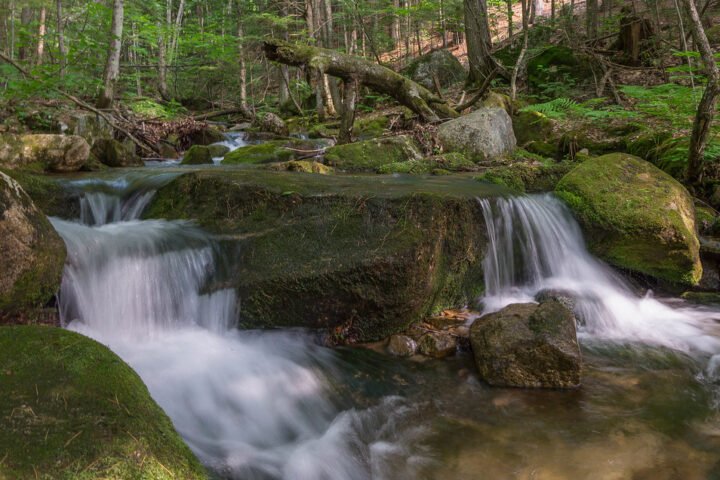
Featured photo: deborah.soltesz via Openverse (CC0).