On this page
The easiest way to get outside more often is to attach short outdoor moments to things you already do, like coffee, phone calls, commutes and lunch, then protect one longer outdoor block each week. Make it simple to start by keeping shoes and a jacket ready, and plan around the weather instead of waiting for perfect days.
Most people do not stay indoors because they dislike fresh air. They stay in because the day fills up, the weather looks uninviting or going out feels like a project. This guide focuses on removing those barriers. You will find practical ideas for workdays, weekends, cities, bad weather and families, plus a simple weekly plan you can start this week.
Key takeaways
- Start small: a few minutes outside every day beats a big plan you never follow.
- Link outdoor time to existing routines so it happens without extra decisions.
- Prepare gear for rain, cold and heat so weather stops being an excuse.
- Schedule one longer outdoor block each week and treat it like an appointment.
- Find nearby green space, even a small park or tree lined street counts.
- Make it social or tie it to a hobby to keep it going.
Why is it hard to get outside more often?
Getting outside more often is hard because indoor life is built for convenience: work, entertainment, food and errands can all happen without leaving the house. Add busy schedules, bad weather, darkness in winter and the effort of getting ready, and staying in becomes the default. The fix is making outdoor time just as easy.
Common barriers and quick fixes:
| Barrier | What it sounds like | A simple fix |
|---|---|---|
| Time | “I do not have an hour free.” | Start with five to ten minutes |
| Weather | “It is too cold or wet.” | Keep a rain jacket and warm layer by the door |
| Effort | “I would have to get changed.” | Choose outings that need no special clothes |
| Darkness | “It is dark after work.” | Go out in the morning or at lunch |
| Motivation | “I will go tomorrow.” | Book it with a friend |
| Nowhere to go | “There is no nature near me.” | Use parks, streets with trees, waterfronts |
Naming your main barrier helps you choose the right fix. If time is the issue, you need shorter, more frequent outings. If weather is the issue, you need the right layers.
How much time outside should you aim for?
There is no single target for time outside, so aim for what you can sustain: a short daily outing plus one longer block each week is a good starting pattern. For activity, the CDC suggests adults get at least 150 minutes of moderate activity each week, and brisk walking outdoors is an easy way to count toward that.
A realistic progression:
- Weeks one and two: five to ten minutes outside every day.
- Weeks three and four: add one longer outing of an hour or more on the weekend.
- After a month: turn some daily outings into brisk walks of 20 to 30 minutes.
- Ongoing: keep the daily habit and vary the weekly outing with new places.
Consistency matters more than duration. Several short outings across a week are easier to keep than one long one you keep postponing. For a closer look at why regular time outdoors can support your mood, sleep and fitness, read why time outdoors is good for you.
How can you get outside more on workdays?
You can get outside more on workdays by moving existing tasks outdoors: take calls while walking, eat lunch outside, walk part of your commute and step out for short breaks between tasks. These swaps add outdoor time without taking time from anything else, which is why they tend to stick when longer plans fail.
Workday ideas that fit most schedules:
- Drink your morning coffee on a porch, balcony or front step.
- Take one phone call a day on foot, if it does not need a screen.
- Eat lunch outside, even for 15 minutes.
- Get off transit a stop early or park farther away.
- Hold a walking meeting with a colleague.
- Take a short loop around the block after work to mark the end of the day.
If you work from home, a short walk before you start and after you finish can create the commute your day is missing. For more ideas built around packed calendars, see our list of outdoor habits for busy people.
Tip: Put a recurring 15 minute “outside” block in your calendar at lunch. People respect blocked time more than good intentions.
How can you spend more time outside on weekends?
You can spend more time outside on weekends by planning one outdoor activity in advance, choosing something you genuinely enjoy and making it easy to start. A morning walk, a park picnic, a bike ride, a local trail or a farmers market all count. Deciding on Thursday makes Saturday much more likely to happen.
Weekend ideas by effort level:
- Low effort: read in a park, walk to a cafe, garden, sit by water.
- Medium effort: a short hike, a bike ride, a beach walk, a nature center.
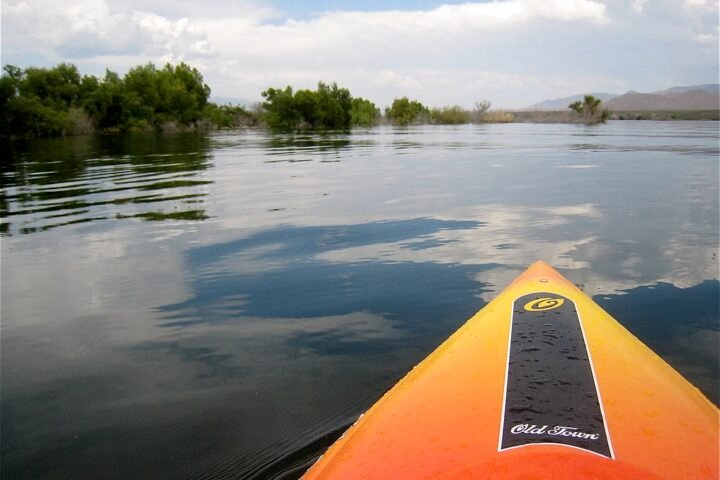
- Higher effort: a longer day hike, paddling, a camping night, a new trail outside town.
Keep a running list of nearby places you want to try. When the weekend arrives, you pick one instead of starting from scratch. If you are new to walking longer distances, our walking gear checklist for beginners covers footwear, layers and what to carry.
How do you get outside more in bad weather?
You get outside more in bad weather by dressing for it, shortening the outing rather than canceling, and choosing sheltered routes. A waterproof jacket, warm layers and good shoes make most rainy or cold days manageable. In dangerous conditions, such as thunderstorms, extreme heat or ice, stay in and try again later.
Weather by weather:
- Rain: wear a waterproof jacket with a hood, and pick paved paths or tree covered trails.
- Cold: layer up with a warm hat and gloves, and keep moving to stay warm.
- Heat: go early or late, stay in shade, carry water and keep it short.
- Wind: choose sheltered streets or wooded paths.
- Darkness: wear something bright or reflective and stick to well lit routes.
Check the forecast from your national weather service before longer outings. If you hear thunder, go indoors, as the National Weather Service advises. Heat can be dangerous too, so follow official heat advice on very hot days.
How do you get outside more if you live in a city?
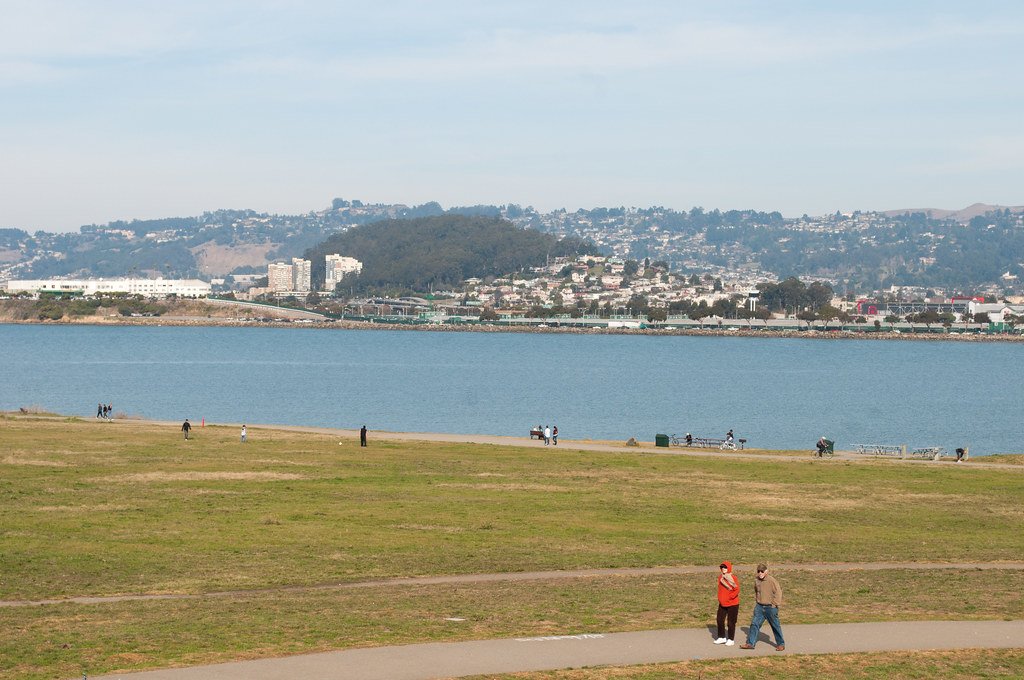
You get outside more in a city by using what is close: parks, waterfronts, community gardens, tree lined streets, rooftops and plazas. Walking or cycling for errands adds outdoor time to your week naturally. Look up your city’s parks department for green spaces, trails and free outdoor events you may not know about.
City friendly ideas:
- Walk to the grocery store or pharmacy instead of driving.
- Find the nearest park and make it your regular loop.
- Explore one new neighborhood on foot each month.
- Join a community garden or volunteer at a park cleanup.
- Use a riverside path, greenway or rail trail for longer walks or rides.
- Visit botanical gardens, cemeteries with public access or public squares.
Even small patches of green count. You do not need wilderness to feel the benefit of being outside.
How can families and kids get outside more?
Families and kids get outside more when outings are short, playful and regular, rather than long and planned around adult goals. Daily play in a yard or park, a walk after dinner, a nature scavenger hunt or a weekend picnic all help. Let children lead some of the exploring, and keep snacks and spare layers handy.
Ideas that work for many families:
- Walk or bike to school when safe and practical.
- Play outside for a set time after school.
- Try a simple scavenger hunt: a leaf, a smooth stone, a feather, something red.
- Visit a local nature center or park ranger program.
- Plan a backyard or park picnic once a week.
- Start a small garden or a few pots on a balcony.
Dress kids for the weather and keep early outings short so they end on a high note. A good first trip makes the next one easier.
What gear helps you get outside more?
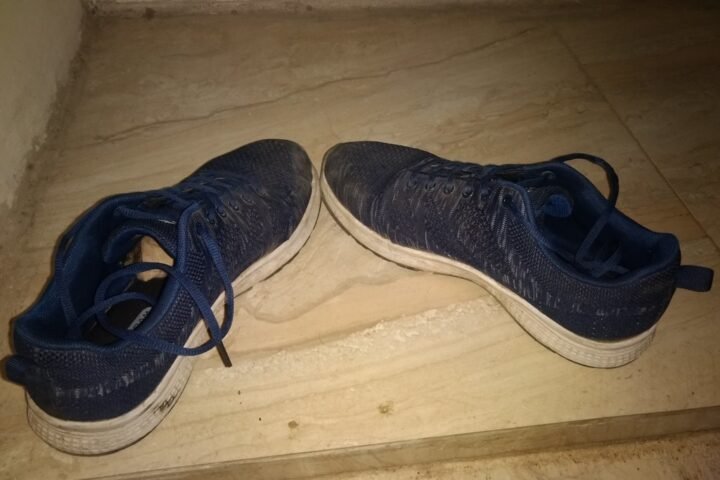
The gear that helps you get outside more is simple: comfortable walking shoes, a waterproof jacket, a warm layer, a hat and gloves for cold days, sun protection for bright days and a water bottle. Keeping these ready by the door removes the effort of preparing, which is often what stops people from going.
| Item | Why it helps |
|---|---|
| Comfortable walking shoes | Makes walks pleasant at any distance |
| Waterproof jacket | Turns a rainy day into a short walk instead of a canceled one |
| Warm midlayer | Keeps you comfortable on cold mornings |
| Hat, gloves, sunglasses | Covers cold, wind and bright sun |
| Sunscreen | Protects skin on sunny outings |
| Reusable water bottle | Keeps you hydrated, especially in heat |
| Small daypack | Carries layers, snacks and keys |
You do not need specialist outdoor gear to start. Clothes you already own usually work for local walks. For a fuller list as your walks get longer, see our walking gear checklist for beginners.
How do you make getting outside a lasting habit?
You make getting outside a lasting habit by making it obvious, easy and rewarding. Link it to a trigger you already have, such as finishing breakfast, keep it short enough that you never skip it, and track it so you can see progress. Social plans and small rewards help you keep going on low motivation days.
Habit building steps:
- Pick a trigger, such as after your morning coffee or after shutting your laptop.
- Choose a tiny version you can always do, like walking to the corner and back.
- Keep shoes and a jacket visible by the door.
- Mark each outdoor day on a calendar or in a habit app.
- Invite a friend, partner or neighbor to join once a week.
- Review each month and add a little more time or a new place.
If you miss a day, simply start again the next. A missed day does not break a habit. Giving up after it does.
What mistakes stop people from getting outside more?
The mistakes that most often stop people from getting outside are setting goals that are too big, waiting for perfect weather, treating outdoor time as optional when the day gets busy and assuming it only counts if it is a hike. Another common mistake is relying on motivation instead of a fixed routine.
Mistakes to avoid:
- All or nothing thinking. Ten minutes counts.
- Waiting for the weekend. Daily short outings matter more.
- No weather gear. Without a jacket, every gray day becomes a reason to stay in.
- Always going alone if you prefer company. A walking buddy makes it more likely.
- Doing the same route forever. A new place now and then keeps it interesting.
- Ignoring safety. Tell someone where you are going on longer or remote outings.
Your next step is simple: pick one workday swap from this guide and try it tomorrow. Then read our outdoor habits for busy people for more small routines to stack on top.
More guides on outdoor habits
Frequently asked questions
How can I get outside more if I work from home?
Build outdoor time into the edges of your workday. Take a short walk before you log on and after you log off, eat lunch outside, and step out for phone calls that do not need a screen. Blocking these times in your calendar makes them easier to protect when work gets busy.
Does sitting outside count as time outdoors?
Yes. Sitting on a bench, a porch or a balcony counts as time outdoors, and it is a good starting point if walking is difficult. Moving outside adds activity benefits, so try to combine both over a week, such as a sit in the park after a short walk.
How do I get outside more in winter?
Dress in layers, wear a warm hat and gloves, and use waterproof shoes with good grip. Go out during daylight, often around midday, and keep outings short on very cold days. Check the forecast and avoid icy paths. A short winter walk is far better than none.
What if there is no nature near me?
You do not need wild places to benefit. Use the nearest park, a tree lined street, a waterfront, a community garden or a public square. Check your local parks department for green spaces you may not know about, and plan an occasional trip farther out when you can.
Sources and further reading
Featured photo: D Coetzee via Openverse (CC0).