On this page
To find free things to do in a new city, start with the official tourism website and local event calendars, then check museum free days, parks, markets, libraries and tip-based walking tours. Ask locals and your accommodation for ideas, and map free options by neighborhood so you can fill whole days without spending much.
Most cities have far more to offer for free than visitors realize. The trick is knowing where to look and planning just enough to catch the good stuff, like a free concert or a museum’s free evening. This step-by-step guide shows how to research, plan and discover free activities, wherever you travel.
Key takeaways
- Start with the city’s official tourism site and local event listings.
- Look up museum free days, free evenings and permanently free collections.
- Use parks, waterfronts, viewpoints and neighborhoods as free full-day activities.
- Join tip-based walking tours, and plan to tip what the tour was worth to you.
- Ask hosts, hotel staff and librarians for local events tourists miss.
- Map free things by area, so you spend less on transport between them.
Why look for free things to do when you travel?
Free things to do when traveling help you stretch your budget, see a city from a local’s point of view and balance costly highlights with relaxed days. Parks, markets, festivals and neighborhood walks often become trip highlights. Free activities also leave money for the experiences that matter most to you, such as a special meal or tour.
Spending less does not mean doing less. Many of the most memorable travel moments cost nothing: a sunset from a hilltop, a street festival you stumbled into or a long afternoon in a city park watching local life.
If you are working with a tight budget, our guide on how to create a travel budget shows you how to plan daily spending so you know when a free day makes sense.
How do you find free things to do in a new city step by step?
Finding free things to do in a new city works best in a set order: check official tourism and event sites, look up free museum times, list parks and public spaces, find free tours and events, ask locals, then map everything by area. Doing this before and during your trip gives you a ready list of options.
- Visit the city’s official tourism website and look for a free or budget section.
- Check local event calendars for the dates of your trip.
- Look up museums with free admission, free days or free evenings.
- List parks, gardens, beaches, waterfronts and viewpoints.
- Search for tip-based walking tours and free guided visits.
- Check library, university and community center events.
- Ask your accommodation and locals for current recommendations.
- Pin everything on a map app and group it by neighborhood.
- Build a few free anchors into each day of your plan.
The sections below explain each step in more detail.
Where can you find free events in a new city?
Free events in a new city are listed on official tourism websites, local newspaper and magazine event pages, community calendars, library websites and event apps such as Eventbrite and Meetup. Social media pages for neighborhoods, parks and venues also announce free concerts, festivals, markets and talks. Check listings a week before you travel, then again on arrival.
Good places to search:
- Official tourism websites: often have “free things to do” lists and event calendars.
- Local news and culture sites: weekly event roundups tend to include free options.
- Event apps: filter by price to see free listings.
- Library websites: public libraries often host free talks, exhibitions and workshops.
- University calendars: free lectures, concerts and gallery shows are common.
- Park and city council websites: outdoor concerts, movies and festivals.
Tip: Search the city name plus “this weekend” and the word “free” on event sites. Weekly roundups often surface one-off events that general guidebooks miss.
How do you find free museums and attractions?
Free museums and attractions are easiest to find on museum websites and official tourism sites, which list free admission, free days, free evenings and discounted times. Some museums are always free. Others offer free entry on certain days or for certain groups, such as students, seniors or residents. Check rules before you go.
Ways to see museums for free or less:
- Look for museums with permanently free general admission. Examples include the Smithsonian museums in Washington, DC, and many national museums in the UK, such as the British Museum.
- Check for free days or evenings, which some museums offer weekly or monthly.
- Look for “pay what you wish” or suggested donation entry where offered.
- Visit free public galleries, cathedrals, historic buildings and courthouses where open to visitors.
- Check whether your library card or student ID gives free access at home or abroad.
Free days can be busy, so arrive early. Some museums require free timed tickets booked online, even when entry costs nothing.
What free outdoor activities can you do in a city?
Free outdoor activities in a city include walking through parks and gardens, exploring waterfronts and beaches, climbing to viewpoints, following self-guided heritage or street art trails, people watching in plazas and hiking nearby nature areas. Outdoor spaces are often a city’s best free resource and can fill whole days with no tickets needed.
| Free activity | Why it is worth it | Best time |
|---|---|---|
| City parks and gardens | Local life, picnics, space to rest | Mornings and weekends |
| Waterfronts and beaches | Walks, views, swimming where safe | Late afternoon |
| Viewpoints and hills | City panoramas | Sunrise or sunset |
| Street art trails | Neighborhood character | Daytime |
| Historic districts | Architecture and atmosphere | Early morning, fewer crowds |
| Nearby nature trails | Fresh air and exercise | Cooler parts of the day |
| Markets | Food, crafts, local culture | Mornings |
Walking is the simplest way to see a city for free. If you want to stay active while you explore, read our guide on how to stay active while traveling.
Are free walking tours really free?
Free walking tours are usually tip-based: there is no fixed price, and you pay the guide what you think the tour was worth at the end. Guides often depend on these tips for their income, so plan to tip fairly. They are a great low-cost way to learn a city’s history and get local recommendations on day one.
Tips for free walking tours:
- Book ahead online if the company asks you to, since some tours have group limits.
- Bring cash, or check if the guide accepts card or app payments for tips.
- Ask the guide for free and cheap recommendations at the end.
- Join early in your trip, so you can use what you learn.
You can also use free self-guided tours. Many tourism boards and apps publish free audio guides or printable walking routes.
How can locals help you find free things to do?
Locals are often the best source of free things to do, because they know about neighborhood events, seasonal festivals and quiet spots that never appear in guidebooks. Ask your host, hotel staff, café owners, librarians or tour guides. Specific questions, such as “where do you go on a sunny Sunday?”, get more useful answers than general ones.
Questions worth asking:
- What is happening this week that tourists usually miss?
- Where do locals go for a walk or a picnic?
- Are there free concerts, markets or festivals coming up?
- Which museums or galleries have free times?
- What is the best free viewpoint in the city?
Online communities can also help. Local forums and city groups on social media often share free events. Treat unverified tips with care, and confirm times on official websites.
How do you plan a day of free activities?
Planning a day of free activities means grouping free sights in the same neighborhood, adding one anchor such as a museum’s free hours or a free tour, and filling the gaps with walks, parks and markets. Keeping everything close together saves on transport costs and leaves more time for enjoying the city instead of commuting between sights.
A sample free day might look like this:
- Morning: a market visit and a walk through the historic center.
- Late morning: a free walking tour.
- Lunch: a picnic in a park with food from the market.
- Afternoon: a free museum or gallery.
- Evening: sunset at a viewpoint or waterfront.
- Night: a free outdoor concert or public event, if one is on.
If you are building a full itinerary, our step-by-step trip planning guide shows how to mix free days with paid highlights.
How do you save money on food and transport while sightseeing?
Saving money on food and transport while sightseeing means walking between nearby sights, using day passes on public transport when they make sense, and eating at markets, bakeries and picnic spots. These small choices often matter as much as free attractions, because meals and transport are daily costs that add up quickly.
Food
- Pack a picnic from a market or grocery store.
- Eat your main meal at lunch, when some restaurants offer cheaper set menus.
- Carry a refillable water bottle where tap water is safe.
- Look for free food samples at markets.
Our guide on how to save money on food while traveling has more ideas.
Transport
- Walk or rent a shared bike for short distances.
- Compare single fares with day or week passes.
- Use contactless or transit cards where they offer lower fares.
If you are paying in another currency, check our explainer on how to pay abroad: cards, cash and fees explained so fees do not cancel out your savings. If you are driving between cities, budget road trip tips covers fuel, parking and free stops along the way.
What are common mistakes when looking for free things to do?
Common mistakes when looking for free things to do include not checking museum free days in advance, assuming “free” tours need no tip, missing booking requirements for free tickets, skipping local event listings and spreading free sights across the whole city. Each one wastes time or turns a free plan into a costly one.
- Not checking dates. Free museum days and events are often on specific days only.
- Missing free ticket bookings. Some free entries still need advance reservations.
- Forgetting to tip. Tip-based tours depend on fair tips.
- Zigzagging across town. Transport costs can outweigh the free entry.
- Relying on old lists. Free programs change, so confirm on official sites.
- Skipping events. Festivals and concerts are often the best free experiences.
How do free activities differ by type of destination?
Free activities differ by destination type. Big cities often offer free museums, festivals and walking tours. Smaller towns lean on markets, historic streets and nearby nature. Beach destinations offer coastline, swimming and sunsets. Mountain towns offer trails and viewpoints. Matching your search to the destination type helps you find the best free options faster.
| Destination type | Typical free options |
|---|---|
| Large city | Free museums, events, tours, parks, markets |
| Small town | Historic streets, local markets, festivals, nearby trails |
| Beach town | Beaches, coastal paths, sunsets, waterfront events |
| Mountain town | Trails, viewpoints, lakes, visitor centers |
| University town | Campus walks, free lectures, concerts and galleries |
Our guide on how to travel on a budget covers how to choose destinations that offer more for less.
What should you do next?
Once you have a list of free activities, fold them into your overall trip budget so you can see how much you save and where to spend it instead. Our guide on how to create a travel budget helps you plan daily costs and decide which paid experiences are worth it.
Frequently asked questions
How do I find free events in a city I am visiting?
Check the city’s official tourism website, local news event pages, library and university calendars and event apps filtered by price. Search a week before your trip and again on arrival. Ask your accommodation and locals too, since many free concerts, markets and festivals are only announced shortly before they happen.
Do you have to tip on a free walking tour?
Free walking tours are usually tip-based, so the guide earns money from what guests pay at the end. Tipping is expected, not optional in spirit. Give what the tour was worth to you, considering its length and quality. Bring cash or check whether the guide accepts digital tips.
Are museums free in some cities?
Yes, some museums are always free, and others offer free days, free evenings or pay-what-you-wish entry. The Smithsonian museums in Washington, DC, and many national museums in the UK have free general admission. Check each museum’s official website, because some free entry still requires timed tickets booked in advance.
What can I do for free in a new city at night?
Free nighttime activities include sunset viewpoints, evening walks through lit historic districts, outdoor concerts and movies in summer, night markets, free museum evenings and public festivals. Check event listings for your dates. Stay in busy, well-lit areas, and plan how you will get back to your accommodation safely.
How can I save money while sightseeing?
Save money while sightseeing by grouping free sights by neighborhood, walking between them, using transit day passes when they are cheaper than single fares and eating at markets or picnics. Check museum free times and use tip-based tours. Mixing free days with a few paid highlights keeps costs under control.
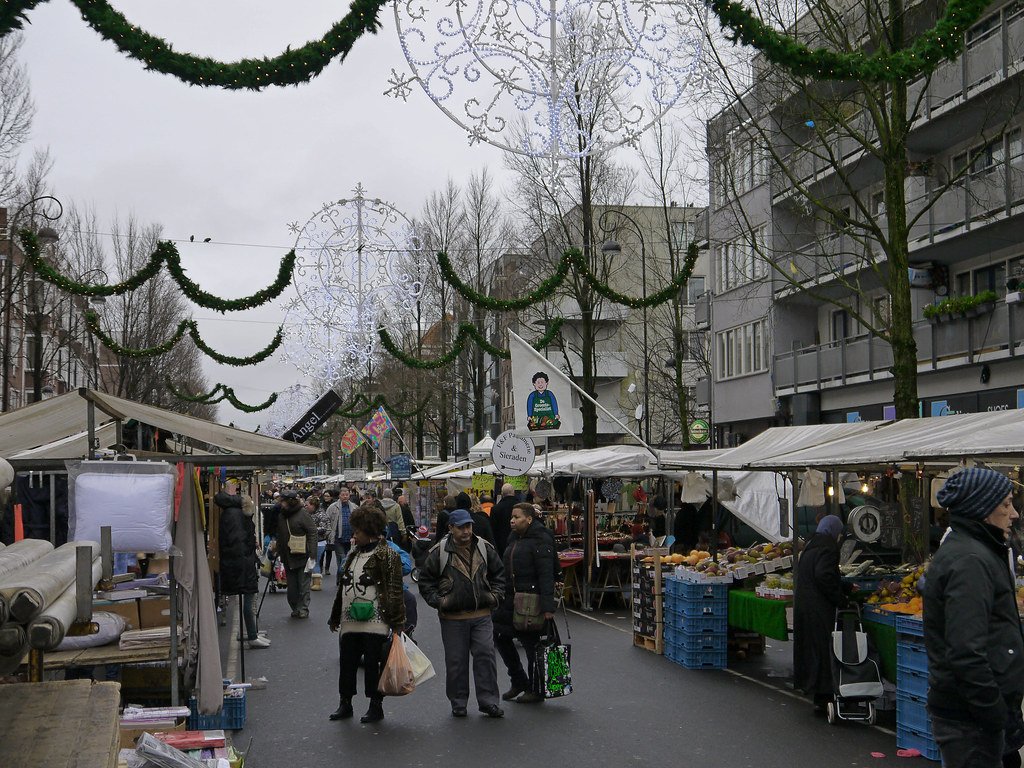
Featured photo: Amsterdam free photos pictures of the Dutch city via Openverse (CC0).