On this page
To start trail running, pick a short, smooth, well-marked trail, run by time and effort instead of pace, walk the hills without guilt, and build up slowly over several weeks. Shoes with good grip help, but the most important early skills are watching your footing, shortening your stride and staying safe on your own.
This guide takes you from your first trail run to a steady routine. It covers choosing beginner trails, what to wear and carry, simple uphill and downhill technique, a gentle first month plan, safety habits and trail etiquette. If you can already jog comfortably for 20 to 30 minutes on roads or paths, you are ready to try the trails.
Key takeaways
- Start on smooth, wide, well-marked trails such as gravel paths or packed dirt park loops.
- Run by time and effort, not pace. Trails are slower than roads, and that is normal.
- Walk steep uphills and take short, quick steps on descents.
- Look a few steps ahead, not at your feet, to spot rocks and roots early.
- Carry water, a phone and a light layer, and tell someone your route.
- Increase time on the trail gradually and take rest days to let your body adapt.
What is trail running and how is it different from road running?
Trail running is running on natural surfaces like dirt, gravel, grass and rocky paths, often with hills and uneven footing. Compared with road running, it is usually slower, uses more balance and stabilizing muscles, and asks you to watch the ground closely. Many runners find it gentler on joints and more engaging mentally.
The main differences come down to terrain and effort. On a road, you can hold a steady pace for miles. On a trail, your speed changes constantly with climbs, descents, mud, roots and rocks. Your heart rate may jump on a short hill even when you are moving slowly.
| Factor | Road running | Trail running |
|---|---|---|
| Surface | Paved, even | Dirt, gravel, rock, roots |
| Pace | Steady and predictable | Varies with terrain |
| Effort | Mostly even | Changes on hills |
| Focus | Can zone out | Constant attention to footing |
| Muscles used | Repetitive motion | More balance and stability work |
| Navigation | Usually simple | May need a map or app |
These differences are part of the appeal. Trail running sits alongside hiking, cycling and paddling as one of the most popular ways to get active outside. Our guide to beginner outdoor activities to try covers other options if you want variety.
How do you choose a beginner trail for running?
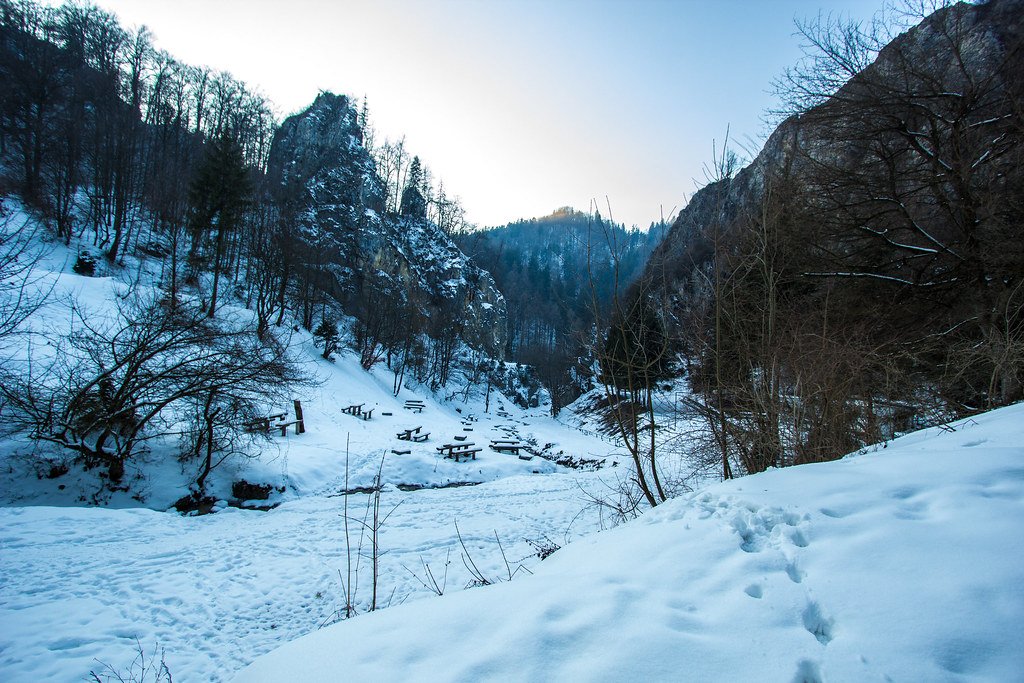
A beginner trail for running is short, fairly flat, well marked and has a smooth surface such as packed dirt, gravel or a wide forest road. Look for loops of 1 to 3 miles in a local park, rail trail or nature preserve. Avoid steep, rocky, technical or remote trails until you have built confidence and footing.
Good options for your first runs:
- Gravel rail trails and canal towpaths.
- Wide dirt paths in city and county parks.
- Fire roads and forest service roads with gentle grades.
- Well-signed loop trails near a visitor center or parking lot.
Check the trail description for distance, elevation gain and surface type. Read recent reports for mud or closures. Some trails are shared with cyclists, horses or many hikers, so a quiet time of day makes a first run easier.
Tip: Run your first trail as an out-and-back. Turn around after 10 to 15 minutes and return the same way. You will know exactly what the footing is like on the way home.
What gear do you need to start trail running?
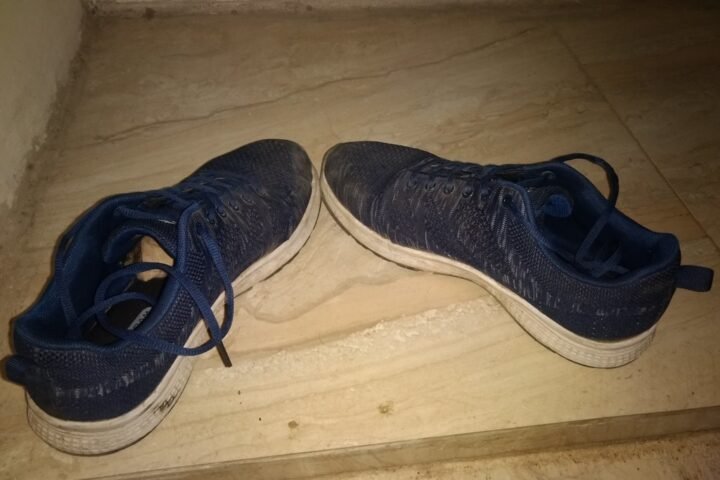
To start trail running, you need comfortable running clothes, a pair of shoes with good grip, a way to carry water and a phone. Trail running shoes help on loose or muddy ground, but many beginners start on smooth trails in their regular running shoes. Add more gear only as your runs get longer.
The basic kit:
- Shoes: trail running shoes with a grippy outsole, or road shoes on smooth trails.
- Socks: synthetic or wool running socks that wick moisture.
- Clothing: moisture-wicking shorts or tights and a light top. Avoid cotton.
- Water: a handheld bottle, waist belt or small running vest for longer runs.
- Phone: for navigation, emergencies and photos.
- Layer: a light wind or rain jacket in changeable weather.
- Sun protection: a cap or visor, sunglasses and sunscreen.
Do you need trail running shoes?
You do not need trail running shoes for smooth, dry trails, but they help a lot on mud, loose gravel, wet rock and steep ground. They usually have deeper lugs for grip, a tougher upper and sometimes a rock plate for protection. When you shop, focus on fit, grip and comfort rather than any single feature.
How do you run uphill on a trail?
To run uphill on a trail, shorten your stride, keep your steps quick and light, lean slightly forward from your ankles and use your arms for rhythm. On steep or long climbs, switch to a strong power hike with hands on your thighs if needed. Walking hills is normal and efficient, even for experienced trail runners.
Tips for climbing:
- Keep your effort steady rather than your speed.
- Look a short way up the trail and pick a line with good footing.
- Breathe steadily and do not be afraid to slow down.
- Switch to walking before you are out of breath, not after.
- Use the top of each climb to recover before speeding up again.
A simple guide is the talk test. If you cannot say a short sentence, walk until your breathing settles.
How do you run downhill on a trail?
To run downhill on a trail, take short, quick steps, keep your weight over your feet rather than leaning back, bend your knees slightly and look a few steps ahead. Let your arms move out for balance. Control your speed with step frequency instead of braking hard with each stride, which strains your knees and quads.
Downhill running is a skill that takes time to learn. Start slowly on gentle descents.
- Look three to five steps ahead to plan your foot placement.
- Keep your steps short and your cadence quick.
- Stay relaxed in your upper body.
- Land with your feet under your hips, not out in front.
- Walk steep or loose sections until you feel confident.
- Slow down on wet rock, roots and loose gravel.
Your legs may feel sore after your first downhill runs, since descents work your muscles in a different way. This usually eases as your body adapts over a few weeks.
How should you plan your first month of trail running?
Plan your first month of trail running around short, easy runs by time, with walk breaks as needed and at least one rest day between trail sessions. Start with 20 to 30 minutes on smooth trails two or three times a week, then add a few minutes each week. Focus on footing and enjoyment, not distance or pace.
This sample plan assumes you can already jog for 20 to 30 minutes on flat ground. Adjust it to how you feel.
| Week | Trail sessions | Time per run | Focus |
|---|---|---|---|
| Week 1 | 2 | 20 to 25 minutes | Smooth trail, walk hills |
| Week 2 | 2 | 25 to 30 minutes | Practice short downhill steps |
| Week 3 | 2 to 3 | 25 to 35 minutes | Try a slightly hillier route |
| Week 4 | 2 to 3 | 30 to 40 minutes | One longer, easy run |
Keep the rest of your week flexible. Easy walks, cycling and simple strength exercises for your legs, hips and core help your body handle uneven ground. If you feel sharp pain or pain that changes how you move, stop running and rest. Seek medical advice if it does not improve.
If you have a health condition or are new to exercise, check with your doctor before starting a running program.
How do you stay safe while trail running?
Staying safe while trail running means telling someone your route and expected return time, carrying a phone and water, checking the weather, staying on marked trails and knowing when to turn back. Trails can be quieter and more remote than roads, so a small problem like a sprained ankle can take longer to sort out.
Safety habits for every run:
- Share your route and return time with someone you trust.
- Carry a charged phone, and download an offline map if signal is patchy.
- Check the forecast, and avoid exposed ridges during thunderstorms.
- Carry water and a snack on runs of an hour or more.
- Wear bright colors, especially during hunting seasons where that applies.
- Run with a partner on unfamiliar or remote trails.
- Turn back early if you feel unwell, lost or the weather changes.
Watch for wildlife and give animals plenty of space. In tick areas, check yourself after each run, following guidance from the CDC. In hot weather, run early, slow down and drink regularly.
What trail etiquette should runners follow?
Trail runners should yield to hikers going uphill and to horses, announce themselves before passing, stay on the marked trail and leave no trace. Runners move faster than most trail users, so a friendly heads-up and a little patience help everyone share the path. Follow any local rules posted at the trailhead.
Simple trail etiquette for runners:
- Say hello or “on your left” well before you pass someone.
- Slow to a walk when passing hikers on narrow trails.
- Step aside for horses and follow the rider’s instructions.
- Run through mud rather than around it to avoid widening the trail.
- Pack out gel wrappers and all other trash.
- Keep music low and one ear free so you can hear others.
Good etiquette also protects the trails you love. The Leave No Trace principles from lnt.org apply to runners as much as hikers.
What are common beginner trail running mistakes?
Common beginner trail running mistakes include trying to hold road pace, running every hill, looking down at your feet, choosing trails that are too technical, wearing shoes without enough grip and increasing time too quickly. Most new trail runners improve fastest by slowing down, walking climbs and building time on the trail gradually.
| Mistake | Why it causes trouble | Better approach |
|---|---|---|
| Chasing road pace | Overexertion, frustration | Run by time and effort |
| Running every hill | Burnout early in the run | Power hike steep climbs |
| Staring at your feet | Late reaction to obstacles | Look three to five steps ahead |
| Too technical too soon | Falls, sprains | Start on smooth trails |
| Poor grip | Slips on mud and rock | Use shoes with good tread |
| Building too fast | Soreness, injury risk | Add a few minutes each week |
| No water or phone | Stranded or dehydrated | Carry basics every time |
Another common mistake is skipping recovery. Trail running works your stabilizing muscles in new ways. Rest days help your body adapt and keep running enjoyable.
Why is trail running good for you?
Trail running is good for you because it combines aerobic exercise with balance and strength work, and it gets you outdoors in natural settings. Many runners find the softer surfaces kinder on joints and the changing terrain more engaging than repeated road loops. Time in nature is also widely linked with lower stress and better mood.
Some of the benefits runners commonly mention:
- Stronger ankles, hips and core from uneven ground.
- Varied effort that builds fitness without constant pounding.
- Less mental boredom than repeating the same road loop.
- Fresh air, views and a break from screens.
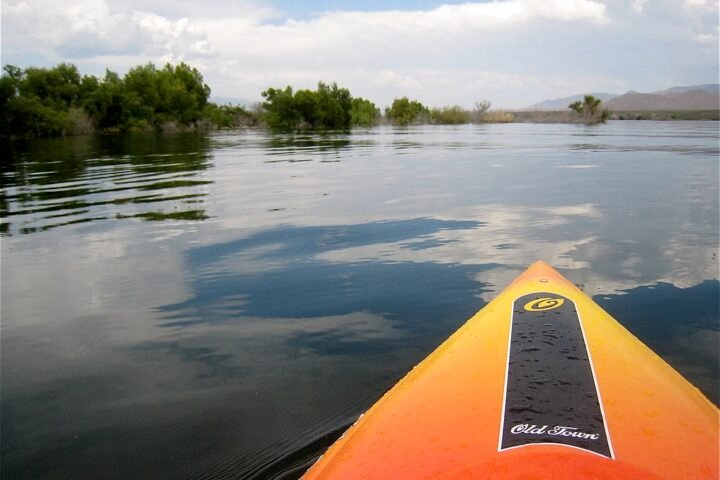
Our guide on why time outdoors is good for you explains more about the wider wellbeing benefits of getting outside regularly. If you enjoy trail running and want to try something different on rest days, a gentle paddle is a great change of pace. Read kayaking for beginners: what to know before your first paddle to get started.
Frequently asked questions
Can beginners do trail running?
Yes, beginners can do trail running. If you can jog comfortably for 20 to 30 minutes, start on smooth, flat trails and run by time rather than distance. Walk the hills, look ahead for obstacles and build up gradually. Many people start trail running with walk and run intervals and progress over several weeks.
How far should you run on your first trail run?
On your first trail run, focus on time rather than distance. Aim for about 20 to 30 minutes on a smooth, easy trail, including walk breaks. Distance will feel shorter than on the road because terrain slows you down. Finish feeling good, then add a few minutes on later runs as your confidence grows.
Is trail running harder than road running?
Trail running often feels harder than road running at the same pace because of hills, uneven ground and the constant attention to footing. Most runners are slower on trails and use more stabilizing muscles. Many find it less harsh on joints and more interesting, so the extra effort feels rewarding once they adapt.
Should you walk during a trail run?
Yes, walking during a trail run is normal and often smart. Many experienced trail runners power hike steep climbs because it saves energy and can be nearly as fast. Walking technical sections and steep descents also reduces your risk of falls. Use the talk test, and walk whenever you cannot speak a short sentence.
What should you carry on a trail run?
On a trail run, carry a charged phone, water and a light layer if the weather may change. For runs over about an hour, add a snack and consider a small first aid item for blisters. Tell someone your route and return time, and download an offline map if you are on unfamiliar trails.
Sources and further reading
Featured photo: MyStockPhotos via Openverse (CC0).