On this page
The best outdoor activities for beginners are ones you can start close to home with little gear and no special skills: walking and day hiking, cycling, paddling, camping, birdwatching and trail running. Pick one that matches your fitness, budget and interests, start small and build from there.
Below you will find twelve beginner friendly activities, what each one needs, how hard it is to start and a simple plan for your first outing. There is also a comparison table, safety basics and tips for staying motivated after the first try.
Key takeaways
- Walking, day hiking and birdwatching are the easiest activities to start because they need almost no gear.
- Paddling, climbing and mountain biking are best tried first through a guided session, lesson or rental.
- Choose an activity that fits your fitness level, local landscape, budget and how social you want to be.
- Start with short, easy outings and increase distance or difficulty gradually.
- Tell someone your plans, check the weather and carry water, snacks and a light layer on every outing.
How do you choose an outdoor activity as a beginner?
To choose an outdoor activity as a beginner, think about four things: what is close to you, how much gear it needs, your current fitness and whether you want to go alone or with others. The best first activity is one you can try this week without a big purchase or a long drive.
Start with your surroundings. If you live near parks and greenways, walking, cycling and birdwatching are easy wins. If you live near a lake or calm river, paddling is worth a look. Mountain areas open up hiking and camping.
Then think about what you enjoy. Some people want a workout. Others want quiet time, a social outing or a way to get kids outside. There is no wrong answer, and many people try several activities before one sticks.
Questions to ask yourself
- How much time can I spend: an hour after work or a full weekend day?
- Do I want something social, solo or family friendly?
- Am I comfortable trying something with a little risk, such as water or heights?
- What can I borrow, rent or already own?
- Is there a local club, park program or outfitter that runs beginner sessions?
Which outdoor activities are easiest for beginners?
The easiest outdoor activities for beginners are walking, day hiking, picnicking in parks, birdwatching, casual cycling and car camping. These need little or no special equipment, can be done at your own pace and are easy to scale. You can try any of them this weekend and make them harder later as your confidence grows.
| Activity | Gear needed | Skill to start | Good for |
|---|---|---|---|
| Walking and day hiking | Comfortable shoes, water | Very low | Fitness, solo, families |
| Birdwatching | Optional binoculars | Very low | Quiet time, all ages |
| Casual cycling | Bike, helmet | Low | Fitness, commuting, groups |
| Car camping | Tent, sleeping bag | Low | Families, weekends |
| Kayaking | Rental kayak, life jacket | Low to moderate | Calm water, scenery |
| Stand up paddleboarding | Rental board, life jacket | Low to moderate | Balance, warm days |
| Trail running | Running shoes | Moderate | Fitness, solo |
| Fishing | Rod, local license | Low to moderate | Patience, families |
| Geocaching | Phone with app | Very low | Kids, exploring |
| Rock climbing | Guided session gear | Moderate | Strength, groups |
| Snowshoeing | Rental snowshoes | Low | Winter fitness |
| Outdoor yoga | Mat | Very low | Recovery, relaxation |
1. Walking and day hiking
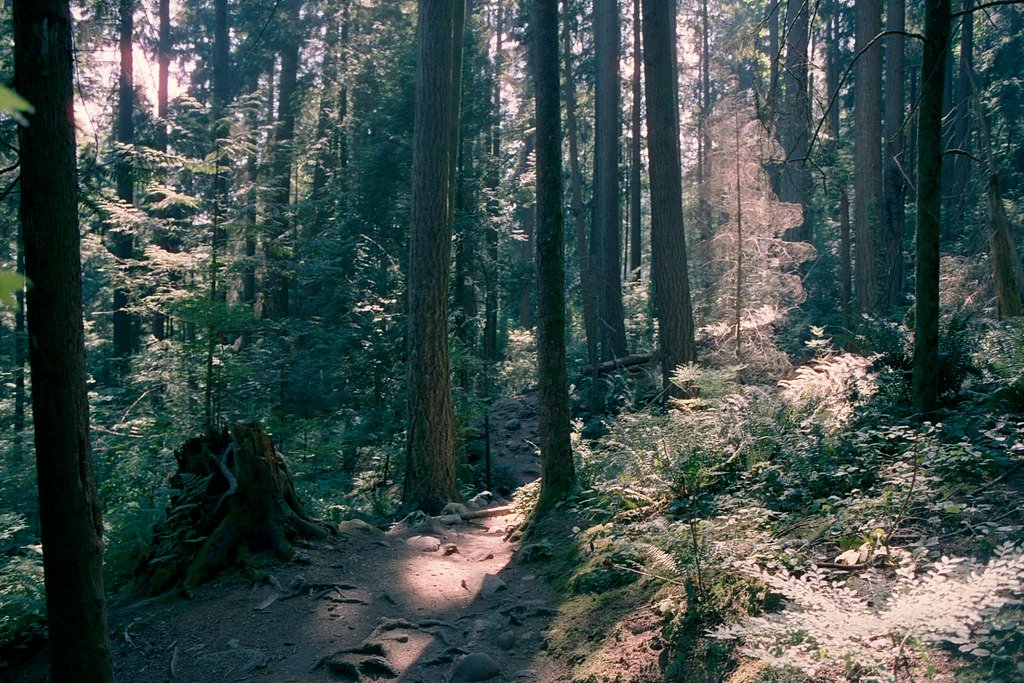
Walking and day hiking are the most accessible outdoor activities for beginners because they require only comfortable shoes, water and a trail or park path. You control the pace and distance, so it suits nearly any fitness level. Start on short, well-marked trails and add distance or elevation as walking feels easier.
A good first hike is a loop of a few miles on a popular, well-signed trail. Check the trail description for distance and elevation gain, and pick something that feels easy rather than challenging.
What to bring:
- Water and a snack
- A light jacket or extra layer
- Sun protection
- A phone with a downloaded map
- A small first aid kit
2. Birdwatching
Birdwatching is a calm, low-cost outdoor activity where you look and listen for birds in parks, gardens, wetlands and forests. Beginners only need curiosity and patience. Binoculars and a field guide or bird identification app make it more rewarding, and you can practice anywhere, including your own backyard or a city park.
Early morning is often the most active time for birds. Walk slowly, pause often and listen. Many local nature centers and birding groups run free beginner walks, which are a friendly way to learn.
3. Cycling
Cycling is a beginner friendly way to cover more ground outdoors while getting good exercise. Start on paved paths, rail trails or quiet roads using a bike that fits you and a properly adjusted helmet. Once you feel steady, you can explore longer routes, gravel paths or easy mountain bike trails.
Before your first ride, check that your tires are inflated, brakes work and seat height lets your leg almost straighten at the bottom of each pedal stroke. Carry water and know the route. If you are curious about mountain biking, many bike parks and shops offer rentals and introductory sessions.
4. Kayaking and canoeing
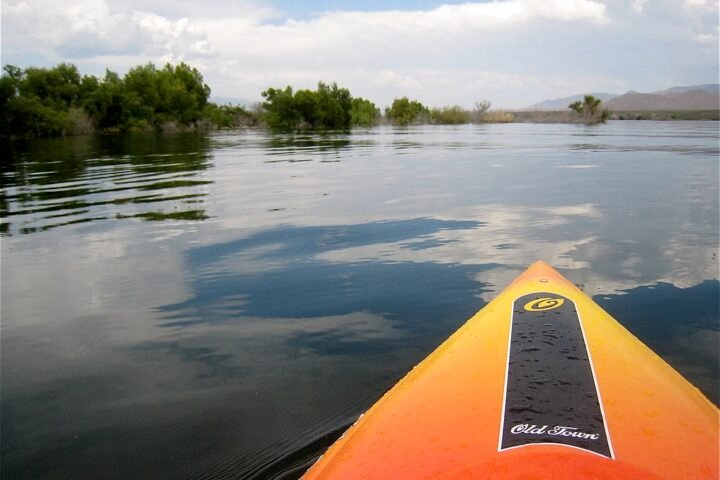
Kayaking and canoeing let beginners explore lakes, slow rivers and calm bays from a fresh angle. Rentals and guided tours make it easy to try without buying gear. Always wear a properly fitted life jacket, start on calm, sheltered water and stay close to shore until you are comfortable with basic strokes.
A recreational kayak on flat water is a forgiving place to start. Many outfitters include a short safety briefing and paddling lesson with a rental. For a full introduction to gear, strokes and safety, read kayaking for beginners: what to know before your first paddle.
Tip: Cold water can be dangerous even on a warm day. Dress for the water temperature, not just the air, and avoid paddling alone until you have more experience.
5. Stand up paddleboarding
Stand up paddleboarding, often called SUP, involves standing on a large board and using a long paddle to move across calm water. It is easy to try because many beginners can stand within a short session. Start on flat, sheltered water, kneel first, wear a life jacket and use a leash.
Wide, stable boards are easier for beginners. Expect to fall in a few times, which is part of the fun on a warm day. Avoid offshore winds, which can push you away from the shore faster than you can paddle back.
6. Camping
Camping is a beginner friendly way to spend a full day and night outdoors. Car camping at a developed campground is the easiest start because you can park next to your site and often have toilets and water nearby. You can borrow or rent much of the gear before buying anything.
Try a single night close to home first. Practice setting up your tent at home, plan simple meals and check the campground rules on fires and quiet hours. Our camping for beginners guide covers planning, gear and campsite skills step by step.
7. Trail running
Trail running is running on dirt paths, forest trails and park routes instead of pavement. It suits beginners who already enjoy running or brisk walking and want more variety. Start on smooth, wide trails, walk the uphills, shorten your stride on descents and focus on time on your feet rather than speed.
Trail shoes add grip on loose ground, but you can start in regular running shoes on easy paths. Run with a friend or tell someone your route, and carry water on longer outings. For a full plan, see how to start trail running.
8. Fishing
Fishing is a relaxing outdoor activity that rewards patience and works well for families. Beginners can start from a dock or shore at a local lake or pond with a simple rod and reel. Most places require a fishing license for adults, so check your state, provincial or local wildlife agency rules before you go.
Many parks and wildlife agencies host free fishing days or beginner clinics where you can borrow equipment and learn basic casting. Learn the local catch limits and handling rules, and pack out any line or hooks you use.
9. Geocaching
Geocaching is a treasure hunt that uses GPS coordinates to find small hidden containers, called caches, in parks, trails and towns. It is ideal for beginners and families because it adds a goal to a walk. All you need is a smartphone with a geocaching app and a willingness to explore.
Caches range from easy park finds to harder hidden ones. Start with those rated easy, stay on trails and respect private property. If you take an item from a cache, leave something of equal or greater value and always sign the log.
10. Rock climbing
Rock climbing is a full body activity that builds strength, balance and problem solving. Beginners should start at an indoor climbing gym or with a certified guide outdoors rather than climbing alone. Gyms rent shoes and harnesses and teach the basic safety skills you need, such as belaying and tying in.
Bouldering, which involves short climbs over padded floors without ropes, is another easy entry point at many gyms. Once you know the basics, guided outdoor sessions are the safest way to move onto real rock.
11. Snowshoeing
Snowshoeing is walking on snow with wide frames strapped to your boots that spread your weight so you do not sink. It is one of the easiest winter activities for beginners because, if you can walk, you can snowshoe. Rentals are common at parks and outdoor shops, and many trails are marked for winter use.
Dress in layers, bring water and snacks and keep outings short at first because walking in snow is more tiring than on dry trails. Check avalanche and weather information before heading into mountain terrain, and stick to gentle, marked routes.
12. Outdoor yoga and stretching
Outdoor yoga and stretching bring a familiar practice into a park, garden or beach. It is a gentle, low-cost way to spend time outside and suits all fitness levels. You only need a mat or towel and a quiet, flat spot. Many parks host free or low-cost group classes in warmer months.
Outdoor sessions pair well with a walk or hike. Choose shade in hot weather, bring water and be mindful of others using the space. Many people find time outdoors helps them feel calmer, and our guide on why time outdoors is good for you explains more.
How do you stay safe when trying a new outdoor activity?
Staying safe when trying a new outdoor activity starts with planning: check the weather, tell someone where you are going and when you will return, carry water, snacks and a layer and stay within your skill level. For activities with higher risk, such as paddling or climbing, take a lesson or go with a guide first.
Use this simple checklist before every outing:
- Check the forecast. Use a reliable source such as the National Weather Service in the US or your national weather service elsewhere.
- Share your plan. Tell a friend your route, start time and expected return.
- Pack the basics. Water, snacks, an extra layer, sun protection and a small first aid kit.
- Know the rules. Check park hours, permits and any local restrictions.
- Wear the right safety gear. A helmet for cycling, a life jacket for paddling and proper footwear for trails.
- Turn back if needed. Changing weather, fatigue or unfamiliar terrain are good reasons to call it a day.
Respect wildlife and leave places as you found them. The Leave No Trace Center offers clear guidance on enjoying nature responsibly.
What mistakes do beginners make with outdoor activities?
Beginners often try too much too soon, buy expensive gear before knowing if they like an activity, skip safety basics and underestimate the weather. These mistakes are easy to avoid. Start small, rent or borrow gear, check conditions and choose easy routes that leave you wanting more rather than exhausted.
- Choosing a route that is too hard. Pick shorter, easier options for your first few outings.
- Buying everything at once. Rent or borrow until you know you enjoy the activity.
- Wearing the wrong clothes. Dress in layers and avoid cotton on cool or wet days.
- Skipping water and snacks. Even short outings can leave you tired and thirsty.
- Going out without telling anyone. Always share your plans.
- Ignoring local rules. Check whether you need a permit, license or reservation.
How do you stay motivated after your first outing?
To stay motivated after your first outdoor outing, set small goals, schedule regular sessions and find people to go with. Tracking progress, joining a club or trying a new trail each month keeps things fresh. Mixing activities across seasons also helps, so you always have something to look forward to.
Ideas that help many beginners keep going:
- Put a regular outdoor slot in your calendar, such as a Saturday morning walk.
- Join a local hiking, cycling, paddling or birding group.
- Try a new park or trail each month.
- Keep a simple log of where you went and how it felt.
- Plan a small goal, such as a longer hike or a first camping night.
- Change activities with the seasons to avoid boredom.
Tip: Invite a friend. Plans with someone else are much harder to cancel, and shared outings are often more fun.
More outdoor activities to try
Frequently asked questions
What is the easiest outdoor activity to start?
Walking or day hiking is usually the easiest outdoor activity to start. You only need comfortable shoes, water and a safe route, such as a park path or well-marked trail. You set the pace and distance, so it fits most fitness levels. It also builds the stamina and confidence that help with other activities later.
Do I need expensive gear to start outdoor activities?
No. Many outdoor activities need little or no special gear at first. You can walk, birdwatch and geocache with what you already own. For paddling, climbing, snowshoeing or camping, rentals and gear libraries let you try before buying. Invest in good gear only after you know an activity is something you will keep doing.
Which outdoor activities are good for families with kids?
Short hikes, geocaching, birdwatching, fishing, car camping and easy bike rides work well for families. They can be shortened or paused easily and keep kids engaged with a goal or something to discover. Choose short routes, plan plenty of snack breaks and let children set part of the pace.
Is it safe to try outdoor activities alone?
Many low-risk activities, such as walking in parks or easy hiking on popular trails, can be done alone with good planning. Always tell someone your route and return time, carry a charged phone and check the weather. For higher risk activities like paddling or climbing, go with others or a guide until you build experience.
Sources and further reading
- National Weather Service for US forecasts and weather safety.
- National Park Service for park information and trip planning.
- Leave No Trace Center for Outdoor Ethics for responsible outdoor recreation.
Ready for the next step? Pick one activity from this list, plan a short first outing this week and, if water appeals to you, start with kayaking for beginners.
Featured photo: cclogg via Openverse (CC0).