On this page
To walk comfortably in the rain, wear a breathable waterproof jacket, quick drying layers instead of cotton, footwear with good grip and moisture wicking socks, and add a hat or hood that keeps rain off your face. Protect your phone and keys, make yourself visible to drivers, and change into dry clothes as soon as you finish.
Rain does not have to cancel your walk. With the right clothing and a few simple habits, a wet day can be fresh, quiet and surprisingly pleasant. This guide covers what to wear, how to keep your feet dry, how to stay safe on slippery ground and near traffic, when to skip the walk entirely, and how to dry your gear afterward.
Key takeaways
- A breathable rain jacket with a hood is the single most useful item for rainy walks.
- Choose synthetic or wool layers, which stay warmer than cotton when damp.
- Wool or synthetic socks and grippy soles do more for comfort than fully waterproof shoes alone.
- Shorten your stride and slow down on wet pavement, leaves, metal grates and painted lines.
- Bright or reflective clothing helps drivers see you in gray, low light conditions.
- Stay indoors during thunderstorms, and never walk through flooded paths or roads.
Is it good to walk in the rain?
Walking in light or steady rain is generally fine for healthy people, as long as you dress for it and stay safe. Rainy walks keep your routine going, trails and parks are often quieter, and cool air can make walking feel easier. The main risks are getting chilled, slipping, low visibility and storms.
Many walkers find that rain is a good test of habit. If you only walk on dry days, your routine breaks every time the weather turns. Learning to walk comfortably in the rain keeps you moving all year. Our guide on how to build a daily walking habit explains how to make walking stick, whatever the forecast.
The key is matching your plans to the conditions:
- Light drizzle: a water resistant jacket or umbrella is often enough.
- Steady rain: wear a waterproof jacket and quick drying layers.
- Heavy rain and wind: choose a shorter, sheltered route or walk another time.
- Thunderstorms or flooding: stay indoors.
What should you wear to walk in the rain?
Wear a breathable waterproof jacket with a hood, a moisture wicking base layer, quick drying pants or tights, wool or synthetic socks and shoes with good traction to walk in the rain. Add a cap with a brim under your hood and a light warm layer if it is cool. Avoid cotton, which stays wet and cold.
| Layer | Best choice | Avoid |
|---|---|---|
| Outer layer | Breathable waterproof jacket with hood | Non breathable plastic in mild weather |
| Base layer | Synthetic or merino wool | Cotton T-shirt |
| Mid layer (cool days) | Light fleece or synthetic insulation | Heavy cotton sweatshirt |
| Legs | Quick drying pants, tights or rain pants | Jeans |
| Feet | Wool or synthetic socks | Cotton socks |
| Head | Cap with brim under the hood | Nothing, in steady rain |
| Hands | Light gloves on cool days | Cotton gloves |
The rain jacket
A jacket labeled waterproof and breathable keeps rain out while letting some sweat escape. Look for a hood that moves with your head, adjustable cuffs and pit zips or vents if you walk fast. Understanding the difference between waterproof and water resistant clothing helps you choose the right level of protection, and our guide on how to choose a rain jacket covers features in depth.
Why not cotton?
Cotton absorbs water and dries slowly, so it pulls heat away from your body. On a warm summer walk this may only feel unpleasant. On a cool, windy day it can make you dangerously cold.
Tip: Wear a baseball style cap under your jacket hood. The brim keeps rain off your face and glasses, and the hood stays in place better.
How do you keep your feet dry when walking in the rain?
Keep your feet as dry as possible by wearing wool or synthetic socks, choosing waterproof shoes or boots for steady rain, wearing rain pants or gaiters over the top of your footwear, and avoiding deep puddles. Even with good gear, feet may get damp on long walks, so focus on staying warm and preventing blisters.
Practical ways to protect your feet:
- Pick the right socks. Wool or synthetic socks stay warmer when damp. Our guide on how to choose hiking socks explains materials and cushioning.
- Wear pants over boots. Rain pants or trousers worn outside your boots stop water running down your legs into your shoes.
- Consider gaiters on muddy or grassy paths.
- Carry spare socks on longer walks and change at a dry spot.
- Step around deep puddles where it is safe, but stay on the path on trails.
Waterproof shoes or quick drying shoes?
Waterproof shoes keep feet dry in light rain and puddles, but once water gets in over the top, they dry slowly. Breathable, non waterproof shoes let water in but drain and dry faster. For short urban walks in steady rain, waterproof footwear is usually more comfortable. For warm weather walks with lots of wet grass or stream crossings, quick drying shoes can work better. Our comparison of hiking boots vs. trail shoes explains the trade-offs.
Should you use an umbrella when walking?
An umbrella works well for walking in light rain without much wind, especially in towns and cities where you want to stay presentable. In strong wind, on narrow trails or in crowds, a hooded rain jacket is usually more practical. Many walkers use both: a jacket for protection and an umbrella to keep their face and upper body drier.
| Option | Good for | Drawbacks |
|---|---|---|
| Umbrella | Light rain, city walks, warm weather | Wind, narrow paths, one hand busy |
| Rain jacket | Most conditions, trails, wind | Can feel warm in humid weather |
| Poncho | Covering you and a backpack | Flaps in wind, can snag |
| Jacket plus umbrella | Steady rain without wind | Takes practice to manage both |
An umbrella also helps you stay cooler in warm rain, because you can leave your jacket open for airflow. Hold it low enough to stay covered but high enough to see oncoming people and traffic.
How do you walk safely on wet surfaces?
Walk safely on wet surfaces by shortening your stride, slowing down, keeping your feet under your body and watching for slick spots such as wet leaves, metal grates, painted road lines, smooth stone and wooden boardwalks. Footwear with a soft, grippy sole makes a large difference. On steep or rough ground, trekking poles help with balance.
Slippery spots to watch for:
- Wet leaves, especially in fall.
- Metal manhole covers, drain grates and bridge plates.
- Painted lines on roads and crosswalks.
- Smooth paving stones, tiles and marble steps.
- Wooden boardwalks and bridges, especially with moss.
- Mud on slopes and around trail junctions.
Techniques that reduce slips:
- Shorten your stride so your weight stays over your feet.
- Land with a flatter foot rather than a hard heel strike.
- Slow down on slopes and take steps sideways on very steep sections.
- Use handrails on stairs and bridges.
- Keep hands free where you might need them for balance.
How do you stay visible when walking in the rain?
Stay visible when walking in the rain by wearing bright colors or reflective details, carrying a small light in low light conditions, and walking facing traffic on roads without sidewalks. Rain reduces visibility for drivers through wet windshields and glare, so make it easy for them to see you and give extra time at crossings.
- Bright jacket or vest: yellow, orange or other high contrast colors stand out against gray backgrounds.
- Reflective strips: on jackets, shoes or bags help at dusk and night.
- A small light: a clip on light or headlamp helps you see and be seen.
- Face traffic on roads without sidewalks, where local rules allow it.
- Make eye contact with drivers before crossing.
- Avoid hood tunnel vision. Turn your whole head to check for traffic.
Spray from passing vehicles is common in heavy rain. Step back from the curb at crossings and choose routes with wider sidewalks where possible.
How do you protect your phone and valuables in the rain?
Protect your phone and valuables in the rain by keeping them in an inside zip pocket or a waterproof pouch, using zip top bags for keys, cards and paper, and lining your backpack with a waterproof liner or dry bag. Most backpacks are not fully waterproof, so add protection for anything that must stay dry.
- Zip top bags for your phone, wallet and paper maps.
- A small dry bag or pack liner inside your backpack.
- A pack rain cover for longer walks.
- A microfiber cloth to wipe your phone screen or glasses.
Tip: Keep your phone in an inside pocket rather than a hip belt or outer pocket. Your jacket shields it from direct rain, and body heat helps the battery in cool weather.
When should you not walk in the rain?
You should not walk in the rain during thunderstorms, flash flood warnings, very strong winds or freezing rain, or if you have a health condition that cold and wet weather could worsen. Postpone or move your walk indoors when the forecast includes lightning, flooding or dangerous wind, and check official weather alerts before you head out.
Thunderstorms
The US National Weather Service advises “When thunder roars, go indoors.” If you hear thunder, lightning can strike, so head for a substantial building or a hard topped vehicle. Our guide to lightning safety for hikers and campers explains what to do if you are caught outdoors.
Flooding
Never walk through flooded paths, underpasses or roads. Moving water can be deeper and faster than it looks, and it may hide holes, debris or damaged surfaces. The National Weather Service message is “Turn Around, Don’t Drown.”
Cold, wet and windy weather
Rain plus wind and cool temperatures can chill you quickly, even when it is not freezing. Learn the early signs of hypothermia, such as uncontrolled shivering, confusion and clumsy hands, and seek warmth and shelter right away. Call emergency services if someone shows signs of severe cold stress. Our guide on how to prevent hypothermia on the trail covers prevention and warning signs.
Check forecasts and alerts at weather.gov in the US, the Met Office in the UK, Environment Canada, or the Bureau of Meteorology in Australia.
How do you plan a longer walk in wet weather?
Plan a longer walk in wet weather by choosing a route with shelter and exit points, packing a spare warm layer, dry socks and extra snacks, starting earlier to allow for slower pace, and telling someone your plans. Rain makes paths slower and colder, so build in more time and easier options than you would on a dry day.
- Check the forecast and alerts the night before and the morning of your walk.
- Pick a route with exits, such as towns, bus stops or road crossings.
- Pack extra layers in a waterproof bag.
- Carry snacks and water, since you may not notice thirst in cool rain.
- Allow extra time for slower, slippery sections.
- Tell someone your route and when you expect to finish.
For multi-day routes, our guide on how to plan a long-distance walk covers drying gear overnight and planning rest days. If you are unsure whether your route counts as a walk or a hike, read walking vs hiking: what is the difference, because rougher terrain needs different footwear and preparation in the wet.
What should you do after walking in the rain?
After walking in the rain, change into dry clothes, warm up with a hot drink if you feel chilled, and dry your gear properly. Stuff wet shoes with newspaper, remove insoles, and dry them away from direct heat. Hang your jacket to dry and clean off mud so fabrics and coatings last longer.
- Change clothes quickly, especially socks.
- Remove insoles and loosen laces fully.
- Stuff shoes with newspaper or paper towels and replace them when damp.
- Dry shoes at room temperature, away from radiators, heaters and fires, which can damage glue and leather.
- Hang your jacket on a hanger in a ventilated room.
- Wash your jacket occasionally following the care label, which helps restore water repellency.
What are common mistakes when walking in the rain?
Common mistakes when walking in the rain include wearing cotton, relying on a jacket that is only water resistant in steady rain, wearing worn out shoes with poor grip, forgetting visibility, and ignoring storm or flood warnings. Many walkers also overdress, then get soaked from sweat inside their jacket.
- Cotton layers that stay wet and cold.
- Overdressing, which causes heavy sweating. Start slightly cool.
- Smooth soles that slip on wet ground.
- Dark clothing in low light near roads.
- Ignoring warnings for lightning or flooding.
- No dry layer for after the walk or for emergencies.
For a full kit list, see our walking gear checklist for beginners. It is the best next step if you want to build a rain ready walking setup without buying more than you need.
Frequently asked questions
Can you get sick from walking in the rain?
Rain itself does not cause colds or flu, which are spread by viruses. However, getting cold and wet for a long time can make you uncomfortable and, in cool windy weather, raise the risk of hypothermia. Dress in layers, avoid cotton, change into dry clothes afterward and seek medical help for severe chilling.
What shoes are best for walking in the rain?
Shoes with a grippy rubber sole and good tread are most important for walking in the rain. Waterproof shoes keep feet drier on short walks and in puddles. Breathable shoes dry faster when they do get wet. Pair either with wool or synthetic socks, and wear pants outside your shoes to keep water out.
Is it better to use an umbrella or a rain jacket?
A rain jacket is more versatile because it works in wind, keeps your hands free and suits trails. An umbrella is great for light rain in calm weather and city walks, and it helps you stay cooler. In steady rain without much wind, many walkers combine a jacket with an umbrella for extra coverage.
How do you keep glasses dry while walking in the rain?
A cap with a brim worn under your jacket hood is the simplest way to keep rain off glasses. An umbrella also helps in calm weather. Carry a microfiber cloth in a dry pocket to wipe lenses. Some walkers use anti fog products, but follow the product directions and your optician’s advice.
Should you walk in the rain during a thunderstorm?
No. If you hear thunder, you are close enough to be struck by lightning. Go indoors to a substantial building or a hard topped vehicle and wait until the storm has passed. Avoid open areas, hilltops, isolated trees and water. Check official weather alerts before walking when storms are forecast.
Sources and further reading
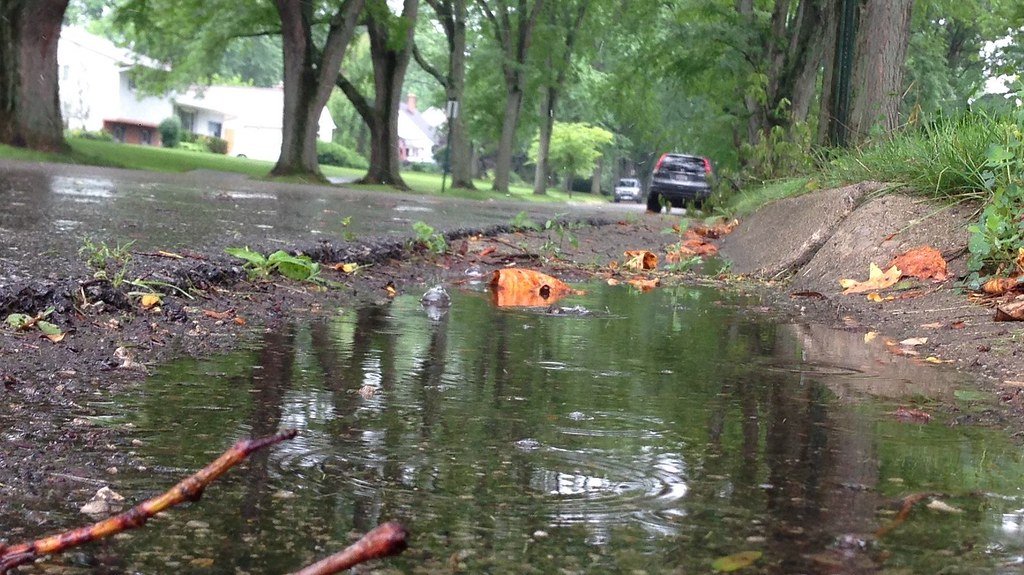
Featured photo: dankeck via Openverse (CC0).