On this page
A good business trip packing list covers five groups: travel documents, work clothes built around one color palette, tech and chargers, compact toiletries and the work materials your meetings need. Pack a carry-on if you can, keep anything essential in your personal item and choose clothes that mix, match and resist wrinkles.
Business travel leaves little room for mistakes. A forgotten charger, a creased shirt or a missing presentation file can throw off an important day. This checklist walks through what to bring, how much clothing you need for different trip lengths, what belongs in your personal item and how to pack so you arrive looking ready for work.
Key takeaways
- Build your outfits around two or three neutral colors so every piece works together.
- Pack one outfit per meeting day plus one spare top, not a new look for every occasion.
- Keep documents, laptop, chargers, medication and one change of clothes in your personal item.
- Bring a small tech pouch with every cable, plug adapter and a power bank.
- Check dress codes, the forecast and airline baggage rules before you pack.
- Lay out everything first, then cut it down before it goes in the bag.
What should you pack for a business trip?
For a business trip, pack your ID and travel documents, outfits for each meeting day, comfortable travel clothes, one pair of dress shoes, a laptop with chargers, a compact toiletry kit and any work materials such as notes or samples. Most short business trips fit in a carry-on when you plan outfits around a simple color palette.
Use this summary as your master checklist, then read the sections below for detail.
| Category | What to pack |
|---|---|
| Documents | ID or passport, boarding pass, itinerary, hotel details, company card |
| Work clothes | Suit or blazer, trousers or skirts, shirts or blouses, one spare top |
| Casual and sleep | Travel outfit, sleepwear, workout clothes if you use the gym |
| Shoes | One dress pair, one comfortable pair |
| Tech | Laptop, phone, chargers, adapter, power bank, headphones |
| Toiletries | Travel size liquids, toothbrush, deodorant, grooming items |
| Work materials | Notes, presentation backup, business cards, samples |
| Health | Prescription medication, pain relievers, small first aid items |
Which documents and travel essentials do you need?
The documents you need for a business trip are a valid government ID or passport, your boarding pass or tickets, hotel confirmation, meeting schedule and contact details for the people you are meeting. For international trips, check passport validity and visa rules early. Keep digital and paper copies so a dead phone does not leave you stuck.
Use this list for the essentials:
- Driver’s license, state ID or passport
- Boarding passes or train tickets, saved offline
- Hotel and car rental confirmations
- Meeting agenda with addresses and contact names
- Corporate card and a backup personal card
- Some local cash for tips or small purchases
- Loyalty program numbers saved in your phone
- Company travel policy and expense rules
- Visa or business entry documents if required
For international business travel, start with the official source for your country. US travelers can check destination entry rules at travel.state.gov. UK travelers can use gov.uk foreign travel advice. Canadian and Australian travelers should use their own government travel advice sites. Our international travel checklist of documents to bring covers the rest.
What clothes should you pack for a business trip?
The clothes to pack for a business trip are one outfit for each meeting day, a travel outfit, sleepwear and one spare top in case of spills. Choose two or three neutral colors such as navy, gray or black so every top works with every bottom. Wrinkle resistant fabrics and layering pieces keep the list short and flexible.
A capsule approach works well. A single blazer or jacket can carry you through several days when you change what is underneath it. Accessories such as ties, scarves or jewelry change the look without taking up much space.
This table gives a starting point by trip length. Adjust it for your dress code and for whether you can do laundry or use hotel pressing.
| Trip length | Work outfits | Bottoms | Tops | Shoes |
|---|---|---|---|---|
| 1 to 2 nights | 1 to 2 | 1 | 2 to 3 | 1 dress, 1 casual |
| 3 to 4 nights | 3 to 4 | 2 | 4 to 5 | 1 dress, 1 casual |
| 5 to 7 nights | 5 | 2 to 3 | 5 to 6 | 2 dress, 1 casual |
Also pack:
- A belt that works with all your trousers
- Enough underwear and socks for every day plus one extra
- Sleepwear and something comfortable for the hotel room
- A light sweater or layer for cold meeting rooms and planes
- Workout clothes and shoes only if you will really use them
- A compact umbrella or packable rain jacket
Tip: Wear your bulkiest items, such as a blazer and dress shoes, on travel days. They take up the most room in a bag and look fine on a plane or train.
How do you pack a suit or blazer without wrinkles?
To pack a suit or blazer without wrinkles, fold it inside out along the shoulders so the lining takes any creases, then lay it flat on top of your other clothes. Rolling soft items such as T-shirts and knits saves space, while shirts with collars stay neater when folded around a piece of cardboard or in a packing folder.
Hang everything as soon as you arrive. A steamy bathroom after a hot shower can relax light wrinkles, and many hotels offer an iron or pressing service. A small travel steamer is worth bringing if you travel often in formal clothes.
What tech and work items should you bring?
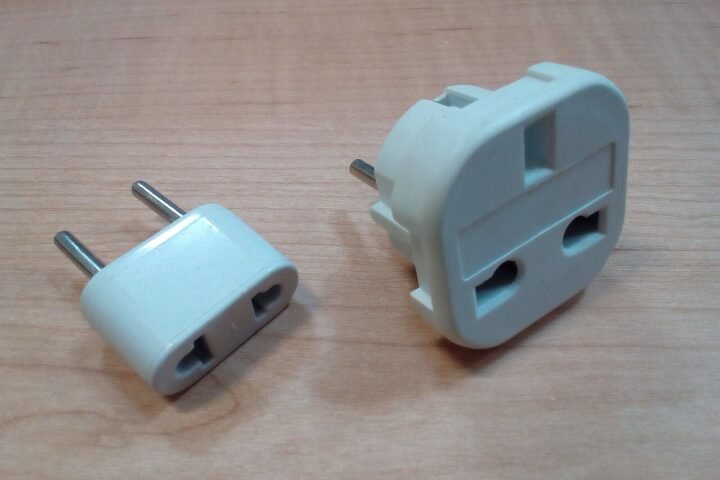
The tech to bring on a business trip is your laptop, phone, every charger and cable, a plug adapter for international trips, a power bank and headphones. Add a presentation backup on a USB drive or cloud folder and any adapters your laptop needs for projectors. A small pouch keeps every cable together and easy to check.
Use this tech and work checklist:
- Laptop and charger
- Phone and charging cable
- Power bank, carried in your cabin bag
- Universal plug adapter or region specific adapter
- Laptop video adapter for screens and projectors
- Noise canceling or regular headphones
- Presentation file saved offline and in the cloud
- Business cards
- A notebook and pen
- Product samples or printed handouts if needed
Airlines generally require spare lithium batteries and power banks to travel in carry-on bags, not checked luggage. Rules can vary, so check your airline before you fly. Our guide to travel tech essentials, chargers, adapters and power banks explains plug types and what to look for.
What toiletries and personal items should you pack?
The toiletries to pack for a business trip are travel size versions of your daily basics: toothbrush, toothpaste, deodorant, shampoo, skin care, shaving or grooming items and any makeup you use. Keep liquids in small containers that meet airport security rules. Prescription medication and a few health basics belong in your personal item, not your checked bag.
A quick toiletry checklist:
- Toothbrush, toothpaste and floss
- Deodorant
- Shampoo and conditioner if you prefer your own
- Face wash, moisturizer and sunscreen
- Razor, grooming kit or makeup
- Hairbrush or comb and hair products
- Contact lenses, solution and glasses
- Prescription medication in original packaging
- Pain relievers, adhesive bandages and hand sanitizer
- Lip balm and breath mints
In the US, the TSA allows carry-on liquids in containers of 3.4 ounces (100 milliliters) or less that fit in one quart size bag. Rules can differ by country and some airports are changing their screening, so check the airport or security authority before you fly. Many hotels supply basics like shampoo and soap, which can save space.
What should go in your personal item?
Your personal item should hold everything you cannot afford to lose or wait for: ID, documents, laptop, phone, chargers, medication, valuables and one spare outfit for your first meeting. If your main bag is delayed or gate checked, you can still work, sleep and show up presentable the next morning.
Think of your personal item as a survival kit for the first 24 hours of the trip. A laptop backpack or tote with a few organized pockets works well.
- Pack documents and ID in a zip pocket you can reach quickly at security.
- Add your laptop and tech pouch where you can remove them for screening if needed.
- Include medication and any personal care items you use daily.
- Roll one spare outfit for your first meeting, including underwear and a top.
- Add a water bottle and snack for long days between terminals and meetings.
If you are deciding which bag to bring for the main load, our guide on how to choose carry-on luggage covers sizes, wheels and features that suit frequent travelers.
How do you pack a business trip bag step by step?
To pack a business trip bag step by step, check your schedule and dress code, plan outfits by day, lay out every item, cut what you do not need, then pack shoes and heavy items first, clothes in the middle and toiletries and tech where you can reach them. Do a final check against your list before you zip up.
- Review your schedule. Note each meeting, dinner and event, plus the dress code for each.
- Check the forecast for your destination so you pack the right layers.
- Plan outfits by day and write them down, including shoes and accessories.
- Lay everything out on your bed before it goes into the bag.
- Cut extras. Remove anything that only works with one outfit.
- Pack shoes first along the bottom or near the wheels, with socks stuffed inside.
- Add folded clothes in layers, with your blazer or suit on top.
- Place toiletries and liquids where you can reach them at security.
- Pack your personal item with documents, tech and essentials.
- Check the list one last time, especially chargers, ID and medication.
For more detail on fitting everything into one cabin bag, read our step by step guide on how to pack a carry-on bag.
How do you adjust your packing for climate and events?
You adjust your business packing for climate and events by checking the forecast, the dress code and the type of activities planned. Cold destinations need a warm coat that also works over a suit. Hot destinations call for breathable fabrics. A conference dinner or client event may need one dressier outfit, while an offsite might call for casual clothes.
Some quick adjustments:
- Cold weather: A smart wool coat, scarf, gloves and warm shoes that suit work clothes. Our winter travel packing list has more ideas.
- Hot weather: Linen, cotton blends and lightweight wool breathe better. Pack an extra top for each day.
- Beach or resort conferences: Smart casual outfits, sandals and sun protection. Our beach vacation packing list covers the leisure side.
- Formal dinners: One dressier outfit and shoes that work with it.
- Trade shows: Comfortable dress shoes, because you may stand and walk for hours.
If you are adding a couple of personal days to the trip, our weekend trip packing list helps you pack light for the leisure portion.
What are the most common business trip packing mistakes?
The most common business trip packing mistakes are packing too many outfits, forgetting chargers or adapters, putting essentials in checked luggage, ignoring the dress code and bringing new shoes that hurt. Most are easy to avoid with a written list, a capsule wardrobe and a personal item that holds everything you need for day one.
| Mistake | Why it hurts | Better approach |
|---|---|---|
| Packing for every “what if” | Heavy bag, slower travel | Plan outfits by day plus one spare |
| Forgetting chargers | Dead laptop before a meeting | Keep a dedicated tech pouch |
| Checking essentials | Delayed bag, nothing to wear | Pack day one outfit in your personal item |
| Brand new shoes | Blisters on a long day | Wear in shoes before you travel |
| Ignoring dress codes | Feeling out of place | Ask your host or check the event details |
| Single copy of a presentation | Lost file, no backup | Save offline and in the cloud |
Your next step
Write your meeting schedule and outfits for each day, then use the summary table above to build your list. When you are ready to pack, follow our guide on how to pack a carry-on bag so everything fits neatly in one cabin bag and arrives ready to wear.
Frequently asked questions
How many outfits should I pack for a 3 day business trip?
For a 3 day business trip, pack one work outfit per meeting day, usually three, plus a travel outfit and one spare top. Choose pieces in a shared color palette so a single blazer, one or two bottoms and several tops mix and match. Add sleepwear, underwear and socks for each day plus one extra.
Can I fit a business trip in a carry-on?
Most business trips of up to a week fit in a carry-on if you plan outfits around a neutral color palette, wear your bulkiest items on travel days and use travel size toiletries. Check your airline’s cabin bag size and weight limits before you fly, because rules vary between airlines and fare types.
What should I always keep in my personal item when traveling for work?
Always keep your ID, travel documents, laptop, phone, chargers, medication, valuables and one outfit for your first meeting in your personal item. If your main bag is delayed or gate checked, you can still work and arrive presentable. Add a water bottle and a snack for long travel days.
How do I keep clothes from wrinkling on a business trip?
To keep clothes from wrinkling, choose wrinkle resistant fabrics, fold blazers inside out at the shoulders and lay them on top of your bag. Roll soft knits and fold collared shirts flat. Hang everything when you arrive and use bathroom steam, a hotel iron or a small travel steamer for creases.