On this page
A winter travel packing list should be built around layers: a base layer that manages sweat, a warm mid layer, and a windproof, water-resistant outer shell, plus a hat, gloves, warm socks and waterproof footwear. Add skin care, a phone battery backup and travel documents, and wear your bulkiest items on travel days.
Winter trips are harder to pack for than summer ones because the clothes are bigger and the cost of forgetting something is higher. A missing pair of gloves in a cold city is not a small problem. This checklist covers what to bring, how much of it you need, and how to fit it all into a bag you can actually carry.
Key takeaways
- Pack layers you can combine, not one huge coat that only works outdoors.
- Choose a base layer of merino wool or synthetic fabric and avoid cotton next to your skin.
- Bring one warm hat, one pair of insulated gloves and enough warm socks to rotate.
- Wear your heaviest coat and boots on the plane or train to save space.
- Protect your skin and lips from cold, dry air and winter sun.
- Keep your phone and power bank warm, because cold drains batteries faster.
What should you pack for a winter trip?
A winter trip packing list covers four groups: clothing layers, cold-weather accessories, footwear, and travel essentials such as documents, skin care and electronics. Pack enough layers to adjust for heated indoor spaces and freezing streets. Plan outfits around one coat and one pair of boots, then add pieces that mix and match.
The trick is to think in systems instead of single items. One heavy sweater is less useful than a thin base layer plus a fleece, because you can wear either or both. Indoor spaces in winter are often warm, so the ability to take a layer off matters as much as staying warm outside.
Before you pack, check the forecast for your destination and the type of trip:
- City break: cold streets, warm museums, cafes and public transit. Smart, packable layers work best.
- Mountain or ski town: deeper cold, snow underfoot, more time outside. Insulated and waterproof gear matters more.
- Wet winter climate: temperatures near freezing with rain or sleet. Waterproofing is the priority.
- Road trip: time in the car, stops in the cold, and a need for emergency supplies in the vehicle.
If you need help with the bigger picture of cold-season travel, see our guide on how to travel in winter.
What clothing layers do you need for winter travel?
Winter travel clothing works best as three layers: a base layer that moves moisture away from your skin, a mid layer that traps warmth, and an outer layer that blocks wind and wet weather. Together they let you adjust your warmth through the day without carrying several heavy outfits that only suit one temperature.
Base layers
The base layer sits against your skin. Its job is to move sweat away so you stay dry, because damp skin gets cold fast. Merino wool and synthetic fabrics such as polyester both work well. Merino resists odor, so you can wear it more than once. Synthetics usually dry faster. Avoid cotton for this layer, since it holds moisture.
Our guide to merino wool vs synthetic base layers explains the trade-offs in detail.
Mid layers
The mid layer holds heat. Good options include a fleece jacket, a wool sweater or a lightweight insulated jacket with down or synthetic fill. A packable insulated jacket is especially useful because it compresses small and can go under a larger coat on very cold days.
Outer layer
The outer layer protects you from wind, rain and snow. For many trips, a warm insulated coat that is at least water resistant covers this. For wet climates or active trips, a waterproof shell over a warm mid layer gives more flexibility. If you are unsure what the labels mean, read waterproof vs water-resistant clothing.
For a full explanation of how layers work together, see our outdoor clothing layering basics.
What is the complete winter travel packing checklist?
A complete winter travel packing checklist includes base layers, mid layers, an outer coat, warm trousers, cold-weather accessories, insulated waterproof footwear, sleepwear, toiletries suited to dry air, electronics, and documents. The quantities below suit a trip of about a week. Adjust them for your trip length and whether you can do laundry.
Clothing
- 2 to 3 base layer tops
- 1 to 2 pairs of base layer bottoms or thermal leggings
- 1 to 2 mid layers, such as a fleece and a sweater
- 1 packable insulated jacket
- 1 warm outer coat or waterproof shell
- 2 to 3 pairs of trousers or jeans for city wear
- 1 pair of waterproof or snow trousers if you will be in snow
- 3 to 5 everyday tops for indoor wear
- Underwear for each day or for washing midweek
- Warm sleepwear
Cold-weather accessories
- Warm hat that covers your ears
- Insulated gloves, plus thin liner gloves if you use your phone often
- Scarf, neck gaiter or buff
- 4 to 6 pairs of warm socks in wool or a wool blend
- Sunglasses for bright snow or low winter sun
Footwear
- Waterproof, insulated boots with good grip
- One lighter pair of shoes for indoors or evenings
- Slippers or warm house socks if your accommodation has cold floors
Toiletries and health
- Rich moisturizer and lip balm
- Sunscreen, since snow reflects sunlight
- Hand cream
- Any prescription medicines, kept in your carry-on
- A small first aid kit
Electronics
- Phone and charger
- Power bank
- Plug adapter for international trips
- Headphones
Documents and money
- Passport or ID
- Travel insurance details
- Booking confirmations, saved offline
- Payment cards and a small amount of local cash
For health items, our travel first aid kit checklist lists what to include. For chargers and adapters, see travel tech essentials: chargers, adapters and power banks.
How much should you pack for different winter trips?
The amount you pack for a winter trip depends on trip length, laundry access and how much time you spend outdoors. Short city breaks need far less than a week in a ski town. Because winter clothes are bulky, rewearing outer layers and mid layers is normal and expected, while base layers and socks need rotating.
| Trip type | Base layers | Mid layers | Socks | Footwear | Key extras |
|---|---|---|---|---|---|
| Weekend city break | 1 to 2 | 1 | 2 to 3 | Boots only | Packable jacket, gloves |
| One week in the city | 2 to 3 | 2 | 4 to 6 | Boots plus light shoes | Liner gloves, moisturizer |
| Ski or mountain trip | 3 | 2 | 5 to 7 | Snow boots plus indoor shoes | Snow trousers, goggles or sunglasses |
| Wet winter destination | 2 | 1 to 2 | 4 to 6 | Waterproof boots | Waterproof shell, umbrella |
| Winter road trip | 2 to 3 | 2 | 4 to 6 | Boots plus spare socks | Blanket, snacks, water in car |
For a short break, our weekend trip packing list shows how to keep things minimal, and you can add the winter accessories from this guide.
How do you pack bulky winter clothes in a small bag?
Packing bulky winter clothes in a small bag works best when you wear your heaviest items while traveling, roll or compress soft layers, and fill gaps such as boots with socks. Choose thin, warm layers over thick single pieces. A packable insulated jacket can replace a second sweater and squashes down into a small pouch.
Follow these steps:
- Wear your coat, boots and thickest sweater on travel day.
- Roll base layers and tops tightly to save space and reduce creases.
- Use packing cubes or compression bags for soft mid layers.
- Stuff socks, gloves and chargers inside your spare shoes.
- Pack a packable insulated jacket in its own pocket or stuff sack.
- Choose clothes in one color palette so every piece works together.
- Leave room for anything you might buy, such as a new hat or scarf.
Tip: If your coat has deep pockets, use them on travel day for your hat, gloves and scarf. You will want them the moment you step outside on arrival.
If you want to travel with hand luggage only, read our guides on how to pack a carry-on bag and the carry-on only packing list. Winter carry-on travel is very possible if you wear your bulkiest pieces. If your current bag struggles with winter loads, our guide on how to choose carry-on luggage explains which sizes and shapes hold soft, bulky clothes best.
What should you carry in your day bag in winter?
A winter day bag should hold a spare warm layer, gloves, a hat, water, snacks, lip balm, a power bank and a compact umbrella or rain shell if wet weather is likely. Cold days burn energy and drain batteries, so carrying small backups keeps you comfortable when plans change or you stay out longer than planned.
Pack these daily:
- Spare thin layer or packable jacket
- Hat, gloves and scarf
- Water bottle, since dry winter air can make you thirsty without noticing
- Snacks for energy
- Power bank and short charging cable
- Lip balm, hand cream and sunscreen
- Tissues
- A copy of your accommodation address
Keep your phone in an inside pocket close to your body on very cold days. Cold temperatures can make phone batteries drain quickly or shut down early, and warmth helps them hold charge.
How do you stay safe and comfortable in cold weather while traveling?
Staying safe in cold weather while traveling means dressing in dry layers, covering your head, hands and feet, staying fed and hydrated, and heading indoors if you start shivering hard or lose feeling in fingers or toes. Check local forecasts and travel alerts, and allow extra time for icy sidewalks and weather delays.
Practical habits that help:
- Change out of damp socks and base layers as soon as you can.
- Take short warm breaks indoors on very cold days.
- Walk carefully on ice and choose boots with deep tread.
- Watch for weather delays on flights, trains and roads.
- Keep emergency supplies in the car on a winter road trip.
Learn the warning signs of cold injury before you go. The CDC’s winter weather guidance explains hypothermia and frostbite symptoms. Seek medical help right away if someone shows signs such as confusion, slurred speech, severe shivering that then stops, or numb, pale or hard skin.
For outdoor activities in cold conditions, our guide on how to prevent hypothermia on the trail gives more detail.
What do people forget to pack for winter travel?
The items people most often forget for winter travel are liner gloves for using a phone, lip balm, moisturizer, sunglasses, a spare pair of dry socks and a power bank. These are small and cheap but make a large difference to comfort. Indoor clothes are another common gap, because heated rooms can feel very warm.
Other easy-to-miss items include:
- Slippers or warm socks for cold floors
- A reusable water bottle
- A light top for overheated restaurants and trains
- Hand warmers for very cold days
- A waterproof pouch or bag for your phone in snow or sleet
- Swimwear if your hotel has a pool, spa or sauna
What are common winter packing mistakes?
Common winter packing mistakes include bringing cotton base layers, packing several heavy sweaters instead of layers, choosing boots that are not waterproof or not broken in, forgetting indoor clothing and leaving no space in the bag. Each one makes the trip less comfortable or the luggage much heavier than it needs to be.
- Cotton next to the skin. It holds sweat and makes you colder.
- Too many bulky pieces. Two thin warm layers usually beat one thick sweater.
- New boots on day one. Break in footwear at home first to avoid blisters.
- Non-waterproof shoes. Slush and wet pavements soak through mesh shoes quickly.
- Only outdoor clothes. You will spend hours in warm museums, trains and restaurants.
- Overpacking shoes. Boots plus one lighter pair covers most trips.
- Packing medicine in checked luggage. Keep prescriptions in your carry-on in case bags are delayed.
Tip: Lay out every item before you pack, then remove a third of the extra tops. Winter outer layers get reworn, and most people pack more indoor clothes than they use.
How is winter packing different from summer packing?
Winter packing differs from summer packing because the clothes are bulkier, the layering matters more and missing items are harder to manage without. Summer lists focus on light fabrics, sun protection and swimwear. Winter lists focus on insulation, waterproofing and warm accessories, so you usually need a larger bag or a smarter packing method.
If you are planning both kinds of trips, compare this guide with our beach vacation packing list. Many items cross over: sunscreen, sunglasses, a reusable bottle, a power bank and good travel documents belong on both lists.
What should you do next?
Once your winter packing list is ready, check the rest of your trip essentials so nothing important gets left at home on departure day. Our travel essentials checklist covers documents, money, tech and health items that every trip needs, whatever the season.
Frequently asked questions
How many layers should I pack for winter travel?
Most winter trips need three layer types: a base layer, a mid layer and an outer layer. For a week, two or three base layers, one or two mid layers and one coat usually work. Add a packable insulated jacket for very cold days, and adjust the total if you can do laundry.
Can you pack for a winter trip in a carry-on?
You can pack for a winter trip in a carry-on if you wear your coat, boots and thickest layer while traveling. Choose thin, warm layers, roll or compress soft clothes, and limit shoes to one extra pair. Check your airline’s carry-on size and weight rules before you fly.
What shoes are best for winter travel?
The best winter travel shoes are waterproof, insulated boots with deep tread for grip on ice and wet pavement. Make sure they are broken in before the trip. Many travelers also pack one lighter pair for indoor time or evenings, so their boots can dry out overnight.
Is merino wool worth it for winter travel?
Merino wool is a popular choice for winter travel because it stays warm when slightly damp, resists odor and can be worn several times between washes. Synthetic base layers dry faster and often cost less. Either works well, and both are better than cotton next to your skin.
How do I keep my phone working in the cold?
Keep your phone in an inside pocket close to your body, because cold can drain batteries quickly or make phones shut down early. Carry a power bank and a short cable, and use liner gloves that work with touchscreens. Let a cold phone warm up gradually before charging it.
Sources and further reading
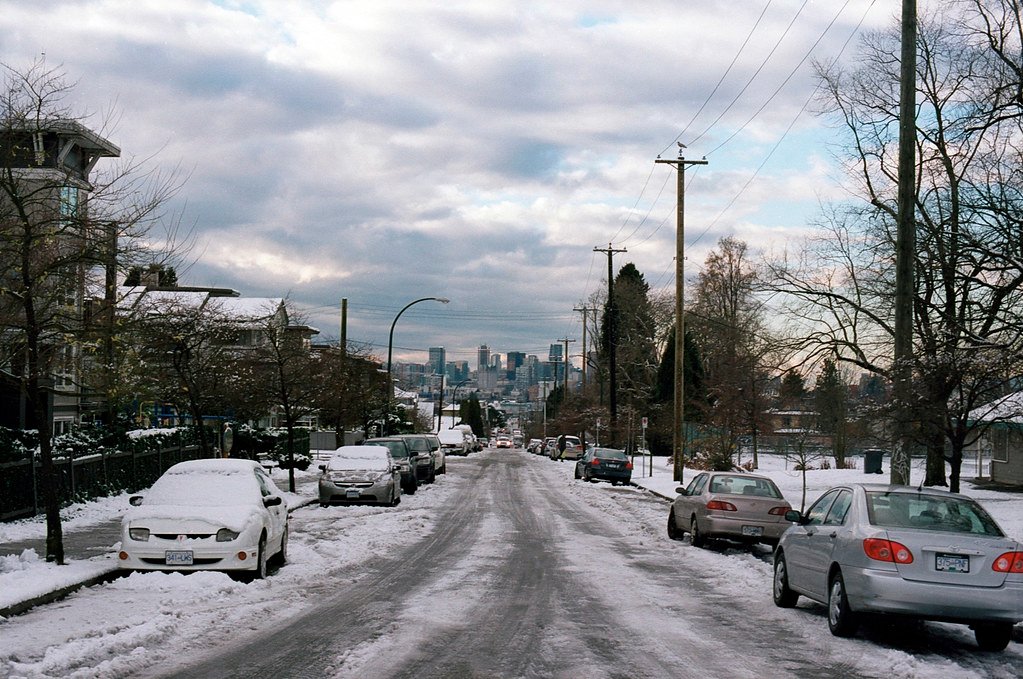
Featured photo: cclogg via Openverse (CC0).