On this page
Birdwatching for beginners starts with three things: a pair of binoculars, a regional field guide or bird ID app, and a habit of watching the birds near you. Begin in your yard or a local park, learn a few common species well, and build up from there. You need very little gear and no special skill to start.
Birdwatching, often called birding, is one of the easiest outdoor hobbies to pick up. You can do it on a lunch break, on a hike or from a kitchen window, and it gets more rewarding the more you notice. This guide explains the gear you actually need, how to identify birds, when and where to look, and how to watch birds responsibly.
Key takeaways
- You only need binoculars and a field guide or app to begin. Many beginners start with their phone and borrowed binoculars.
- Learn to identify birds by size, shape, behavior, habitat and sound, not just color.
- Early mornings and spring and fall migration are often the most active times.
- Start with a local patch you can visit often, then branch out to parks, wetlands and coasts.
- Put the birds’ welfare first: keep your distance, stay on paths and avoid disturbing nests.
How do you start birdwatching as a beginner?
To start birdwatching as a beginner, get a pair of binoculars, pick a field guide or bird ID app for your region, and spend a few minutes each day watching birds near home. Focus on learning a handful of common species well. Then visit local parks, join a guided walk and keep simple notes of what you see.
A simple first month plan looks like this:
- Spend ten minutes a day watching birds from a window, yard or balcony.
- Learn the five or six most common birds in your area by sight.
- Practice finding birds quickly with your binoculars.
- Visit one park, lake or green space each week.
- Join a local bird walk run by a nature group or wildlife trust.
- Start a simple list of the species you identify.
Birdwatching pairs well with other easy outdoor pursuits. If you are looking for more ideas, our guide to beginner outdoor activities to try has plenty.
What equipment do you need for birdwatching?
The equipment you need for birdwatching is a pair of binoculars and a way to identify what you see, either a printed field guide for your region or a bird ID app. A notebook, comfortable outdoor clothing and water complete the kit. Spotting scopes and cameras are optional extras for later.
| Item | Why it helps | Beginner note |
|---|---|---|
| Binoculars | Bring birds close enough to see field marks | Borrow a pair first if you can |
| Field guide | Shows species, ranges and key features | Choose one for your region |
| Bird ID app | Helps with photos and sounds | Free options exist |
| Notebook or app list | Records what, where and when | Builds your skills fast |
| Outdoor clothing | Keeps you comfortable while standing still | Muted colors, layers |
| Spotting scope | Useful for distant waterbirds | Optional, later purchase |
| Camera | Helps confirm IDs afterward | Optional |
How to choose binoculars for birdwatching
Binoculars are described by two numbers, such as 8×42. The first is magnification: 8x makes a bird look eight times closer. The second is the diameter of the front lenses in millimeters, which affects how much light comes in. Many birders favor around 8x magnification because it gives a wider, steadier view, which makes moving birds easier to find.
When comparing binoculars, consider:
- Magnification: higher numbers show more detail but are harder to hold steady.
- Lens size: larger lenses gather more light but add weight.
- Close focus: useful for birds nearby in bushes or at feeders.
- Weight and comfort: you will carry them for hours.
- Eye relief: important if you wear glasses.
- Waterproofing: helpful for rain, mist and boat trips.
Try binoculars in a store if possible, and look at something moving to see how easy they are to follow it.
Tip: Keep your eyes on the bird and lift the binoculars into your line of sight, instead of searching through the binoculars. It is the fastest way to find a bird.
How do you identify birds?
You identify birds by noticing several clues together: size, overall shape, behavior, habitat, field marks such as wing bars or eye rings, and sound. Color helps, but light and distance can change how colors look. Compare what you see with a regional field guide or app, and consider which species are likely in that place and season.
Size and shape
Compare a new bird with ones you know. Is it sparrow sized, robin sized, crow sized or bigger? Look at the bill shape, tail length and overall build. Shape often narrows things down before color does.
Behavior
How the bird moves is a strong clue. Does it hop on the ground, creep up tree trunks, hover, plunge into water or soar in circles? Woodpeckers, swallows, ducks and hawks all move differently.
Habitat and season
Where you are matters. Wetland birds, forest birds and grassland birds rarely swap places. Many species also come and go with the seasons, so a field guide’s range maps are useful.
Field marks
Field marks are distinctive features: wing bars, eye rings, stripes on the head, tail patterns or patches of color. Note two or three before the bird flies away.
Sound
Many birds are easier to hear than see. Learning a few common songs and calls helps you find and identify birds, especially in leafy woods. Bird ID apps that record sound can suggest matches, but treat them as hints and confirm by sight when you can.
When is the best time to go birdwatching?
The best time to go birdwatching is usually early morning, when many birds are actively feeding and singing. Late afternoon can also be good. Seasonally, spring and fall migration often bring the widest variety, while spring is peak singing season. Winter can be excellent for waterbirds and for birds visiting feeders.
- Morning: birds are often most active in the first few hours after sunrise.
- Midday: activity often drops, especially in heat, but raptors may soar on rising air.
- Evening: good for waterbirds coming to roost, and for owls at dusk in some areas.
- Spring: migrants pass through and breeding birds sing.
- Summer: nesting season, with young birds to watch from a respectful distance.
- Fall: migration again, often with large flocks.
- Winter: ducks, geese and feeder birds can be easier to see with bare trees.
Weather matters too. Calm, dry mornings tend to be best. Strong winds and heavy rain make birds hard to see and hear.
Where should beginners go birdwatching?
Beginners should go birdwatching close to home first: a yard, balcony, local park, cemetery, lake or river path. Then try nature reserves, wetlands, coasts and woodland trails, which attract different species. Places where habitats meet, such as a woodland edge beside a pond, often hold the most variety.
Good places to try:
- Your yard or window: a feeder and a water source can bring birds to you.
- City parks: easy to reach and often busier with birds than you might expect.
- Lakes and wetlands: great for ducks, herons and shorebirds.
- Coasts and estuaries: gulls, terns and shorebirds, especially around tides.
- Woodlands: songbirds and woodpeckers, often heard before seen.
- Nature reserves and wildlife refuges: many have hides, blinds and trails.
How to plan a short birding outing
A first outing does not need to be long. One or two hours at a single site is plenty. Check the weather, pack water, a snack, a warm layer and sun protection, and wear comfortable shoes for standing and slow walking. Look up the site’s opening hours and any rules about dogs, parking or closed areas during nesting season. Walk slowly, stop often, and spend a few minutes listening at each stop before you move on. Afterward, write down what you saw while it is fresh, including any birds you could not identify, so you can look them up at home.
Birding can also be part of other activities. You can watch for herons and kingfishers from the water, as covered in kayaking for beginners and stand up paddleboarding for beginners, or stop to look and listen on rides, as in how to start cycling outdoors.
How do you birdwatch responsibly?
Birdwatching responsibly means putting the birds’ welfare first. Keep a respectful distance, avoid flushing birds, never disturb nests or young, stay on paths, respect private property and follow local rules. Use bird song playback sparingly, if at all, and never in sensitive breeding areas. If a bird changes its behavior because of you, back away.
Simple rules to follow:
- Watch from a distance with binoculars rather than moving closer.
- Stay on marked trails and boardwalks.
- Avoid nests, roosts and breeding colonies.
- Keep dogs on a leash where birds are nesting.
- Do not feed wild birds in parks unless it is allowed.
- Report injured birds to a local wildlife rehabilitation group instead of handling them.
Groups such as the American Birding Association publish birding ethics codes. In the UK, the RSPB offers guidance, and organizations such as Birds Canada and BirdLife Australia provide similar resources.
Tip: Muted clothing and slow, quiet movement help you see more birds and disturb them less.
How do you get better at birdwatching?
You get better at birdwatching by going often, keeping notes, learning sounds, and birding with more experienced people. Repeated visits to one local patch teach you what is normal, so new birds stand out. Guided walks, local clubs and community science projects speed up learning and make the hobby more social.
Ways to build skill:
- Keep a list: note species, place, date and numbers. Over time you will see seasonal patterns.
- Study before you go: look up which birds are likely at a site in that season.
- Learn sounds gradually: a few common songs each season.
- Join a group: local Audubon chapters in the US, wildlife trusts in the UK and naturalist clubs elsewhere often run beginner walks.
- Try community science: projects such as bird counts and online checklists let you share sightings that help researchers.
- Sketch or photograph: even rough sketches help you notice details.
Time outdoors watching birds is also a calm way to slow down, which links to the wider benefits described in why time outdoors is good for you.
What are common birdwatching mistakes beginners make?
Common birdwatching mistakes beginners make include relying only on color, trying to learn every species at once, moving too fast and noisily, searching through binoculars instead of spotting the bird first, ignoring sounds, and getting too close to birds or nests. Slowing down and focusing on a few common birds fixes most of them.
- Color only: light and distance change colors, so check shape and behavior.
- Too much at once: start with common local birds.
- Rushing: stand still and let birds come into view.
- Binocular hunting: find the bird with your eyes first.
- Ignoring sound: many birds give themselves away by calling.
- Getting too close: use your optics, not your feet.
- Not checking range maps: a rare look alike is less likely than the common bird.
Frequently asked questions
What is the difference between birdwatching and birding?
The terms are often used interchangeably. Birdwatching sometimes describes relaxed watching, while birding can suggest a more active pursuit of finding and identifying species, including by sound. In practice, both mean enjoying and learning about wild birds, and beginners can use whichever word they prefer.
Do I need expensive binoculars to start birdwatching?
No. A basic pair of binoculars is enough to start, and many beginners borrow a pair first. Look for comfortable weight, a magnification around 8x and clear, bright views. You can upgrade later once you know how you birdwatch and what features matter to you, such as close focus or waterproofing.
How can I attract birds to my yard?
Offer food, water and shelter. A clean feeder with seed suited to local birds, a shallow birdbath and native plants that provide cover and natural food all help. Keep feeders and water clean to reduce disease, place them where cats cannot ambush birds, and follow local guidance on feeding wildlife.
What is the best app for identifying birds?
Several free apps help with bird identification by photo, description or sound, and many regional field guides now come as apps too. Choose one that covers your region and works offline if you bird in remote places. Use app suggestions as a starting point and confirm by checking shape, behavior and habitat.
Sources and further reading
- Cornell Lab of Ornithology: All About Birds
- National Audubon Society
- RSPB
- American Birding Association
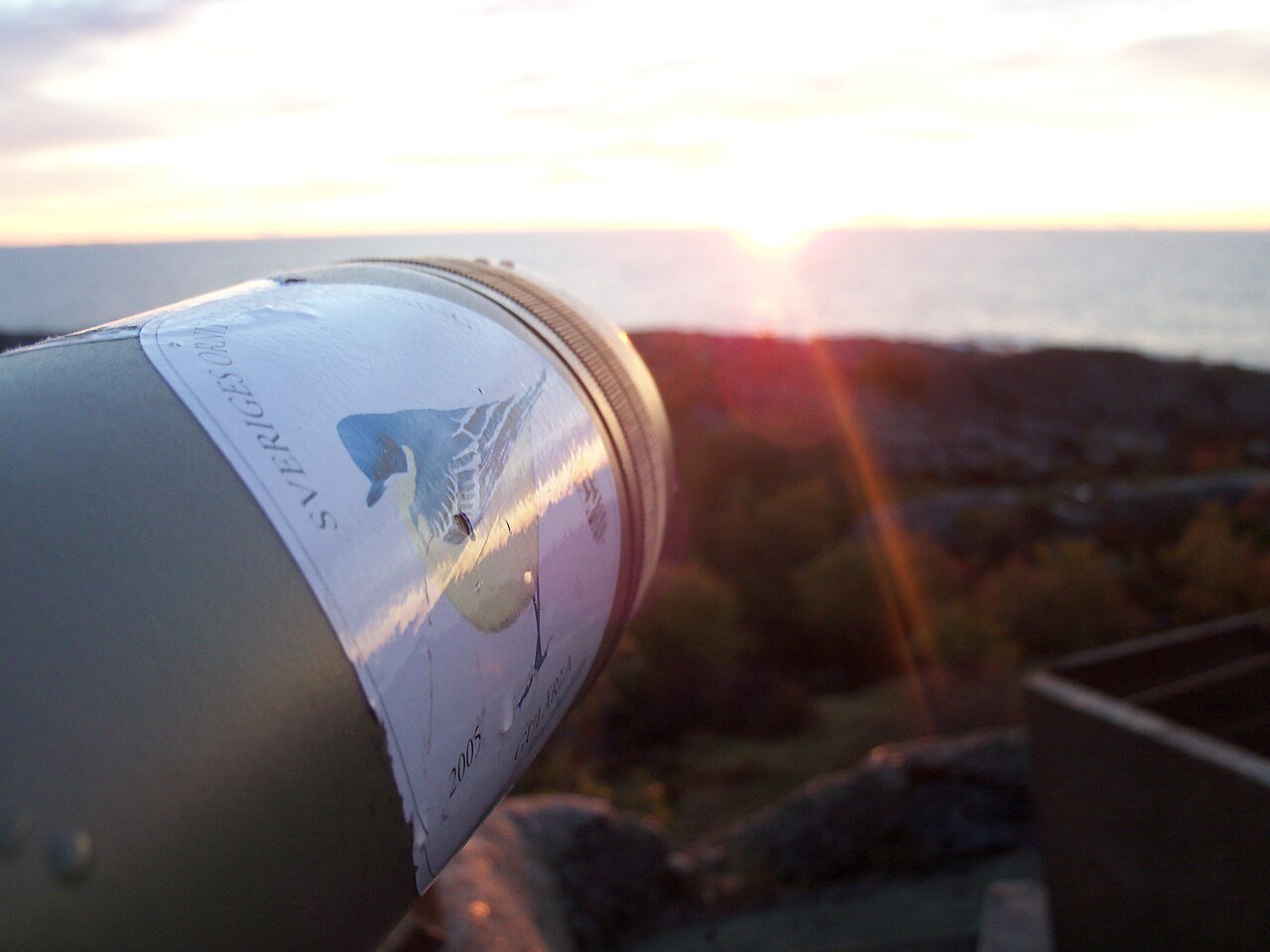
Featured photo: Calandrella via Openverse (CC0).