On this page
To stay hydrated during outdoor activities, start well hydrated, carry more water than you think you need, drink small amounts regularly rather than waiting for thirst, and replace salt as well as water when you sweat heavily for a long time. Then watch your body for early signs that you are falling behind.
Hydration sounds simple, but it changes with heat, humidity, altitude, cold and how hard you are working. This guide explains how to plan water for walks, hikes, bike rides and long days outside, how to tell if you are drinking enough, when electrolytes help, and when dehydration or heat illness needs urgent care.
Key takeaways
- Drink before you head out, sip regularly during activity and rehydrate afterward.
- Plan water by time, temperature and effort, and know where you can refill.
- Thirst, dark urine, headache and unusual tiredness are early signs you need more fluid.
- On long, sweaty days, replace salts with food or an electrolyte drink, not just plain water.
- Drinking far more than you sweat can also be harmful, so aim for steady, not excessive.
- Confusion, fainting or hot, red skin in the heat are emergencies. Call for help right away.
Why does hydration matter during outdoor activities?
Hydration matters during outdoor activities because your body loses water through sweat and breath, and even a modest shortfall can leave you tired, headachy, dizzy and less steady on your feet. In heat, dehydration also raises the risk of heat illness. Good hydration keeps energy, focus and temperature control working the way they should.
When you move outdoors, three things drain fluid faster than you might expect:
- Sweat. Heat, humidity, sun and hard effort all increase sweating. Some people sweat much more than others.
- Breathing. Dry air, cold air and high altitude increase water lost through breath.
- Wind and sun. Both can dry sweat quickly, so you may not notice how much you are losing.
Many of the benefits people get from time outside, such as better mood and energy, depend on feeling good while you are out there. If you want more background, see why time outdoors is good for you.
How much water should you drink when you are active outside?
How much water you need when active outside depends on temperature, humidity, effort, duration and your own sweat rate, so there is no single number that fits everyone. A practical approach is to drink before you start, sip at regular intervals while moving and adjust using thirst, urine color and how you feel. Hot, long days need noticeably more.
Instead of a fixed target, use these factors to plan:
| Factor | Effect on water needs | What to do |
|---|---|---|
| Hot or humid weather | Much higher sweat loss | Carry extra water and plan shade breaks |
| Cold or dry air | Thirst feels weaker, losses still real | Drink on a schedule, use insulated bottles |
| High altitude | More water lost through breathing | Sip more often and pace yourself |
| Hard effort or climbs | Higher sweat rate | Drink at the top of climbs and on breaks |
| Long duration | Losses add up | Plan refill points or carry more |
| Sun exposure | Raises body temperature | Seek shade, cover up, drink regularly |
How can you estimate your own needs?
One simple method is to weigh yourself before and after a typical outing in similar conditions. A lower weight afterward mostly reflects fluid you did not replace. Over time, this shows whether you tend to under drink. Some sports dietitians and coaches use this approach. If you have a heart or kidney condition or take medication that affects fluid balance, ask your doctor for personal advice.
Tip: Set a gentle reminder, such as a sip at every trail junction or every time you stop to look at the view. Small, regular sips are easier on your stomach than large gulps.
How do you plan water for a walk, hike or ride?
Planning water for a walk, hike or ride means estimating how long you will be out, how hot it will be and where you can refill, then carrying enough to reach each refill point with a margin. Do not count on fountains, streams or shops unless you know they are open and reliable. Always pack a little extra.
Use this planning routine:
- Check the forecast for temperature, humidity and sun.
- Estimate how many hours you will be active, including breaks and the return trip.
- Find reliable refill points: fountains, visitor centers, cafes or treated water sources.
- Decide what you will carry: bottles, a hydration bladder or both.
- Add a margin for delays, wrong turns or a hotter day than forecast.
- If you will rely on natural water, bring a way to treat it.
Never drink untreated water from streams or lakes. Our guide on how to purify water in the backcountry covers filters, chemical treatment and boiling.
Bottles or a hydration bladder?
| Option | Pros | Cons | Best for |
|---|---|---|---|
| Water bottles | Easy to refill, clean and track how much is left | You stop to drink | Walks, short hikes, travel |
| Hydration bladder | Hands-free sipping encourages regular drinking | Harder to clean and see how much is left | Long hikes, cycling, trail running |
| Insulated bottle | Keeps water cool in heat, slows freezing in cold | Heavier | Hot days and winter outings |
| Collapsible bottle | Packs flat when empty | Less durable | Travel and backup water |
For short walks, a single bottle often does the job. If you are building a kit, our walking gear checklist for beginners shows where water fits with other basics.
What are the signs of dehydration outdoors?
Common signs of dehydration outdoors include thirst, a dry mouth, dark yellow urine or urinating less often, headache, tiredness, dizziness and muscle cramps. These signs can creep up slowly, especially when you are busy or distracted. Treat them as a cue to stop, rest in shade, drink and eat something salty.
Check in with yourself during breaks:
- Urine color. Pale straw is a good general sign. Dark yellow suggests you need more fluid.
- Frequency. Going much less often than usual can mean you are behind.
- Energy and mood. Unusual tiredness, irritability or trouble concentrating can be early signals.
- Head and balance. Headache or lightheadedness when standing up is worth taking seriously.
Children and older adults may not notice or report thirst as clearly, so check on them often.
When should you use electrolytes instead of plain water?
Electrolytes, especially sodium, are lost in sweat. For short, easy outings, plain water and normal meals usually cover your needs. For long, hot or very sweaty activities, replacing salts with salty snacks or an electrolyte drink helps your body hold on to fluid and lowers the risk of cramps and low sodium levels.
Ways to replace electrolytes on a long day:
- Eat salty snacks such as pretzels, crackers, nuts or cheese.
- Use an electrolyte drink or tablet according to its label.
- Have a proper meal before and after long activity.
- Include water-rich foods such as fruit.
Can you drink too much water?
Yes. Drinking very large amounts of plain water over a long period, without replacing salt, can dilute sodium in the blood. This condition is called hyponatremia and can be serious. It is most often linked to long endurance events and very hot conditions. The safer approach is steady drinking matched to thirst and sweat, plus salty food or electrolytes on long days. Symptoms such as confusion, nausea and severe headache need medical help.
Tip: If your hands or fingers feel puffy and you have been drinking a lot of plain water on a long day, ease off the water and eat something salty.
How do you stay hydrated in hot weather?
Staying hydrated in hot weather means drinking more often, starting early in the day, resting in shade, covering up from the sun and replacing salts on long outings. Heat makes you sweat faster, and dehydration makes it harder for your body to cool down. Cut your plans short if the heat feels too much.
Hot weather habits that help:
- Plan activity for early morning or evening when it is cooler.
- Drink before you leave and carry extra water.
- Take regular breaks in shade.
- Wear light, loose clothing and a hat. See our guide to sun safety for outdoor activities.
- Wet a bandana or hat to help with cooling.
- Turn back early if you are running low on water.
For trail-specific advice, read heat safety for hikers.
What are the warning signs of heat illness?
Heat exhaustion can cause heavy sweating, cool and clammy skin, nausea, cramps, weakness, dizziness, headache and fainting. Move to a cool place, loosen clothing, sip water and rest. Get medical help if symptoms get worse or last more than an hour, or if the person is vomiting.
Heat stroke is a medical emergency. Signs include a very high body temperature, hot red skin that may be dry or damp, confusion, slurred speech and loss of consciousness. Call 911 or your local emergency number right away and cool the person while you wait. The CDC has guidance on recognizing heat illness.
How do you stay hydrated in cold weather?
Staying hydrated in cold weather is easy to overlook because you feel less thirsty and may not notice sweat under layers. Cold, dry air and hard effort still draw water from your body. Drink on a schedule, carry warm drinks in an insulated bottle, and keep water from freezing by storing it close to your body.
Cold weather tips:
- Fill bottles with warm water before you leave.
- Carry bottles inside your pack or jacket, or use insulated covers.
- Have a warm drink at breaks. It helps hydration and comfort.
- Remove layers before you sweat heavily, so less fluid is lost.
- Remember that you still need to drink even when you do not feel hot.
What are common hydration mistakes outdoors?
Common hydration mistakes outdoors are starting the day already thirsty, carrying too little water, waiting until you are very thirsty to drink, relying on uncertain refill points and drinking only plain water on long, sweaty days. Most of these are easy to fix with a little planning before you leave home.
Avoid these:
- Skipping water before you start. Drink with breakfast or before you set out.
- Underestimating the day. A short walk can become a long one in heat or on a new route.
- Drinking only when very thirsty. By then you are often behind.
- Counting on a fountain or stream. It may be off, dry or unsafe.
- Ignoring salt on long days. Plain water alone can leave you depleted.
- Forgetting children and pets. They need water and breaks too.
- Overdoing it. Drinking huge amounts quickly is not better than steady sips.
How can you build better hydration habits?
Better hydration habits come from small routines you repeat: keeping a bottle with you, drinking with every meal, refilling at every opportunity and checking urine color during the day. When these habits are part of normal life, outdoor activities start with your body already in a good place, and you need less catch up on the trail.
Simple habits to try:
- Keep a filled bottle by the door with your keys or shoes.
- Drink a glass of water with each meal.
- Refill whenever you pass a reliable tap.
- Pack water before any outing, even a short one.
- Rehydrate and eat after you get home.
If you are trying to spend more time outside, pairing these with other easy routines helps. See outdoor habits for busy people and our guide on how to get outside more often for your next step.
Frequently asked questions
How do I know if I am drinking enough water outdoors?
You are likely drinking enough if you urinate regularly and your urine is pale straw colored, and you feel steady, alert and free of headaches. Dark yellow urine, strong thirst, dizziness or unusual tiredness suggest you need more fluid. Check in at breaks rather than waiting until the end of your outing.
Is it better to drink water before or during exercise outside?
Both matter. Drinking before you head out means you start hydrated, and sipping regularly during activity helps you keep up with sweat losses. Drinking afterward helps you recover. Small, regular sips are usually easier on your stomach than large amounts at once, especially when you are moving or the weather is hot.
Do I need sports drinks for a short walk or hike?
For short, easy walks and hikes in mild weather, plain water and your normal meals are usually enough. Sports or electrolyte drinks are more useful on long, hot or very sweaty outings, when you lose more salt. Salty snacks can also do the job. Read labels, since some sports drinks contain a lot of sugar.
Can you get dehydrated in cold weather?
Yes, you can get dehydrated in cold weather. Cold air is often dry, you still sweat under layers, and your sense of thirst can be weaker. People may also drink less because water is cold or frozen. Drink on a schedule, carry warm drinks in an insulated bottle and remove layers before you sweat heavily.
What should I do if someone shows signs of heat stroke?
Heat stroke is a medical emergency. Call 911 or your local emergency number right away. Move the person to shade or a cool place, remove extra clothing and cool them with water, wet cloths or fanning while you wait. Do not give fluids to someone who is confused or not fully alert.
Sources and further reading
- Centers for Disease Control and Prevention for heat illness warning signs and first steps.
- National Weather Service for heat forecasts and advisories.
- National Park Service for park-specific water and safety information.
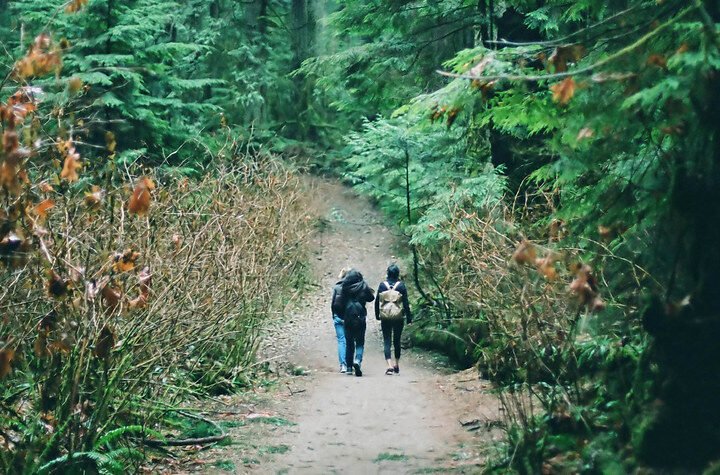
Featured photo: Amraepowell via Openverse (CC0).