On this page
The best fall camping tips focus on staying warm at night, planning around shorter days and preparing for fast weather changes. Bring a sleeping bag and pad rated for colder temperatures than the forecast, pack warm layers and a headlamp, check campground opening dates, and set up camp well before dark. With those basics covered, fall can be one of the most rewarding times to camp.
Below are practical tips grouped by planning, gear, campsite, food, safety and comfort. You will also find a fall camping checklist table and the common mistakes that make autumn nights miserable.
Key takeaways
- Nights can be much colder than days in fall. Plan your sleep system for the overnight low, not the daytime high.
- Daylight is shorter. Arrive early, set up before dark and carry a headlamp with spare power.
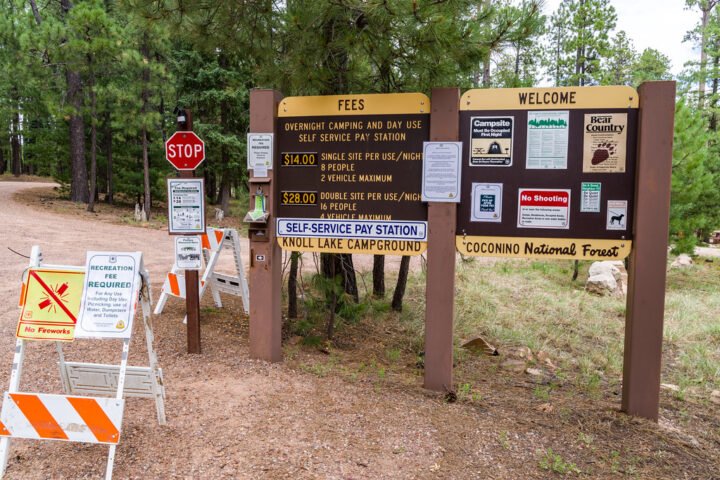
- Check campground seasons, fire restrictions and reservation rules, since many sites close or change after summer.
- Layer clothing so you can adjust as temperatures swing through the day.
- Expect condensation and damp mornings. Ventilate your tent and keep spare dry clothes.
- In areas open to hunting, wear bright colors, especially blaze orange, and stay on marked trails.
Why go camping in the fall?
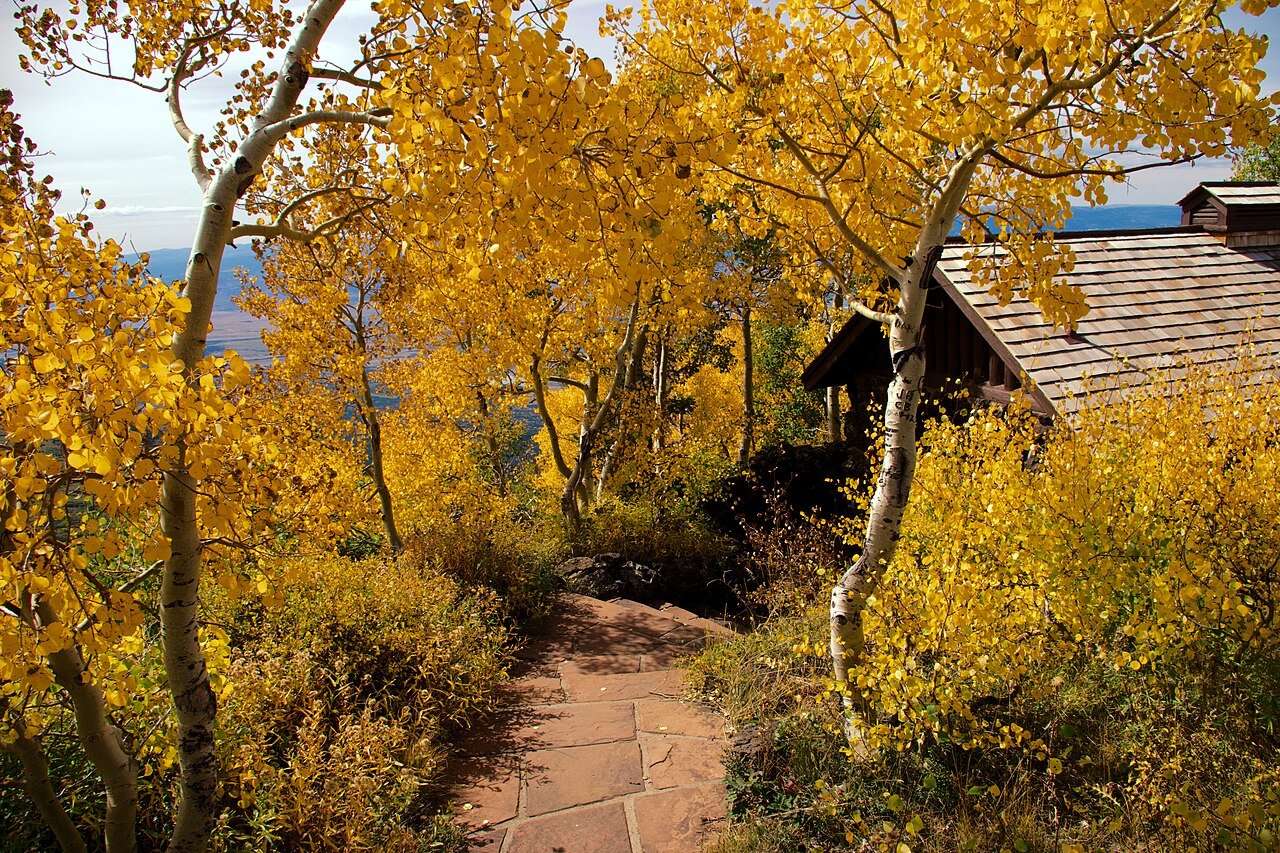
Fall camping offers cooler hiking weather, fewer insects in many areas, colorful foliage and quieter campgrounds once the summer crowds leave. The trade-offs are colder nights, shorter days and more changeable weather. With the right sleeping gear and a little planning, fall is one of the most comfortable seasons for camping.
Many campers find fall a sweet spot between summer heat and winter cold. Hiking in mild temperatures is easier on the body, campfires feel welcome again, and wildlife can be more visible as animals prepare for winter.
The key difference from summer is the margin for error. A forgotten jacket on a summer night is uncomfortable. On a fall night it can be a real problem. If you usually camp in warm weather, compare these tips with our summer camping tips to see what changes.
How do you plan a fall camping trip?
Plan a fall camping trip by checking campground opening dates, the overnight low forecast, sunset time and any fire restrictions before you go. Many campgrounds close or reduce services after the summer season, and weather can shift quickly. Build in flexibility so you can change dates or locations if a cold front moves in.
1. Check campground seasons and services
Many campgrounds, especially at higher elevations, close for the season or shut off water and restrooms in fall. Check the official website for the park, forest or campground before you leave. The National Park Service and Recreation.gov list operating seasons for many federal sites.
2. Watch the overnight forecast
Look specifically at the overnight low for your campsite, not just the nearest town. Elevation, valleys and nearby water can make camp colder than the forecast suggests. The National Weather Service offers point forecasts you can check for a specific location.
3. Know your sunset time
Days get noticeably shorter through the fall. Plan your drive, hike and setup so you arrive with plenty of daylight left.
4. Check fire restrictions
Dry fall conditions can bring fire bans or restrictions in some regions. Check with the land manager before planning a campfire.
5. Plan for hunting season
Fall is hunting season in many public lands. Learn which areas allow hunting and when. In those areas, wear bright colors and keep pets visible.
6. Have a backup plan
If a storm or sharp cold snap appears in the forecast, be ready to shift to a lower elevation, a different weekend or a cabin. Our guide on how to prepare for changing trail weather explains how to read forecasts and set turnaround points.
What gear do you need for fall camping?
For fall camping, you need a sleeping bag rated below the expected overnight low, an insulated sleeping pad, warm layers including a hat and gloves, a rain jacket, a reliable headlamp and a tent that handles wind and rain. Warm sleep is the priority. Most other fall gear is about staying dry and adjusting to temperature swings.
| Gear | What to look for in fall |
|---|---|
| Sleeping bag | Comfort rating below the forecast low |
| Sleeping pad | Higher R-value to block cold from the ground |
| Tent | Good rainfly coverage, sturdy poles, ventilation |
| Base layers | Merino or synthetic for sleeping and hiking |
| Insulation | Fleece or puffy jacket for evenings |
| Rain gear | Waterproof jacket and pants |
| Accessories | Warm hat, gloves, warm socks |
| Lighting | Headlamp with spare batteries or a charged power bank |
| Camp comfort | Camp chair, blanket, hot drinks |
7. Choose a sleeping bag for the overnight low
Pick a bag with a comfort rating at or below the coldest night you expect. Our guide to sleeping bag temperature ratings explains how to read comfort and limit ratings.
8. Upgrade your sleeping pad
Cold ground pulls warmth from your body. A pad with a higher R-value makes a big difference in fall. See sleeping pad R-value explained for how insulation ratings work.
9. Use a three-season tent with good ventilation
Most fall trips are well within the range of a three-season tent. Our comparison of three-season vs four-season tents explains when you might need more.
How do you dress for fall camping?
Dress for fall camping in layers you can add and remove quickly: a moisture-wicking base layer, an insulating midlayer such as fleece or a puffy, and a waterproof shell. Add a warm hat, gloves and wool or synthetic socks. Avoid cotton, which stays wet and cold. Swap into dry clothes for sleeping.
10. Layer for big temperature swings
Fall mornings can be frosty and afternoons surprisingly warm. Start the day in layers and shed them as you warm up, then add them back before you get cold. Our guide to outdoor clothing layering basics explains each layer.
11. Keep a dedicated set of sleep clothes
Change into dry base layers and socks before bed. Clothes you wore all day hold sweat and moisture that chill you overnight.
12. Bring a warm hat and gloves
Even if days feel mild, a hat and gloves make evenings by the fire and early mornings much more comfortable.
Tip: Put tomorrow’s clothes inside your sleeping bag or under your pad overnight. They will be warm when you get dressed in the morning.
How do you stay warm at night when fall camping?
Stay warm at night when fall camping by insulating yourself from the ground, wearing dry layers, eating a warm meal before bed and staying hydrated. Use a sleeping bag rated for the overnight low, wear a hat, and keep your tent ventilated to reduce condensation. A warm water bottle in a sock at your feet adds comfort.
13. Eat and drink something warm before bed
A warm dinner and a hot drink help you start the night comfortable. A small snack before sleeping can also help.
14. Use a hot water bottle
Fill a sturdy, leak-proof bottle with hot water, close it tightly, wrap it in a sock and place it in your sleeping bag. Check the bottle can safely hold hot liquids first.
15. Do not go to bed cold
Do a few minutes of light movement, such as a short walk around camp, before getting into your bag. It is easier to stay warm than to warm up.
16. Vent your tent
It feels backward, but opening vents reduces condensation, which can make you colder and dampen your sleeping bag.
For more ideas, see our full guide on how to stay warm while camping.
How do you choose a campsite in the fall?
Choose a fall campsite that is sheltered from wind, slightly raised to avoid cold air and water pooling, and clear of dead branches overhead. Look for spots that get morning sun to warm and dry the tent. Avoid low valley floors and the edges of lakes on cold nights, where cold air settles.
17. Avoid cold air pockets
Cold air sinks and collects in low areas. A site slightly up a slope is often warmer than the bottom of a valley.
18. Look up
Fall winds can bring down dead branches. Avoid pitching under damaged trees or hanging limbs.
19. Find morning sun
An east-facing site catches early sun, which helps dry dew and frost from your tent.
20. Watch for hidden hazards under leaves
Fallen leaves can hide roots, rocks and holes. Clear your tent site carefully before pitching.
Our guide on how to choose a campsite covers site selection in more depth.
What should you cook on a fall camping trip?
Cook warm, filling meals on a fall camping trip, such as soups, stews, chili, pasta and one-pot dishes, plus hot drinks morning and evening. Plan meals you can prepare quickly before dark, and keep the stove somewhere sheltered from wind. Warm food helps you stay comfortable as temperatures drop.
21. Plan simple hot meals
One-pot meals are easy to make and clean up in the dark. Prep ingredients at home to save time.
22. Start dinner early
With early sunsets, cooking and cleaning before dark makes camp much easier.
23. Protect your stove from wind
Wind slows cooking and wastes fuel. Use the stove’s windscreen if it has one, or a natural windbreak, and never cook inside a tent.
24. Store food properly
Many animals are actively feeding in fall as they prepare for winter. Follow local food storage rules, which may require bear-resistant containers or lockers.
Our camping kitchen checklist helps you pack everything you need.
How do you stay safe while camping in the fall?
Stay safe while fall camping by preparing for cold, wet weather, carrying a headlamp, wearing bright colors during hunting season and storing food properly. Know the signs of hypothermia, which can occur even above freezing in wet, windy conditions. Tell someone your plans and check weather updates before heading out.
- Cold and wet weather: Hypothermia can happen in cool, wet conditions, not just in winter. Learn the signs in our guide on how to prevent hypothermia on the trail.
- Hunting season: In areas where hunting is allowed, wear blaze orange or other bright colors, including on dogs.
- Wildlife: Store food securely and give animals space. Our guide to wildlife safety on the trail explains what to do in an encounter.
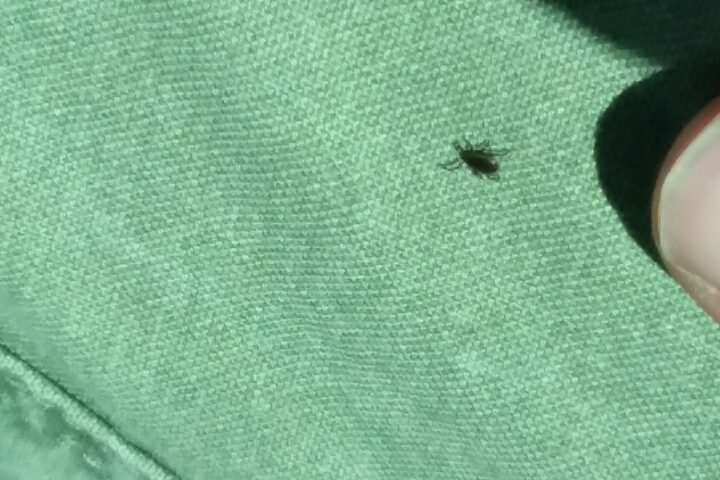
- Ticks: Ticks can still be active on mild fall days. Check yourself after walks.
- Darkness: Carry a headlamp and spare power at all times.
- Slippery ground: Wet leaves and frosty rocks can be slick.
Common fall camping mistakes
The most common fall camping mistakes are underestimating overnight cold, bringing a summer sleeping bag, arriving after dark, relying on cotton clothing and forgetting to check campground closures. Others include ignoring condensation and skipping bright clothing in hunting areas. Each is easy to avoid with a little planning before you leave.
- Packing a summer sleeping bag for a cold fall night
- Using a thin pad on cold ground
- Wearing cotton that stays damp
- Arriving at camp after sunset
- Not checking if the campground is still open
- Sealing the tent completely and waking to soaked walls
- Forgetting a warm hat and gloves
- Skipping bright clothing in hunting areas
Tip: Pack one more warm layer than you think you will need. In fall, an extra fleece or puffy adds little weight and can rescue a cold evening.
Fall camping checklist
A fall camping checklist should cover shelter, sleep, clothing, cooking, light and safety. Focus on warm sleep, dry layers and reliable lighting, because those three areas make the biggest difference to comfort as days shorten and nights cool. Use the list below to check your gear before you go.
- Tent with rainfly and stakes
- Sleeping bag rated below the overnight low
- Insulated sleeping pad
- Base layers, midlayer and waterproof shell
- Warm hat, gloves and spare socks
- Headlamp with spare batteries or charged power bank
- Stove, fuel, lighter and cookware
- Warm drinks and easy hot meals
- Bright clothing for hunting areas
- First aid kit and map
- Camp chair or sit pad
If you are combining camping with day hikes, read our fall hiking tips. And when the seasons turn again, our guide to spring hiking, mud, snowmelt and trail conditions helps you plan for the thaw.
Frequently asked questions
How cold is too cold for fall camping?
How cold is too cold for fall camping depends on your gear and experience. If your sleeping bag and pad are rated for the overnight low and you have dry layers, you can camp comfortably near freezing. If your gear is rated for summer, a cold fall night can be miserable or unsafe. Match your gear to the forecast.
What sleeping bag rating do I need for fall camping?
Choose a sleeping bag with a comfort rating at or below the coldest overnight temperature you expect. Fall nights vary widely by location and elevation, so check the forecast for your campsite. Pair the bag with an insulated sleeping pad, because the ground can pull away warmth even with a warm bag.
How do you keep your tent dry in the fall?
Keep your tent dry in the fall by opening vents to reduce condensation, pitching on slightly raised ground, using a footprint that does not stick out past the rainfly, and keeping wet gear outside the inner tent. In the morning, shake off dew and let the tent dry in the sun before packing.
Is fall a good time to go camping?
Fall is a great time to go camping for many people. Cooler temperatures make hiking comfortable, insects are often fewer, foliage can be beautiful and campgrounds are usually quieter. The trade-offs are colder nights, shorter days and changeable weather, so pack warmer gear and plan around daylight.
What should you wear to sleep when camping in the fall?
Wear clean, dry base layers made of merino wool or synthetic fabric, warm socks and a hat to sleep when camping in the fall. Avoid sleeping in the clothes you wore all day, which hold moisture. Too many bulky layers can compress your sleeping bag, so wear enough to be warm without crushing the insulation.
Sources and further reading
Featured photo: Mike Goad via Openverse (CC0).