On this page
To train for your first big hike, build endurance with regular walking and cardio, strengthen your legs and core twice a week, and do weekly practice hikes that slowly get longer, hillier and heavier. Start six to twelve weeks out, increase the load gradually, and finish with an easy week so you arrive rested.
A big hike asks more of your body than a stroll in the park. Long climbs, uneven ground, a loaded pack and several hours on your feet all add up. The good news is that most healthy beginners can prepare with simple, steady training. If you are still learning the basics, start with our beginner hiking guide, then use this plan to get ready for your goal hike.
Key takeaways
- Start training six to twelve weeks before your big hike, depending on your current fitness and the hike’s difficulty.
- Combine three kinds of training: endurance, strength and practice hikes on real terrain.
- Increase distance, elevation and pack weight slowly, one at a time.
- Train in the boots, socks and pack you plan to use on the day.
- Rest days and an easy final week help your body adapt and reduce injury risk.
- Check with a doctor first if you have a health condition or have been inactive for a long time.
What are the steps to train for a big hike?
The steps to train for a big hike are: define your goal hike, assess your current fitness, set a training timeline, build endurance, add strength work, do weekly practice hikes, train with your gear, practice pacing and fueling, and taper before the day. Following them in order makes training safer and helps you arrive confident.
- Define your goal hike: distance, elevation gain, terrain and expected time.
- Assess your starting fitness with a test walk or short hike.
- Set a timeline of six to twelve weeks.
- Build endurance with walking, cycling or other steady cardio.
- Add leg, hip and core strength work twice a week.
- Do one practice hike each week that slowly grows in difficulty.
- Train with your real boots, socks and pack.
- Practice pacing, breaks, eating and drinking on the move.
- Taper with an easier final week, then rest before the hike.
The sections below explain each step and include a sample weekly plan.
Step 1: How do you define your goal hike?
Defining your goal hike means writing down its distance, total elevation gain, terrain, likely weather and the time it should take. These numbers shape your training. A long flat walk needs mostly endurance, while a steep mountain trail needs climbing strength and practice on descents. Find these details on official park pages, maps or trail guides.
Note these details:
- Distance: Total miles or kilometers, round trip.
- Elevation gain: How much climbing, in feet or meters, from start to highest point and back.
- Terrain: Smooth path, rocky trail, steps, scrambling or loose ground.
- Altitude: Higher elevations can feel harder, especially if you live near sea level.
- Time: Estimate how long it will take, including breaks.
Our guide on how long it takes to hike a mile explains how distance, elevation and pace combine into a realistic time estimate. Learning to read contour lines also helps you see where the steep parts are, and our guide on how to read a trail map shows you how.
Step 2: How do you assess your current hiking fitness?
To assess your current hiking fitness, do a test walk or short hike and note how it feels. Walk at a steady pace on a route with some hills, and record the distance, time and effort. If you can do it comfortably and still talk, you have a good base. If you struggle, start your training with shorter, easier sessions.
Signs you have a solid base:
- You can walk for an hour or more without needing long rests.
- You can climb several flights of stairs without stopping.
- Your legs feel fine the next day after a long walk.
If you have heart, lung or joint conditions, are pregnant, or have been inactive for a long time, talk to a doctor before starting a new training plan. Stop and seek medical help if you feel chest pain, severe shortness of breath or dizziness during exercise.
Step 3: How long should you train for a big hike?
Most beginners should train for six to twelve weeks before a big hike. Six weeks can be enough if you are already active and the hike is moderate. Ten to twelve weeks gives more time if you are starting from a low base or the hike is long, steep or at altitude. Starting early lets you build up slowly.
| Your situation | Suggested timeline | Training focus |
|---|---|---|
| Already active, moderate goal hike | 6 weeks | Practice hikes and hills |
| Fairly active, long day hike | 8 weeks | Endurance and pack weight |
| Low starting fitness | 10 to 12 weeks | Walking base, then hills |
| Steep or high altitude goal | 10 to 12 weeks | Climbing strength and descents |
These are general guidelines. Listen to your body, and add time if you miss weeks through illness or travel.
Step 4: How do you build endurance for hiking?
You build endurance for hiking by doing steady cardio several times a week and slowly making sessions longer. Brisk walking is the most specific choice, but cycling, swimming, stair climbing and using an elliptical machine all help. The CDC recommends that adults aim for at least 150 minutes of moderate activity each week.
Endurance tips:
- Do three to four cardio sessions a week, mixing easy and moderate effort.
- Make one weekday session longer than the others.
- Include hills, stairs or an incline on a treadmill to prepare for climbs.
- Keep most sessions at a pace where you can still hold a conversation.
- Grow total time gradually rather than jumping to long sessions.
Tip: Stairs are one of the best hiking workouts you can do in a city. Climb steadily, then walk down carefully to train your legs for descents too.
Step 5: What strength exercises help with hiking?
Strength exercises that help with hiking target the legs, hips and core, because those muscles carry you uphill, control you downhill and stabilize your pack. Two short sessions a week are enough for most beginners. Use body weight first, then add light weights or a loaded pack as the movements feel easy.
Useful exercises, done with good form:
- Squats: Build thigh and hip strength for climbing.
- Step-ups: Mimic climbing steps on a sturdy bench or stair.
- Lunges: Train balance and single leg strength.
- Glute bridges: Strengthen the hips and lower back.
- Calf raises: Prepare your ankles and calves for long climbs.
- Planks: Build core strength to support a pack.
- Slow step-downs: Train the muscles that control descents, which often cause next-day soreness.
Balance work helps too. Standing on one leg while brushing your teeth, or walking on uneven ground, trains your ankles for rocky trails.
How many sets and reps should beginners do?
A simple start is two or three sets of eight to twelve slow, controlled reps of each exercise, with a short rest between sets. Stop if you feel sharp pain. As exercises get easier, add reps, add a light weight or slow the movement down. A qualified trainer or physical therapist can check your form if you are unsure.
Step 6: How do you plan practice hikes?
Practice hikes are weekly training hikes on real trails that slowly grow toward your goal hike. They train your body for uneven ground and long hours on your feet, and they let you test gear and pacing. Increase one thing at a time, such as distance, elevation or pack weight, so your body can adapt.
How to progress practice hikes:
- Start with a hike you can finish comfortably.
- Add a little distance or elevation each week, not both at once.
- Every third or fourth week, do an easier hike to recover.
- Aim to reach around two thirds to three quarters of your goal distance or climb before the big day.
- Include at least one hike with similar terrain to your goal hike.
Choosing the right trail for each stage matters, and our guide on how to choose a hiking trail for your level can help. Practice hikes are also a good time to learn trail manners; see hiking etiquette and trail rules to know.
Sample 8 week training plan
This is an example to adapt, not a fixed prescription. Adjust it to your goal hike, your starting point and how you feel.
| Week | Weekday training | Weekend practice hike |
|---|---|---|
| 1 | 3 easy walks, 1 strength session | Short, mostly flat hike |
| 2 | 3 walks, 1 with hills, 2 strength sessions | Slightly longer hike |
| 3 | 3 to 4 cardio sessions, 2 strength sessions | Hike with some climbing |
| 4 | Easier week, 2 to 3 cardio sessions | Shorter recovery hike |
| 5 | 4 cardio sessions with stairs, 2 strength | Longer hike with a light pack |
| 6 | 4 cardio sessions, 2 strength | Longest or hilliest training hike |
| 7 | 3 to 4 cardio sessions, 2 strength | Hike with full day pack and gear |
| 8 | Easy walks and light stretching | Rest, then your big hike |
Step 7: Why should you train with your hiking gear?
Training with your hiking gear lets you break in boots, find rubbing spots and adjust your pack before they cause problems on the big day. Wear the same footwear, socks and clothing layers you plan to use, and carry the pack with roughly the weight you will carry. Small fit problems feel much worse after many miles.
Gear to test on practice hikes:
- Boots or trail shoes, with the socks you will wear. Our comparison of hiking boots vs. trail shoes explains the trade-offs.
- New boots, which need time; see how to break in hiking boots.
- Your daypack, adjusted for fit; our guide on how to fit a hiking backpack walks through it.
- Water bottles or a reservoir, and how easy they are to reach.
- Rain gear and warm layers, even if you only test them once.
Step 8: How do you practice pacing and fueling?
Practicing pacing and fueling means learning a steady effort you can hold for hours, and eating and drinking regularly before you feel tired or thirsty. On practice hikes, start slower than feels natural, take short breaks often, and try the snacks and amount of water you plan to bring. This makes the big day more predictable.
Pacing tips:
- Use a pace where you can talk in short sentences on climbs.
- Take short, regular breaks rather than a few long ones.
- Shorten your steps on steep climbs instead of pushing harder.
- Go slowly and carefully on descents, where many slips happen.
Fueling tips:
- Eat a balanced meal before your hike and carry easy snacks.
- Snack a little every hour or so on long hikes.
- Drink regularly, and drink more in hot weather.
- Test foods on practice hikes so nothing upsets your stomach on the day.
Step 9: How do you taper before your big hike?
Tapering before your big hike means cutting back your training in the final week so your body arrives rested. Keep moving with easy walks and light stretching, but skip long or hard sessions. Sleep well, eat normally and pack your gear early. A rested body will perform better than one still tired from last weekend’s long hike.
Final week checklist:
- Do short, easy walks to stay loose.
- Check the weather forecast and trail conditions.
- Pack and weigh your bag a few days early.
- Plan your start time so you finish well before dark.
- Leave your hiking plan with someone at home.
- Review the ten essentials and make sure nothing is missing; see the ten essentials for hiking explained.
What are common mistakes when training for a hike?
Common mistakes when training for a hike include doing too much too soon, training only on flat ground, skipping strength work, ignoring descents and testing new gear on the big day. Many beginners also skip rest days. Each of these raises the chance of soreness, blisters or injury, and most are easy to avoid with a simple plan.
- Increasing too fast. Big jumps in distance or climbing can lead to injury.
- Only flat training. Hills and stairs build the strength climbs need.
- Forgetting descents. Downhill walking is hard on the knees and thighs.
- No strength training. Weak hips and core can make a pack feel heavier.
- New gear on the day. Untested boots can cause painful blisters.
- No rest days. Muscles adapt during recovery, not only during training.
Your next step: write down your goal hike’s distance and elevation, then open our beginner hiking guide to plan your first practice hike this week.
Frequently asked questions
How long does it take to get in shape for a hike?
Most beginners need six to twelve weeks to get in shape for a big hike. Active people training for a moderate trail may need around six weeks, while those starting from low fitness or aiming for a steep, long or high altitude hike benefit from ten to twelve. Build gradually and adjust to how you feel.
What is the best exercise to prepare for hiking?
The best exercise to prepare for hiking is hiking itself, on trails similar to your goal. Between hikes, brisk walking on hills, stair climbing and step-ups build the endurance and leg strength you need. Add squats, lunges and core work twice a week to support climbing, descents and carrying a pack.
Can you train for a hike without hills nearby?
Yes, you can train for a hike without hills nearby. Use stairs in buildings or stadiums, a treadmill on an incline, step-ups on a sturdy bench and walks with a loaded pack. These train the same muscles that climbing uses. Try to fit in at least one real trail hike before your goal hike if you can.
Should you train with a weighted backpack?
Training with a backpack similar to the one you will carry is a good idea, because it prepares your shoulders, hips and legs for the load. Start with a light pack and add weight slowly over several weeks. Stop adding weight if you feel pain, and adjust the pack fit before each hike.
Sources and further reading
- Centers for Disease Control and Prevention: cdc.gov for adult physical activity guidelines.
- National Park Service: nps.gov for trail details and hiking safety.
This guide gives general fitness information, not medical advice. Talk to a doctor before starting a new exercise program if you have any health concerns.
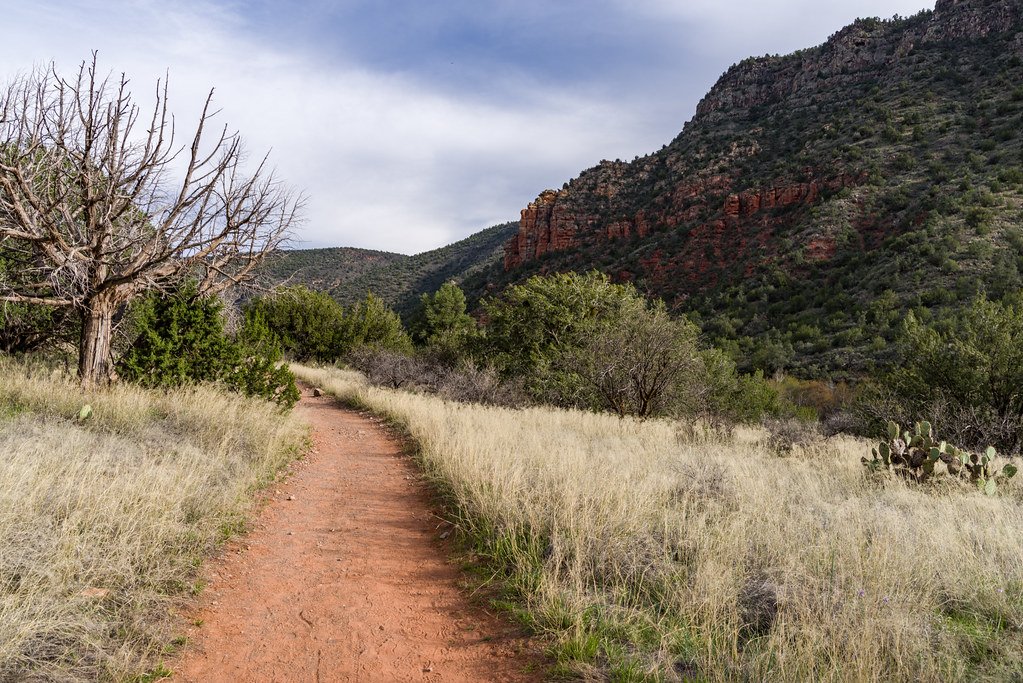
Featured photo: Coconino NF Photography via Openverse (CC0).