On this page
A beginner backpacking checklist covers five groups: the big three (pack, shelter and sleep system), a simple kitchen and water treatment, clothing layers for the worst likely weather, the ten essentials for safety, and a small kit for hygiene and camp. Pack only what you will use, and check the list twice before you leave.
Backpacking means carrying everything you need for one or more nights on your back, so every item has to earn its place. This checklist is built for a first overnight or weekend trip in three season conditions. It explains what each item is for, which items are optional, and how to adjust the list for your route, weather and local rules.
Key takeaways
- Start with the big three: backpack, shelter and sleep system. They are the heaviest and most important items.
- Always carry the ten essentials, including navigation, light, first aid, extra food, water and extra clothing.
- Treat all backcountry water unless the land manager says otherwise, and carry a way to treat it.
- Pack clothes for the coldest, wettest conditions you might reasonably meet, not the forecast high.
- Check local rules for permits, campfires and food storage before you go.
- Do a full gear check at home and a short shakedown hike if you can.
What do you need for your first backpacking trip?
For your first backpacking trip, you need a backpack, a tent or other shelter, a sleeping bag and sleeping pad, a way to cook and treat water, enough food, weather appropriate clothing, the ten essentials, and a small hygiene kit. You can borrow or rent many items rather than buying everything at once.
Here is the whole checklist at a glance. The sections below explain each group.
| Category | Core items | Notes |
|---|---|---|
| Big three | Backpack, tent, sleeping bag, sleeping pad | Rent or borrow for your first trip |
| Kitchen | Stove, fuel, pot, lighter, utensil, mug | Skip if doing a no cook trip |
| Water | Bottles or reservoir, treatment method | Carry a backup treatment |
| Food | Meals, snacks, an extra day’s worth | Store according to local rules |
| Clothing | Base layer, warm layer, rain shell, hat, socks | No cotton |
| Ten essentials | Navigation, light, sun protection, first aid, knife, fire, shelter, food, water, clothes | Carry on every trip |
| Hygiene | Trowel, toilet paper, bags, hand sanitizer, toothbrush | Pack out what you bring in |
| Camp extras | Camp shoes, pillow, small towel, repair kit | Optional, but useful |
If you are new to camping in general, our first time camping checklist covers the basics of setting up camp before you add the backpacking layer.
What are the big three items for backpacking?
The big three items for backpacking are your backpack, your shelter and your sleep system, which is a sleeping bag plus a sleeping pad. They are usually the heaviest things you carry and the most important for comfort and safety. Choosing them well, or renting good ones, makes the biggest difference on a first trip.
Backpack
- Backpack sized for your trip. Many overnight trips fit in a mid sized pack, but your gear volume decides. See backpack capacity explained.
- Pack liner or rain cover to keep gear dry. A strong trash bag liner works.
- Proper fit: adjust the hip belt and shoulder straps before you go. Our guide on how to fit a hiking backpack shows how.
Shelter
- Tent with stakes, poles and rainfly.
- Footprint or ground sheet if you want extra floor protection.
- Guy lines for wind.
Practice pitching your tent at home first. Our guide on how to set up a tent walks you through it.
Sleep system
- Sleeping bag rated for the lowest temperature you expect, with some margin. See sleeping bag temperature ratings explained.
- Sleeping pad with enough insulation for the ground temperature. The R value tells you how well it insulates, as covered in sleeping pad R value explained.
- Pillow or a stuff sack filled with clothes.
What should be in your backpacking kitchen and water kit?
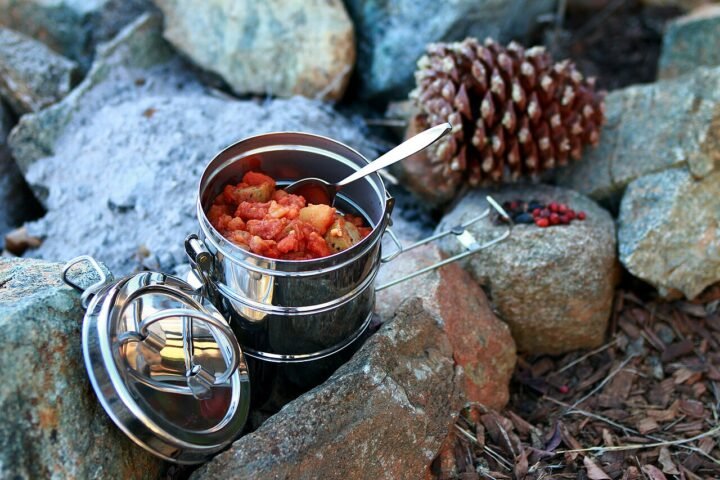
A backpacking kitchen and water kit usually includes a small stove, fuel, a pot, a lighter, a long spoon, a mug, a way to treat water, and bottles or a reservoir. Keep it simple on a first trip. Many beginners eat one hot dinner and breakfast, with no cook snacks and lunches in between.
Cooking
- Stove and enough fuel for every planned hot meal, plus a little extra
- Lighter and backup matches in a waterproof container
- Small pot with lid
- Long handled spoon or spork
- Mug or insulated cup
- Small sponge or scraper and a bag for food waste
- Bear canister, bear bag or odor proof bags where required
Our camping kitchen checklist and guide on how to choose a camping stove explain the options in more detail.
Water
- Water bottles or a hydration reservoir
- A water treatment method, such as a filter, purifier, chemical tablets or boiling
- A backup treatment, such as tablets, in case your filter fails or freezes
Treat water from streams and lakes before drinking unless local land managers say it is safe. Our guide on how to purify water in the backcountry compares the main methods.
Tip: Check where water sources are on your route before you go. Dry stretches mean carrying more, which changes your pack weight a lot.
What food should you pack for backpacking?
Pack food for backpacking that is calorie dense, light, compact and easy to prepare, plus extra in case you are delayed. Good choices include dehydrated meals, instant oats, wraps, nut butter, cheese, nuts, dried fruit and bars. Plan each meal by day, then add an emergency snack bag you only open if needed.
Planning tips:
- Write a simple meal plan: breakfast, lunch, dinner and snacks for each day.
- Repack food into bags to cut bulk and trash.
- Add an extra meal or snack bag beyond your plan, as part of the ten essentials.
- Pack food you have eaten before, so your stomach is not surprised on the trail.
- Store food, trash and scented items according to the land manager’s rules, which may require a bear canister.
What clothing do you need for backpacking?
The clothing you need for backpacking is a set of layers that keep you dry, warm and protected from sun and wind: a moisture wicking base layer, hiking pants or shorts, an insulating layer, a waterproof rain jacket, and a warm hat and gloves when nights are cool. Pack for the coldest, wettest conditions you might face.
What to wear while hiking
- Moisture wicking shirt
- Hiking pants or shorts
- Hiking socks, plus liners if you use them
- Hiking boots or trail shoes, broken in. See hiking boots vs trail shoes.
- Sun hat and sunglasses
What to pack
- Insulating layer, such as a fleece or puffy jacket
- Waterproof rain jacket, and rain pants if rain is likely
- Warm hat and light gloves
- Spare socks, at least one dry pair kept for sleeping
- Base layer top and bottom for sleeping in cooler weather
- Spare underwear
Avoid cotton, which stays wet and cold. Our outdoor clothing layering basics guide explains how the layers work together.
What are the ten essentials for backpacking?
The ten essentials for backpacking are navigation, a headlamp, sun protection, first aid, a knife or repair kit, fire starting supplies, an emergency shelter, extra food, extra water and extra clothing. They help you respond to an injury, a wrong turn or a night out longer than planned. Carry them on every trip.
| Essential | Examples |
|---|---|
| Navigation | Map, compass, phone with offline maps, charged battery |
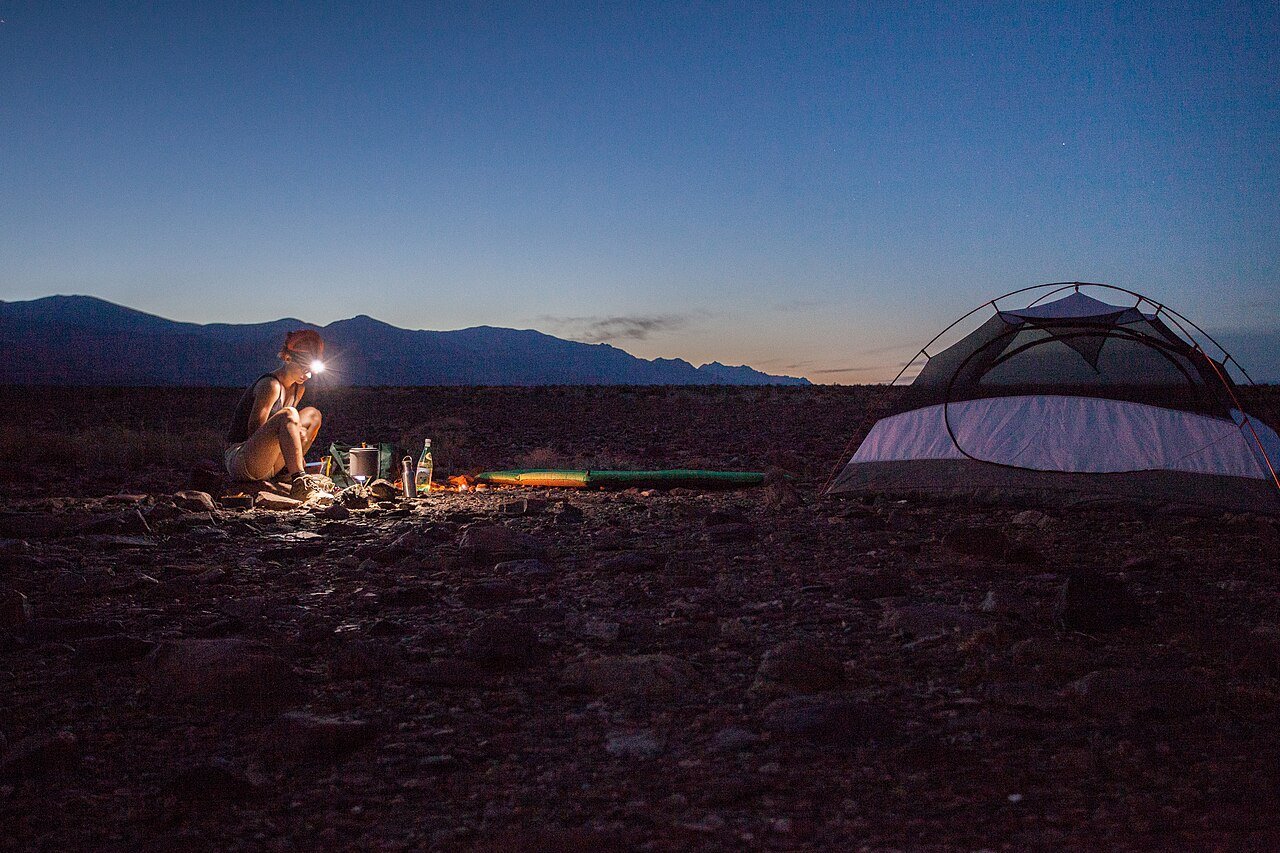
| Light | Headlamp with spare batteries or charge |
| Sun protection | Sunscreen, sunglasses, hat, lip balm |
| First aid | Kit with blister care, bandages and personal medicines |
| Knife and repair | Small knife, duct tape, repair patches |
| Fire | Lighter, waterproof matches, fire starter |
| Emergency shelter | Space blanket or bivy, plus your tent |
| Extra food | At least one extra day’s worth |
| Extra water | Enough to reach the next source, plus treatment |
| Extra clothing | Warm layer beyond what you expect to need |
Our guide to the ten essentials for hiking explained covers each item, and how to read a trail map helps you use the map you carry.
What hygiene and personal items should you bring?
The hygiene and personal items to bring on a backpacking trip include a trowel, toilet paper and bags to pack it out, hand sanitizer, a toothbrush and small toothpaste, any medicines you need, insect repellent and a small towel. Keep these items in one bag so you can find them quickly in the dark.
- Trowel for digging catholes, where allowed
- Toilet paper and zip bags to pack out used paper
- Hand sanitizer
- Toothbrush, small toothpaste and floss
- Personal medicines and prescriptions
- Insect repellent
- Small quick dry towel
- Menstrual products and a bag for packing them out, if needed
- Phone, ID, permit and some cash or a card
Follow Leave No Trace principles. Our guide on how to go to the bathroom outdoors explains how to do it safely and responsibly.
Which backpacking items are optional?
Optional backpacking items are things that add comfort or convenience but are not needed for safety, such as camp shoes, a camp chair, trekking poles, a camera, a book, a power bank and a pillow. Bring one or two that matter to you, and leave the rest at home on your first trip to keep weight down.
- Trekking poles: help on climbs, descents and stream crossings, and can reduce strain on knees.
- Camp shoes: let your feet air out at camp.
- Power bank: keeps your phone charged for navigation and photos.
- Sit pad or light chair: adds comfort at camp.
- Bandana or buff: useful for sun, sweat and cleaning.
- Notebook or book: something for evenings.
Track your pack weight as you go. Our guide to base weight, packed weight and trail weight explains the terms.
How do you adjust a backpacking checklist for your trip?
Adjust a backpacking checklist by checking your route, season, weather, water sources, group size and local rules. Cold nights need a warmer bag and pad. Wet climates need better rain gear and dry bags. Bear country may require a canister. Longer trips need more food and fuel, so review the list for each trip.
- Cold weather: add warmer layers, a warmer sleep system and fuel for melting snow if needed. Winter trips need much more gear, so use a dedicated winter camping checklist.
- Hot weather: add sun protection and plan more water. Our guide on heat safety for hikers covers the warning signs.
- Bear country: carry the food storage method the land manager requires.
- Family trips: kids need their own layers, snacks and a lighter load. See our family camping checklist.
- Permits: some parks need permits for overnight stays. Check with the land manager.
Before you go, leave a trip plan with someone at home, as explained in how to leave a hiking plan with someone, and check the forecast with the National Weather Service or your local weather agency.
What are common beginner backpacking mistakes?
Common beginner backpacking mistakes include packing too much, carrying untested gear, choosing a sleeping bag or pad that is not warm enough, bringing cotton clothes, underestimating water needs, skipping the ten essentials and not checking local rules. Most are fixed by doing a full gear check at home and a short trial trip.
- Overpacking: a heavy pack makes every mile harder. Leave duplicates at home.
- Untested gear: practice with your stove, filter and tent before the trip.
- Cold nights: an underrated bag or pad is a common reason for a sleepless first trip.
- Cotton clothing: it stays wet and chills you.
- Not enough water: know where your sources are.
- New boots: break them in first. See how to break in hiking boots.
- Poor packing: heavy items belong close to your back. Our guide on how to pack a backpack efficiently shows how.
Tip: Lay every item on the floor before you pack, then ask of each one: will I use this, or will I be glad of it in an emergency? If the answer is no, leave it.
If you plan to build your own kit over time, our essential camping gear buying guide helps you decide what to buy first.
Frequently asked questions
How heavy should a beginner’s backpacking pack be?
There is no single right weight, because it depends on your body, the season, water and food. Many hikers find a pack feels manageable when it is a modest share of their body weight. Focus on carrying only what you need, getting a good fit, and testing the loaded pack on a short hike.
Should I rent or buy backpacking gear for my first trip?
Renting or borrowing is a smart choice for a first trip, especially for the big three. It lets you learn what you like before spending money. Many outdoor stores and some clubs rent backpacks, tents and sleeping bags. Buy items you will use often, such as boots and layers, first.
How much water should I carry while backpacking?
It depends on heat, effort, your body and the distance between water sources. Carry enough to reach the next reliable source with some margin, and a way to treat water from the backcountry. On dry routes you will need to carry much more, so check water sources on your map before you go.
Do I need a bear canister?
Some parks and forests require approved bear canisters or other food storage methods in bear country, while others recommend hanging food or using storage lockers. Rules vary by location and can change. Check the land manager’s website or ranger station before your trip, and store all food, trash and scented items as directed.
Sources and further reading
Featured photo: Yuriy Rzhemovskiy yuriyr via Openverse (CC0).