On this page
To choose a camping tent, start with how you will camp: by car or on foot, in which seasons, and with how many people. Those answers set your capacity, season rating and weight limit. Then compare shape, materials, waterproofing, doors, vestibules and ventilation to find the tent that fits your trips.
This guide is a research-based buying guide, not a list of picks. It explains what each spec means, which trade-offs matter, and how to compare tents side by side so you can judge any model yourself. If you are brand new to sleeping outdoors, our camping for beginners guide covers the rest of the basics.
Key takeaways
- Decide how you will camp first. Car camping and backpacking lead to very different tents.
- Capacity ratings are not standardized, so compare floor dimensions, not just the number on the box.
- A three-season tent suits most beginners camping from spring to early fall.
- Compare minimum trail weight between tents, and expect to carry a little more than that number.
- Waterproofing depends on fabric, seams, floor design and a good pitch, not one rating alone.
- Doors, vestibules and ventilation decide how comfortable the tent feels on a wet night.
What should you look for when choosing a camping tent?
When choosing a camping tent, look at seven things: capacity, season rating, weight and packed size, shape, materials, weather protection and livability features like doors and vents. Rank them by how you camp. Car campers can favor space and comfort, while backpackers usually put weight and packed size first.
Use this table as a quick reference while you shop.
| Factor | What to check | Why it matters |
|---|---|---|
| Capacity | Floor length, width and area | Sleeping room and gear space |
| Season rating | Three-season, extended or four-season | Wind, snow and airflow |
| Weight | Minimum trail weight and packed size | What you carry and store |
| Shape | Dome, tunnel, cabin or pole-supported | Headroom and wind handling |
| Materials | Fabric type, denier, pole material | Durability and weight |
| Weather protection | Coatings, taped seams, floor design | Staying dry in rain |
| Livability | Doors, vestibules, vents, pockets | Comfort over several nights |
No tent wins on every line. A roomy cabin tent is heavy. An ultralight shelter gives up space and durability. The right choice is the set of trade-offs that matches your trips.
What size tent do you need?
The right tent size is usually one person larger than your group if you want room for gear or extra comfort. Capacity ratings assume people sleeping close together, and there is no industry standard for how much floor space each person gets. Always check the actual floor length, width and peak height before you buy.
Our guide to tent capacity ratings explained goes deeper, but these checks cover the essentials:
- Measure your sleeping pads. Many standard pads are around 20 inches wide, and wide pads are larger. Lay out how many will fit side by side on the floor plan.
- Check the length. Taller campers should look for extra floor length so their head and feet do not press against the walls.
- Look at the floor shape. Some floors taper toward the feet to save weight, which leaves less room than the total area suggests.
- Read the peak height. This is the tallest point only. Walls that rise steeply give more usable headroom than walls that slope in fast.
- Count your extras. Dogs, children, or large packs that must stay inside all push you toward a bigger size.
Tip: If you can, pitch the tent in a store or at home and lie down inside with your pad. Five minutes on the floor tells you more than any spec sheet.
Is a bigger tent always better?
A bigger tent is not always better. More space means more weight, a larger footprint to fit on campsites, and more air to warm on cold nights. For backpacking, the extra pounds add up quickly. For car camping, size is less of a problem, but very tall tents can catch more wind.
Should you get a three-season or four-season tent?
Most beginners should get a three-season tent. Three-season tents are designed for spring, summer and early fall, with plenty of mesh for airflow and enough strength for typical rain and moderate wind. Four-season tents handle heavy snow and strong wind, but they are heavier, warmer inside and usually cost more.
Here is how the main season ratings compare:
| Season rating | Best for | Trade-offs |
|---|---|---|
| Three-season | Spring to early fall, most campsites | Less suited to snow loads |
| Extended or three-plus season | Shoulder seasons, exposed sites | More weight, less mesh |
| Four-season | Winter camping, mountains, heavy wind | Heaviest, least airflow |
Our comparison of three-season vs four-season tents explains when the upgrade is worth it. As a rule, if you are not planning to camp in snow or on exposed high ground, a three-season tent is the practical choice.
How much should a camping tent weigh?
How much a tent should weigh depends on whether you carry it. For car camping, weight barely matters, so you can favor space and comfort. For backpacking, every pound counts, and many backpackers aim to keep their shelter to a few pounds per person. Compare tents using minimum trail weight for a fair test.
Tent weight is usually listed in two ways:
- Minimum trail weight: the tent body, rainfly and poles only. This is the most useful figure for comparing tents.
- Packaged weight: everything in the box, including stakes, guylines and stuff sacks.
What you actually carry usually falls somewhere between the two. Also check the packed size. A tent that is light but bulky can still be awkward in a backpack.
For two or more backpackers sharing a tent, splitting the parts helps. One person carries the body, another carries the fly and poles. That makes a larger tent more practical on the trail.
Car camping vs backpacking tents
- Car camping tents: taller walls, more floor space, heavier fabrics, often steel or fiberglass poles. Built for comfort near the vehicle.
- Backpacking tents: lighter fabrics, smaller packed size, aluminum or carbon poles. Built to be carried, with less room to spare.
If you plan to do both, you will compromise somewhere. A light backpacking tent works fine at a campground. A heavy family tent does not work on a trail.
Which tent shape is best for camping?
The best tent shape depends on your priorities. Dome tents balance space, stability and easy setup, which makes them a strong default. Cabin tents offer the most headroom for families. Tunnel tents use space well and handle wind when pitched end on. Trekking pole tents save weight for backpackers willing to learn a more careful pitch.
| Shape | Strengths | Weaknesses |
|---|---|---|
| Dome | Stable, simple, freestanding | Sloping walls limit headroom |
| Cabin | Near vertical walls, lots of room | Heavy, catches wind |
| Tunnel | Good space for weight | Needs stakes, sensitive to wind direction |
| Trekking pole or A-frame | Very light | Needs careful staking and practice |
| Air beam or inflatable | Fast pitching | Heavy, needs a pump |
For a full breakdown, see our guide on how to compare tent designs.
Freestanding or non-freestanding?
A freestanding tent holds its shape with poles alone, so you can pick it up and move it before staking. That makes it easier on rocky ground, platforms and sand. Non-freestanding tents rely on stakes and tension, which usually saves weight but takes more skill to pitch well.
Our comparison of freestanding vs non-freestanding tents covers the pitching differences in more detail. Note that even freestanding tents should be staked and guyed out in wind.
What tent materials and waterproofing should you look for?
The best tent materials for most campers are coated polyester or nylon fabrics, aluminum poles, fully taped seams and a floor that wraps up the sides. Waterproofing is a system: coated fabric, sealed seams, a rainfly that reaches close to the ground and a tight pitch all matter. One rating alone cannot tell you how dry a tent will stay.
Fabrics
- Polyester: sags less when wet and resists sun damage well. Common in car camping and many backpacking tents.
- Nylon: strong for its weight, so it is popular in lightweight tents. It can stretch when wet, so you may need to retighten guylines.
- Canvas or polycotton: breathable and durable, but heavy. Mostly found in large car camping and bell tents.
Denier and coatings
Denier (D) describes the weight of the yarn. A higher number usually means tougher fabric, but you should only compare denier between similar fabrics. A thin, high-quality fabric can outperform a thicker, cheaper one.
Coatings make fabric waterproof. Polyurethane (PU) coatings are common and allow seams to be taped. Silicone coatings make fabric stronger and more water shedding, but seams often need sealing by hand.
Hydrostatic head ratings
Some brands list a hydrostatic head rating in millimeters. A higher number means the fabric resisted more water pressure in testing. Many retail guides treat ratings around 1,500 mm and up as fine for typical three-season rain, with higher figures for floors and stormy conditions. Treat it as a rough guide, because seams, zippers and pitch matter just as much.
Poles
- Aluminum: the most common choice. Light, strong and repairable in the field with a splint.
- Fiberglass: cheaper and heavier, and more likely to crack in cold weather.
- Carbon fiber: very light, but often more expensive and less forgiving of impacts.
- Steel: used in large cabin tents. Heavy but sturdy.
Single wall or double wall?
A double wall tent has a mesh or fabric inner tent with a separate rainfly. The gap between them helps manage condensation. A single wall tent uses one waterproof layer, which saves weight but tends to collect more condensation on the inside. Beginners usually find double wall tents more forgiving.
How do doors, vestibules and ventilation affect comfort?
Doors, vestibules and ventilation decide how comfortable a tent feels night after night. Two doors let two people get in and out without climbing over each other. Vestibules give you a dry place for boots and packs. Good ventilation reduces condensation, which is often the real reason a tent feels wet inside.
What to look for:
- Doors: one door per person is ideal in a two-person tent. A single door saves weight and cost, but expect some shuffling at night.
- Vestibules: check the area. Bigger vestibules hold more gear but add weight.
- Vents: look for vents high in the rainfly that you can prop open, so warm, moist air can escape.
- Mesh panels: more mesh means more airflow in summer and more views of the sky.
- Storage: interior pockets and a gear loft keep headlamps and phones off the floor.
- Rainfly color: lighter colors make the inside brighter, which helps when you are stuck inside in rain.
Tip: Condensation comes from your breath and damp gear, not leaks. Open the vents, pitch the fly tight and avoid cooking inside the tent to keep it drier.
What features make a tent easier to set up?
Tents that are easy to set up usually have fewer poles, color-coded parts, clips instead of long sleeves, and a hub that links poles together. A freestanding design also helps, because you can adjust the position after pitching. Easy setup matters most when you arrive late, in rain or with kids waiting.
Features that make a real difference:
- Color coding: matching colors on poles, corners and fly buckles speed up setup.
- Pole clips: easier to attach than sleeves, and they leave a gap for airflow.
- Pole sleeves: slower to thread, but they can spread stress evenly in wind.
- Hubbed poles: one connected pole set, so there are fewer pieces to sort.
- Fly-first pitching: some tents let you pitch the rainfly before the inner tent, which keeps the inside dry in rain.
Whatever you buy, practice pitching it at home or in a park before your first trip. You want to find a missing stake or a confusing step in daylight, not at a dark campsite.
How do you compare tents before you buy?
To compare tents before buying, shortlist two or three that meet your capacity, season and weight needs, then line up their specs side by side. Compare floor dimensions, minimum trail weight, number of doors, vestibule area and pole material. Finally, check the warranty, return policy and whether a footprint is included or sold separately.
A simple comparison process:
- Write down your must-haves: number of sleepers, seasons, car camping or backpacking.
- Filter out any tent that misses a must-have, however good it looks.
- Put the remaining specs in a table: floor size, peak height, trail weight, doors, vestibules.
- Read the materials section of each spec sheet: fabric, denier, coating and poles.
- Check what is included: stakes, guylines, footprint and repair kit.
- Read the return and warranty policies before paying.
- Pitch your final choice at home and keep the packaging until you are sure.
Do you need a footprint?
A footprint is a ground sheet cut to match your tent floor. It protects the floor from abrasion and can make the tent last longer. Many footprints are sold separately. Some double wall tents also let you pitch the fly, poles and footprint without the inner tent, which is a light option in dry, bug-free weather.
What are the most common tent buying mistakes?
The most common tent buying mistakes are trusting the capacity number without checking floor size, buying a four-season tent for summer trips, choosing on weight alone, and skipping a practice pitch. Many beginners also forget about vestibule space and ventilation, then end up with wet gear and condensation on the first rainy night.
Avoid these:
- Buying by the number on the box. Check dimensions against your sleeping pads.
- Overbuying the season rating. A four-season tent is warm and heavy in summer.
- Choosing the lightest tent available. Very light tents often trade away space, durability and ease of pitching.
- Ignoring packed size. A tent that will not fit your pack or car trunk is a problem.
- Skipping the practice pitch. Learn the setup at home before your first trip.
- Storing it wet. Always dry your tent fully before packing it away to prevent mildew.
Once you have chosen your tent, the next step is to plan your first night out. Our camping for beginners guide walks you through campsites, sleeping systems and what to pack.
More tent guides
Frequently asked questions
What size tent do I need for two people?
For two people, a two-person tent works if you want to save weight and do not mind sleeping close together. For more comfort or extra gear, consider a three-person tent. Check that the floor fits two sleeping pads side by side, and look for two doors so neither person has to climb over the other.
Is a three-season tent good enough for beginners?
Yes, a three-season tent is the right choice for most beginners. It is designed for spring, summer and early fall, with good airflow and enough strength for typical rain and moderate wind. You only need a four-season tent if you plan to camp in snow, in high mountains or in exposed, very windy places.
How do I know if a tent is waterproof?
Look for coated fabric, fully taped or sealed seams, a floor that wraps up the sides, and a rainfly that reaches close to the ground. Some brands list a hydrostatic head rating in millimeters, where higher means more water resistant. A tight pitch and good ventilation also help keep you dry inside.
What is the difference between trail weight and packaged weight?
Minimum trail weight covers only the tent body, rainfly and poles. Packaged weight includes everything in the box, such as stakes, guylines and stuff sacks. Use minimum trail weight to compare tents fairly, but expect your real carried weight to fall somewhere between the two figures once you add stakes.
Sources and further reading
- REI Expert Advice: How to choose a backpacking tent
- Leave No Trace for choosing durable campsites and pitching responsibly
- National Park Service for campground rules and permits in US parks
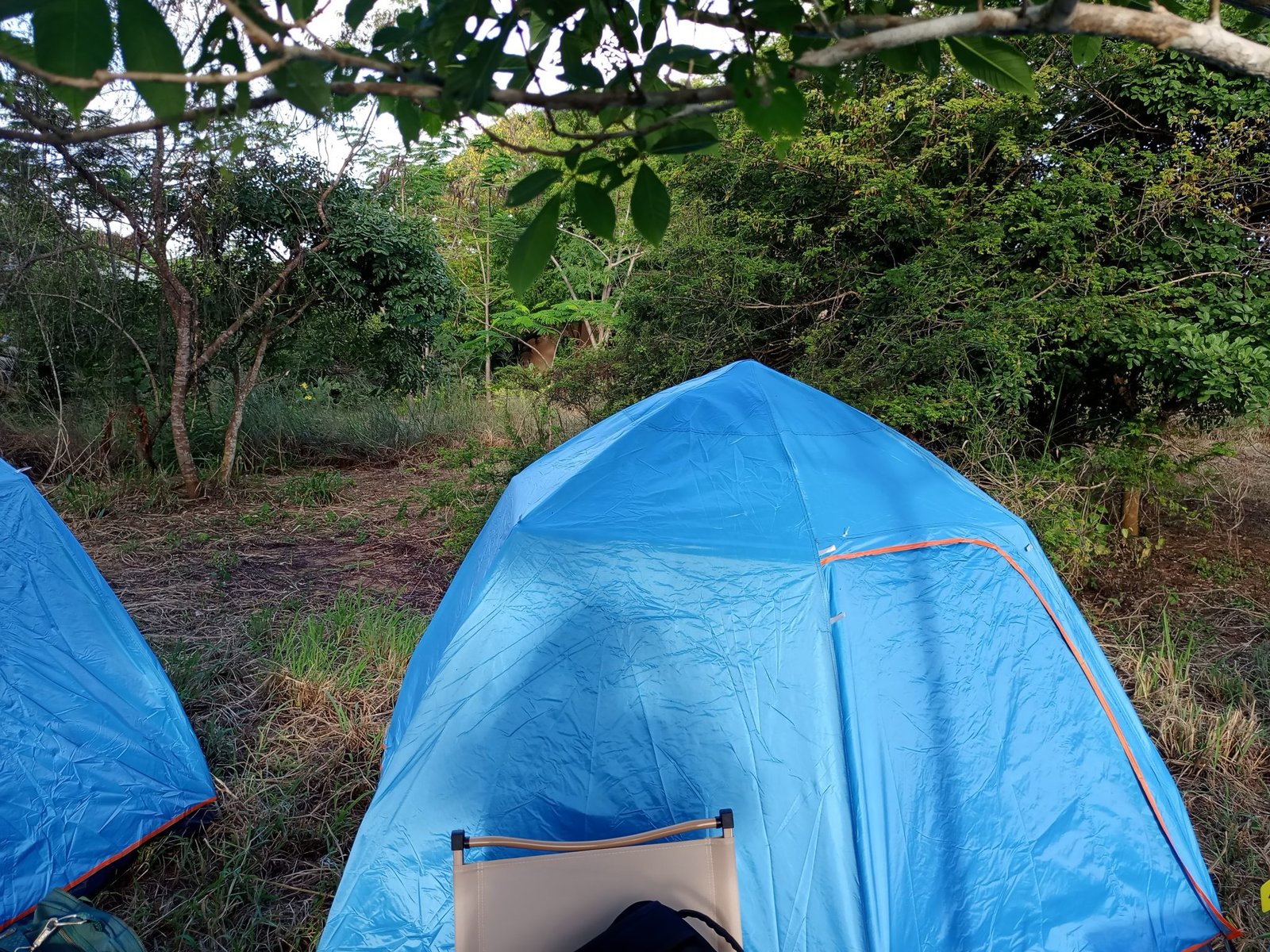
Featured photo: Mohammed Kateregga via Openverse (CC0).