On this page
The best summer camping tips come down to staying cool, dry, fed and safe: book early, pick a shaded and breezy site, ventilate your tent, drink water steadily, keep food cold, protect yourself from sun and bugs, and watch the sky for storms. Plan for warm days and cool nights, because summer weather can swing fast.
This list groups practical tips by stage of the trip, from booking and site choice to sleeping comfortably and handling heat, storms and wildlife. It is written for beginners and improvers heading to campgrounds or simple backcountry sites in the US, with notes for campers in the UK, Canada and Australia.
Key takeaways
- Book popular summer campgrounds early and check for fire restrictions before you leave.
- Choose a site with afternoon shade and a breeze, and pitch your tent to catch the airflow.
- Drink water steadily, plan hard activities for mornings and evenings, and know the signs of heat illness.
- Keep perishable food at 40°F or below and store all food and scented items away from wildlife.
- Summer storms and cool mountain nights are common, so pack rain gear and a warm layer even in July.
How should you plan a summer camping trip?
Plan a summer camping trip by booking early, checking the forecast and any fire or water restrictions, and choosing a location that suits the heat, such as higher elevations, lakesides or forests. Summer is peak season at many parks, so reservations, permits and arrival times matter more than in spring or fall.
1. Book early and have a backup
Popular campgrounds in national and state parks often fill well ahead of summer weekends. Reserve as early as your booking system allows, and note a second option nearby. Weekday trips are usually quieter and easier to book.
2. Check fire restrictions before you go
Dry summer conditions often bring campfire bans or limits on stoves in some areas. Check the park or forest website and local ranger station. Restrictions can change during your trip, so look again on arrival.
3. Choose cooler destinations
Higher elevations, coastal areas, lakes and shaded forests usually feel cooler than open lowland sites. Mountain areas can be much colder at night, so plan for both.
4. Watch the forecast for heat and storms
Check the forecast for heat advisories, thunderstorms and wildfire smoke in the days before you leave and again the morning you go. The National Weather Service at weather.gov issues alerts for US locations. For how to read changing conditions, see our guide to preparing for changing trail weather.
How do you choose a cool campsite in summer?
Choose a cool campsite in summer by looking for afternoon shade, a steady breeze and level, well-drained ground away from standing water. Trees on the west side of your tent block the hottest late sun, while an open side toward the prevailing wind helps air move through. Avoid low, sheltered hollows where heat and mosquitoes collect.
5. Look for afternoon shade
Morning sun is welcome, but afternoon sun turns a tent into an oven. Pitch where trees or terrain shade the tent from mid-afternoon onward.
6. Catch the breeze
Face the door or largest mesh panel toward the wind. Sites near lakes or on gentle rises often get more airflow.
7. Stay away from stagnant water
Ponds and marshy spots attract mosquitoes. Pick a site a reasonable distance from still water and follow campground rules on how close you can camp to lakes and streams.
8. Check for hazards overhead
Look up before you pitch. Avoid camping under dead trees or broken branches, which can fall in wind or storms. Our guide on how to choose a campsite covers more site checks.
How do you keep your tent cool in hot weather?
Keep your tent cool in hot weather by pitching it in shade, opening every vent and door panel, and using the rainfly only when rain or dew is likely. Set it up in the late afternoon if possible, so it does not sit closed in the sun all day, and leave a gap under the fly for airflow.
9. Maximize ventilation
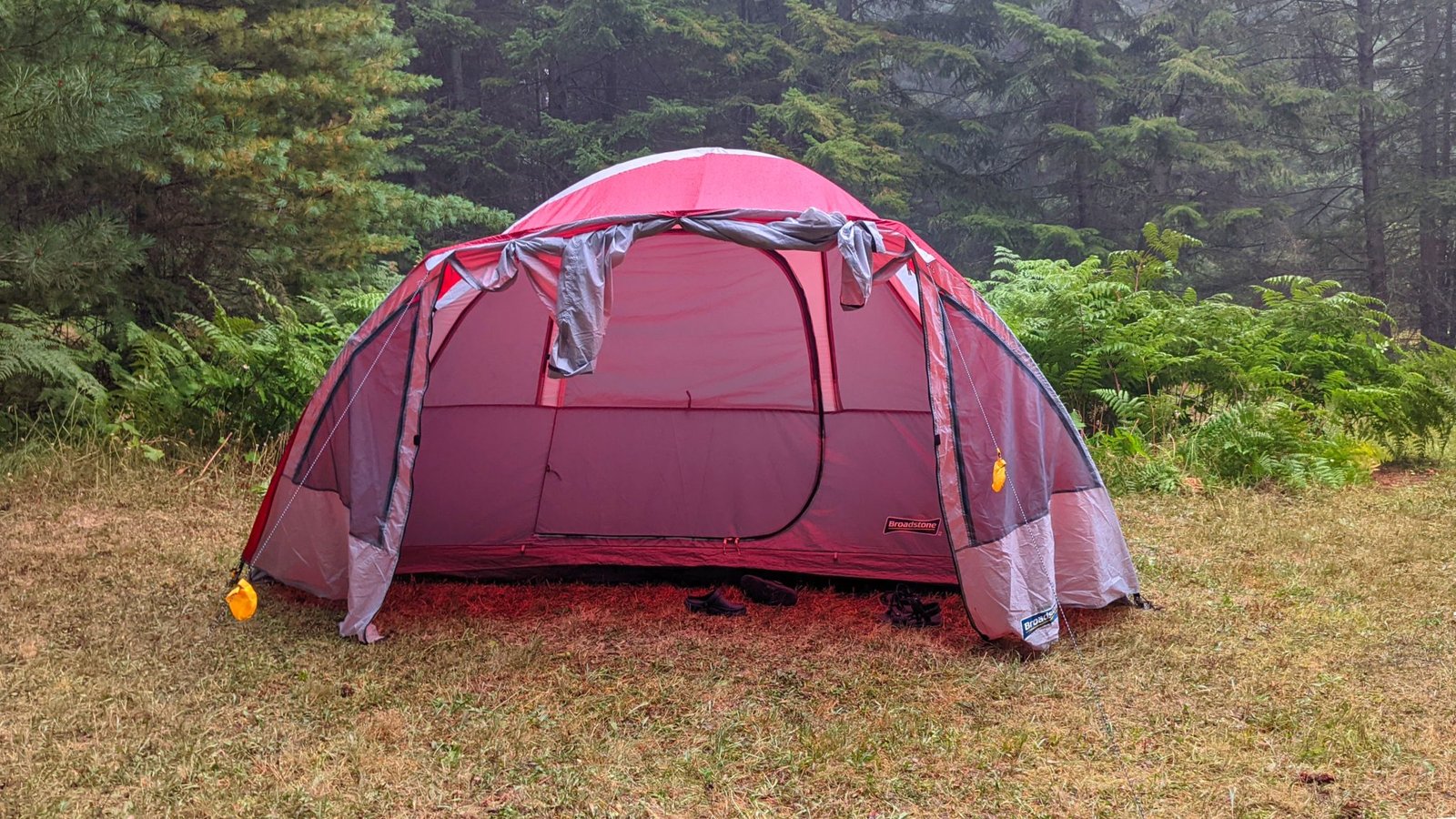
Open all vents and mesh doors. A tent with large mesh panels breathes far better in summer than a solid-walled design.
10. Use the fly wisely
On clear, dry nights, many campers leave the fly off or rolled back to let heat escape. Keep it nearby and put it on if clouds build or the forecast changes.
11. Add shade above the tent
A tarp or shade shelter rigged above the tent, with space between the two, can block direct sun and still let air flow. Make sure guylines are secure in case of wind.
12. Do not seal yourself in
Closing up a tent on a warm night traps heat and moisture. Condensation and stuffiness both drop when air can move freely.
Tip: Set up your tent but leave it unzipped and in the shade until bedtime. Zipping it up in the afternoon sun traps heat that lingers into the night.
What should you wear for summer camping?
Wear lightweight, breathable, loose clothing for summer camping, ideally in light colors and quick-drying fabrics, plus a brimmed hat and sunglasses for sun. Pack a warm layer and rain jacket too, because summer nights can turn cool, especially at elevation or near water, and storms can drop temperatures quickly.
13. Choose quick-drying fabrics
Synthetic or merino clothing dries faster than cotton after sweat or rain. Cotton can feel nice in dry heat but stays wet and cold if the weather turns.
14. Cover up from sun and bugs
Long, loose sleeves and pants protect against sunburn, ticks and mosquitoes at the same time. A wide brim shades your face and neck.
15. Pack for cold nights
Bring a fleece or insulated layer, a hat and dry socks for evenings. In mountain areas and after rain, wet clothing and wind can make you dangerously cold even in summer. Our guide on preventing hypothermia on the trail explains the warning signs, and outdoor clothing layering basics shows how to build a flexible system.
How do you stay safe in summer heat while camping?
Stay safe in summer heat while camping by drinking water regularly before you feel thirsty, resting in shade during the hottest hours, planning hikes for early morning or evening, and knowing the signs of heat exhaustion and heat stroke. Heat stroke is a medical emergency: call 911 and begin cooling the person right away.
16. Drink steadily and bring enough water
Know where you will get water. Many campgrounds have taps, but some sites do not, and backcountry sources may need treating. See our guide on how to purify water in the backcountry.
17. Shift your active hours
Swim, rest or nap in the middle of the day and save hikes for the cooler edges of the day.
18. Know the warning signs
Heavy sweating, weakness, dizziness, nausea, headache and cramps can signal heat exhaustion. Move to shade, cool down and drink water. Confusion, fainting, or very high body temperature can signal heat stroke, which needs emergency help. Our article on heat safety for hikers covers the steps in detail, and the CDC has guidance at cdc.gov.
19. Protect your skin
Use shade, clothing, a hat and broad-spectrum sunscreen, and reapply after swimming or sweating. Sunburn adds to heat stress and makes sleeping uncomfortable.
How do you keep food safe when camping in summer?
Keep food safe when camping in summer by keeping perishable items at 40°F or below in a well-packed cooler, storing the cooler in shade, and throwing out perishable food left out too long. USDA guidance says to discard perishables left out more than 2 hours, or 1 hour when it is above 90°F.
20. Pack the cooler for cold
Pre-chill the cooler and food at home. Use block ice or frozen water bottles, which tend to last longer than cubes, and pack it full, since empty space warms faster.
21. Use two coolers
Keep drinks in one cooler and food in another. The drinks cooler gets opened often, while the food cooler stays closed and colder.
22. Plan simple meals
Cook raw meat early in the trip and rely on shelf-stable foods later. Keep raw meat sealed and below other food to avoid drips. A camping kitchen checklist helps you pack what you need.
23. Store food away from wildlife
Use bear boxes, lockers or hard-sided vehicles where allowed, and never keep food or scented items in your tent. Follow the local rules for your park. Our guide to wildlife safety on the trail explains how to avoid problems.
| Food item | Summer storage tip |
|---|---|
| Raw meat | Sealed, at the bottom of the coldest cooler, cook early |
| Dairy and eggs | Keep cold; use within the first days |
| Leftovers | Cool quickly, store cold, or discard |
| Fruit and vegetables | Sturdy produce keeps better; store in shade |
| Shelf-stable foods | Good for later days of the trip |
| Drinks | Separate cooler, opened often |
How do you deal with bugs and ticks in summer?
Deal with summer bugs and ticks by using an EPA-registered insect repellent, wearing long sleeves and pants, keeping your tent zipped, and checking your body and gear for ticks every day. The CDC lists active ingredients such as DEET, picaridin and IR3535 among repellent options. Remove attached ticks promptly with fine-tipped tweezers.
24. Use repellent correctly
Follow the label on any repellent. Apply sunscreen first, then repellent if you use both. Ask a doctor about use on young children.
25. Treat or cover clothing
Long, light-colored clothing makes ticks easier to spot. Tucking pants into socks helps on grassy or brushy trails.
26. Do daily tick checks
Check the scalp, behind ears, under arms, around the waist and behind knees. Watch for rash, fever or flu-like symptoms in the weeks after your trip and see a doctor if they appear.
27. Keep the tent closed
Zip the mesh door every time you go in or out, and keep lights off inside at dusk, which can attract insects.
How do you handle summer storms at camp?
Handle summer storms at camp by checking the forecast, watching for building clouds in the afternoon, and moving to a hard-topped vehicle or enclosed building when you hear thunder. A tent offers no protection from lightning. Secure gear before the storm, and avoid camping in low spots that can flood.
28. Watch afternoon skies
In many mountain and inland areas, summer thunderstorms often build in the afternoon. Plan exposed hikes to finish early.
29. Know where to shelter
The National Weather Service advice is simple: when thunder roars, go indoors. A car with a hard metal roof is a safer option than a tent. Our guide to lightning safety for hikers and campers explains what to do if you are caught in the open.
30. Prepare your site
Stake out all guylines, put the fly on, and stow loose gear before wind arrives. Avoid sites in dry washes or along riverbanks where flash floods can occur.
How do you sleep well when camping in summer?
Sleep well when camping in summer by choosing a lightweight sleeping bag or quilt, using a sheet or liner on warm nights, ventilating your tent, and having a warm layer ready for the colder hours before dawn. Temperatures often drop overnight, so a setup you can adjust works better than one heavy bag.
31. Use a flexible sleep system
On warm nights, sleep on top of an unzipped bag with a liner or light blanket. Zip up as the night cools. Our guide to sleeping bag temperature ratings explains how to choose a bag for the season.
32. Cool off before bed
A rinse with cool water, a damp cloth on your neck, or simply sitting in a breeze can help you fall asleep more easily.
33. Block early light and noise
Summer sunrises come early. An eye mask and earplugs help in busy campgrounds.
What are common summer camping mistakes?
Common summer camping mistakes include pitching in full sun, bringing too little water, leaving food out, skipping bug and tick protection, ignoring fire restrictions, and packing only for hot weather. Many campers are caught out by cold mountain nights or sudden storms because they assumed summer meant warm and dry all day.
- No shade plan. A tent in full afternoon sun can stay hot well into the night.
- Too little water. Know your water source before you arrive.
- Warm coolers. Opening the food cooler constantly lets the cold escape.
- Food in the tent. It attracts wildlife and breaks rules in many parks.
- No warm layer. Mountain nights and storms can be cold.
- Ignoring fire bans. Fines aside, wildfires are a serious risk in dry summers.
- Skipping tick checks. A daily check takes only a few minutes.
Planning for a full year outdoors? Our spring hiking guide on mud, snowmelt and trail conditions and our fall hiking tips cover the seasons on either side of summer. For a ready-made packing list, try our car camping checklist as your next step.
Frequently asked questions
How do you stay cool in a tent in summer?
Pitch the tent in afternoon shade, face the door toward the breeze, and open every vent and mesh panel. Leave the rainfly off on clear, dry nights and keep it handy in case of rain. Rig a tarp above the tent with space for airflow, and keep the tent unzipped and shaded until bedtime.
What should I bring for summer camping?
Bring a well-ventilated tent, a lightweight sleeping bag or liner, plenty of water or a way to treat it, a good cooler, sun protection, insect repellent and light, breathable clothing. Add a warm layer and rain jacket for cool nights and storms, plus a first aid kit and a headlamp. Check local fire rules before packing a stove.
How long does ice last in a cooler while camping?
It depends on the cooler, the amount and type of ice, how full it is, how often you open it and the outside temperature. As a rule of thumb, block ice and frozen bottles last longer than cubes. Pre-chill the cooler, keep it shaded, use a separate drinks cooler and check food temperatures regularly.
Is it safe to camp during a heat wave?
It can be, with care, but consider postponing during extreme heat advisories. If you go, choose shaded or higher-elevation sites, drink water often, avoid hard activity in the hottest hours and watch for signs of heat illness. Leave right away or call 911 if anyone shows confusion, fainting or other signs of heat stroke.
What do you do if a thunderstorm hits while camping?
Move into a hard-topped vehicle or enclosed building as soon as you hear thunder, because a tent offers no lightning protection. Wait until well after the last thunder before going back outside. Before the storm, stake out guylines and stow loose gear. If you have no shelter, avoid open ground, high points and tall isolated trees.
Sources and further reading
Featured photo: Darryl via Openverse (CC0).