On this page
A trail permit is written permission from a land manager to hike or camp in a specific area, often on specific dates. Permits help limit crowding and protect fragile places. Closures temporarily shut trails or areas for safety or resource reasons, such as fire, flooding, wildlife or repairs. Always check both on the official land manager’s website before you go.
Permit systems can feel confusing at first. Some trails need nothing at all, some need a free self-issued slip at the trailhead, and some popular hikes use lotteries months in advance. This guide explains the main types of permits and passes, how to get them, why trails close and how to check current conditions, so you can plan with confidence.
Key takeaways
- Permits control how many people use an area; passes usually cover entry or parking fees. They are different things.
- Many day hikes need no permit, but overnight trips in wilderness areas and some very popular trails often do.
- In the US, many federal permits are booked through Recreation.gov, while state and local parks use their own systems.
- Closures can happen at short notice for fire, weather, wildlife or trail damage, and they apply to everyone.
- Hiking in a closed area or without a required permit can lead to fines and puts you and rescuers at risk.
What is a hiking permit?
A hiking permit is official permission from the agency that manages a trail or area, such as a national park, national forest or state park, to enter or camp there. Permits are used to limit numbers on busy or fragile routes, track who is in the backcountry for safety, and share important rules with visitors before they set out.
Permits do several jobs at once:
- Limit crowding: quotas spread use over the season and protect the experience.
- Protect resources: fewer people means less trail damage, litter and wildlife disturbance.
- Support safety: rangers know roughly who is out, where and for how long.
- Educate visitors: many permits come with a short briefing on food storage, fire rules and waste.
These goals match the habits covered in our guide to Leave No Trace principles. Permit systems are one of the main ways land managers turn those principles into practice on busy trails.
What types of hiking permits and passes are there?
The main types are day-use permits, overnight or backcountry permits, wilderness permits, timed-entry reservations and lottery permits for very popular hikes. Separate from permits are passes, which usually cover entrance, parking or day-use fees. One trip might need a pass, a permit or both, depending on where you go.
| Type | What it covers | Typical use |
|---|---|---|
| Day-use permit | Hiking a specific trail on a specific day | Popular or fragile day hikes |
| Overnight or backcountry permit | Camping in the backcountry, often at set sites or zones | Backpacking trips |
| Wilderness permit | Entry or camping in designated wilderness areas | Some national forests and parks |
| Timed-entry reservation | Entering a park or road during a time window | Busy parks in peak season |
| Lottery permit | Chance to get a limited permit through a draw | Very high-demand hikes |
| Self-issued permit | Free form you fill out at the trailhead | Tracking use in quieter areas |
| Entrance or parking pass | Paying fees to enter or park | Parks, forests and trailheads |
What is the difference between a permit and a pass?
A pass usually pays for access, such as a park entrance fee, a parking fee or a day-use fee. A permit gives permission for a specific activity, like camping overnight or hiking a limited trail, and often has a quota. In the US, an interagency annual pass covers entrance fees at many federal sites, but it does not replace a required backcountry or lottery permit.
What are lottery and timed permits?
Some very popular hikes use lotteries because demand far exceeds space. Half Dome in Yosemite and Angels Landing in Zion are well-known examples. Rules, dates and fees change, so always check the park’s official page. Timed-entry systems are used by some parks during busy seasons to manage traffic, and they may apply to the park or a specific road rather than one trail.
When do you need a permit to hike?
You need a permit when the land manager requires one for your trail, area, dates or activity. Overnight backcountry trips, designated wilderness areas, high-demand trails and some sensitive areas are the most common cases. Many ordinary day hikes require no permit, though you may still need an entrance or parking pass.
Situations where permits are more likely:
- Camping overnight in the backcountry of a national park.
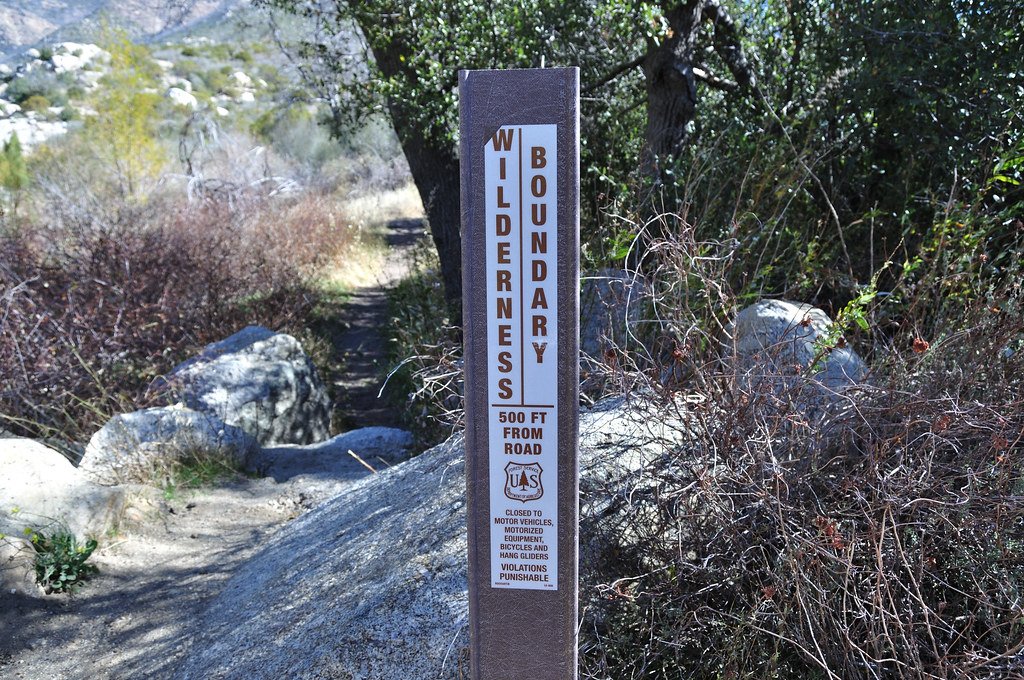
- Entering some designated wilderness areas, even for a day.
- Hiking very popular routes with limited daily numbers.
- Visiting a park during a season with timed entry.
- Traveling in large groups, which may need special permission.
- Commercial activities, such as guided trips or filming.
If you are new to choosing trails, our guide on how to choose a hiking trail for your level helps you shortlist routes before checking their permit rules.
Tip: Search for the trail name plus the land manager, such as “national forest” or “state park,” to find the official page. Third-party apps are useful, but they may not show the latest permit rules.
How do you get a hiking permit?
To get a hiking permit, find the official land manager for your trail, read its permit page, then apply online, by phone or in person as directed. In the US, many federal permits are handled through Recreation.gov, while state parks and local areas often use their own booking systems. Some permits open months in advance; others are walk-up only.
Step by step:
- Identify who manages the trail: national park, national forest, state park or local authority.
- Read the official permit page for dates, quotas, fees and rules.
- Note when reservations or lotteries open, and set a reminder.
- Apply with flexible dates and backup routes if demand is high.
- Print or download your permit and carry it on the trail if required.
- Pick up any physical permit or attend any required briefing.
- Cancel if your plans change, so someone else can use the space.
For federal lands in the US, start with Recreation.gov and the National Park Service page for the park you plan to visit. If you cannot get a permit for a popular hike, look for a quieter trail nearby. You will often find great scenery with fewer people.
Why do trails close?
Trails close to protect people and places. Common reasons include wildfire and fire risk, flooding, landslides, snow and ice, dangerous trail damage, wildlife activity such as nesting or bears, construction and repairs, and sometimes overuse. Closures may last a few hours, a season or longer, and they apply even if the trail looks fine to you.
| Closure reason | Why it matters | What to do |
|---|---|---|
| Wildfire or high fire danger | Rapidly changing, dangerous conditions | Choose another area; check fire updates |
| Flooding or washouts | Unstable ground, swift water | Wait for reopening; avoid crossings |
| Rockfall or landslides | Risk of injury from falling debris | Respect barriers and signs |
| Snow and ice | Slips, avalanches, hidden hazards | Pick a lower, safer route |
| Wildlife activity | Protect animals and avoid conflict | Stay out of closed areas |
| Construction or repairs | Equipment and unstable trail | Use detours if marked |
| Habitat restoration | Plants and soil need time to recover | Stay on open trails |
Fire is a frequent cause in dry seasons. Fire restrictions can also limit campfires and stoves even where trails stay open. Our guide to campfire rules and fire bans explains how these restrictions work.
How do you check trail closures and conditions?
Check trail closures on the official land manager’s website, social media and alerts page, then call the ranger station or visitor center if anything is unclear. Look again on the day you leave, since conditions can change fast. Also check the weather forecast, because storms can close trails or make them unsafe without warning.
Good places to check:
- The park or forest alerts and conditions page.
- The visitor center or ranger station by phone.
- Signs and notices at the trailhead.
- The National Weather Service forecast for the area.
- Fire information pages during wildfire season.
Changing weather is a common reason for sudden closures and turnarounds. Our guide on how to prepare for changing trail weather explains what to watch for. Before you leave, also tell someone your route and expected return, as covered in how to leave a hiking plan with someone.
What rules come with hiking permits?
Hiking permits usually come with rules on where you can camp, how many people can be in your group, how to store food, whether fires are allowed, how to handle human waste and whether dogs are permitted. Breaking these rules can lead to fines or losing your permit, so read the conditions before you start.
Common conditions include:
- Group size limits: large groups may need to split up or get special approval.
- Designated campsites or zones: camp only where your permit allows.
- Food storage: bear-resistant containers may be required.
- Fire rules: fires may be banned or allowed only in certain places.
- Waste rules: some areas require you to pack out human waste.
- Pet rules: dogs may be banned or restricted to certain trails.
Bathroom rules are often stricter in deserts, canyons and alpine areas. Our guide on how to go to the bathroom outdoors explains the standard methods. If you hike with a dog, check pet rules early, and see hiking with your dog: trail rules and tips for what to expect.
What happens if you hike without a permit or in a closed area?
Hiking without a required permit or entering a closed area can lead to fines, citations or removal from the area, depending on the land manager and local laws. More importantly, closures exist because of real hazards. Ignoring them can put you, other hikers and rescue teams at risk, and can damage the resources the closure protects.
If you arrive and find a trail closed:
- Respect the closure, even if others are ignoring it.
- Ask a ranger or visitor center staff for nearby open alternatives.
- Check whether the closure is partial, such as one section or one direction.
- Adjust your plan and come back another time if needed.
If you find a hazard on an open trail, such as a washout or downed trees, report it to the land manager when you get back.
How do permits and closures work outside the United States?
Permits and closures exist in many countries, but the systems differ. Some places require bookings for huts or campsites rather than trail permits, while others have open access rules with local restrictions. Closures for fire, weather and wildlife are common worldwide. Always check the official park or government website for your destination.
A few regional notes:
- UK: many paths are open public rights of way, and Scotland has broad access rights under the Scottish Outdoor Access Code. Some areas still have seasonal restrictions or local byelaws.
- Canada: Parks Canada and provincial parks use backcountry reservations in many areas and publish trail closures and warnings.
- Australia: state national park agencies manage bookings for some multi-day walks and campgrounds, and fire danger can close parks during hot, dry periods.
If you are new to multi-day trips, our camping for beginners guide covers the basics of planning and packing alongside permit research.
What are common mistakes with permits and closures?
The most common mistakes are assuming no permit is needed, confusing a pass with a permit, missing the booking window, relying on outdated third-party information and ignoring closures. Many hikers also forget to carry the permit on the trail or to cancel when plans change, which wastes a spot someone else could have used.
- Assuming: always check the official page, even for familiar trails.
- Mixing up passes and permits: an entrance pass does not cover a backcountry permit.
- Missing release dates: set reminders for when bookings or lotteries open.
- Using old information: apps and blogs can be out of date.
- Ignoring closures: barriers and signs are there for real hazards.
- Not cancelling: free up your spot if you cannot go.
Frequently asked questions
Do you need a permit for every hike?
No. Many day hikes need no permit at all, though you may need an entrance or parking pass. Permits are more common for overnight backcountry trips, designated wilderness areas, very popular trails and some sensitive areas. Always check the official land manager’s website for your trail before you go, since rules vary.
How far in advance should you apply for a hiking permit?
It depends on the area. Some popular permits open months ahead or use lotteries with set application windows, while others are available a few days ahead or as walk-ups. Check the official permit page early in your planning, note the release dates, and have backup dates and routes ready in case your first choice is full.
Can you hike a trail that is closed if it looks safe?
No. Closures apply even if the trail looks fine, because hazards like unstable slopes, fire activity, wildlife or damaged bridges are not always visible. Entering a closed area can lead to fines and puts you and rescuers at risk. Ask a ranger about open alternatives and return when the trail reopens.
Is a national park pass the same as a permit?
No. A national park pass usually covers entrance fees, while a permit gives permission for a specific activity such as overnight camping or hiking a limited trail. You may need both. Even with an annual pass, you still need any required backcountry, wilderness or lottery permit for the trail you plan to hike.
Where can you check if a trail is closed?
Check the official land manager’s alerts or conditions page, call the visitor center or ranger station, and read signs at the trailhead. During fire season, check fire information pages too. Look again on the day of your hike, because conditions can change quickly due to weather, fire or trail damage.
Sources and further reading
- Recreation.gov
- National Park Service
- National Weather Service
- Leave No Trace Center for Outdoor Ethics
Featured photo: The Fun Chronicles via Openverse (CC0).